tilmicosin is a macrolide antibiotic primarily utilized in veterinary medicine, particularly for the treatment and prevention of respiratory diseases in livestock, notably cattle, swine, and poultry. Its effectiveness against a range of bacterial pathogens makes it a crucial tool in maintaining animal health and productivity within the agricultural industry. The increasing global demand for protein necessitates effective animal health solutions, solidifying tilmicosin’s importance in the food supply chain.
The prevalence of respiratory diseases poses a significant economic burden on livestock producers worldwide. Effective antimicrobial agents like tilmicosin help minimize these losses by reducing morbidity and mortality rates, and enhancing growth performance. The ongoing concern regarding antimicrobial resistance demands responsible use and continuous research into optimizing treatment strategies, further emphasizing the need for a comprehensive understanding of this antibiotic.
Beyond its therapeutic role, tilmicosin’s pharmacokinetic properties, specifically its high tissue concentration, contribute to its efficacy. Understanding these properties is paramount for veterinary professionals to administer correct dosages and treatment durations, thereby maximizing therapeutic outcomes and minimizing potential adverse effects.
Introduction to tilmicosin
tilmicosin is a semi-synthetic macrolide antibiotic derived from tylosin. First developed in the late 20th century, it quickly gained prominence due to its broad-spectrum activity against important animal pathogens. Initially, its use was limited to poultry, but its applications have expanded significantly over the years to encompass various livestock species.
The development of tilmicosin represented a substantial advancement in veterinary pharmacology, offering an alternative to earlier antibiotics facing increasing resistance. Its unique pharmacokinetic properties allow for high concentrations in lung tissues, making it particularly effective against respiratory infections, a major cause of economic losses in animal agriculture.
Defining tilmicosin and its Applications
tilmicosin functions by inhibiting bacterial protein synthesis, specifically by binding to the 50S ribosomal subunit. This disruption prevents the bacteria from producing essential proteins, ultimately leading to cell death or growth arrest. This mechanism of action is common to macrolide antibiotics and contributes to their effectiveness against a wide range of gram-positive and certain gram-negative bacteria.
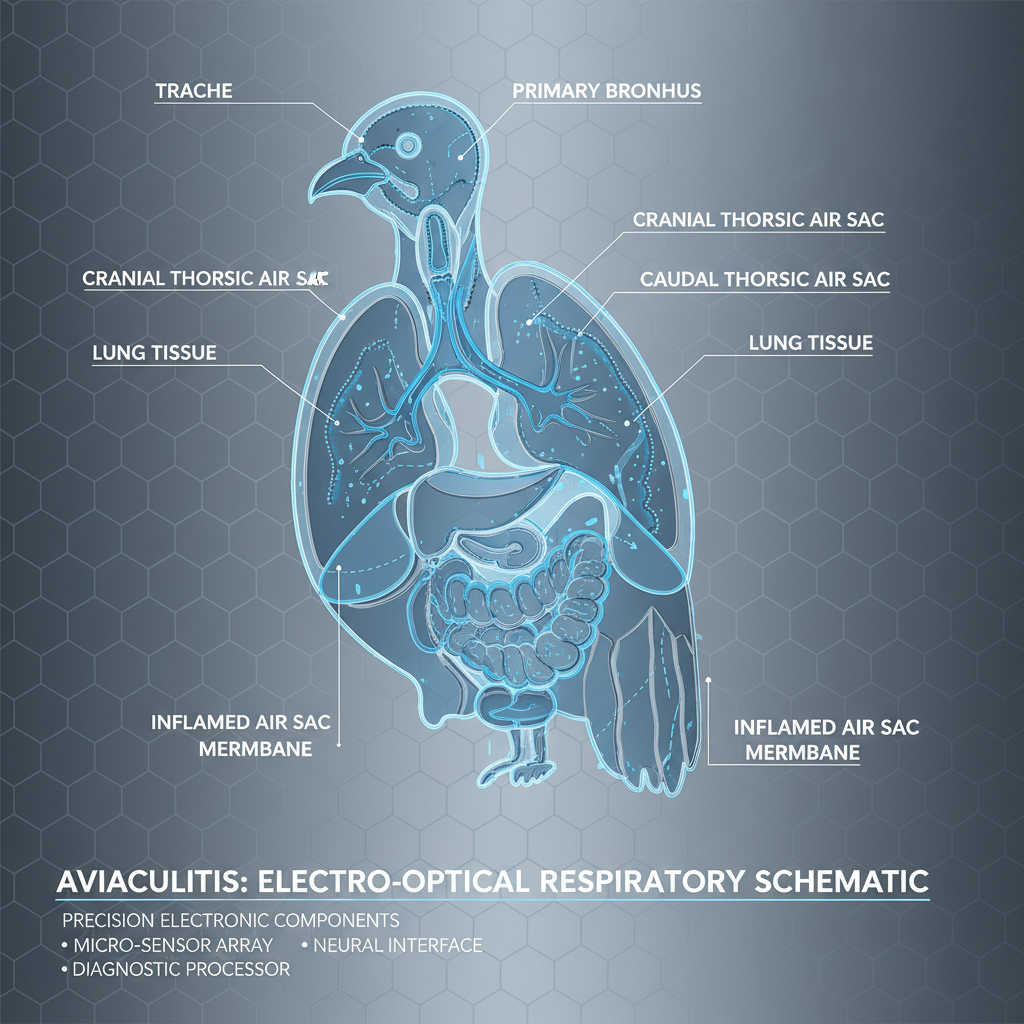
The primary application of tilmicosin lies in the treatment of respiratory diseases in livestock. In cattle, it’s commonly used to manage bovine respiratory disease (BRD), a complex of infections caused by viruses and bacteria. In swine, it's employed against enzootic pneumonia and other respiratory complications. Poultry utilizes it to combat chronic respiratory disease (CRD) and infectious coryza.
Beyond treatment, tilmicosin is also utilized prophylactically – meaning it’s administered to prevent infection – in situations where animals are at high risk of developing respiratory illness, such as during periods of stress or overcrowding. Responsible use, guided by veterinary expertise, is critical to maintaining its effectiveness and minimizing the development of antibiotic resistance.
Key Pharmacokinetic Properties of tilmicosin
A defining characteristic of tilmicosin is its exceptional tissue distribution. It demonstrates a high affinity for lung tissues, achieving concentrations significantly greater than those found in the bloodstream. This localized accumulation enhances its effectiveness against respiratory pathogens.
Following administration, tilmicosin is rapidly absorbed and widely distributed throughout the body, but it exhibits a relatively long elimination half-life. This prolonged presence in tissues contributes to its sustained therapeutic effect. Metabolism primarily occurs in the liver, and excretion occurs primarily in the feces.
The bioavailability of tilmicosin can vary depending on the route of administration (oral, injectable, in-feed). Injectable formulations generally provide higher and more consistent plasma concentrations compared to oral administration. Understanding these pharmacokinetic differences is essential for optimizing dosage regimens.
tilmicosin Efficacy Against Common Pathogens
tilmicosin exhibits potent activity against a variety of bacteria commonly associated with livestock respiratory diseases. Key targets include Mannheimia haemolytica, Pasteurella multocida, Mycoplasma bovis, and Actinobacillus pleuropneumoniae. These pathogens are frequently involved in BRD in cattle and other respiratory illnesses in swine and poultry.
The minimum inhibitory concentration (MIC) – the lowest concentration of an antibiotic that inhibits visible growth of a bacterium – for tilmicosin against these pathogens is generally low, indicating its high potency. However, it’s crucial to monitor susceptibility patterns over time, as resistance can develop with prolonged and inappropriate use.
tilmicosin MIC Values Against Key Pathogens
Global Usage Patterns of tilmicosin
The use of tilmicosin is widespread in regions with intensive livestock production, including North America, Europe, and Asia. The specific usage patterns vary depending on local regulations, farming practices, and the prevalence of respiratory diseases.
In countries with large cattle and swine industries, tilmicosin represents a significant proportion of antibiotic sales for veterinary use. Ongoing surveillance programs aim to monitor antibiotic consumption and identify trends in resistance development, providing valuable data for informing responsible antibiotic stewardship initiatives.
Advantages of tilmicosin in Veterinary Medicine
One of the key advantages of tilmicosin is its excellent efficacy against a broad range of respiratory pathogens. Its high tissue concentration in the lungs ensures effective drug delivery to the site of infection, maximizing therapeutic outcomes. This targeted approach can contribute to shorter treatment durations and reduced reliance on higher antibiotic doses.
Additionally, tilmicosin is available in various formulations, including injectable solutions, oral suspensions, and medicated feed additives. This flexibility allows veterinarians to tailor treatment regimens to the specific needs of individual animals and farming operations.
Compared to some other antibiotics, tilmicosin exhibits a relatively favorable safety profile when administered according to label directions. However, as with all medications, it’s crucial to follow veterinary guidance and adhere to prescribed dosages to minimize the risk of adverse effects.
tilmicosin Resistance and Future Research
The emergence of antimicrobial resistance is a growing global concern, and tilmicosin is not immune to this challenge. Overuse and misuse of antibiotics can accelerate the development of resistant bacterial strains. Monitoring resistance patterns and implementing responsible antibiotic stewardship practices are crucial for preserving the effectiveness of tilmicosin.
Current research efforts are focused on understanding the mechanisms of tilmicosin resistance and identifying strategies to overcome them. This includes investigating new drug combinations, developing novel delivery systems, and exploring alternative therapies.
Furthermore, research into improving diagnostic capabilities will help veterinarians make more informed decisions about antibiotic use, ensuring that tilmicosin is only prescribed when truly necessary. A multi-faceted approach involving responsible antibiotic use, ongoing research, and robust surveillance programs is essential for mitigating the threat of antimicrobial resistance.
Summary of tilmicosin Resistance Factors and Mitigation Strategies
| Resistance Mechanism |
Bacterial Species Affected |
Severity of Resistance |
Mitigation Strategy |
| Efflux Pump Overexpression |
Mycoplasma bovis, Pasteurella multocida |
Moderate |
Combination therapy with efflux pump inhibitors |
| Ribosomal Modification |
Mannheimia haemolytica |
Low |
Judicious antibiotic use |
| Target Site Mutation |
Actinobacillus pleuropneumoniae |
High |
Alternative antibiotic selection |
| Decreased Permeability |
Pasteurella multocida |
Moderate |
Increased dosage (under veterinary supervision) |
| Enzymatic Inactivation |
Rare |
Low |
Continued surveillance |
| Biofilm Formation |
Multiple species |
Moderate to High |
Biofilm disruption strategies |
FAQS
Tilmicosin is predominantly used in veterinary medicine for the treatment and prevention of respiratory diseases in livestock animals such as cattle, swine, and poultry. It’s particularly effective against pathogens commonly causing pneumonia and other respiratory complications, helping to reduce morbidity and mortality rates and improve overall animal health and productivity. It is vital that the drug is prescribed by a qualified veterinary professional.
Tilmicosin stands out among macrolide antibiotics due to its superior tissue distribution, particularly its high concentration in lung tissues. This enhanced localization makes it exceptionally effective against respiratory pathogens compared to some other macrolides. It also boasts a broad spectrum of activity, though specific sensitivities can vary among bacterial species.
While generally considered safe when administered according to label directions, tilmicosin can cause side effects. These may include local irritation at the injection site, decreased appetite, and, in rare cases, more serious cardiovascular effects. It's critical to adhere to prescribed dosages and administration protocols, and to promptly report any adverse reactions to a veterinarian.
The withdrawal period – the time that must pass between the last administration of tilmicosin and the slaughter of an animal or the consumption of milk or eggs – varies depending on the animal species and the specific formulation used. It’s essential to strictly adhere to the withdrawal periods specified on the product label to ensure food safety and prevent residues in edible tissues.
Responsible antibiotic stewardship is key to mitigating antimicrobial resistance. This includes only using tilmicosin when prescribed by a veterinarian, completing the full course of treatment, avoiding unnecessary use, and implementing preventative measures like vaccination and good biosecurity practices. Regular monitoring of resistance patterns is also crucial.
Yes, the use of tilmicosin is regulated by veterinary medicine authorities in most countries. These regulations cover aspects like approved indications, dosage guidelines, withdrawal periods, and record-keeping requirements. Veterinarians and producers must comply with these regulations to ensure the safe and responsible use of this antibiotic.
Conclusion
tilmicosin remains a vital tool in veterinary medicine, particularly for managing respiratory diseases in livestock. Its effectiveness, favorable pharmacokinetic properties, and broad-spectrum activity contribute to improved animal health and productivity. However, the threat of antimicrobial resistance necessitates responsible use, ongoing research, and diligent monitoring.
Continued investment in diagnostics, antibiotic stewardship programs, and the development of alternative therapies is crucial for preserving the long-term efficacy of tilmicosin and ensuring sustainable animal health practices. Visit our website at www.zthjpharma.com to learn more about our commitment to animal health and responsible antimicrobial use.