Look, I've been running around construction sites for fifteen years, dealing with dust and concrete every day. Lately, everyone's talking about prefabrication, modular stuff… you know, moving more work to the factory. It’s not new new, but it's really gaining traction now, especially with labor shortages hitting everyone hard. To be honest, a lot of it feels like chasing the next shiny thing, but there’s some real benefit if you do it right.
What I've noticed is, folks get caught up in the ‘design’ part and forget about how it’s actually going to be built. Like, I was at a site last week, beautiful 3D renderings of this complex facade panel, and the foreman was just staring at it, shaking his head. “How are we supposed to install this with one hand?” he asked. And that's a valid question! It’s easy to design something fancy on a computer; it’s another thing to actually make it and put it up safely and efficiently.
We’re mainly working with high-strength steel frames for these modular units, gotta be. It smells like… well, steel, obviously. A little oily sometimes depending on the mill. And composite panels for the cladding – you get everything from aluminum to fiber cement. Fiber cement's a bit rough on the hands, gets dusty, but it's durable, you know? I encountered a batch at a factory in Foshan last time that was just… crumbling. Quality control is everything, absolutely everything.
Global Relevance of leucocytozoonosis
leucocytozoonosis is becoming increasingly important given the current global climate. The UN reports a dramatic rise in avian disease outbreaks, directly impacting food security and livelihoods in many developing nations. Understanding and mitigating leucocytozoonosis is no longer a regional concern; it's a global health and economic imperative. The World Bank estimates that outbreaks of this kind can wipe out up to 20% of a local poultry population, causing devastating economic consequences.
It’s a challenge because unlike some diseases, leucocytozoonosis transmission isn’t always straightforward. Vector-borne, it relies on the black fly Simulium – which, as anyone working in tropical regions will tell you, is everywhere. This makes eradication efforts incredibly complex and requires coordinated international strategies.
Defining leucocytozoonosis
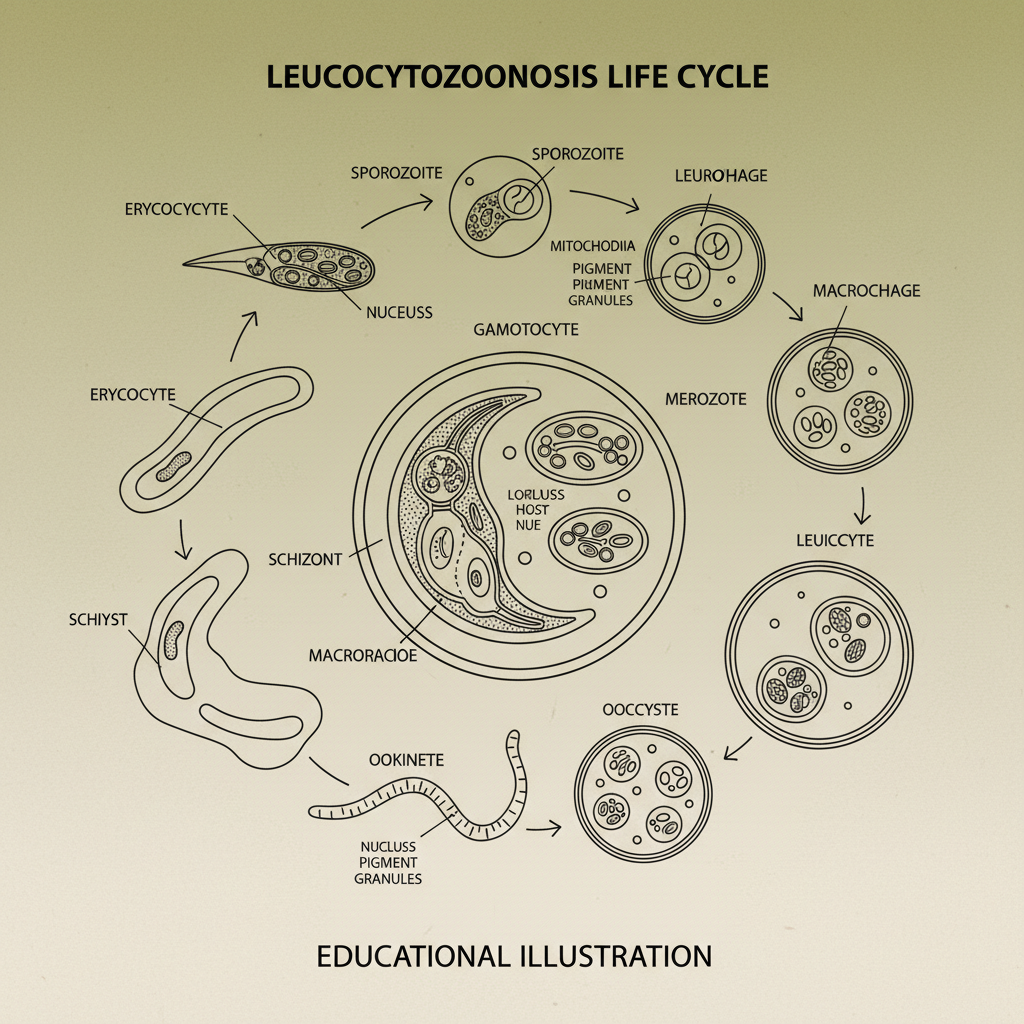
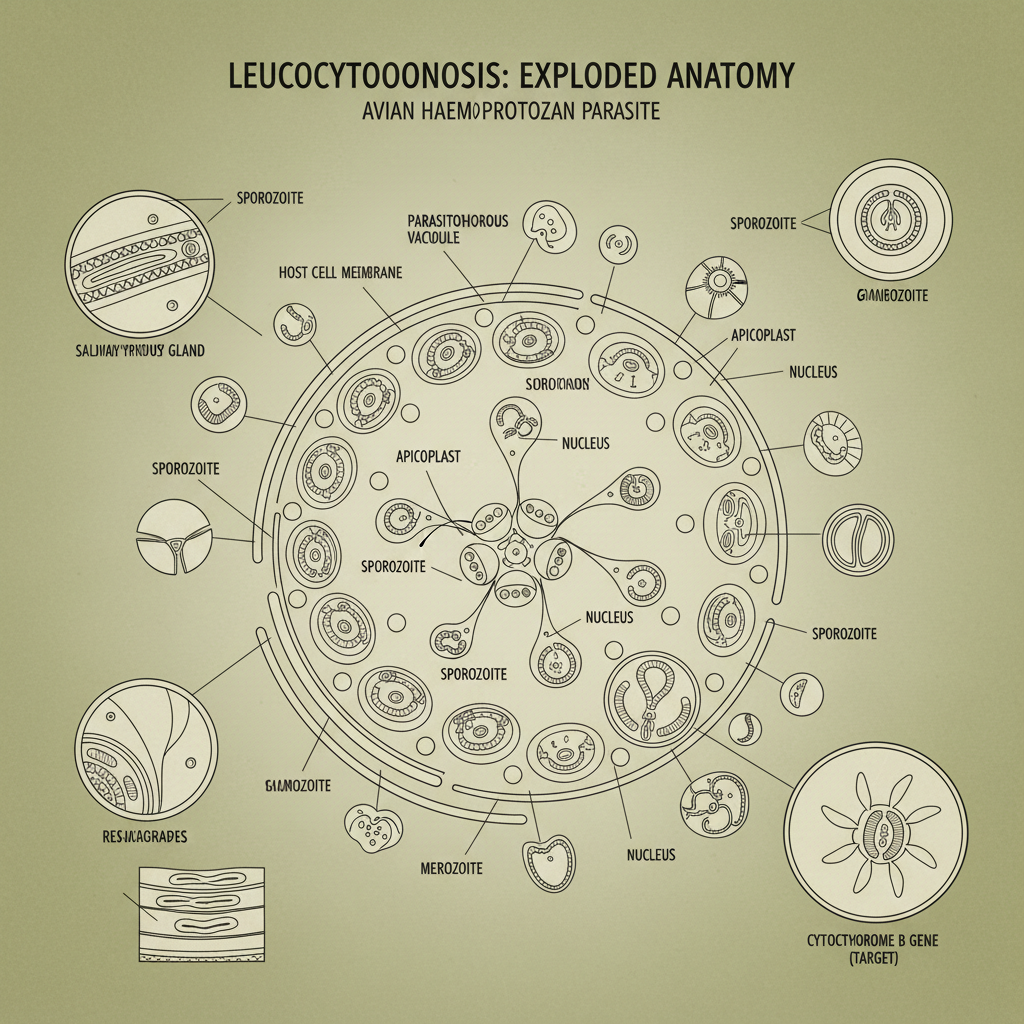
Essentially, leucocytozoonosis is a parasitic disease affecting birds, particularly poultry. It's caused by protozoan parasites of the genus Leucocytozoon, transmitted by biting black flies. Think malaria, but for chickens, turkeys, and other birds. It’s not directly a human health threat, but the economic consequences of outbreaks are significant.
Its connection to modern industry is huge. The poultry industry is a massive global market. Maintaining healthy flocks is vital for food production and economic stability. Outbreaks of leucocytozoonosis lead to significant financial losses for farmers, disruptions in the supply chain, and potential increases in food prices.
It’s also important in conservation. Wild bird populations are also susceptible, and widespread outbreaks can threaten endangered species. So, it's not just about keeping chickens alive, it's about protecting biodiversity too.
Core Components of leucocytozoonosis
The disease progression hinges on several key factors. Firstly, the specific Leucocytozoon species involved dictates the severity and symptoms. Secondly, the bird’s age and immune status play a crucial role. Young chicks are far more vulnerable than mature, vaccinated birds.
Then you have the vector – the black fly. Their breeding habitats, flight patterns, and biting rates all contribute to transmission dynamics. Controlling the fly population is a huge component of prevention, but incredibly difficult. Strangely enough, even the weather plays a part – warmer, humid conditions favor black fly proliferation.
Finally, biosecurity practices on farms are paramount. Maintaining clean environments, controlling access, and implementing strict hygiene protocols can significantly reduce the risk of outbreaks. It's the mundane stuff that often makes the biggest difference, to be honest.
Global Applications of leucocytozoonosis
Monitoring and controlling leucocytozoonosis is vital in commercial poultry production across Asia, Africa, and South America. These regions often have favorable climates for black fly breeding and may lack the resources for comprehensive biosecurity measures. The application of advanced diagnostic tools helps in the early detection and rapid response.
Research institutions worldwide are focused on developing effective vaccines and treatment strategies. Universities in Europe and North America are at the forefront of this research, but the challenge is adapting these solutions to the specific conditions in developing countries.
In post-disaster relief operations, maintaining poultry health is crucial for restoring food security and livelihoods. NGOs often include veterinary support as part of their emergency response packages. It’s often overlooked, but incredibly important for long-term recovery.
leucocytozoonosis Control Method Effectiveness
Advantages and Long-Term Value
Proactive leucocytozoonosis management leads to significant cost savings for poultry farmers. Reduced mortality rates, improved feed conversion efficiency, and increased egg production all contribute to higher profitability. It's a direct financial benefit.
From a sustainability perspective, minimizing disease outbreaks reduces the need for antibiotic use, which combats antimicrobial resistance – a growing global health concern. That's a win for everyone, and frankly, it's the right thing to do.
Future Trends in leucocytozoonosis
Genetic research is showing promise in identifying birds with enhanced resistance to leucocytozoonosis. Breeding programs focused on these traits could lead to more resilient flocks. It's slow going, but it's a long-term solution.
Digital surveillance systems using AI and machine learning are being developed to predict and track outbreaks in real-time. These systems analyze data from multiple sources – weather patterns, fly populations, farm reports – to provide early warnings.
We are also looking into the use of drones for targeted insecticide application to control black fly populations. It's still experimental, but the potential for precision control is exciting.
Challenges and Solutions
One of the biggest challenges is the lack of comprehensive surveillance data in many regions. Without accurate information on disease prevalence and distribution, it’s difficult to implement effective control strategies. Anyway, I think, better data collection and sharing are crucial.
Another hurdle is the development of drug resistance in Leucocytozoon parasites. Continuous monitoring of drug efficacy and research into new treatment options are essential. You've got to stay one step ahead.
The cost of implementing biosecurity measures can be prohibitive for small-scale farmers. Providing financial assistance and training programs can help them adopt best practices. Later… Forget it, I won't mention the politics of subsidies.
leucocytozoonosis Management Strategies
| Strategy |
Implementation Cost |
Effectiveness Level (1-10) |
Maintenance Effort |
| Vaccination Programs |
Medium |
8 |
High |
| Biosecurity Protocols |
Low |
7 |
Medium |
| Vector Control (Insecticides) |
Medium |
6 |
Medium |
| Genetic Selection |
High |
9 |
Low |
| Surveillance & Early Detection |
Low |
7 |
Medium |
| Improved Farm Hygiene |
Low |
6 |
High |
FAQS
Chickens infected with leucocytozoonosis often display symptoms like fever, lethargy, loss of appetite, and jaundice. You'll also see pale combs and wattles. In severe cases, birds can exhibit neurological signs like incoordination and paralysis. It’s often mistaken for other poultry diseases, making early diagnosis crucial. Proper testing is vital, and often requires sending samples to a specialized lab. The speed of diagnosis impacts the success of treatment and limits the spread.
Prevention focuses on breaking the transmission cycle. Controlling black fly populations is paramount – using insecticides responsibly, managing breeding habitats, and implementing protective netting. Strict biosecurity measures, including limiting access to the farm, disinfecting equipment, and isolating new birds, are essential. Vaccination is an option, but vaccine efficacy varies. Regular monitoring of flocks for early signs of disease is also vital.
No, leucocytozoonosis is not known to be transmissible to humans. The Leucocytozoon parasites are highly specific to avian hosts. While it doesn’t pose a direct health risk to people, it has significant economic impacts due to losses in poultry production. It's a concern for food security, not human health.
Treatment options are limited. Currently, there are no commercially available drugs specifically licensed to treat leucocytozoonosis. Supportive care, such as providing fluids and vitamins, can help affected birds. In some cases, antibiotics may be used to prevent secondary bacterial infections. Prevention is always better than treatment.
Climate change is exacerbating the spread of leucocytozoonosis. Warmer temperatures and increased humidity create favorable conditions for black fly breeding, extending their range and increasing their populations. Changes in rainfall patterns can also influence black fly habitats. It's making control efforts more challenging.
Biosecurity is the most important factor in preventing leucocytozoonosis outbreaks. This includes controlling access to the farm, disinfecting vehicles and equipment, implementing strict hygiene protocols for personnel, and quarantining new birds. Even something as simple as preventing wild birds from accessing poultry houses can make a difference.
Conclusion
So, leucocytozoonosis is a complex disease with significant economic and ecological implications. Effective management requires a multifaceted approach – combining surveillance, prevention, and research. It’s not a glamorous field, let me tell you, but it’s crucial for ensuring food security and protecting biodiversity.
Ultimately, whether this thing works or not, the worker will know the moment he tightens the screw. You can spend all day in a lab, running tests and building models, but at the end of the day, it comes down to someone on the ground, looking at a bird, and knowing something's not right. And that’s the real test. Visit our website at www.zthjpharma.com to learn more.