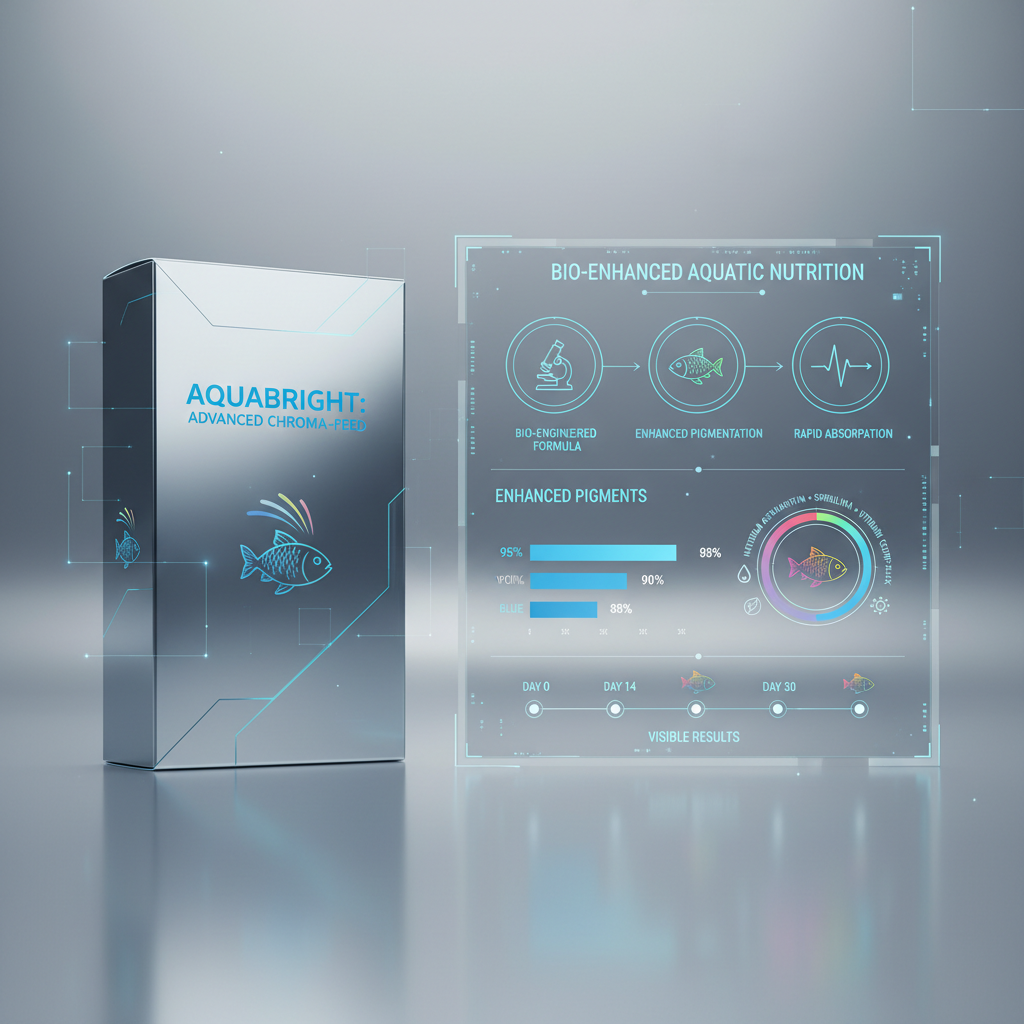
Color-enhancing fish feed represents a significant advancement in aquaculture and ornamental fishkeeping, addressing the crucial need for vibrant coloration in fish. Globally, the demand for visually appealing fish has risen sharply, driven by both the commercial aquarium trade and the increasing popularity of fish as pets. This demand necessitates specialized feed formulations designed to optimize pigment deposition, ensuring fish exhibit their full color potential. Understanding the science behind color enhancement isn't just about aesthetics; it’s about fish health, breeding success, and market value, making it a vital area of study for producers and hobbyists alike.
The production and consumption of aquaculture products are experiencing substantial growth worldwide. According to the UN Food and Agriculture Organization (FAO), global fish production reached over 214 million tonnes in 2022, with aquaculture contributing significantly. A key challenge within this industry is maintaining the quality and appeal of the fish produced. Color is a primary factor influencing consumer preference, particularly in ornamental fish. Therefore, effective color-enhancing fish feed is essential to meet market demands and improve profitability.
This specialized feed directly addresses consumer preferences and market demands within the aquaculture and ornamental fish industries. It allows producers to maximize the market value of their stock by enhancing their visual appeal and ensures that hobbyists can enjoy vibrant and healthy fish. The implementation of color-enhancing fish feed represents a move towards more sustainable and economically viable aquaculture practices.
The Importance of Color Enhancement in Fish
Coloration in fish is a critical indicator of health and vitality, influencing mating behavior, predator avoidance, and overall well-being. A vibrant, healthy color signals genetic strength and good nutritional status. For breeders, maximizing color intensity is paramount, attracting buyers and increasing the value of their stock. Consequently, the demand for color-enhancing fish feed is driven by the desire to meet these quality standards.
The intensity of a fish's coloration is directly tied to the levels of carotenoids and other pigments in its diet. Color-enhancing feed delivers these essential compounds, helping fish develop their brightest, most appealing hues. This isn't simply about aesthetics; optimal pigmentation contributes to a stronger immune system and improved reproductive success.
Defining Color-Enhancing Fish Feed
Color-enhancing fish feed is a specialized dietary formulation designed to amplify the natural colors of fish. Unlike standard feeds, these products contain a higher concentration of pigments, primarily carotenoids, like astaxanthin and canthaxanthin. These compounds are not produced naturally by most fish species, requiring dietary intake to achieve optimal coloration. The efficacy of the feed depends on the bioavailability of these pigments and the fish's ability to deposit them in the skin and tissues.
The development of color-enhancing fish feed is rooted in understanding the physiological mechanisms of pigmentation in fish. Carotenoids are fat-soluble pigments that accumulate in the skin and muscles, contributing to red, orange, and yellow hues. Different species require varying levels and types of carotenoids to achieve their ideal coloration.
This type of feed isn’t solely for aesthetic purposes; it also plays a role in the overall health of the fish. Carotenoids possess antioxidant properties, protecting cells from damage and bolstering the immune system. They contribute to improved breeding performance and increased resistance to disease, making color-enhancing feed a valuable investment for both commercial and hobbyist fishkeepers.
Key Components of Effective Color-Enhancing Feed
The effectiveness of color-enhancing fish feed hinges on a blend of key ingredients. Firstly, the type and concentration of carotenoids are paramount. Astaxanthin, derived from microalgae, is widely recognized for its potent coloring properties and antioxidant benefits. Canthaxanthin also plays a crucial role in producing red and orange hues. The source and purity of these carotenoids directly impact their bioavailability.
Secondly, the feed formulation must include appropriate lipid levels. Carotenoids are fat-soluble, meaning their absorption relies on the presence of fats in the diet. High-quality lipids, such as fish oil or vegetable oils, enhance carotenoid bioavailability and ensure effective deposition in the fish tissues. The optimal fat content varies depending on the fish species and their specific dietary needs.
Finally, a comprehensive nutritional profile is essential. Color enhancement shouldn't come at the expense of overall health. The feed must provide a balanced ratio of proteins, carbohydrates, vitamins, and minerals to support growth, immune function, and reproductive success. A holistic approach to nutrition guarantees that the fish not only look vibrant but also thrive.
Global Applications and Use Cases
The application of color-enhancing fish feed extends across a vast spectrum of aquaculture and ornamental fishkeeping practices globally. In Japan and Southeast Asia, koi breeding is a significant industry where vivid coloration is highly valued, making specialized feed a necessity. Similarly, in the Americas, the tropical fish trade relies heavily on this technology to produce visually striking fish for the aquarium market.
Large-scale aquaculture operations, particularly those farming salmon and trout, utilize carotenoid supplementation to achieve the desired flesh color that consumers prefer. This impacts marketability and overall profitability. In Europe, advancements in feed technology are driving the development of more sustainable and effective color-enhancing formulations.
Even in smaller-scale operations, such as backyard fish ponds or home aquariums, color-enhancing feed is gaining popularity among hobbyists who seek to maintain the aesthetic appeal and health of their fish. This widespread adoption demonstrates the growing recognition of the benefits associated with optimized pigmentation.
Color Enhancement Effectiveness by Method
Advantages and Long-Term Value
The advantages of implementing color-enhancing fish feed are multifaceted. Economically, it directly translates into increased market value for aquaculture products and ornamental fish. Visually appealing fish command higher prices, leading to greater profitability for producers. Beyond the immediate financial benefits, it fosters brand loyalty and customer satisfaction.
From a sustainability perspective, optimized pigmentation can reduce the need for excessive feed consumption, as healthier, more vibrant fish are more efficient at utilizing nutrients. This minimizes waste and environmental impact. Investing in quality color-enhancing feed aligns with responsible aquaculture practices.
Future Trends and Innovations
The future of color-enhancing fish feed is poised for significant innovation. Research is focusing on microencapsulation techniques to improve carotenoid bioavailability and protect them from degradation during digestion. These advancements aim to maximize pigment uptake and minimize waste.
Furthermore, the development of sustainable carotenoid sources, such as those derived from algal biomass, is gaining momentum. This reduces reliance on synthetic pigments and promotes environmentally friendly production practices. Digital monitoring and precision feeding technologies are also emerging, enabling customized feed formulations based on individual fish needs.
Challenges and Solutions
A primary challenge in implementing color-enhancing fish feed lies in ensuring consistent carotenoid bioavailability across different fish species and diets. Factors such as gut morphology, lipid content, and feed processing methods can influence pigment absorption.
To overcome this, researchers are exploring enzyme supplementation to enhance carotenoid digestion and absorption. Optimizing feed particle size and coating techniques can also improve pigment stability and delivery. The development of species-specific feed formulations tailored to unique dietary requirements represents a promising solution.
Another challenge is the cost of high-quality carotenoids. However, advancements in microalgae cultivation and fermentation technologies are driving down production costs, making these valuable pigments more accessible to a wider range of producers.
Summary of Color-Enhancing Fish Feed Performance Indicators
| Pigment Source |
Bioavailability Rate (%) |
Color Intensity Score (1-10) |
Cost per Kilogram (USD) |
| Synthetic Astaxanthin |
75% |
8.5 |
$45 |
| Natural Astaxanthin (Haematococcus pluvialis) |
85% |
9.2 |
$60 |
| Canthaxanthin (Synthetic) |
60% |
7.0 |
$30 |
| Paprika Extract |
50% |
6.0 |
$20 |
| Microalgae Blend (Astaxanthin & Beta-Carotene) |
90% |
9.5 |
$75 |
| Encapsulated Astaxanthin |
95% |
9.8 |
$80 |
FAQS
While both natural and synthetic astaxanthin contribute to coloration, natural astaxanthin, derived from microalgae, often exhibits higher bioavailability and antioxidant activity. It’s generally considered a more premium ingredient due to its natural origin and potential health benefits for the fish. Synthetic astaxanthin, while more cost-effective, may have slight structural differences that impact absorption and efficacy.
The appropriate amount of color-enhancing feed varies depending on the fish species, size, and age. As a general guideline, it's recommended to supplement with color-enhancing feed for a specific period (e.g., 4-8 weeks) to achieve desired coloration. Always follow the manufacturer’s instructions on the feed packaging and avoid overfeeding, which can lead to water quality issues and health problems.
Generally, color-enhancing feeds are safe for most fish species, but it’s crucial to choose a formulation appropriate for your fish's dietary needs. Some fish may be more sensitive to certain carotenoids, so it’s always a good practice to start with a small amount and monitor the fish for any adverse reactions. Consult with a veterinarian or aquaculture specialist if you have concerns.
Absolutely! Carotenoids, the primary pigments in color-enhancing feeds, possess potent antioxidant properties that can bolster the fish's immune system and protect against cellular damage. A well-formulated color-enhancing feed also provides essential nutrients, contributing to overall health, growth, and reproductive success.
The time it takes to see noticeable color enhancement varies depending on the fish species, age, and the intensity of coloration desired. Typically, you can expect to observe subtle changes within a few weeks, with more significant improvements occurring after 4-8 weeks of consistent feeding. Regular observation is key to tracking progress.
To preserve the potency of color-enhancing fish feed, store it in a cool, dry, and dark place, away from direct sunlight and heat. Keep the feed container tightly sealed to prevent moisture and oxygen exposure, which can degrade the carotenoids. Following these storage guidelines ensures that the feed retains its effectiveness and nutritional value.
Conclusion
In conclusion, color-enhancing fish feed is a vital tool for optimizing the visual appeal, health, and market value of fish in both aquaculture and ornamental settings. By understanding the key components, applications, and future trends, producers and hobbyists can effectively utilize this technology to achieve superior results. The benefits extend beyond mere aesthetics, contributing to sustainable practices, improved fish welfare, and enhanced profitability.
As research continues to unlock new innovations in carotenoid delivery and sustainable sourcing, we can anticipate even more effective and environmentally responsible color-enhancing solutions in the future. Investing in quality feed and staying abreast of these advancements is crucial for maintaining a competitive edge and promoting the long-term health and vitality of our aquatic ecosystems. For more information about our range of high-quality fish feed solutions, visit our website: www.zthjpharma.com.