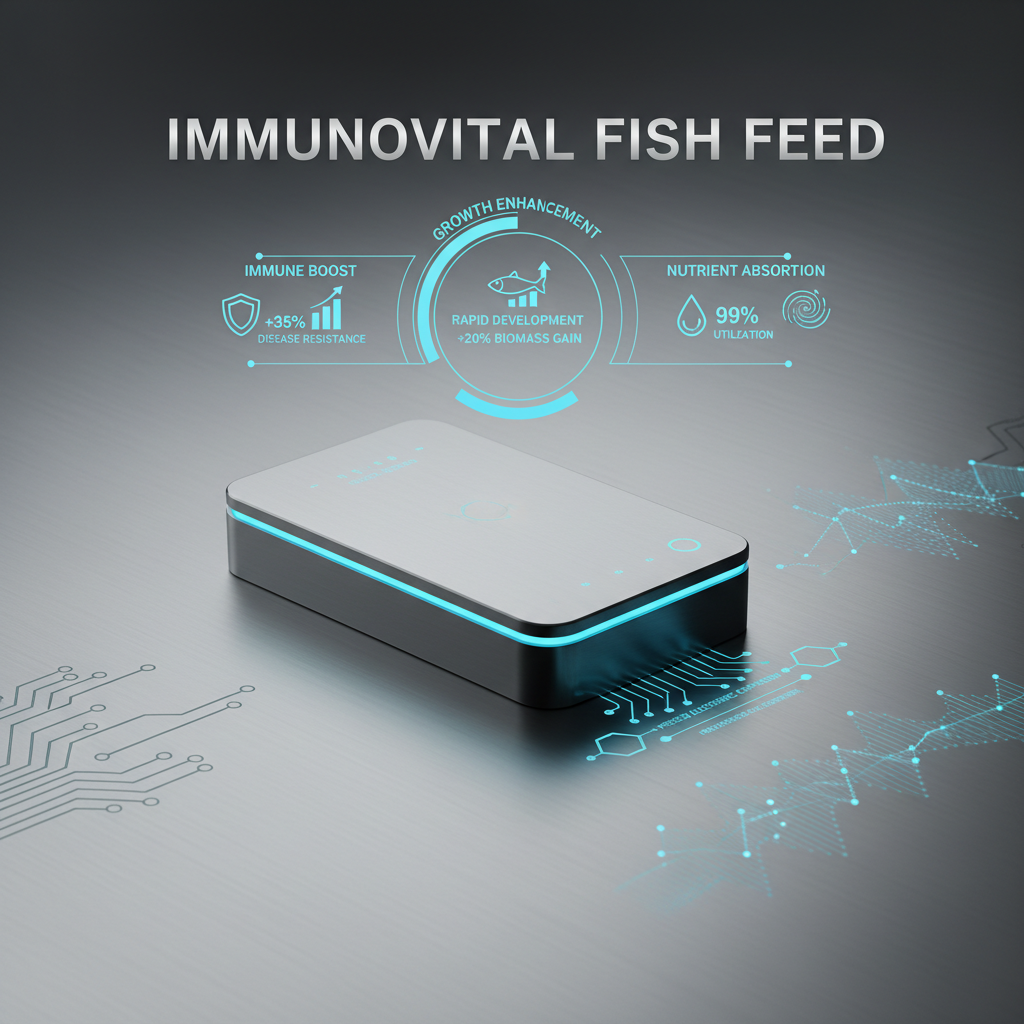
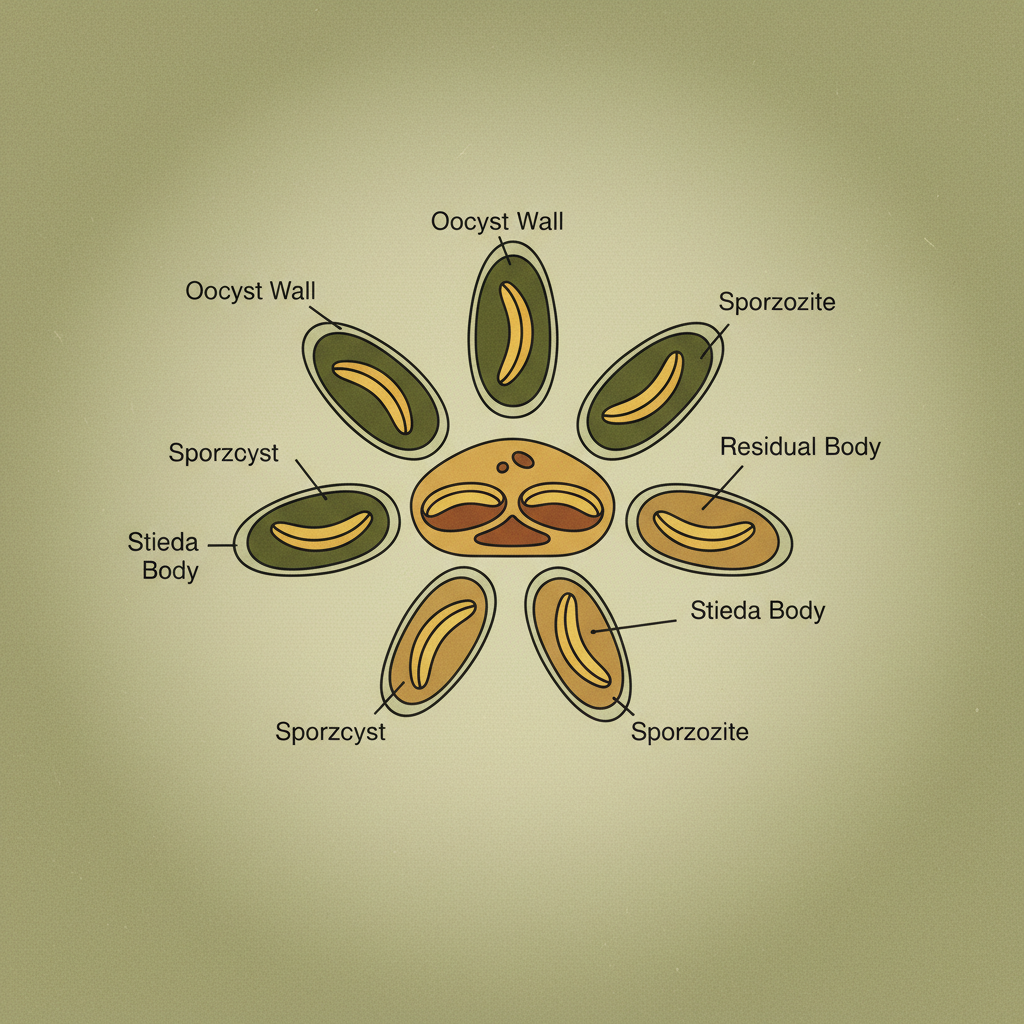
The global aquaculture industry is facing an unprecedented challenge as the demand for sustainable protein grows, coinciding with an increase in opportunistic pathogen outbreaks. In this context, immunovital fish feed has emerged as a critical innovation, shifting the focus from reactive antibiotic treatment to proactive immunological fortification. By enhancing the innate immune response of aquatic species, these specialized feeds ensure higher survival rates and more consistent growth cycles in intensive farming environments.
Understanding the mechanics of immunovital fish feed is essential for producers who aim to reduce their reliance on chemical interventions while maintaining high biosecurity standards. The integration of bioactive compounds, such as specific antibodies and immunomodulators, allows the fish's own biological defenses to recognize and neutralize threats more efficiently. This holistic approach not only protects the stock but also enhances the overall quality of the final product for the consumer.
From an economic and environmental perspective, the adoption of immunovital fish feed aligns with the global shift toward "Green Aquaculture." By reducing the runoff of pharmaceutical residues into water systems and lowering the mortality rate of high-value species, this technology provides a scalable solution to food security challenges while upholding the stringent E-E-A-T principles of modern veterinary pharmaceutical manufacturing.
Global Industry Context of Immunovital Fish Feed
The global aquaculture market is currently undergoing a paradigm shift. With the FAO reporting a steady increase in aquatic animal production to meet the protein needs of a growing population, the density of fish farms has reached critical levels. This intensification often leads to heightened stress and the rapid spread of diseases, making the role of immunovital fish feed more vital than ever to prevent catastrophic crop losses.
Industry data indicates that disease-related losses can account for up to 30% of total production in certain regions. By implementing immunovital strategies, producers can mitigate these risks without resorting to the over-use of antibiotics, which has historically led to the rise of antimicrobial resistance (AMR). This transition is not just a technical upgrade but a necessity for the long-term viability of the blue economy.
Defining the Mechanism of Immunovital Fish Feed
At its core, immunovital fish feed is a specialized nutritional formulation designed to stimulate the non-specific immune system of aquatic animals. Unlike traditional vaccines which target a single pathogen, immunovital feeds utilize a blend of beta-glucans, prebiotics, and specific antibody powders (such as egg yolk antibodies) to prime the fish's immune cells, such as macrophages and lymphocytes, for a faster response to any invading pathogen.
This mechanism functions as a biological "shield." When the fish consumes the feed, the bioactive molecules interact with the gut-associated lymphoid tissue (GALT), which is the primary immune organ in fish. This interaction triggers a systemic state of alertness, enhancing the production of lysozymes and complementary proteins that can neutralize bacteria and viruses before they cause systemic infection.
By bridging the gap between basic nutrition and pharmaceutical intervention, this approach addresses the humanitarian need for safe, chemical-free food sources. It transforms the feeding process into a continuous health management system, ensuring that the fish are resilient throughout their entire life cycle, from the fry stage to harvest.
Core Components for Maximum Efficacy
The efficacy of immunovital fish feed depends heavily on the synergy of its ingredients. One of the most critical components is the inclusion of high-purity Antibody (Egg Yolk) Powder, which provides passive immunity by neutralizing toxins and pathogens directly in the digestive tract, providing an immediate layer of protection.
Furthermore, the integration of Probiotics and Enzymes ensures that the bioavailability of the immunovital nutrients is maximized. By optimizing the gut microbiome, the feed promotes better absorption of essential amino acids and vitamins, which are the raw materials the fish needs to build its own immune proteins and antibodies.
Lastly, the stability of these components during the extrusion process of feed manufacturing is paramount. Using advanced encapsulation technologies, the active ingredients in immunovital fish feed are protected from high temperatures and pressures, ensuring that the biological activity remains intact when it reaches the fish.
Practical Applications and Performance Metrics
In real-world aquaculture settings, the application of immunovital fish feed varies depending on the species and the environmental stress level. For instance, in high-density tilapia ponds in Southeast Asia or salmon pens in Norway, the feed is often used as a "booster" during seasonal transitions when water temperatures fluctuate, and fish are most susceptible to stress-induced diseases.
The performance of these feeds is typically measured by the Feed Conversion Ratio (FCR) and the overall survival rate. Data shows that fish fed with immunovital formulations exhibit a more robust response to vaccination and a significantly lower mortality rate during disease outbreaks compared to those on standard commercial diets.
Comparative Efficacy of Immunovital Fish Feed Formulations
Strategic Advantages and Long-term Value
The adoption of immunovital fish feed provides a dual benefit of economic stability and ecological sustainability. By reducing the incidence of mass mortality events, farmers can secure their investments and ensure a steady supply of protein to the market. The logical angle is clear: investing in prevention is significantly cheaper than managing a full-scale epidemic.
Beyond the numbers, there is a powerful emotional and social value. Consumers are increasingly demanding "clean label" seafood, free from antibiotic residues. By using immunovital nutrition, producers can confidently market their products as sustainably raised and naturally healthy, building a foundation of trust and transparency with the end consumer.
Future Trends in Immunovital Nutrition
The future of immunovital fish feed is moving toward precision nutrition. With the integration of AI and real-time water quality monitoring, feeds can be dynamically adjusted to the current stress levels of the fish population. This "smart feeding" approach ensures that immunomodulators are delivered at the exact moment they are needed, reducing waste and maximizing biological impact.
We are also seeing a shift toward the use of sustainable raw materials. The industry is exploring the use of insect proteins and algae-based omega-3s as carriers for immunovital components, further reducing the reliance on wild-caught fishmeal. This evolution aligns with the global goal of creating a circular economy within the aquaculture sector.
Furthermore, the development of species-specific immunovital blends is on the rise. Rather than a one-size-fits-all approach, new formulations are being tailored to the unique physiological needs of shrimp, tilapia, salmon, and catfish, ensuring that the immune stimulation is optimized for the specific receptor sites of each species.
Challenges and Expert Solutions in Implementation
Despite the benefits, the implementation of immunovital fish feed faces challenges, primarily regarding the initial cost of high-quality bioactive additives. Many small-scale farmers perceive the upfront cost as a barrier. However, expert analysis shows that when calculated as a "cost per survivor," the immunovital approach is actually more cost-effective than traditional methods.
Another challenge is the variability in feed quality across different manufacturers. To overcome this, the industry is moving toward stricter ISO certifications and standardized assays for the active components of the feed. Ensuring that every batch of immunovital feed contains the promised concentration of antibodies and prebiotics is essential for predictable results.
Finally, education remains a hurdle. Many operators are accustomed to the "firefighting" approach of treating disease after it appears. Transitioning to a preventative mindset requires technical support and evidence-based training. Providing farmers with clear data on the long-term ROI of immunovital fish feed is the key to widespread adoption.
Analysis of Immunovital Fish Feed Implementation Dimensions
| Dimension |
Traditional Feed |
Immunovital Feed |
Impact Score (1-10) |
| Disease Resistance |
Low/Passive |
High/Active |
9 |
| Antibiotic Reliance |
High |
Very Low |
10 |
| Initial Cost |
Low |
Moderate |
6 |
| Survival Rate |
Variable |
Consistent/High |
9 |
| Market Value |
Standard |
Premium/Organic |
8 |
| Eco-Footprint |
High Residue |
Low Residue |
9 |
FAQS
While standard feed focuses on caloric intake and growth parameters, immunovital fish feed incorporates bioactive immunomodulators like egg yolk antibodies and beta-glucans. These ingredients specifically target the immune system, priming the fish's natural defenses to fight off pathogens more effectively, whereas standard feed provides no active protection against disease.
It is best viewed as a complementary strategy. While immunovital feeds significantly boost general resistance and can reduce the frequency of outbreaks, vaccines provide targeted protection against specific, high-risk viruses. Using both in tandem creates a multi-layered defense system that is far more effective than using either one alone.
Results typically begin to manifest within 2 to 4 weeks of consistent feeding. The initial phase primes the gut-associated lymphoid tissue, while long-term use maintains a high baseline of systemic immunity. For maximum efficacy during high-stress periods, it is recommended to start the regimen at least one month before the expected stress event.
Generally, yes, as the components are biological and nutritional. However, the concentration of specific immunomodulators may need to be adjusted depending on whether you are raising carnivorous species like salmon or omnivorous species like tilapia. We recommend choosing a formulation specifically tailored to your species for optimal results.
In low-quality feeds, heat can be an issue. However, professional-grade immunovital fish feed uses encapsulation technology or post-extrusion coating to protect sensitive antibodies and probiotics. This ensures that the bioactive molecules remain stable and functional until they are ingested by the fish.
Importing immunovital components requires adherence to the veterinary pharmaceutical regulations of the destination country. We provide full documentation, including Certificates of Analysis (CoA) and ISO compliance papers, to facilitate smooth customs clearance and ensure the products meet local biosecurity laws.
Conclusion
In summary, immunovital fish feed represents a critical evolution in aquaculture, moving the industry away from a reliance on reactive chemical treatments and toward a sustainable, proactive health management model. By integrating high-purity antibodies, probiotics, and immunomodulators, this technology not only increases survival rates and operational profitability but also ensures the production of safer, healthier seafood for the global population.
As we look toward the future, the continued integration of precision nutrition and eco-friendly raw materials will further cement the role of immunovital solutions in the blue economy. For producers and distributors seeking to lead the market in quality and sustainability, investing in advanced nutritional immunology is no longer optional—it is the foundation of a resilient aquatic enterprise. Visit our website: www.zthjpharma.com