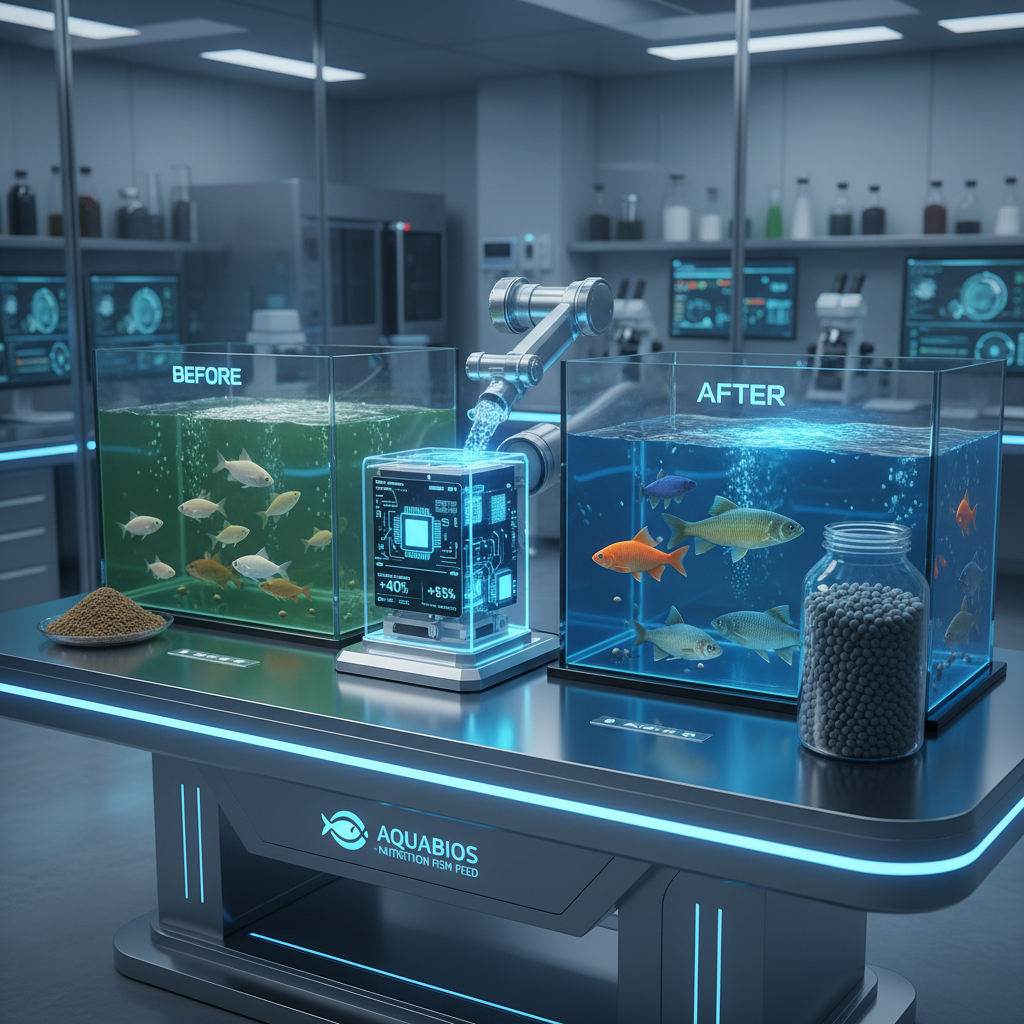
The aquaculture industry has undergone a massive transformation, shifting from traditional pond methods to intensive farming systems that demand high-precision inputs. Central to this evolution is the development of nutrition fish feed, which acts as the primary driver for growth, immune health, and overall survival rates in aquatic species. As global demand for sustainable protein rises, the science of fish nutrition has moved beyond simple caloric intake toward a holistic approach involving micronutrients and bio-available proteins.
On a global scale, the reliance on wild-caught fishmeal has created an ecological imbalance, pushing manufacturers to innovate with sustainable alternatives like insect proteins and algae-based omega-3s. This shift is not merely an environmental choice but an economic necessity, as the cost of raw materials fluctuates wildly. Understanding the intricacies of nutrition fish feed allows farm operators to optimize their Feed Conversion Ratio (FCR), directly impacting the profitability and scalability of their operations.
However, the challenge remains in balancing rapid growth with long-term fish welfare. Poorly formulated diets can lead to metabolic disorders, increased susceptibility to pathogens, and water quality degradation. By focusing on advanced nutritional profiles—integrating vitamins, minerals, and probiotics—the industry can ensure a stable food supply chain that meets international safety standards and provides high-quality nutritional value to the end consumer.
Global Relevance of Nutrition Fish Feed
The global aquaculture market is expanding at an unprecedented rate, with the FAO reporting that aquaculture now provides more than half of the fish consumed by humans. In this context, nutrition fish feed has become the cornerstone of food security. Without precisely engineered feeds, the industry would be unable to support the high-density populations required to meet the protein needs of a growing global population.
Beyond production volumes, the global relevance extends to environmental stewardship. Transitioning toward "low-trophic" ingredients in feed reduces the pressure on oceanic forage fish, creating a circular economy. By optimizing the nutrient delivery systems, manufacturers can reduce nitrogen and phosphorus discharge into surrounding waters, mitigating the risk of eutrophication and protecting fragile marine ecosystems.
Defining Modern Nutrition Fish Feed
At its simplest, nutrition fish feed is a scientifically formulated blend of proteins, lipids, carbohydrates, vitamins, and minerals designed to meet the specific physiological needs of different fish species at various life stages. Unlike generic feed, modern nutritional formulations are tailored to the metabolic rates of the target species—whether it be the high-protein requirement of carnivorous salmonids or the carbohydrate-tolerant nature of omnivorous tilapia.
In the modern industrial context, this means moving beyond mere "filling" to "functional nutrition." This involves the inclusion of immunostimulants, antioxidants, and enzymes that improve the digestibility of plant-based proteins. The goal is to ensure that the fish not only grow quickly but possess a robust immune system capable of resisting common aquatic pathogens without the over-reliance on antibiotics.
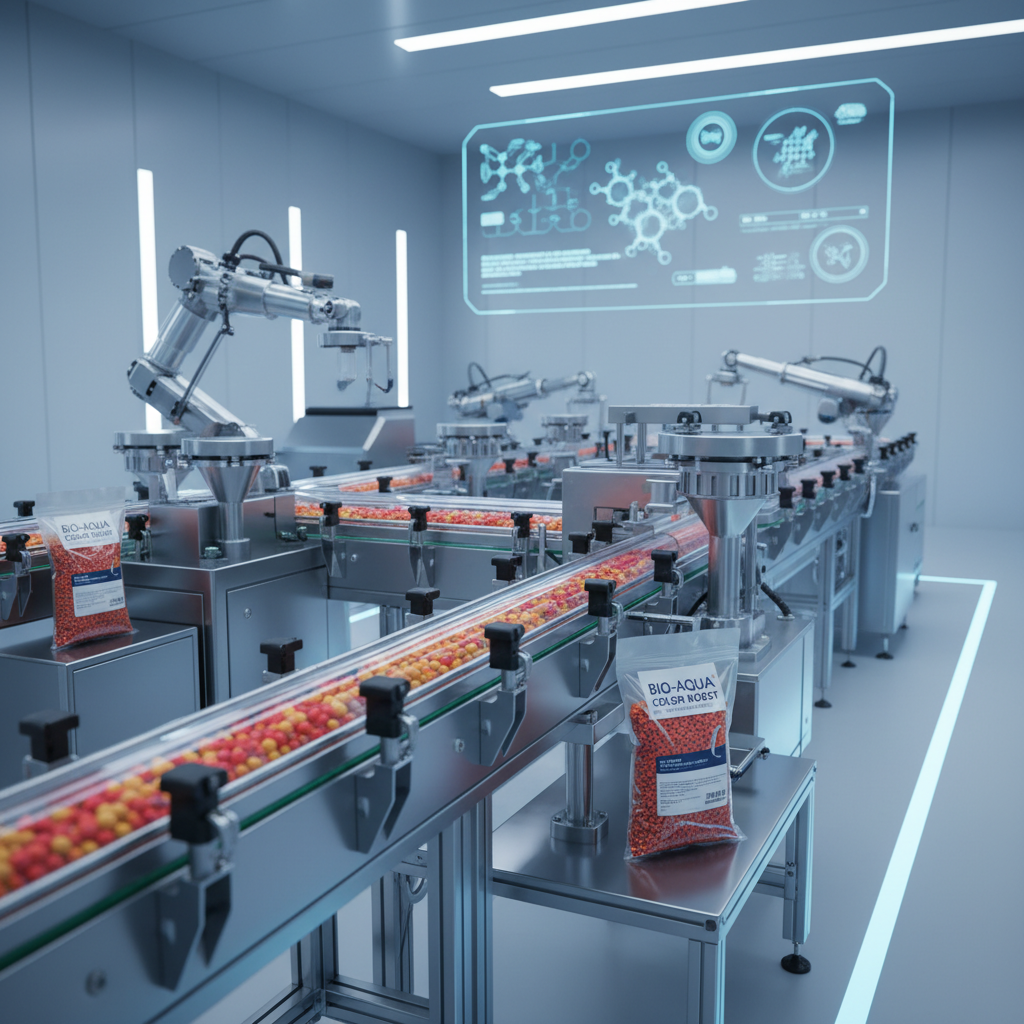
Furthermore, the definition of high-quality feed now includes the physical properties of the pellet. Water stability, buoyancy control, and pellet durability are critical; if a feed dissolves too quickly, the nutrients are lost to the environment before the fish can ingest them. Therefore, modern nutrition is a marriage of biochemistry and materials science, ensuring that the right nutrients reach the fish in the most efficient manner possible.
Core Components of High-Quality Feed
The primary pillar of any nutrition fish feed is the protein profile. Amino acids, particularly lysine and methionine, must be balanced to support muscle development and tissue repair. While fishmeal remains the gold standard for digestibility, the industry is increasingly integrating soy protein concentrates and fermented plant proteins to maintain growth rates while lowering costs.
Lipids serve as the concentrated energy source and provide essential fatty acids, specifically EPA and DHA. Because many farmed species cannot synthesize these omega-3s, they must be provided via the nutrition fish feed. The challenge lies in preventing lipid oxidation, which can lead to rancidity and toxicity, requiring the addition of natural tocopherols and synthetic antioxidants.
Finally, the "micro-nutritional" aspect—vitamins and trace minerals—acts as the catalyst for all biological processes. Zinc, Selenium, and Vitamin C are critical for skin integrity and stress response. Without these micronutrients, fish often exhibit stunted growth or "broken back" syndromes, proving that caloric density is meaningless without a balanced micronutrient matrix.
Performance Metrics in Feed Application
To evaluate the effectiveness of a nutrition fish feed, producers rely on the Feed Conversion Ratio (FCR). A lower FCR indicates that the fish are converting feed into body mass more efficiently, which reduces waste and overhead. For instance, a high-performance feed might achieve an FCR of 1.1:1, meaning only 1.1kg of feed is needed to produce 1kg of fish.
Another critical metric is the Specific Growth Rate (SGR), which measures the percentage increase in weight over a set period. By comparing SGR across different feed formulations, nutritionists can pinpoint exactly which ingredient adjustments—such as increasing the lipid percentage or adding a specific enzyme—lead to the fastest healthy growth.
Comparative Efficiency of Nutrition Fish Feed Formulations
Global Use Cases and Regional Adaptation
The application of nutrition fish feed varies significantly by region. In Southeast Asia, where tilapia and pangasius farming dominate, feeds are often formulated with higher carbohydrate levels and local agricultural by-products to keep costs low while maintaining steady growth. In these regions, the focus is on accessibility and stability of the feed supply chain.
Conversely, in the cold-water aquaculture of Norway and Chile, the focus is on high-energy nutrition fish feed for Atlantic Salmon. These feeds are heavily enriched with marine oils to ensure the fish maintain the omega-3 levels that consumers expect. In these high-tech industrial zones, automated feeding systems are used to deliver precisely timed doses, minimizing waste and maximizing nutrient uptake.
Long-term Value and Sustainability
The long-term value of investing in premium nutrition fish feed extends beyond the immediate harvest. By providing a balanced diet, farmers reduce the occurrence of diseases, which in turn minimizes the need for chemical interventions. This leads to a "cleaner" product that fetches a higher market price and earns the trust of health-conscious consumers worldwide.
Sustainability is the logical endpoint of nutritional innovation. The development of single-cell proteins (SCP) derived from methane or bacteria is paving the way for a completely decoupled feed industry—one that no longer relies on the ocean for its primary protein sources. This shift ensures that aquaculture can continue to grow without compromising the biodiversity of our oceans.
Moreover, the social impact is profound. In developing nations, the availability of affordable, high-nutrition fish feed allows small-scale farmers to increase their yield, providing a stable source of income and high-quality protein for their local communities. This intersection of commercial viability and humanitarian benefit is where the true value of aquatic nutrition lies.
Future Innovations in Aquatic Nutrition
The future of nutrition fish feed is being shaped by "precision nutrition." Using AI and real-time sensor data, feeding systems can now adjust the nutrient composition of the feed based on the water temperature, dissolved oxygen levels, and the actual appetite of the fish. This eliminates overfeeding and ensures that the fish receive exactly what they need at each biological milestone.
Another burgeoning field is the use of CRISPR and biotechnology to create "enhanced" ingredients. For example, genetically modified oilseeds that produce fish-like omega-3s are reducing the need for fish oil. Additionally, the integration of nano-encapsulated vitamins ensures that sensitive nutrients are not degraded during the extrusion process, providing a more potent dose to the animal.
Finally, the industry is moving toward "Circular Feed Systems." This involves recycling nutrients from aquaculture waste and converting them back into feed through insect farming (e.g., Black Soldier Fly larvae). This closed-loop approach represents the pinnacle of sustainable nutrition fish feed, turning waste into wealth.
Analysis of Future Nutrition Fish Feed Technologies
| Technology Type |
Primary Benefit |
Implementation Cost |
Sustainability Score |
| AI Precision Feeding |
Zero Waste/Optimized FCR |
High |
9/10 |
| Insect Protein |
Low Fishmeal Reliance |
Medium |
10/10 |
| Nano-Encapsulation |
High Nutrient Bio-availability |
Medium |
7/10 |
| Algal Oil Replacement |
Vegan Omega-3 Source |
High |
9/10 |
| Probiotic Coating |
Enhanced Gut Health |
Low |
8/10 |
| Bacterial Single-Cell Protein |
Infinite Scalability |
Very High |
10/10 |
FAQS
Professional nutrition fish feed is formulated using precise biochemistry to ensure the exact ratio of amino acids and lipids required for growth. Homemade feeds often lack essential micronutrients (like Vitamin C and Selenium) and have poor water stability, leading to nutrient leaching and water pollution, which can ultimately stunt fish growth and increase disease risk.
Feed typically accounts for 50-70% of total operational costs in aquaculture. A lower FCR means you are producing more fish with less feed. For example, moving from an FCR of 1.5 to 1.2 can reduce your feed expenditure by 20%, directly increasing your net profit per harvest while reducing the environmental load on your ponds.
While fully replacing fishmeal is challenging for carnivorous species, the industry is getting close. By combining soy protein concentrates, insect meal, and algal oils, we can recreate the nutrient profile of fishmeal. Many modern nutrition fish feed products now contain over 70% non-marine proteins without compromising growth rates.
Feed should be changed based on the life stage of the fish. Fry and fingerlings require much higher protein levels for rapid development, whereas grower and finisher feeds focus more on energy density and weight gain. Transitioning these profiles every 2-3 months (depending on the species) ensures optimal metabolic efficiency.
Yes, significantly. The size and density of the feed must match the mouth gape of the fish. More importantly, the "sink rate" must be calibrated to where the fish feed in the water column. High-quality nutrition fish feed uses specialized binders to ensure the pellet remains intact long enough for the fish to consume it.
Importing requires adherence to local veterinary and customs regulations regarding animal proteins. We recommend working with a supplier that provides full COA (Certificate of Analysis) and MSDS documentation. Ensuring the feed is packaged in moisture-proof, UV-resistant bags is critical for maintaining nutrient stability during long-distance shipping.
Conclusion
In summary, nutrition fish feed is far more than a simple commodity; it is a complex biological tool that determines the health, growth, and sustainability of the global aquaculture industry. By balancing essential proteins, lipids, and micronutrients while integrating sustainable alternative ingredients, producers can optimize their FCR and ensure the production of high-quality, healthy fish. The transition from generic feeding to precision nutrition represents a critical leap toward ecological balance and economic profitability.
Looking ahead, the integration of AI-driven feeding and circular nutrient economies will redefine how we nourish aquatic species. For farm operators and distributors, the key to long-term success lies in adopting feeds that prioritize not just growth speed, but metabolic health and environmental compatibility. We encourage you to explore the latest advancements in aquatic nutrition to future-proof your operations. Visit our website for more professional solutions: www.zthjpharma.com