tylosin is a macrolide antibiotic primarily utilized in veterinary medicine, playing a crucial role in livestock health and production worldwide. Its importance stems from its effectiveness against a range of Gram-positive bacteria, particularly those impacting poultry, swine, and cattle. Understanding tylosin is vital for ensuring animal welfare, optimizing agricultural yields, and maintaining public health by mitigating the risk of antibiotic resistance.
Globally, the demand for animal protein continues to rise, driven by population growth and changing dietary habits. This increased demand necessitates efficient and sustainable animal production practices. Tylosin contributes to this by preventing and treating bacterial infections that can hinder growth, reduce feed efficiency, and increase mortality rates in livestock. Furthermore, responsible tylosin use is paramount to combat the escalating threat of antimicrobial resistance.
The strategic application of tylosin not only benefits animal agriculture but also has broader economic implications, supporting food security and livelihoods across various regions. The continued research and development surrounding its formulation and application is key to maximizing efficacy and minimizing environmental impact.
The Veterinary Significance of tylosin
Tylosin holds a prominent position in veterinary medicine due to its broad-spectrum activity against numerous bacterial pathogens affecting livestock. It's particularly effective against Mycoplasma, Pasteurella, and certain strains of Clostridium, common causes of respiratory disease, digestive disorders, and other infections in animals.
Its application extends beyond treatment, also serving as a growth promoter in certain contexts. The preventative use of tylosin reduces the incidence of disease outbreaks, leading to improved animal performance, reduced reliance on more critical antibiotics, and ultimately, enhanced productivity.
Understanding tylosin’s Mechanism of Action
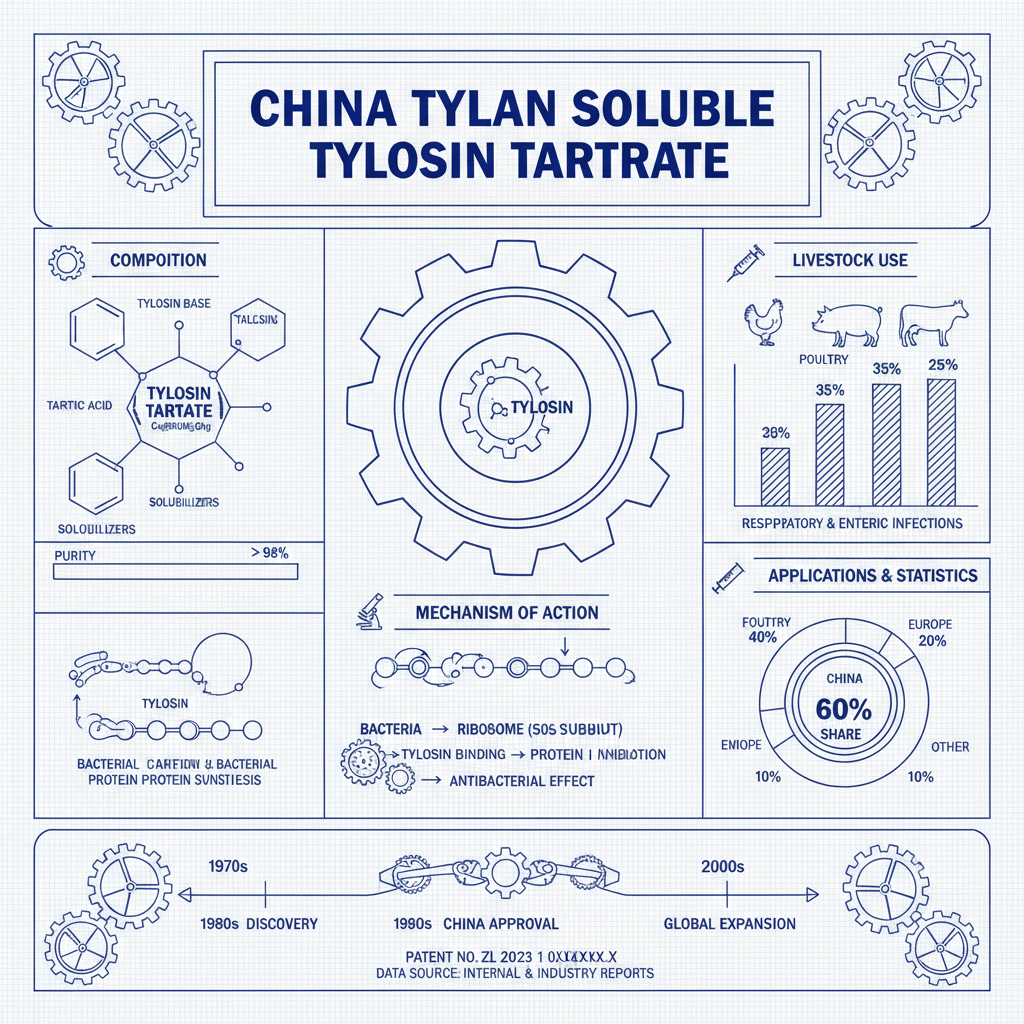
Tylosin, as a macrolide antibiotic, inhibits bacterial protein synthesis. Specifically, it binds to the 23S ribosomal RNA molecule within the bacterial ribosome, preventing the translocation of peptidyl-tRNA, which is essential for adding amino acids to the growing polypeptide chain. This disruption ultimately halts bacterial growth and replication.
This mechanism of action differentiates tylosin from other antibiotic classes, offering a valuable option when resistance to other drugs emerges. However, understanding the specific ribosomal binding site is crucial for predicting and managing potential resistance mechanisms.
The selectivity of tylosin for bacterial ribosomes over mammalian ribosomes contributes to its relatively low toxicity in animals, making it a safe and reliable therapeutic agent when administered correctly.
Key Factors Influencing tylosin Efficacy
Several factors can influence the efficacy of tylosin treatment. Dosage, route of administration, and duration of therapy are critical considerations. Proper dosage is essential to achieve therapeutic concentrations at the site of infection without causing undue side effects.
The pharmacokinetic properties of tylosin, including absorption, distribution, metabolism, and excretion, vary depending on the animal species and formulation used. This necessitates species-specific dosing guidelines to optimize effectiveness. Bioavailability can also be affected by factors such as feed composition and the animal’s gut microbiome.
Furthermore, the susceptibility of the bacterial pathogen to tylosin is paramount. Resistance mechanisms can develop over time, diminishing the drug’s effectiveness. Regular monitoring of bacterial susceptibility patterns is crucial for informed treatment decisions.
Global tylosin Usage and Regional Variations
Global tylosin usage is concentrated in regions with intensive livestock production, such as Asia, North America, and Europe. Poultry and swine industries are the largest consumers, employing tylosin for both prophylactic and therapeutic purposes.
Usage patterns vary significantly across regions due to differing regulatory frameworks, farming practices, and disease prevalence. Some countries have stricter controls on antibiotic use in animal agriculture than others, impacting tylosin consumption levels.
tylosin Consumption by Region (Estimated)
Advantages of tylosin in Animal Husbandry
Tylosin offers several advantages in animal husbandry. Its effectiveness against a wide range of pathogens reduces the incidence of disease, leading to improved animal growth rates and feed efficiency. This translates into increased productivity and profitability for livestock producers.
Compared to some other antibiotics, tylosin exhibits a relatively favorable safety profile, minimizing the risk of adverse effects in treated animals. This makes it a preferred choice in many situations, particularly in young or sensitive livestock.
Future Trends in tylosin Research and Development
Ongoing research focuses on optimizing tylosin formulations to enhance bioavailability and improve efficacy. Nanotechnology and microencapsulation techniques are being explored to deliver the drug more effectively to the site of infection.
Another area of interest is the development of tylosin analogs with improved antimicrobial activity and reduced susceptibility to resistance mechanisms. Combining tylosin with other antimicrobial agents is also being investigated to broaden its spectrum of activity and combat resistance.
Furthermore, research is exploring the potential role of the animal microbiome in modulating tylosin efficacy and resistance development.
Challenges and Mitigation Strategies for tylosin Resistance
The emergence of tylosin resistance is a growing concern. Overuse and misuse of the antibiotic, coupled with the selective pressure exerted on bacterial populations, contribute to the development and spread of resistant strains.
Mitigation strategies include implementing responsible antibiotic stewardship programs, promoting judicious tylosin use, and optimizing animal husbandry practices to minimize the need for antibiotic intervention. Improved diagnostic tools for detecting resistance are also crucial.
Furthermore, research into alternative therapies, such as vaccines, probiotics, and bacteriophages, can reduce reliance on tylosin and other antibiotics, helping to preserve their effectiveness.
Overview of tylosin Resistance Management Strategies
| Resistance Mechanism |
Severity of Impact |
Mitigation Strategy |
Implementation Cost (1-10) |
| Ribosomal Methylation |
High |
Reduce tylosin Usage, Implement Rotation |
4 |
| Efflux Pump Overexpression |
Medium |
Combination Therapy |
6 |
| Target Site Modification |
High |
Develop Novel Antibiotics |
9 |
| Decreased Drug Uptake |
Low |
Improve Formulation |
5 |
| Biofilm Formation |
Medium |
Enhance Cleaning & Disinfection Protocols |
3 |
| Horizontal Gene Transfer |
High |
Implement Biosecurity Measures |
7 |
FAQS
The primary benefit of tylosin in poultry farming is its effective control of mycoplasmal infections, particularly Mycoplasma gallisepticum, which can cause significant respiratory disease and reduced egg production. It also improves feed conversion rates and overall growth performance, contributing to increased profitability. Responsible usage is vital to minimize resistance development.
Tylosin generally exhibits a broader spectrum of activity compared to some other macrolides, particularly against Gram-positive bacteria commonly found in livestock. Its efficacy is comparable to other macrolides but its specific pharmacokinetic properties and distribution patterns influence its performance in different animal species.
Withdrawal periods for tylosin vary depending on the animal species and the country's regulatory guidelines. These periods are established to ensure that drug residues in edible tissues are below acceptable limits, protecting public health. Always consult the product label and local regulations for accurate withdrawal times.
The use of tylosin in organic livestock production is generally prohibited or heavily restricted. Organic standards typically emphasize preventative health measures and limit the use of synthetic antibiotics, favoring natural alternatives. Always refer to the specific organic certification standards for detailed guidelines.
While tylosin is generally well-tolerated, potential side effects can include local irritation at the injection site, diarrhea, and in rare cases, feed refusal. High doses may cause gastrointestinal upset. Proper dosage and administration techniques minimize the risk of adverse effects.
You can contribute by adhering to veterinary guidance on tylosin usage, avoiding prophylactic use unless absolutely necessary, and practicing good biosecurity measures to prevent disease outbreaks. Supporting research into alternative therapies and promoting antibiotic stewardship programs are also crucial steps.
Conclusion
Tylosin remains a vital antibiotic in veterinary medicine, offering significant benefits for livestock health and productivity. Its effectiveness against key pathogens, coupled with its relatively favorable safety profile, makes it a valuable tool for animal producers worldwide. However, the emergence of resistance underscores the importance of responsible usage and ongoing research.
Looking ahead, continued innovation in formulation, delivery, and resistance management strategies will be crucial for preserving the long-term efficacy of tylosin and ensuring its continued contribution to sustainable animal agriculture. Visit our website at www.zthjpharma.com to learn more about our commitment to animal health and responsible antibiotic use.