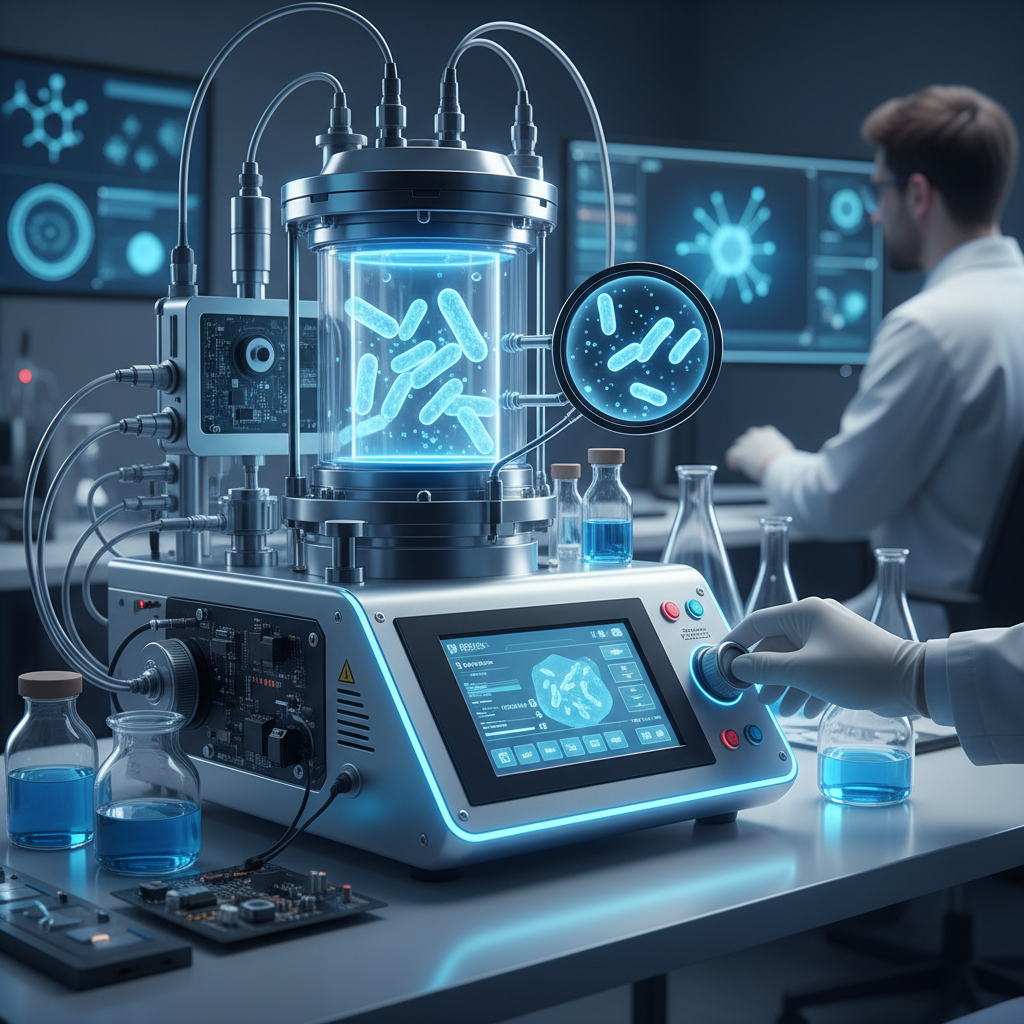
Nitrobacteria. Sounds complicated, right? It’s not. Think of them as tiny, but incredibly powerful, workers that are essential for keeping our world functioning. They’re the unseen engines behind healthy ecosystems and increasingly, vital tools in industries striving for sustainability. Understanding nitrobacteria isn't just for scientists in labs; it's crucial for anyone involved in wastewater treatment, agriculture, aquaculture, and even the emerging field of bioremediation. We're talking about a fundamental process – the nitrogen cycle – and these bacteria are the key players.
The relevance of nitrobacteria stretches far beyond the academic. Globally, we're facing escalating challenges related to water quality, food security, and environmental pollution. According to the UN, over 80% of wastewater worldwide receives no treatment before flowing back into the ecosystem. That's a massive problem, and nitrobacteria offer a natural, efficient solution. The World Bank estimates that investing in wastewater treatment infrastructure yields significant returns, not just environmentally, but economically too. These bacteria aren’t a silver bullet, but they’re a critical component of a more sustainable future.
Essentially, nitrobacteria are microorganisms that perform nitrification – the conversion of ammonia into nitrite, and then nitrite into nitrate. Now, why does that matter? Ammonia is toxic to most aquatic life, and excess nitrates in waterways can lead to algal blooms and dead zones. Nitrobacteria naturally remove this ammonia, cleaning our water and supporting healthy ecosystems. They're the cleanup crew nature equipped us with, and increasingly, we’re learning how to harness their power for our benefit.
The Foundation of Nitrobacteria Understanding
Nitrobacteria, at their core, are chemoautotrophs. That’s a mouthful, I know. It simply means they obtain energy from chemical reactions, specifically the oxidation of inorganic nitrogen compounds, and they synthesize their own food from carbon dioxide. What makes them so special isn’t just what they do, but how efficiently they do it. They are remarkably resilient and adaptable to a range of environmental conditions.
Understanding their metabolic processes – how they consume ammonia and nitrite – is critical for optimizing their performance in industrial applications. It's like knowing what fuel a machine runs on; if you provide the right conditions, the machine will run smoothly. We need to understand pH levels, temperature, oxygen availability, and the presence of any inhibitors to ensure these microscopic workers are doing their job effectively.
Global Relevance and Environmental Impact
The issues we face with nitrogen pollution are global. Runoff from agricultural lands, untreated sewage, and industrial discharge all contribute to excess nitrogen in our waterways. This isn't just an environmental concern; it's a public health issue. Nitrate contamination of drinking water can pose serious risks, particularly to infants. The scale of the problem is enormous.
According to the International Water Association, the cost of treating nitrogen pollution is projected to rise significantly in the coming decades. Nitrobacteria offer a cost-effective and environmentally friendly alternative to traditional chemical treatments. They’re a natural solution that aligns with the principles of circular economy – turning waste into a resource.
From the Baltic Sea’s dead zones to the Mississippi River Basin’s hypoxia, the impacts of nitrogen pollution are visible and devastating. Deploying nitrobacteria-based solutions, alongside responsible agricultural practices and improved wastewater infrastructure, is essential for restoring the health of our planet's ecosystems. It’s not just about compliance with regulations; it’s about protecting the resources we all depend on.
Defining Nitrobacteria and the Nitrogen Cycle
Let’s break down the nitrogen cycle. Nitrogen exists in many forms, but most organisms can’t directly use atmospheric nitrogen gas. That’s where nitrobacteria come in. They convert ammonia (NH3) to nitrite (NO2-), and then other nitrobacteria species convert nitrite to nitrate (NO3-). This nitrate is a form of nitrogen that plants can readily absorb. It’s a beautifully elegant, self-regulating system.
There are several genera of nitrobacteria, including Nitrosomonas, Nitrobacter, and Nitrospira. Each plays a specific role in the nitrification process. Nitrosomonas are responsible for the first step—ammonia to nitrite—while Nitrobacter takes over for the second step, nitrite to nitrate. Understanding these different species and their optimal conditions is key to effective bioremediation.
This process isn’t just important for the environment; it’s vital for agriculture. Nitrate is a crucial nutrient for plant growth, and nitrobacteria help ensure that nitrogen is available in a form that plants can use. However, it's a delicate balance. Too much nitrate can still be harmful, leading to water pollution. Effective management requires a deep understanding of these bacterial communities.
Key Factors Influencing Nitrobacteria Performance
It's not as simple as just throwing nitrobacteria into water and expecting them to fix everything. Several factors can drastically impact their effectiveness. First, pH is critical. Nitrobacteria generally thrive in neutral to slightly alkaline conditions. Too acidic, and they shut down. Second, temperature matters. They have an optimal temperature range, and performance drops off outside of it.
Oxygen availability is also paramount. Nitrification is an aerobic process, meaning it requires oxygen. Low oxygen levels can inhibit bacterial activity. Finally, the presence of certain compounds – heavy metals, for example – can be toxic to nitrobacteria. It’s about creating the right environment for these little guys to thrive.
Nitrobacteria Performance Factors
Real-World Applications of Nitrobacteria
We’re seeing nitrobacteria deployed in a growing number of applications. Wastewater treatment plants are the most obvious, using biofilters packed with nitrobacteria to remove ammonia and nitrite. But the applications go far beyond that. Aquaculture, for example, relies heavily on nitrobacteria to maintain water quality in fish farms.
In agriculture, we're exploring ways to enhance nitrification in the soil, reducing the need for synthetic fertilizers. In bioremediation, nitrobacteria can be used to clean up contaminated sites, breaking down harmful pollutants. We’ve even seen them used in specialized systems to remove nitrogen from industrial effluent streams.
The Long-Term Value and Benefits of Nitrobacteria
The beauty of using nitrobacteria is their sustainability. They’re a natural, self-replicating solution that reduces our reliance on chemical treatments. This translates to lower operating costs, reduced environmental impact, and improved public health. It's a win-win-win.
Furthermore, nitrobacteria-based solutions often require less energy than traditional methods. They’re also incredibly resilient, able to adapt to changing conditions. This adaptability is critical in a world facing the challenges of climate change and increasing environmental stress. And let’s not forget the positive impact on brand reputation – embracing sustainable technologies like this demonstrates a commitment to environmental responsibility.
The long-term value isn't just about cost savings; it’s about building a more resilient and sustainable future. It’s about protecting our water resources, ensuring food security, and preserving the health of our planet for generations to come.
Future Trends and Innovations in Nitrobacteria Research
Research into nitrobacteria is accelerating. We’re exploring genetic engineering to enhance their performance, making them even more efficient at removing nitrogen. We're also looking at ways to create synthetic microbial communities, combining different species of nitrobacteria to optimize the entire nitrification process.
Another exciting area is the development of bioaugmentation techniques – adding specific strains of nitrobacteria to existing systems to boost their performance. We’re also seeing increased interest in using nitrobacteria in conjunction with other bioremediation technologies, such as phytoremediation (using plants to clean up pollution).
The integration of AI and machine learning is also promising. We can use data analysis to predict nitrobacteria activity and optimize their performance in real-time. The future of nitrobacteria isn't just about understanding these microscopic organisms; it’s about harnessing their power to create a more sustainable world.
Summary of Challenges and Potential Solutions for Optimizing Nitrobacteria Deployment
| Challenge |
Impact on Nitrobacteria |
Potential Solution |
Implementation Cost (1-10) |
| pH Fluctuations |
Inhibited growth and activity |
Automated pH control systems |
6 |
| Temperature Variability |
Reduced nitrification rates |
Temperature-controlled bioreactors |
7 |
| Oxygen Limitation |
Anaerobic conditions, halting nitrification |
Aeration systems and oxygen monitoring |
5 |
| Presence of Inhibitors |
Reduced bacterial activity and lifespan |
Pre-treatment to remove inhibitors |
8 |
| Low Biomass Density |
Reduced overall nitrification capacity |
Bioaugmentation with concentrated nitrobacteria |
4 |
| Monitoring & Control Complexity |
Difficulty in maintaining optimal conditions |
Real-time monitoring and AI-driven control systems |
9 |
FAQS
While incredibly effective, nitrobacteria can be sensitive to environmental fluctuations, like pH or temperature changes, which can disrupt their activity. Maintaining optimal conditions in large treatment facilities requires careful monitoring and control. Also, the presence of inhibitory substances in the wastewater can significantly reduce their effectiveness. Overcoming these challenges involves robust process control systems and, in some cases, pre-treatment of the wastewater.
Different strains of nitrobacteria have varying tolerances to environmental conditions and efficiencies in converting ammonia and nitrite. Selecting the appropriate strain depends on the specific characteristics of your wastewater or ecosystem. Factors to consider include pH, temperature, salinity, and the presence of other pollutants. Consulting with a microbial ecology expert is crucial for optimal strain selection.
The timeframe for seeing results varies depending on the initial conditions of the system and the density of nitrobacteria introduced. Generally, you can expect to see noticeable improvements in water quality within a few weeks to a few months. However, it can take longer for the bacterial population to fully establish and reach optimal performance. Regular monitoring is key to tracking progress.
Nitrobacteria are generally considered safe for environmental applications as they are naturally occurring microorganisms. They do not pose a health risk to humans or animals. However, it’s essential to ensure that the bacterial culture used is free from any harmful contaminants. Proper handling and storage procedures should always be followed.
Regular monitoring of key parameters, such as ammonia and nitrite levels, is crucial. You can also measure bacterial biomass using techniques like DNA sequencing or microscopy. Additionally, monitoring pH, temperature, and dissolved oxygen levels can provide insights into the health of the nitrobacteria population. These data will help you make informed decisions about system management.
Biofilm formation is critical for the successful application of nitrobacteria. Biofilms provide a protective matrix for the bacteria, enhancing their resilience to environmental stresses. They also increase the surface area available for nitrification, boosting overall efficiency. Promoting biofilm formation through the use of appropriate support media and maintaining optimal flow rates is essential.
Conclusion
Nitrobacteria represent a powerful, sustainable solution to some of the world’s most pressing environmental challenges. From cleaning our water to enhancing agricultural productivity, these microscopic organisms are playing an increasingly vital role in building a healthier planet. Understanding their biology, optimizing their performance, and embracing ongoing research are critical for unlocking their full potential.
The future of nitrobacteria research is bright. With continued innovation in genetic engineering, bioaugmentation, and AI-driven control systems, we can expect to see even more widespread and effective applications of these remarkable bacteria. It's time to move beyond viewing them as simply a scientific curiosity and recognize them as essential partners in our quest for a sustainable future.