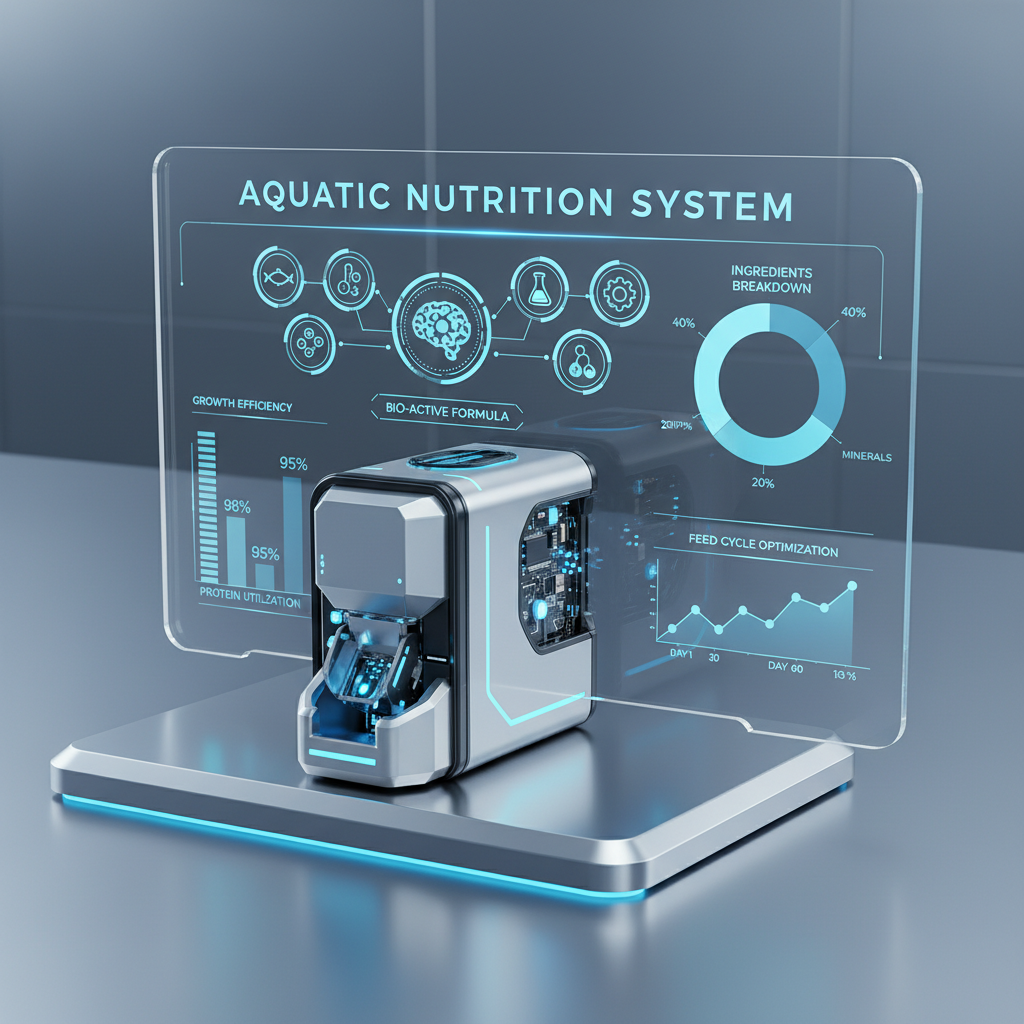
Fish feed, encompassing a broad spectrum of formulated diets, is a cornerstone of modern aquaculture and fisheries management. Globally, the demand for fish protein continues to surge, driven by population growth and an increasing awareness of the health benefits associated with seafood consumption. This escalating demand places immense pressure on wild fish stocks, making the sustainable production of farmed fish, reliant on optimized fish feed, absolutely critical.
The industry surrounding fish feed is multifaceted, spanning ingredient sourcing, formulation science, manufacturing processes, and distribution networks. It’s an integral part of the broader agricultural and food production system, intrinsically linked to global trade and food security. Effective fish feed isn’t merely about providing sustenance; it's about maximizing growth rates, improving feed conversion ratios, and minimizing environmental impact.
Understanding the nuances of fish feed – its composition, its production, and its role in sustainable aquaculture – is therefore paramount for stakeholders across the entire value chain, from farmers and feed manufacturers to policymakers and consumers.
The Significance of Fish Feed in Global Aquaculture
The global aquaculture industry is heavily reliant on a consistent supply of high-quality fish feed. According to the Food and Agriculture Organization of the United Nations (FAO), aquaculture accounts for over 52% of global fish production. This increasing dependence highlights the critical role feed plays in meeting the world’s growing demand for seafood. Without optimized feed formulations, achieving sustainable and efficient aquaculture production becomes significantly challenging.
The economic impact is substantial. The fish feed industry represents a multi-billion dollar market, directly supporting millions of livelihoods worldwide. Improved feed efficiency translates directly into reduced production costs for farmers, increased profitability, and a more competitive aquaculture sector.
Defining Fish Feed: Composition and Types
Fish feed is a precisely balanced mixture of ingredients designed to provide the necessary nutrients for optimal growth, health, and reproduction of farmed fish. These ingredients typically include proteins, carbohydrates, lipids (fats), vitamins, and minerals. The specific composition varies considerably depending on the fish species, its life stage, and the production system.
There are several main types of fish feed available: dry pellets (the most common type, offering convenience and storage stability), extruded feeds (designed for palatability and digestibility), and moist feeds (often used for early life stages of fish). Increasingly, specialized feeds are emerging, incorporating probiotics, prebiotics, and immunostimulants to enhance fish health and resilience.
The evolution of fish feed reflects a growing understanding of fish nutritional requirements and a commitment to sustainable ingredient sourcing. Historically, fishmeal and fish oil were primary components; however, concerns about overfishing and environmental impact are driving a shift towards alternative protein sources such as insect meal, plant-based proteins, and single-cell proteins.
Key Components of Optimal Fish Feed Formulation
Protein is arguably the most critical component of fish feed, providing the essential amino acids necessary for growth and tissue development. The protein source, its digestibility, and its amino acid profile are all vital considerations. Lipids provide energy and essential fatty acids, particularly omega-3 fatty acids crucial for fish health and human nutrition.
Carbohydrates serve as an energy source and contribute to feed binding and pellet stability. Vitamins and minerals are required in small amounts but are essential for various metabolic processes, immune function, and overall health. The careful balance of these components, tailored to the specific needs of the target species, is fundamental to achieving optimal feed performance.
Furthermore, ingredients like choline, betaine, and certain enzymes can enhance nutrient absorption and utilization. Modern feed formulations often incorporate these additives to maximize feed efficiency and minimize waste. The quality and sourcing of each ingredient are paramount, ensuring both nutritional value and environmental sustainability.
Global Applications and Aquaculture Systems Utilizing Fish Feed
Fish feed is integral to virtually all forms of aquaculture, including intensive land-based systems, semi-intensive pond culture, and extensive coastal farming. In intensive systems, where fish are reared at high densities, formulated feeds provide the sole source of nutrition. Pond culture often utilizes supplementary feeds to enhance natural productivity.
Major aquaculture regions like China, Norway, Vietnam, and Indonesia rely heavily on commercial fish feed. Each region often utilizes different feed formulations tailored to the predominant species farmed (e.g., salmon in Norway, tilapia in China). Increasingly, recirculating aquaculture systems (RAS), which prioritize water conservation and environmental control, are becoming popular and demand highly specialized feed formulations.
In post-disaster relief operations within coastal communities, restoring aquaculture through the provision of quality fish feed can be a critical step in rebuilding livelihoods and ensuring food security. Similarly, in remote industrial zones supporting fish farming, a reliable supply of fish feed is essential for sustaining economic activity.
Fish Feed Method Comparison
Advantages and Long-Term Value of Quality Fish Feed
Investing in high-quality fish feed delivers numerous tangible benefits. Reduced feed conversion ratios (FCR) translate directly into lower production costs and increased profitability for farmers. Improved fish health minimizes disease outbreaks and reduces the need for costly veterinary interventions.
Beyond economic considerations, quality fish feed contributes to environmental sustainability. Efficient feed utilization reduces waste and minimizes nutrient loading into aquatic ecosystems. Furthermore, responsible sourcing of feed ingredients supports the long-term health of wild fish stocks and marine biodiversity.
Future Trends and Innovations in Fish Feed Technology
The future of fish feed is poised for significant innovation. Research is focused on developing novel protein sources, such as insect meal and single-cell proteins, to reduce reliance on fishmeal. Precision nutrition, tailoring feed formulations to the specific needs of individual fish based on their genetics and environmental conditions, is gaining traction.
Digital technologies, including sensor-based feeding systems and data analytics, are enabling more efficient and targeted feed delivery. The development of functional feeds, incorporating immunostimulants and probiotics, is enhancing fish health and resilience. Sustainable packaging solutions are also emerging to minimize the environmental footprint of fish feed production.
Challenges and Solutions in Sustainable Fish Feed Production
Despite advancements, several challenges remain in sustainable fish feed production. The cost of alternative protein sources can be a barrier to widespread adoption. Ensuring the traceability and sustainability of feed ingredients throughout the supply chain is crucial.
Addressing these challenges requires collaborative efforts across the industry, including investment in research and development, implementation of sustainable sourcing practices, and the development of robust certification schemes. Exploring innovative technologies, such as algae-based feed ingredients and fermentation processes, offers promising avenues for creating more sustainable and cost-effective fish feed options.
Effective regulation and policy frameworks are also essential to promote responsible fish feed production and ensure the long-term health of aquatic ecosystems.
Summary of Key Considerations for Sustainable Fish Feed Production
| Ingredient Sourcing |
Nutritional Optimization |
Environmental Impact |
Cost Effectiveness |
| Traceability of origin, sustainable harvesting practices, minimizing reliance on wild-caught fish. |
Optimizing protein and lipid levels, incorporating essential amino acids and fatty acids, utilizing digestibility enhancers. |
Reducing waste production, minimizing nutrient leaching, promoting closed-loop systems, carbon footprint assessment. |
Balancing ingredient costs, maximizing feed conversion ratios, reducing transportation expenses, evaluating long-term economic benefits. |
| Prioritizing alternative protein sources (insect meal, algae, single-cell proteins). |
Adapting formulations to species-specific needs and life stages, utilizing precision nutrition technologies. |
Implementing responsible packaging solutions, reducing energy consumption during production. |
Exploring government subsidies and incentives for sustainable feed production. |
| Developing robust certification schemes for sustainable feed ingredients. |
Incorporating functional ingredients (probiotics, immunostimulants) to enhance fish health. |
Managing effluent discharge, minimizing water pollution, protecting biodiversity. |
Investing in innovative feed technologies to improve efficiency. |
| Promoting transparency and accountability throughout the supply chain. |
Utilizing data analytics to optimize feed formulations and feeding strategies. |
Reducing greenhouse gas emissions associated with feed production and transportation. |
Collaborating with researchers and industry partners to develop cost-effective solutions. |
| Supporting local ingredient production to reduce transportation costs. |
Developing feeds that improve fish welfare and reduce stress. |
Promoting responsible aquaculture practices that minimize environmental impacts. |
Implementing efficient manufacturing processes to reduce waste. |
| Engaging stakeholders in the development of sustainable feed standards. |
Utilizing genetic markers to optimize feed efficiency in fish. |
Reducing reliance on non-renewable resources in feed production. |
Exploring innovative financing models to support sustainable feed initiatives. |
FAQS
A high-quality fish feed is distinguished by its precisely balanced nutrient composition, optimized digestibility, and the use of high-quality ingredients. It's formulated to meet the specific needs of the target fish species and life stage, promoting rapid growth, excellent health, and superior feed conversion rates. It will also have minimized levels of anti-nutritional factors and prioritize ingredient traceability.
Feed conversion ratio (FCR) is a key metric in aquaculture, representing the amount of feed required to produce one unit of fish biomass. A lower FCR indicates higher feed efficiency and translates directly into lower production costs. Improving FCR can significantly boost profitability by reducing feed expenses, which often account for the largest cost component in aquaculture operations.
Yes, there's growing research and development focused on sustainable alternatives to fishmeal and fish oil. Promising options include insect meal, algae-based proteins, single-cell proteins, and plant-based protein sources like soybean meal and canola meal. These alternatives aim to reduce pressure on wild fish stocks and minimize the environmental impact of feed production.
Water quality is critically important, particularly with intensive feeding regimes. Poor water quality can reduce feed efficiency, increase disease susceptibility, and negatively impact fish growth. Proper aeration, filtration, and waste removal are essential to maintain optimal water parameters, ensuring the fish can effectively utilize the nutrients provided by the fish feed.
Probiotics are live microorganisms that, when added to fish feed, confer a health benefit to the host fish. They can improve gut health, enhance immune function, reduce pathogen colonization, and improve nutrient absorption. This leads to healthier fish, reduced disease outbreaks, and improved growth performance.
Aquaculture farmers can minimize feed waste through several strategies, including optimizing feeding rates based on fish biomass and water temperature, using appropriate feed particle sizes, employing automated feeding systems, and implementing effective waste management practices. Reducing feed waste not only lowers production costs but also minimizes nutrient pollution and environmental impact.
Conclusion
In conclusion, fish feed is not merely a commodity but a cornerstone of sustainable aquaculture, driving economic growth, food security, and environmental stewardship. Understanding its intricacies – from formulation to application – is paramount for ensuring efficient, responsible, and profitable fish farming operations. The continued evolution of feed technology, coupled with a commitment to sustainable practices, holds the key to meeting the world’s growing demand for seafood.
Looking ahead, prioritizing research and development, fostering collaboration across the industry, and implementing robust regulatory frameworks are essential for unlocking the full potential of fish feed. By embracing innovation and sustainability, we can ensure that aquaculture continues to play a vital role in feeding the world while protecting our precious aquatic ecosystems. Visit our website to learn more about our innovative solutions: www.zthjpharma.com.