airsacculitis represents a critical area of study and application, impacting fields from veterinary medicine to avian conservation. Understanding its causes, symptoms, and effective treatments is paramount to protecting bird populations globally. The economic consequences of outbreaks, coupled with the ecological importance of birds, necessitate robust research and preventative measures. This knowledge empowers stakeholders—avian veterinarians, researchers, poultry farmers, and conservationists—to safeguard avian health and maintain ecological balance.
The prevalence of airsacculitis isn’t limited by geographical boundaries; it’s a worldwide concern affecting diverse avian species, from commercially raised poultry to wild migratory birds. Factors contributing to its spread, such as environmental stressors, poor biosecurity, and the emergence of new pathogenic strains, demand a proactive and collaborative approach. Effectively addressing airsacculitis requires continuous monitoring, rapid diagnostics, and innovative therapeutic strategies.
Ultimately, a deeper understanding of airsacculitis allows for more informed decision-making in avian health management, contributing to both economic stability within the poultry industry and the preservation of biodiversity in natural ecosystems. It’s a field where scientific advancements directly translate into real-world benefits for avian populations and the communities that depend on them.
Introduction to airsacculitis
airsacculitis, an inflammatory condition affecting the air sacs of birds, poses a significant threat to avian health worldwide. Understanding the intricacies of this disease is crucial for avian veterinarians, poultry producers, and conservationists alike. Its impact extends beyond individual birds, affecting the economic viability of poultry farming and the ecological balance of wild bird populations.
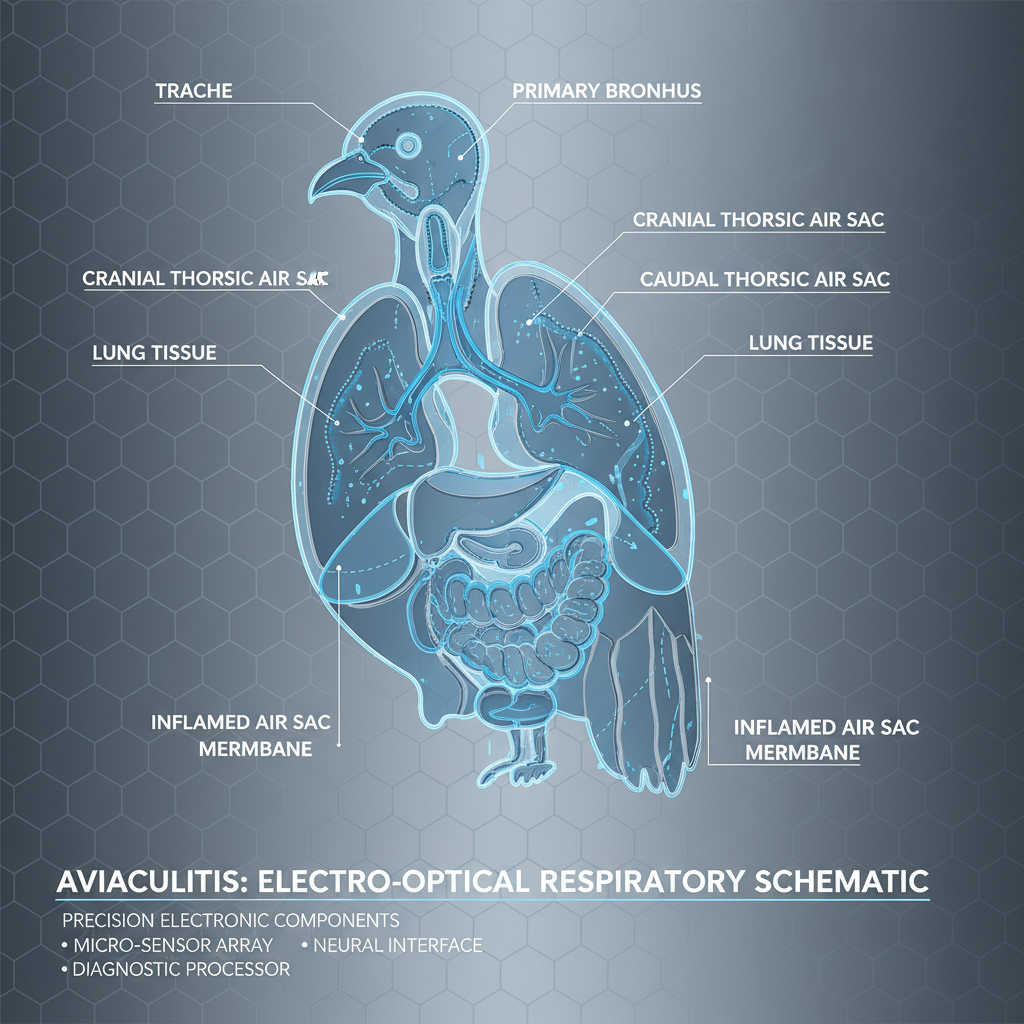
The air sacs, unique to birds, are extensions of the respiratory system that play a vital role in efficient oxygen uptake, buoyancy, and thermoregulation. When these sacs become inflamed—typically due to bacterial, fungal, or viral infections—it can lead to respiratory distress, reduced growth rates, and even mortality. Effective control of airsacculitis requires a multifaceted approach encompassing prevention, early detection, and targeted treatment strategies.
Defining airsacculitis
airsacculitis is characterized by inflammation of the air sacs, thin-walled structures connected to the lungs in birds. This inflammation is most commonly caused by bacterial infections, particularly Mycoplasma gallisepticum, Mycoplasma synoviae, and Escherichia coli, but can also be triggered by fungal infections, viral agents, or even physical trauma. The infection often spreads from the respiratory tract to the air sacs, resulting in localized or systemic inflammation.
The clinical presentation of airsacculitis can vary depending on the causative agent, the severity of the infection, and the species of bird affected. Common symptoms include labored breathing, coughing, sneezing, nasal discharge, decreased appetite, and lethargy. In chronic cases, birds may exhibit reduced growth rates, poor feathering, and increased susceptibility to secondary infections. Accurate diagnosis is crucial for implementing appropriate treatment protocols.
airsacculitis isn’t simply a respiratory disease; it affects the overall health and welfare of birds. Its connection to other health problems, coupled with its potential for rapid spread, makes it a critical concern for anyone involved in avian care and management.
Key Factors Influencing airsacculitis Development
Several factors contribute to the development and spread of airsacculitis. Environmental stressors, such as poor ventilation, overcrowding, and temperature fluctuations, can weaken a bird’s immune system, making it more susceptible to infection. Dust and ammonia buildup in poultry houses can also irritate the respiratory tract, predisposing birds to airsacculitis.
Biosecurity practices play a critical role in preventing the introduction and spread of airsacculitis. Inadequate cleaning and disinfection protocols, as well as the movement of infected birds or contaminated equipment, can facilitate the transmission of pathogens. The implementation of strict biosecurity measures, including quarantine procedures, visitor control, and proper waste disposal, is essential for minimizing the risk of outbreaks.
Furthermore, the age and immune status of birds influence their susceptibility to airsacculitis. Young birds, with underdeveloped immune systems, are more vulnerable to infection. Similarly, birds experiencing stress from transport, handling, or other environmental changes may have compromised immune defenses. Proper vaccination programs and nutritional support can help bolster immune function and reduce the risk of airsacculitis.
Global Prevalence and Affected Species
airsacculitis is a globally distributed disease, affecting a wide range of avian species. In commercial poultry production, chickens and turkeys are particularly susceptible, leading to significant economic losses due to reduced growth rates, increased mortality, and the cost of treatment. The disease is prevalent in both large-scale industrial operations and smaller backyard flocks.
Wild birds are also vulnerable to airsacculitis, particularly migratory species that come into contact with contaminated environments. Outbreaks have been reported in waterfowl, raptors, and passerine birds. The spread of airsacculitis in wild bird populations can have significant ecological consequences, affecting population dynamics and biodiversity.
Prevalence of airsacculitis by Treatment Method
Diagnostic Methods for airsacculitis
Accurate and timely diagnosis of airsacculitis is crucial for effective treatment and control. Several diagnostic methods are employed, often in combination, to confirm the presence of the disease and identify the causative agent. Visual inspection of the air sacs during necropsy is a common initial step, revealing inflammation, congestion, and the presence of exudate.
Bacterial culture and sensitivity testing are essential for identifying the specific bacterial pathogens involved and determining their susceptibility to antibiotics. PCR (polymerase chain reaction) assays provide a rapid and accurate method for detecting the presence of specific bacterial or viral DNA in respiratory samples. Serological tests, such as ELISA (enzyme-linked immunosorbent assay), can be used to detect antibodies against airsacculitis-causing agents, indicating previous exposure or active infection.
Therapeutic Approaches to airsacculitis
Treatment of airsacculitis typically involves a combination of antibiotic therapy, supportive care, and management adjustments. Antibiotics are selected based on the identified bacterial pathogens and their sensitivity profiles. Long-acting antibiotics may be necessary for severe or chronic cases.
Supportive care focuses on alleviating respiratory distress and promoting recovery. This may include providing supplemental oxygen, ensuring adequate hydration and nutrition, and minimizing stress. In some cases, surgical drainage of infected air sacs may be necessary. Prompt and appropriate treatment is crucial for minimizing mortality and preventing the spread of infection.
Preventative Strategies and Biosecurity
Preventing airsacculitis is often more effective and cost-efficient than treating it. Implementing robust biosecurity measures is paramount for minimizing the risk of outbreaks. This includes strict quarantine procedures for new birds, regular cleaning and disinfection of housing facilities, and control of pests and rodents.
Vaccination programs can provide protection against certain airsacculitis-causing agents, particularly Mycoplasma gallisepticum. Maintaining optimal ventilation and environmental conditions, as well as providing a balanced diet, can help strengthen birds’ immune systems and reduce their susceptibility to infection.
Regular monitoring of bird health, including routine respiratory swabbing and serological testing, can enable early detection of airsacculitis and prompt implementation of control measures. A proactive and comprehensive approach to prevention is essential for safeguarding avian health and minimizing economic losses.
Summary of Key Preventative Measures for airsacculitis
| Preventative Measure |
Implementation Frequency |
Estimated Cost (Scale 1-10) |
Effectiveness (Scale 1-10) |
| Quarantine of New Birds |
With Each New Flock |
3 |
9 |
| Regular Disinfection |
Weekly |
5 |
7 |
| Ventilation Management |
Continuous |
4 |
8 |
| Vaccination Programs |
Based on Risk Assessment |
7 |
8 |
| Rodent and Pest Control |
Monthly |
4 |
6 |
| Routine Health Monitoring |
Bi-weekly |
6 |
7 |
FAQS
The most frequent culprits behind airsacculitis in chickens are bacterial infections, notably Mycoplasma gallisepticum and Escherichia coli. These bacteria can infiltrate the respiratory tract and subsequently spread to the air sacs, triggering inflammation. Factors like poor ventilation, overcrowding, and concurrent viral infections can significantly increase the risk of infection. Additionally, stress from environmental changes or handling can weaken the chicken’s immune system, making it more susceptible to developing airsacculitis.
Differentiating airsacculitis from other respiratory illnesses requires careful observation and diagnostic testing. While similar symptoms like coughing and sneezing are common, airsacculitis often presents with noticeable labored breathing and a characteristic crackling sound during auscultation. A necropsy revealing inflamed and fluid-filled air sacs confirms the diagnosis. Bacterial culture and PCR testing are essential for identifying the specific causative agent, helping to rule out viral or fungal infections that might cause similar symptoms.
Biosecurity is absolutely crucial in preventing airsacculitis outbreaks. Strict measures, including limiting access to the flock, disinfecting equipment, and controlling pests, minimize the introduction and spread of pathogens. Quarantining new birds before introducing them to the main flock prevents the potential introduction of infection. Proper waste management and preventing contact with wild birds are also vital components of a robust biosecurity plan.
Even after successful treatment, airsacculitis can sometimes lead to long-term consequences. Chronic inflammation can cause permanent damage to the air sacs, impairing respiratory function and reducing the bird’s overall performance. Affected birds may be more susceptible to secondary infections and exhibit reduced growth rates or egg production. Regular monitoring and supportive care are important for managing potential long-term effects.
Vaccines are available for certain strains of Mycoplasma gallisepticum, a common cause of airsacculitis. While vaccines don’t provide complete protection, they significantly reduce the severity of the disease and limit its spread within a flock. The effectiveness of vaccines depends on factors like the strain of Mycoplasma present, the vaccination schedule, and the overall health of the birds. Consult with a veterinarian to determine the appropriate vaccination strategy for your flock.
Effective disinfection is vital. Use a broad-spectrum disinfectant specifically labeled for use in poultry facilities, following the manufacturer’s instructions carefully. Pay close attention to contact time—the disinfectant needs to remain on the surface for the recommended duration to kill pathogens. Thoroughly clean equipment before disinfection to remove organic matter, which can interfere with the disinfectant’s efficacy. Regularly replace or sterilize equipment that cannot be effectively disinfected.
Conclusion
airsacculitis represents a persistent challenge in avian health, demanding ongoing research, vigilant monitoring, and proactive preventative measures. This comprehensive overview has underscored the importance of understanding its etiology, recognizing its clinical signs, implementing robust biosecurity protocols, and utilizing appropriate diagnostic and therapeutic strategies. Ultimately, safeguarding avian health relies on a holistic approach encompassing environmental management, nutritional support, and a commitment to responsible husbandry practices.
Looking ahead, advancements in vaccine development, improved diagnostic tools, and a greater emphasis on integrated disease management strategies hold promise for mitigating the impact of airsacculitis. Collaboration among researchers, veterinarians, and poultry producers is essential for developing innovative solutions and ensuring the long-term health and sustainability of avian populations. For further information and resources on airsacculitis, please visit our website: www.zthjpharma.com