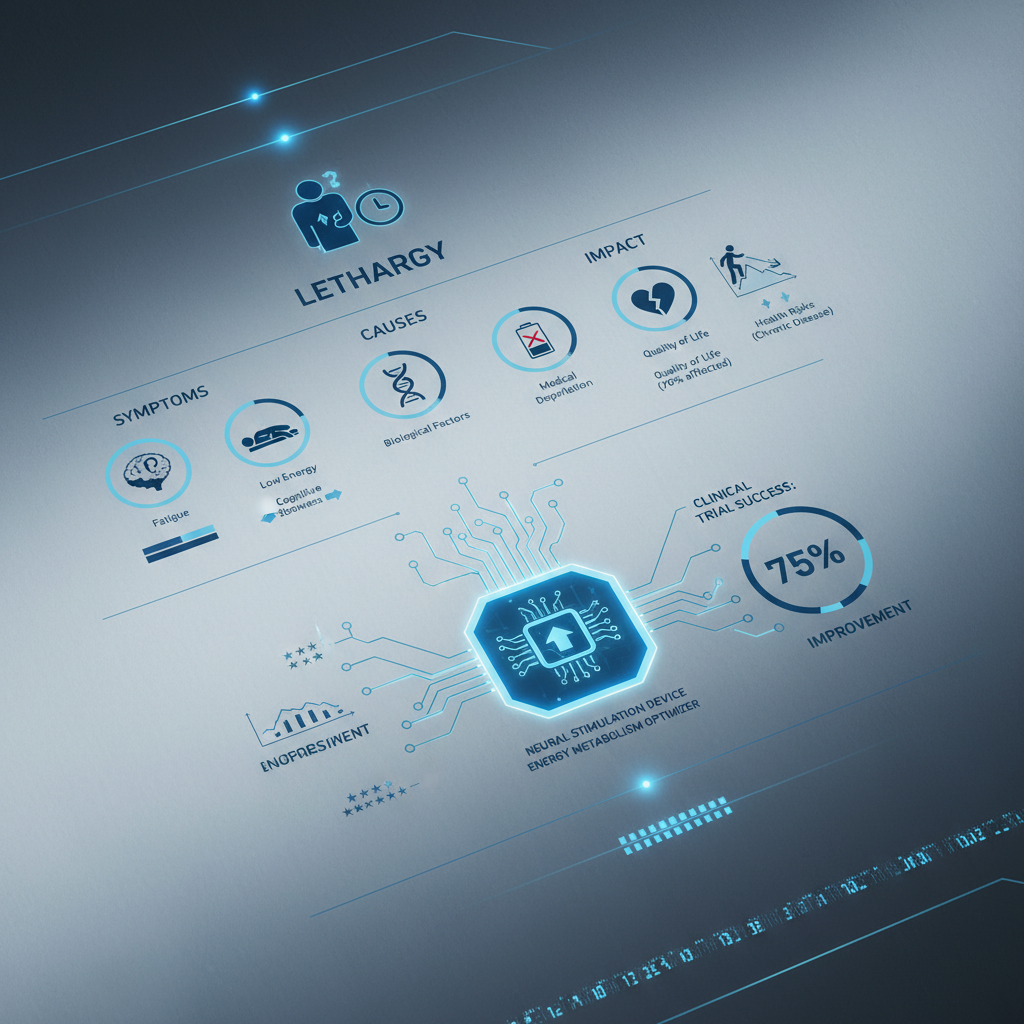
Lethargy, often described as a state of sluggishness, inactivity, and diminished capability for mental or physical activity, is a pervasive human experience with far-reaching implications. Understanding its causes, manifestations, and potential treatments is crucial not only for individual well-being but also for societal productivity and progress. From addressing workplace burnout to managing chronic illness, acknowledging and mitigating lethargy is paramount in a fast-paced world.
Globally, lethargy impacts economic output, healthcare systems, and overall quality of life. The World Health Organization estimates that depression and anxiety – often accompanied by significant lethargy – affect over 280 million people worldwide. This translates to substantial lost productivity and increased healthcare costs. Addressing the underlying factors contributing to lethargy is, therefore, a global health and economic priority.
Beyond individual health, lethargy frequently signals systemic issues. It can be an indicator of inadequate working conditions, nutritional deficiencies, or societal stressors. By recognizing lethargy as a symptom, we can move beyond simply treating the symptom itself and address the root causes, leading to more sustainable and effective solutions.
Defining Lethargy and Its Scope
At its core, lethargy represents a deviation from an individual’s usual energy levels and engagement with the world. It’s more than just feeling tired; it’s a pervasive sense of apathy, reduced motivation, and difficulty initiating or completing tasks. Understanding this distinction is crucial, as simple fatigue is often easily remedied with rest, while lethargy often requires a more nuanced approach.
The scope of lethargy extends across numerous domains. In the workplace, it manifests as decreased productivity and increased absenteeism. Within healthcare, it is often a symptom of underlying conditions such as anemia, hypothyroidism, or chronic fatigue syndrome. Furthermore, lethargy plays a significant role in mental health disorders like depression and anxiety, requiring careful diagnosis and treatment.
The Physiological and Psychological Roots of Lethargy
Physiologically, lethargy can stem from a variety of causes, including hormonal imbalances, nutrient deficiencies (particularly iron, vitamin D, and B vitamins), and chronic inflammation. Disruptions to the body’s natural circadian rhythm, often caused by shift work or irregular sleep patterns, also contribute significantly. Underlying medical conditions like anemia and hypothyroidism frequently present with pronounced lethargy as a primary symptom.
Psychologically, lethargy is often linked to stress, anxiety, and depression. Prolonged exposure to stressors can deplete the body’s resources and lead to emotional exhaustion. Furthermore, negative thought patterns and a lack of purpose can erode motivation and contribute to feelings of apathy. The interplay between physiological and psychological factors is often complex, with each influencing the other.
Neurological factors also play a role. Reduced dopamine levels, a neurotransmitter associated with reward and motivation, can contribute to feelings of lethargy. Imbalances in other neurotransmitters, such as serotonin, also play a crucial part in regulating mood and energy levels, ultimately impacting the experience of lethargy.
Factors Influencing Lethargy Levels
Several key factors contribute to individual susceptibility to lethargy. These include age, with older adults often experiencing a natural decline in energy levels. Lifestyle choices, such as diet, exercise, and sleep habits, play a critical role. Poor nutrition, lack of physical activity, and insufficient sleep all significantly increase the likelihood of experiencing lethargy.
Environmental factors, such as exposure to toxins or pollutants, can also contribute to lethargy. Socioeconomic factors, including poverty and lack of access to healthcare, often exacerbate the problem. Furthermore, cultural norms that prioritize overwork and discourage rest can contribute to a chronic state of exhaustion and lethargy.
Genetic predisposition also influences an individual’s vulnerability to lethargy. Certain genetic variations may affect neurotransmitter levels or the body’s ability to regulate stress hormones, making some people more prone to experiencing persistent fatigue and apathy. Understanding these multifaceted influences is vital for effective intervention.
Quantifying the Impact: Lethargy in Different Contexts
Assessing the impact of lethargy requires examining its effects across diverse settings. In the workplace, productivity losses due to employee lethargy can be significant. Studies indicate that presenteeism (being physically present at work but unproductive) is often a greater cost to employers than absenteeism. Lethargy contributes substantially to this phenomenon.
Within the healthcare system, lethargy represents a substantial burden. Patients experiencing lethargy often require more frequent doctor visits, undergo more extensive testing, and experience a lower quality of life. The economic costs associated with managing lethargy-related health issues are substantial.
Lethargy Impact Assessment
Global Applications of Lethargy Management
Strategies for managing lethargy are being implemented worldwide, varying based on cultural contexts and available resources. In Scandinavian countries, a strong emphasis on work-life balance and employee well-being contributes to lower levels of chronic lethargy compared to more work-centric cultures.
In developing nations, addressing nutritional deficiencies and providing access to basic healthcare are crucial steps in combating lethargy. Community-based interventions that promote healthy lifestyles and stress management techniques are also proving effective.
The Benefits of Addressing Lethargy
Proactively addressing lethargy yields substantial benefits, both for individuals and society as a whole. Increased productivity, improved mental and physical health, and enhanced quality of life are all direct outcomes. Reduced healthcare costs and increased economic output represent broader societal gains.
Furthermore, addressing lethargy fosters a more engaged and resilient population. Individuals who are able to manage their energy levels and maintain a sense of purpose are better equipped to cope with challenges and contribute positively to their communities. Prioritizing well-being, and addressing lethargy, is an investment in a healthier and more prosperous future.
From a humanitarian perspective, tackling lethargy contributes to dignity and empowerment. Providing individuals with the resources and support they need to overcome fatigue and apathy restores agency and fosters self-reliance. This is particularly critical in vulnerable populations affected by poverty, conflict, or natural disasters.
Future Trends in Lethargy Research and Intervention
Ongoing research is exploring novel approaches to understanding and treating lethargy. Advancements in neuroscience are shedding light on the complex interplay between brain function and energy levels. Personalized medicine, tailored to an individual’s genetic makeup and lifestyle, holds promise for more effective interventions.
The integration of technology, such as wearable sensors and mobile apps, is enabling more continuous monitoring of energy levels and personalized feedback. Artificial intelligence is being used to identify patterns and predict individual risk of experiencing lethargy.
A growing focus on preventative measures, including promoting healthy lifestyles and addressing systemic stressors, is also gaining traction. The future of lethargy management lies in a holistic approach that combines scientific innovation with a commitment to individual and societal well-being.
Summary of Lethargy Intervention Strategies
| Intervention Type |
Target Population |
Implementation Method |
Expected Outcome |
| Nutritional Supplementation |
Individuals with diagnosed deficiencies |
Dietary adjustments and vitamin/mineral supplements |
Increased energy levels and improved cognitive function |
| Cognitive Behavioral Therapy (CBT) |
Individuals experiencing depression or anxiety-related lethargy |
One-on-one or group therapy sessions |
Reduced negative thought patterns and increased motivation |
| Workplace Wellness Programs |
Employees experiencing burnout or chronic fatigue |
Stress management workshops, ergonomic assessments, and flexible work arrangements |
Improved employee morale and increased productivity |
| Sleep Hygiene Education |
Individuals with sleep disorders or irregular sleep patterns |
Educational materials and behavioral strategies |
Improved sleep quality and reduced daytime lethargy |
| Regular Physical Exercise |
Generally healthy individuals seeking to boost energy levels |
Structured exercise programs or self-directed activity |
Increased endorphin release and improved cardiovascular health |
| Mindfulness and Meditation Practices |
Individuals experiencing stress or emotional exhaustion |
Guided meditation sessions or self-practice |
Reduced stress levels and increased emotional resilience |
FAQS
While fatigue is a normal response to exertion and is often relieved by rest, lethargy is characterized by a pervasive lack of energy, motivation, and interest. It’s a more profound state of sluggishness that doesn’t typically improve with rest alone. Lethargy often signifies an underlying physical or psychological issue that requires further investigation. Identifying this difference is critical for seeking appropriate support and treatment, going beyond simple rest to address the root cause.
Yes, lethargy can be a significant symptom of various underlying medical conditions. These include hypothyroidism, anemia, chronic fatigue syndrome, depression, and certain infections. It’s crucial to consult a healthcare professional if you experience persistent lethargy, especially if it’s accompanied by other concerning symptoms. Early diagnosis and treatment of the underlying condition can significantly improve energy levels and overall well-being. Don't self-diagnose; seek professional medical advice.
Several lifestyle changes can positively impact lethargy levels. These include maintaining a balanced diet rich in nutrients, engaging in regular physical exercise, prioritizing sufficient sleep, managing stress through relaxation techniques, and limiting exposure to toxins. Establishing a consistent daily routine and fostering social connections can also contribute to improved energy levels and motivation. Small, consistent changes can yield significant results.
Improving sleep hygiene involves creating a conducive sleep environment and establishing a regular sleep schedule. This includes going to bed and waking up around the same time each day, ensuring a dark, quiet, and cool bedroom, avoiding caffeine and alcohol before bed, and limiting screen time in the evening. Regular exercise (but not close to bedtime) and relaxation techniques can also promote better sleep quality, directly impacting lethargy levels.
You should seek professional help if your lethargy is persistent, severe, and interferes with your daily life. If it’s accompanied by other symptoms such as changes in appetite, weight loss, difficulty concentrating, or feelings of hopelessness, it’s especially important to consult a doctor. A healthcare professional can diagnose the underlying cause of your lethargy and recommend appropriate treatment options, potentially including medication or therapy.
Certain nutrient deficiencies can contribute to lethargy. Iron, vitamin D, and B vitamins are commonly associated with energy levels. However, it’s crucial to get a blood test to determine if you have a deficiency before taking supplements, as excessive intake can be harmful. Consult with a healthcare professional to determine the appropriate course of action and to rule out any underlying medical conditions. A balanced diet is always the first step.
Conclusion
In conclusion, lethargy is a multifaceted phenomenon with significant implications for individual well-being, societal productivity, and global health. Understanding its physiological and psychological roots, identifying contributing factors, and implementing effective intervention strategies are crucial for mitigating its impact. From personalized medicine to preventative lifestyle changes, a holistic approach is essential.
Looking ahead, continued research and innovation are needed to develop more targeted and effective treatments for lethargy. By prioritizing well-being, addressing systemic stressors, and fostering a culture of rest and recovery, we can create a world where individuals have the energy and motivation to thrive. Visit our website at ZTHJ Pharma to learn more about how we are tackling lethargy and promoting holistic health.