In today’s fast-paced world, the pervasive nature of stress demands innovative solutions. Understanding and actively mitigating stress is no longer a luxury, but a necessity for individual wellbeing and societal progress. anti-stress measures, encompassing preventative strategies and responsive interventions, are increasingly vital in maintaining a healthy, productive populace. This exploration delves into the critical importance of proactively addressing stress across all facets of life.
Globally, stress-related illnesses contribute significantly to healthcare burdens and economic losses. The World Health Organization estimates that stress is a major factor in numerous non-communicable diseases, leading to reduced productivity and increased healthcare costs. Implementing robust anti-stress protocols isn’t merely a health issue; it’s a crucial economic and social investment.
The benefits of understanding and implementing effective anti-stress strategies are far-reaching. From improved mental and physical health to enhanced workplace performance and stronger community resilience, addressing stress proactively yields significant dividends. This document outlines the essential components of a comprehensive anti-stress approach.
The Global Relevance of Anti-Stress
The escalating levels of stress worldwide represent a significant public health challenge. Data from the United Nations indicates a sharp increase in reported mental health conditions, heavily linked to chronic stress. The economic burden is substantial, with lost productivity estimated to cost trillions of dollars annually. Implementing effective anti-stress initiatives is crucial to mitigating these impacts.
Moreover, the ISO standards increasingly emphasize psychological safety in the workplace, recognizing that employee wellbeing directly correlates with performance and innovation. Organizations are actively seeking strategies to foster a less stressful environment, bolstering both employee health and organizational success.
Defining Anti-Stress
At its core, anti-stress refers to the proactive and reactive measures taken to mitigate the harmful effects of stress on individuals and systems. This encompasses a wide range of interventions, from lifestyle modifications and psychological therapies to environmental design and technological solutions. It's about building resilience and promoting wellbeing in the face of adversity.
In the modern industrial context, anti-stress solutions are particularly critical. High-pressure work environments, constant connectivity, and relentless demands can contribute to chronic stress, leading to burnout, decreased productivity, and increased errors. Applying an anti-stress framework can significantly improve employee wellbeing and organizational efficiency.
Furthermore, the concept extends beyond individual health and workplace productivity. Humanitarian efforts often involve managing the stress experienced by victims of trauma and disaster, requiring culturally sensitive and effective anti-stress interventions.
Core Components of Anti-Stress Solutions
Effective anti-stress solutions are built upon several core components. Firstly, Early Detection is paramount. Identifying stressors and recognizing the early signs of stress are crucial for preventative action. Secondly, Resilience Building focuses on developing coping mechanisms and emotional intelligence to navigate challenging situations.
Thirdly, Environmental Modification involves creating physical and social environments that minimize stressors and promote relaxation. This could include optimizing workspace ergonomics, fostering positive social interactions, or reducing noise pollution. Fourthly, Mindfulness & Relaxation Techniques like meditation, yoga, and deep breathing exercises are fundamental for managing stress responses.
Finally, Access to Support – whether through professional counseling, peer support groups, or trusted networks – provides individuals with the resources they need to cope with stress effectively. A holistic approach incorporating all these elements delivers the most robust anti-stress outcomes.
Practical Applications of Anti-Stress
The principles of anti-stress are adaptable to a wide range of contexts. In corporate settings, this translates to implementing wellbeing programs, offering stress management workshops, and designing flexible work arrangements. In healthcare, it means providing support to both patients and healthcare professionals facing high levels of stress.
Consider a manufacturing plant. Implementing noise reduction measures, providing ergonomic workstations, and offering stress reduction training can significantly improve employee wellbeing and reduce errors. These tangible applications demonstrate the practicality and value of anti-stress initiatives.
Effectiveness of Different Anti-Stress Methods
Global Applications and Use Cases
In post-disaster relief operations, providing psychological first aid and stress management training to both survivors and aid workers is paramount. Similarly, in remote industrial zones where workers face isolation and challenging conditions, implementing wellbeing programs is crucial for maintaining productivity and preventing burnout.
Across Europe, many companies are incorporating mindfulness practices into their corporate wellness programs, recognizing the benefits of reduced stress and improved focus. In Japan, “forest bathing” (Shinrin-yoku) – spending time in nature – is a widely recognized anti-stress practice.
Advantages and Long-Term Value
The tangible benefits of prioritizing anti-stress are numerous. Cost savings are achieved through reduced healthcare expenses, decreased absenteeism, and increased productivity. From a sustainability standpoint, reduced stress contributes to healthier lifestyles and a more resilient workforce.
Beyond the practical, there’s a significant social impact. Promoting wellbeing fosters a more equitable and compassionate society. The emotional benefits – increased happiness, improved relationships, and a greater sense of purpose – are invaluable. Building trust through prioritizing employee wellbeing is a cornerstone of sustainable business practice.
Future Trends and Innovations in Anti-Stress
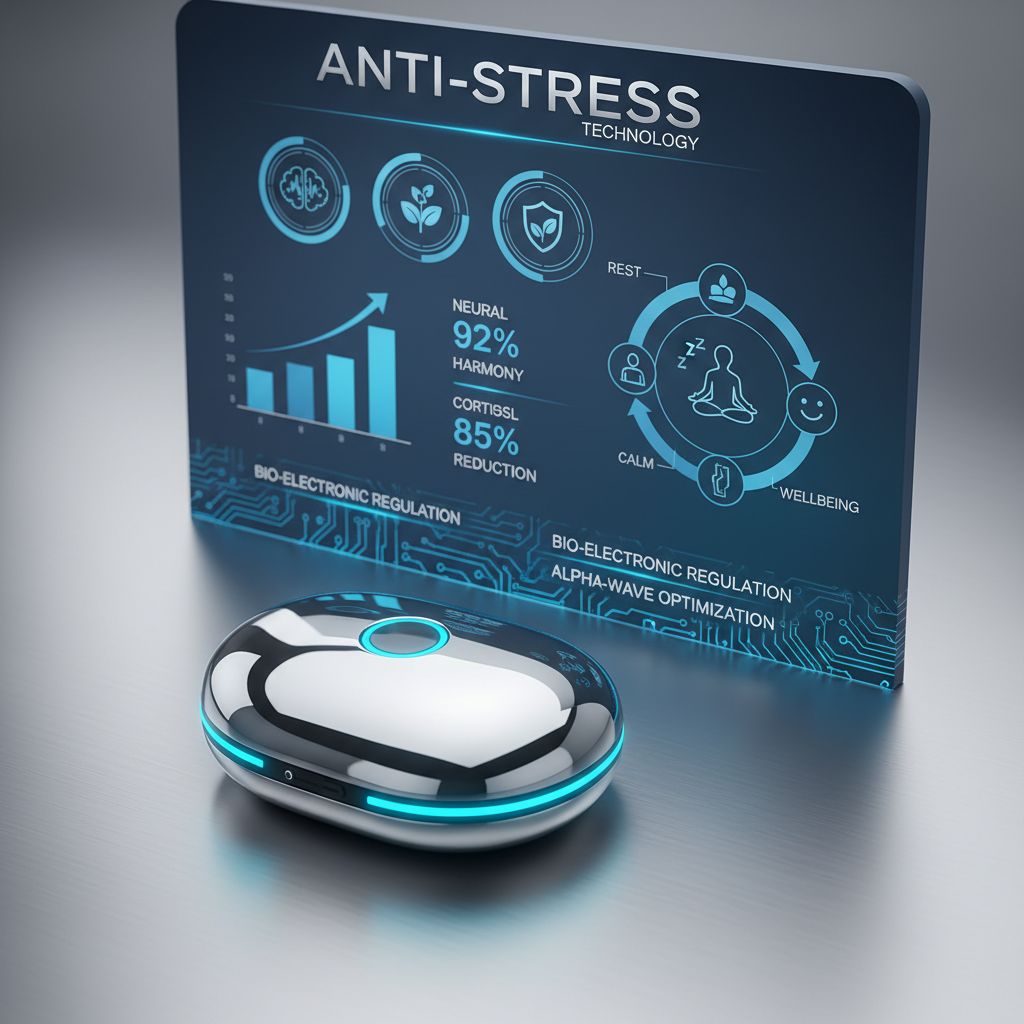
The future of anti-stress lies in leveraging technological advancements. Wearable sensors can track stress levels and provide personalized interventions. Virtual reality (VR) offers immersive relaxation experiences. Digital therapeutics are emerging as powerful tools for managing stress and anxiety.
Furthermore, the integration of green spaces into urban environments, driven by sustainability initiatives, will provide more opportunities for stress reduction. Automation and artificial intelligence (AI) may alleviate some work-related stressors by streamlining tasks and reducing workloads.
Policy changes promoting work-life balance, mental health awareness, and access to support services are also critical for fostering a more resilient and stress-free society.
Summary of Challenges and Solutions for Implementing Effective Anti-Stress Strategies
| Challenge |
Impact on Anti-Stress |
Proposed Solution |
Implementation Cost (1-10) |
| Lack of Awareness |
Underutilization of available resources. |
Educational campaigns and workshops. |
3 |
| Stigma Around Mental Health |
Reluctance to seek help. |
Promote open communication and normalize seeking support. |
4 |
| Limited Resources |
Insufficient access to counseling and support services. |
Advocate for increased funding for mental health initiatives. |
7 |
| Workplace Culture |
High-pressure environments contributing to chronic stress. |
Implement flexible work arrangements and promote work-life balance. |
5 |
| Lack of Personalization |
One-size-fits-all approaches often ineffective. |
Utilize data and technology for personalized interventions. |
6 |
| Sustaining Engagement |
Difficulty maintaining long-term participation in wellbeing programs. |
Gamification, incentives, and ongoing support. |
4 |
FAQS
Reactive anti-stress strategies address stress after it has occurred, focusing on mitigation and recovery – think therapy or crisis intervention. Proactive strategies aim to prevent stress by building resilience, modifying environments, and promoting wellbeing. A holistic approach integrates both, prioritizing prevention while having resources available for when stress inevitably arises. Effective anti-stress relies on a balance of both.
Measuring ROI involves tracking key metrics. These include reduced healthcare costs, decreased absenteeism, increased productivity, improved employee engagement scores, and reduced employee turnover. Quantifying the impact of anti-stress initiatives requires establishing baseline data, tracking changes over time, and attributing those changes to the program’s implementation. Cost-benefit analyses can demonstrate significant long-term financial gains.
Technology is revolutionizing anti-stress interventions. Wearable sensors can monitor stress levels, providing real-time feedback. Mobile apps offer guided meditation and mindfulness exercises. VR environments create immersive relaxation experiences. AI-powered chatbots provide personalized support. These tools enhance accessibility and personalize interventions, leading to more effective outcomes.
While individual resilience is important, organizations have a significant responsibility to create supportive environments. This includes promoting work-life balance, reducing workload pressures, fostering open communication, and providing access to mental health resources. Anti-stress is a shared responsibility, and organizations benefit from prioritizing employee wellbeing.
Micro-practices are key. Instead of aiming for lengthy meditation sessions, incorporate short mindful moments throughout the day – deep breathing exercises, mindful walking, or simply pausing to observe your surroundings. Utilize guided meditation apps during commutes or breaks. Encourage “mindful meetings” with dedicated time for reflection. Consistency, not duration, is the key to reaping the benefits.
Absolutely. Stress manifests differently across cultures, and appropriate interventions must be culturally sensitive. What works in one context may not be effective in another. Understanding cultural norms, beliefs about mental health, and preferred coping mechanisms is crucial. Programs should be adapted to local contexts, involving local experts and stakeholders in the design and implementation process.
Conclusion
In conclusion, addressing stress proactively through comprehensive anti-stress strategies is no longer optional, but essential. By focusing on early detection, resilience building, environmental modification, and access to support, individuals and organizations can mitigate the harmful effects of stress and cultivate a more resilient and thriving society. The core components discussed – embracing mindfulness, fostering supportive environments, and leveraging technological innovations – represent a pathway towards a future where wellbeing is prioritized.
Looking ahead, continued investment in research, policy changes, and widespread awareness campaigns are crucial for maximizing the impact of anti-stress initiatives. We encourage you to explore the resources available at www.zthjpharma.com to learn more about how you can implement these strategies in your own life and community.