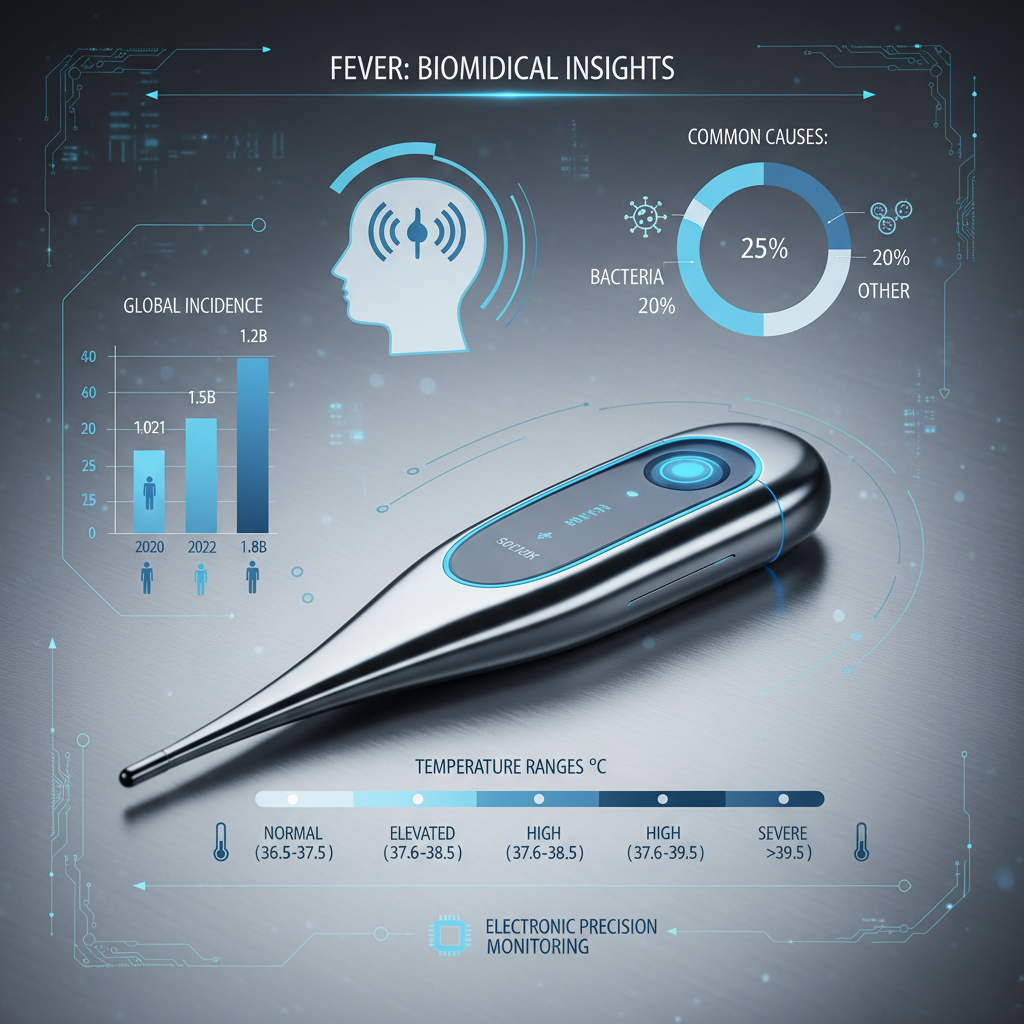
Fever, an elevation of body temperature, is a common physiological response often indicating the body is fighting an infection. Understanding fever is crucial globally, as it affects individuals of all ages and socioeconomic backgrounds. It’s a prevalent symptom across numerous illnesses, ranging from mild viral infections to severe bacterial diseases. The ability to accurately identify, manage, and respond to fever is therefore a cornerstone of public health and individual well-being.
Globally, fever accounts for a significant portion of healthcare visits, particularly in regions with limited access to medical resources. According to the World Health Organization (WHO), infectious diseases, many presenting with fever, remain a leading cause of death worldwide, especially in low-income countries. Effective fever management is inextricably linked to broader health security, impacting workforce productivity, educational attainment, and overall economic stability.
Addressing the challenges associated with fever requires not only medical interventions but also advancements in diagnostic tools, temperature monitoring technologies, and public health education. A comprehensive approach to fever management can significantly reduce morbidity and mortality, promoting healthier communities and a more robust global health infrastructure.
Introduction to Fever
Fever isn’t a disease in itself, but rather a symptom—a sign that the body’s immune system is actively responding to a challenge. This challenge could be an infection caused by viruses, bacteria, fungi, or parasites. It can also result from inflammation, certain medications, or even heat exhaustion. Recognizing the underlying cause of a fever is key to effective treatment and management.
The body raises its temperature to create a less hospitable environment for pathogens. While uncomfortable, this elevation in temperature often supports the immune system’s efforts to combat the invading organism. Therefore, appropriately managing fever involves supporting the body's natural defenses while providing symptomatic relief.
Defining Fever and its Significance
Fever is generally defined as a body temperature of 100.4°F (38°C) or higher. However, what constitutes a significant fever can vary depending on the method of measurement (oral, rectal, axillary, or tympanic) and the individual's normal baseline temperature. A fever isn't always cause for immediate alarm, as many mild infections cause temporary elevations in temperature that resolve on their own.
In the context of modern medicine, precise temperature monitoring is critical. Advanced diagnostic tools, such as rapid tests for infectious diseases, often rely on fever as an initial indicator to guide further investigation. Early detection of fever allows for prompt intervention, potentially preventing the progression of illness and reducing the risk of complications.
From a humanitarian standpoint, understanding fever is paramount in disaster relief and outbreak response. Rapidly identifying and isolating individuals with fever can help contain the spread of infectious diseases in crowded or resource-limited settings. Effective fever management, therefore, becomes a vital component of public health infrastructure globally.
Core Components of Fever Management
Effective fever management hinges on several key components. Firstly, accurate temperature measurement is essential, utilizing appropriate methods for the patient's age and condition. Secondly, recognizing accompanying symptoms – such as cough, sore throat, rash, or headache – helps determine the potential underlying cause of the fever.
Thirdly, providing supportive care – including adequate hydration, rest, and a comfortable environment – plays a crucial role in aiding the body’s natural healing process. Fourthly, utilizing antipyretic medications, such as acetaminophen or ibuprofen, can help reduce fever and alleviate associated discomfort, but should be administered responsibly and according to dosage guidelines.
Finally, and critically, knowing when to seek medical attention is vital. High fevers, fevers accompanied by severe symptoms, or fevers that persist for an extended period require professional evaluation to rule out serious underlying conditions.
Applications of Fever Monitoring & Control
Fever monitoring and control are applied across diverse settings. In clinical practice, continuous temperature monitoring is crucial for critically ill patients, aiding in the assessment of treatment effectiveness and the detection of secondary infections. Remote patient monitoring devices now allow for continuous fever tracking at home, enhancing early detection and proactive care.
In public health, fever surveillance programs play a key role in identifying and responding to infectious disease outbreaks. Airport screenings utilizing thermal scanners are a prime example of fever detection at a population level. These programs rely on prompt reporting and effective data analysis to inform public health interventions.
Fever Management Method Effectiveness
Advantages of Early Fever Detection
Early detection of fever offers numerous benefits. It allows for prompt diagnosis and treatment of underlying infections, potentially reducing the severity and duration of illness. Timely intervention can also prevent the spread of infectious diseases within communities, safeguarding public health.
Furthermore, early detection can alleviate anxiety and unnecessary medical visits. Knowing the cause of the fever and having a clear management plan can empower individuals to proactively care for themselves or their loved ones.
Future Trends in Fever Management
The future of fever management will likely be shaped by advancements in technology and a growing emphasis on personalized medicine. Wearable sensors capable of continuous temperature monitoring and early detection of fever are becoming increasingly sophisticated. Artificial intelligence (AI) and machine learning algorithms will play a larger role in analyzing temperature data and predicting potential outbreaks.
Telemedicine will enable remote consultations and virtual monitoring of patients with fever, expanding access to healthcare, particularly in underserved areas. Novel diagnostic tools, such as rapid molecular tests, will provide faster and more accurate identification of pathogens causing fever.
Furthermore, research into immunomodulatory therapies may offer new approaches to enhance the body’s natural defenses against infection and regulate the inflammatory response associated with fever.
Challenges & Solutions in Fever Control
Despite advancements in fever management, several challenges remain. Access to healthcare, particularly in resource-limited settings, is a major barrier to early diagnosis and treatment. Misuse of antipyretic medications and antibiotic overuse contribute to antimicrobial resistance.
Public health education is crucial to promote appropriate fever management practices, including recognizing warning signs and seeking timely medical attention. Investing in robust surveillance systems and strengthening healthcare infrastructure are essential steps towards improving fever control globally.
Innovative solutions, such as point-of-care diagnostics and mobile health platforms, can help bridge the gap in access to healthcare and empower individuals to take control of their health.
Summary of Challenges and Solutions for Effective Fever Control
| Challenge |
Impact on Fever Management |
Proposed Solution |
Implementation Strategy |
| Limited Healthcare Access |
Delayed diagnosis and treatment. |
Telemedicine and Mobile Clinics |
Expand telehealth infrastructure and deploy mobile clinics to underserved areas. |
| Antimicrobial Resistance |
Reduced effectiveness of antibiotics. |
Antibiotic Stewardship Programs |
Implement guidelines for appropriate antibiotic use and promote diagnostic testing. |
| Lack of Public Awareness |
Delayed medical seeking behavior. |
Public Health Education Campaigns |
Develop culturally appropriate educational materials and utilize mass media channels. |
| Inadequate Surveillance Systems |
Slow outbreak detection. |
Strengthened Disease Surveillance |
Invest in real-time data collection and analysis systems. |
| Limited Diagnostic Capacity |
Difficulty identifying the cause of fever. |
Point-of-Care Diagnostics |
Deploy rapid diagnostic tests to healthcare facilities. |
| Financial Constraints |
Inability to invest in healthcare infrastructure. |
International Aid and Partnerships |
Secure funding from international organizations and foster collaborations. |
FAQS
Rectal temperatures are generally considered the most accurate, especially for infants and young children. However, they are also the most invasive. Temporal artery (forehead) thermometers are convenient and reasonably accurate, while oral temperatures are suitable for cooperative adults and older children. Axillary (armpit) temperatures are less accurate and are often used as a screening method. Choosing the right method depends on the individual and the situation, but consistency is key for monitoring changes.
You should seek medical attention for a fever if it is 103°F (39.4°C) or higher, or if it is accompanied by severe symptoms such as stiff neck, severe headache, difficulty breathing, confusion, seizures, or a rash. Also, seek medical advice if the fever lasts for more than a few days, or if you have underlying medical conditions that increase your risk of complications. In infants, any fever should be evaluated by a doctor.
Yes, mild fevers can often be managed at home with supportive care. This includes getting plenty of rest, staying hydrated by drinking fluids, and wearing lightweight clothing. Cool compresses applied to the forehead or armpits can also help provide relief. However, if the fever is causing significant discomfort or interfering with daily activities, over-the-counter medications like acetaminophen or ibuprofen can be considered, following dosage guidelines carefully.
No, aspirin should not be given to children or teenagers with a fever due to the risk of Reye's syndrome, a rare but serious condition that can cause brain and liver damage. Acetaminophen or ibuprofen are safer alternatives for reducing fever in children. Always follow dosage instructions carefully and consult with a healthcare professional if you have any concerns.
A fever is a regulated increase in body temperature caused by the body’s immune system in response to an infection or inflammation. Hyperthermia, on the other hand, is an unregulated increase in body temperature caused by the body’s inability to dissipate heat, such as from exposure to extreme temperatures or strenuous exercise. Hyperthermia is a medical emergency and requires immediate cooling measures.
Preventing the spread of fever-causing illnesses involves practicing good hygiene habits, such as frequent handwashing with soap and water, covering your mouth and nose when coughing or sneezing, and avoiding close contact with sick individuals. Vaccination against preventable diseases is also crucial. Proper food handling and sanitation are important for preventing foodborne illnesses that can cause fever.
Conclusion
In conclusion, understanding fever – its causes, management, and implications – is vital for both individual wellbeing and global health security. From accurate temperature measurement and supportive care to advancements in diagnostics and telemedicine, a multi-faceted approach is crucial for effectively addressing this common symptom. Recognizing the significance of fever as an early indicator of illness allows for prompt intervention, minimizing the risk of complications and preventing the spread of infectious diseases.
Looking ahead, continued investment in research, public health infrastructure, and education will be essential to overcome the challenges associated with fever control. Embracing innovative technologies and fostering international collaboration will pave the way for a future where fever is effectively managed, protecting communities and promoting a healthier world. For more information, visit our website: www.zthjpharma.com