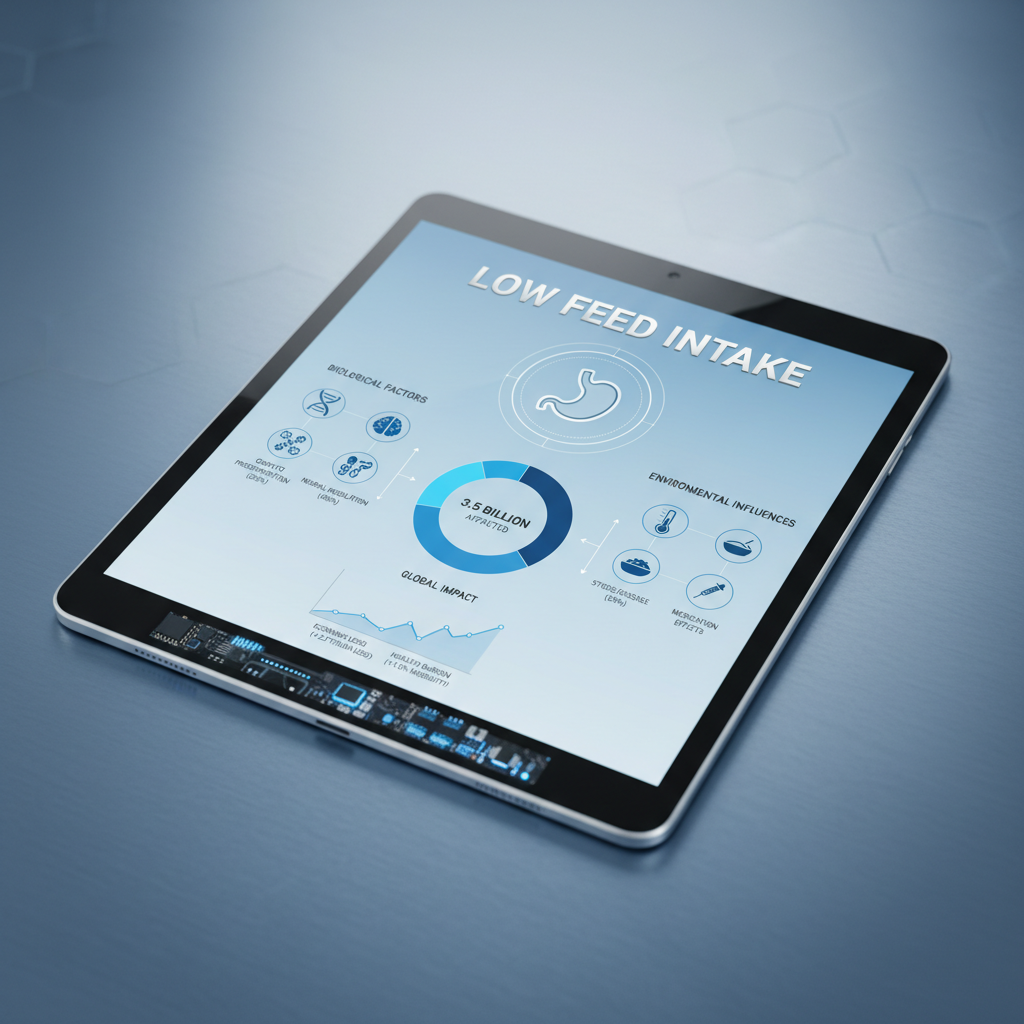
Low feed intake is a critical concern across various sectors, from animal husbandry and aquaculture to human nutrition in emergency situations. It signifies insufficient consumption of essential nutrients, leading to compromised health, reduced productivity, and increased mortality rates. Understanding the underlying causes and implementing effective strategies to address low feed intake is crucial for sustainable development and well-being globally. This challenge necessitates innovative solutions, ranging from optimized feed formulations to improved feeding management practices.
The global relevance of low feed intake stems from its multifaceted impacts. In developing countries, limited access to nutritious food and inadequate feeding practices often contribute to malnutrition, especially among children and vulnerable populations. Simultaneously, in agricultural settings, low feed intake in livestock can drastically reduce yields, impacting food security and economic stability. The complexities of addressing this issue are amplified by factors like climate change, disease outbreaks, and geopolitical instability.
Addressing low feed intake isn’t solely about increasing quantity; it’s about optimizing quality and palatability. This is where advancements in feed technology and nutritional science play a pivotal role. Effective strategies must consider species-specific needs, environmental conditions, and socioeconomic constraints to achieve lasting improvements in nutritional status and overall health. low feed intake can be a complex issue, requiring a holistic approach.
Introduction: Global or Industry Context
Globally, instances of low feed intake contribute significantly to economic losses in the agricultural sector, estimated at billions of dollars annually due to reduced livestock production and aquaculture yields. According to the Food and Agriculture Organization of the United Nations (FAO), suboptimal nutrition, often linked to low feed intake, is a major constraint to improving animal protein availability in many developing countries. This directly impacts food security and livelihoods, particularly for vulnerable communities reliant on animal agriculture.
The issue extends beyond agricultural productivity. In humanitarian crises, disruptions to food supply chains and limited access to nutritious food frequently result in widespread low feed intake, leading to increased rates of malnutrition and associated health complications. The World Food Programme (WFP) consistently addresses this challenge through targeted interventions, including supplementary feeding programs and nutritional support for affected populations. Effective monitoring and early intervention are critical in mitigating the devastating consequences of inadequate food consumption.
Moreover, international standards, like those set by the ISO, increasingly emphasize the importance of traceability and quality control throughout the feed production chain. These standards aim to ensure that animals receive adequate nutrition, ultimately contributing to safe and sustainable food production. Failing to address low feed intake undermines these efforts and can have long-term repercussions for public health and economic stability.
Definition & Meaning
Low feed intake, in its simplest terms, refers to the consumption of an insufficient amount of feed to meet an organism's nutritional requirements. This can manifest as a reduced overall quantity of food consumed, a selective rejection of certain nutrients, or a decreased ability to efficiently digest and absorb nutrients from the feed. It’s a symptom rather than a disease in itself, often indicating an underlying issue, such as illness, stress, poor feed quality, or environmental factors.
In the context of modern industry, particularly in livestock and aquaculture, low feed intake directly translates to reduced growth rates, lower product yields (meat, milk, eggs, fish), and increased production costs. Addressing this requires a detailed understanding of the animal’s specific nutritional needs, as well as the factors that influence feed consumption. low feed intake presents a significant challenge to producers.
From a humanitarian perspective, low feed intake often signifies food insecurity and malnutrition, particularly in vulnerable populations. It’s a critical indicator of a broader systemic issue, often linked to poverty, conflict, and environmental degradation. Effective interventions require a multi-sectoral approach, encompassing food assistance, nutritional education, and sustainable agricultural practices.
Key Factors or Core Components
Palatability: The taste, smell, and texture of feed significantly impact consumption. Feeds that are unappealing to the animal, due to poor quality ingredients or improper processing, will likely result in reduced intake. Ensuring feed is palatable is the first step to encourage consumption.
Feed Quality & Nutrient Density: Low-quality feed lacking essential nutrients cannot adequately meet an animal’s physiological needs. Nutrient deficiencies trigger reduced appetite and impaired digestive function, leading to decreased feed intake.
Health Status: Underlying illnesses, infections, or parasitic infestations can suppress appetite and impair nutrient absorption, resulting in low feed intake. Prompt diagnosis and treatment of health issues are critical for restoring normal feeding behavior.
Environmental Stressors: Factors such as extreme temperatures, overcrowding, noise pollution, and inadequate ventilation can induce stress, leading to reduced feed intake. Providing a comfortable and stress-free environment is crucial for optimal nutrition.
Feeding Management: Inappropriate feeding schedules, limited access to feed, or competition for resources can all contribute to reduced feed intake. Proper feeding management practices, tailored to the species and age of the animal, are essential for ensuring adequate consumption.
Digestive Function: Impaired digestive function, whether due to gut dysbiosis, enzyme deficiencies, or other digestive disorders, can reduce the animal's ability to efficiently extract nutrients from feed, leading to decreased appetite and low feed intake.
Global Applications & Use Cases
In post-disaster relief operations, providing access to nutrient-rich feed for livestock and poultry is crucial for supporting affected communities and restoring livelihoods. Organizations like the FAO and WFP often distribute emergency feed supplies to prevent widespread animal losses and ensure food security in the aftermath of natural disasters. Addressing low feed intake is vital in these scenarios.
In remote industrial zones, particularly in aquaculture and intensive livestock farming, optimizing feed formulations and feeding strategies is essential for maximizing production efficiency and minimizing environmental impact. Precision feeding technologies and dietary supplements are increasingly employed to address nutrient deficiencies and improve feed conversion ratios.
Across the African continent, addressing low feed intake in livestock is a key priority for improving food security and reducing poverty. Initiatives focused on promoting improved pasture management, drought-resistant forage crops, and supplementary feeding programs are helping to enhance livestock productivity and resilience.
Advantages & Long-Term Value
Addressing low feed intake translates to significant cost savings for producers. Improved feed conversion ratios and reduced mortality rates lead to higher yields and lower production expenses. Furthermore, optimizing feed formulations can minimize waste and reduce the environmental footprint of animal agriculture.
From a sustainability perspective, promoting efficient feed utilization reduces the demand for land, water, and other resources required for feed production. This contributes to more sustainable agricultural practices and helps to mitigate the environmental impacts of food production. Investing in solutions to address low feed intake is therefore an investment in environmental stewardship.
Low Feed Intake Improvement Strategies
Future Trends & Innovations
The development of precision feeding technologies, utilizing sensors and data analytics to monitor individual animal needs and optimize feed delivery, holds immense promise for improving feed efficiency and reducing waste. This involves real-time assessment of nutritional status and adjustments to feed formulations based on individual animal requirements.
Furthermore, research into alternative feed sources, such as insect protein, algae, and single-cell proteins, is gaining momentum as a sustainable solution to address the growing demand for animal feed. These alternative protein sources offer a lower environmental footprint and can contribute to greater food security.
Challenges & Solutions
A major challenge in addressing low feed intake is the lack of widespread access to diagnostic tools and expertise for accurately identifying underlying causes. Implementing training programs for veterinarians, livestock farmers, and aquaculture operators is crucial for improving diagnostic capabilities.
Another significant barrier is the cost of implementing advanced feeding technologies and nutritional interventions. Financial incentives and access to affordable credit can help to overcome this obstacle and encourage the adoption of innovative solutions. low feed intake requires innovative solutions.
Finally, overcoming resistance to change and promoting the adoption of best practices requires effective communication and collaboration among stakeholders, including researchers, producers, policymakers, and consumers. Building trust and fostering a shared commitment to sustainable nutrition are essential for achieving lasting improvements.
Core Analysis of Challenges and Solutions for Low Feed Intake
| Challenge Area |
Root Cause |
Proposed Solution |
Implementation Cost (1-10) |
| Diagnostic Limitations |
Lack of trained personnel & affordable tools |
Mobile diagnostic labs & telemedicine consultations |
6 |
| Feed Quality Control |
Insufficient regulation & adulteration |
Strengthened regulatory frameworks & traceability systems |
7 |
| Climate Change Impacts |
Droughts & extreme weather events |
Drought-resistant forage crops & water conservation techniques |
5 |
| Access to Finance |
Limited credit availability for smallholder farmers |
Microfinance initiatives & subsidized loan programs |
8 |
| Knowledge Gaps |
Lack of awareness about best practices |
Extension services & farmer training programs |
4 |
| Supply Chain Disruptions |
Geopolitical instability & logistical challenges |
Diversified sourcing & local feed production |
9 |
FAQS
Several factors can contribute to low feed intake in livestock, including underlying health issues like infections or parasites, poor feed quality lacking essential nutrients, environmental stressors such as extreme temperatures or overcrowding, and improper feeding management practices. Identifying the root cause is crucial for implementing effective solutions. It is vital to ensure the animals receive a balanced diet and a comfortable environment to maximize their feed consumption and overall well-being.
Enhancing feed palatability can significantly increase consumption. Strategies include adding palatable supplements like molasses or oils, improving the texture of the feed through particle size adjustments, and ensuring the feed is fresh and free from mold or off-odors. Utilizing feed additives designed to enhance flavor and aroma can also be effective. It's important to consider the species-specific preferences when selecting palatability enhancers.
Digestive enzymes aid in breaking down complex nutrients into smaller, more readily absorbable components. Supplementing feed with appropriate enzymes can improve nutrient digestion and absorption, particularly in animals with digestive impairments or those fed diets high in fiber. This can lead to increased feed efficiency and improved overall health, resulting in better feed intake.
Minimizing environmental stressors is crucial for optimizing feed intake. This includes providing adequate ventilation, maintaining comfortable temperatures, ensuring sufficient space, and reducing noise pollution. Social grouping should also be carefully managed to minimize competition and aggression. Providing enrichment activities can also help to reduce stress and improve animal welfare.
Monitoring feed intake is a critical management practice for detecting early signs of health problems, assessing the effectiveness of feeding strategies, and optimizing production efficiency. Regularly tracking feed consumption allows producers to identify potential issues before they escalate and to make informed decisions about diet adjustments and management practices. Sudden drops in feed intake are often indicative of underlying health concerns.
Absolutely! Implementing preventative measures is key. This includes a robust vaccination program, regular parasite control, maintaining high biosecurity standards to prevent disease outbreaks, and providing a balanced, high-quality diet. Proactive health management and a focus on animal welfare are essential for minimizing the risk of low feed intake and ensuring optimal animal performance.
Conclusion
In conclusion, low feed intake represents a complex challenge with far-reaching implications for animal health, food security, and economic sustainability. Addressing this issue requires a holistic approach encompassing improved feed quality, optimized feeding management practices, effective disease control, and the mitigation of environmental stressors. Embracing innovation and investing in research are crucial for developing sustainable solutions.
Looking ahead, continued advancements in precision feeding technologies, alternative feed sources, and diagnostic tools will play a vital role in combating low feed intake. Collaboration among researchers, producers, policymakers, and consumers is essential for fostering a shared commitment to optimal nutrition and animal welfare. Visit our website at www.zthjpharma.com to learn more about our solutions.