Water quality is a fundamental concern globally, impacting public health, industrial processes, and environmental sustainability. Ensuring safe and reliable water sources isn't just about purification; it's about maintaining that quality throughout the system, from source to tap. This is where a water quality stabilizer comes into play. We’re talking about preventing corrosion, scaling, and biological growth – all things that degrade water quality and can lead to significant operational and health hazards. It's a practical necessity, not just an environmental box to check.
I've spent enough time crawling through pipe trenches and talking to plant operators to know that a fancy filtration system is useless if the water lines themselves are corroding. That’s a hard-learned lesson, and it’s why preventative maintenance with effective stabilization strategies is so crucial. The cost of inaction – pipe replacements, downtime, potential health crises – far outweighs the investment in a good water quality stabilizer program. From municipal water treatment facilities to industrial cooling towers, this is a critical, often overlooked, piece of the puzzle.
Frankly, too many people think about water quality only when there’s a problem. That’s backwards. A robust water quality stabilizer is proactive – it's about building resilience into the system from the start, safeguarding infrastructure, and ensuring a consistent, safe water supply. It's about minimizing headaches before they happen, and trust me, as someone who’s patched countless leaks, prevention is always better than cure.
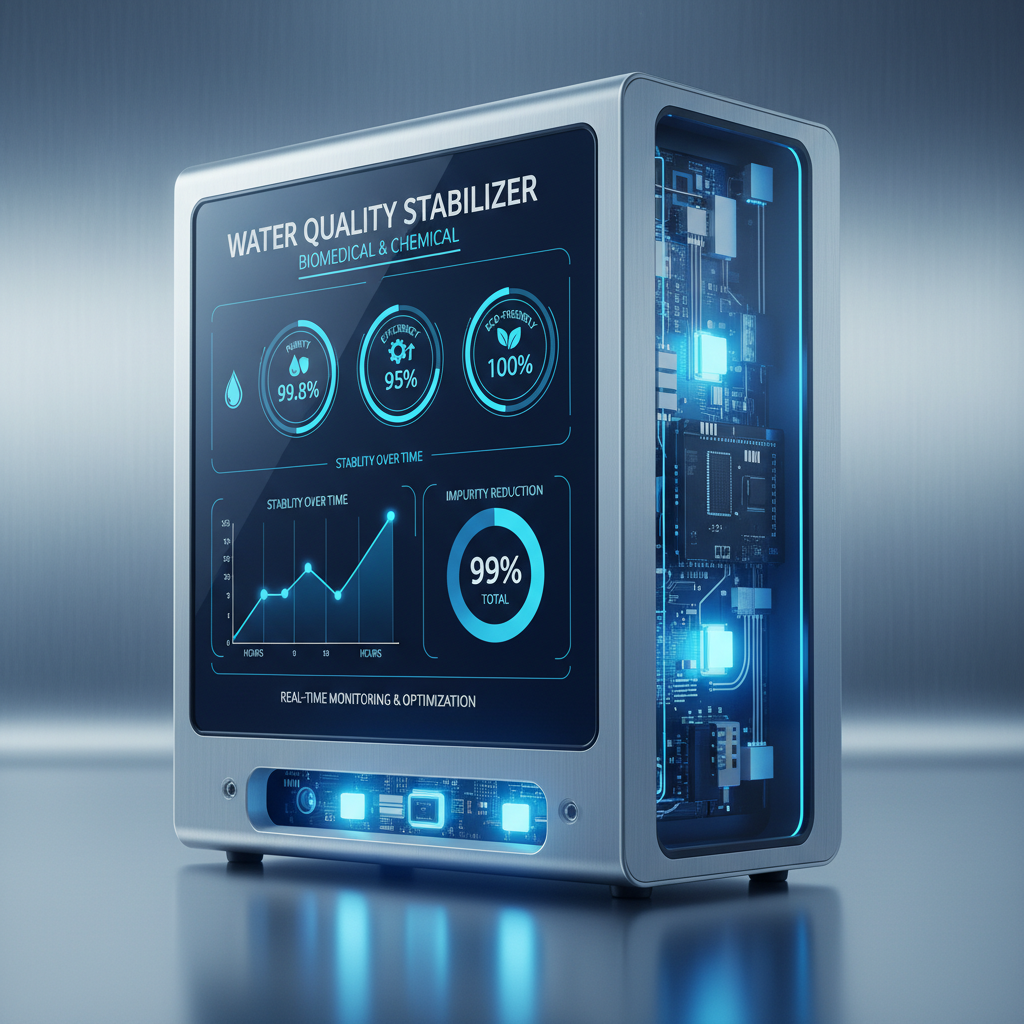
From my experience working directly with systems, I can tell you that just treating water isn’t enough. You need to keep it treated. That’s where stabilization comes in. It's about understanding the specific chemistry of the water you’re dealing with – the pH, the mineral content, the potential for corrosion – and implementing a program to maintain optimal conditions. Without it, even the cleanest water can quickly become problematic. water quality stabilizers aren’t a one-size-fits-all solution, though; they need to be tailored to the specific environment.
We often see issues in newly installed piping systems – even with the best materials. That’s because the initial shock of the water can disrupt the passive layer that protects the metal. A good stabilization program mitigates that risk, extending the lifespan of the infrastructure and preventing costly repairs. The UN estimates that billions are lost annually due to water infrastructure failures; preventative measures like proper stabilization can significantly reduce that figure.
Water quality stabilizers primarily target several types of corrosion, including general corrosion (uniform thinning of metal surfaces), pitting corrosion (localized, deep holes), and galvanic corrosion (resulting from dissimilar metals in contact). They work by forming a protective film on metal surfaces, neutralizing corrosive agents, or adjusting the water's pH to a less corrosive level. The specific stabilizer used will depend on the type of corrosion being addressed and the materials involved in the system. Often, a combination approach is most effective.
The frequency of water quality testing depends on several factors, including the size and complexity of the system, the source of the water, and the specific stabilizer being used. As a general rule, initial testing should be conducted frequently (e.g., daily or weekly) to establish a baseline and optimize the treatment program. Once the system is stabilized, testing can be reduced to a monthly or quarterly schedule. Regular monitoring is key to ensuring the program remains effective and identifying any potential issues before they escalate.
Environmental impact is a significant concern. It’s important to choose stabilizers that are biodegradable, non-toxic, and do not contribute to harmful byproducts. Phosphate-based stabilizers, for example, can contribute to eutrophication in waterways. Increasingly, there's a demand for "greener" stabilizer chemistries and a focus on minimizing the overall chemical footprint of water treatment programs. Compliance with local regulations is also critical.
Absolutely. In fact, they often should be. Water quality stabilization complements other processes like disinfection, filtration, and softening. Stabilizers protect the equipment used in these processes, prevent scaling and corrosion that can reduce efficiency, and ensure that the treated water remains stable throughout the distribution system. It's about creating a holistic, integrated water management strategy.
Both overdosing and underdosing can have negative consequences. Overdosing can lead to chemical imbalances, potentially creating new problems like scaling or corrosion. It can also increase the cost of treatment and pose environmental risks. Underdosing, on the other hand, may not provide adequate protection against corrosion or scaling, leading to system deterioration and reduced efficiency. Precise dosing control and regular monitoring are essential to avoid these risks.
The piping material significantly impacts stabilizer selection. For example, copper is susceptible to corrosion from acidic water, so a stabilizer designed to raise the pH and form a protective film is crucial. PVC is generally more resistant to corrosion but can be affected by certain chemicals. Steel piping requires stabilizers to prevent rust and corrosion. Compatibility between the stabilizer and the piping material is paramount to avoid accelerating deterioration or leaching of harmful substances.
Ultimately, a robust water quality stabilizer program is more than just a technical fix; it’s an investment in long-term sustainability, public health, and operational efficiency. It requires a deep understanding of water chemistry, careful monitoring, and a proactive approach to maintenance. Ignoring this vital aspect of water management is a costly mistake.
As technology advances and regulations become more stringent, the role of smart stabilization systems and environmentally friendly chemistries will only grow. Don’t wait for a crisis to happen. Start building a resilient water infrastructure today. For more information on how we can help you optimize your water quality stabilization program, visit our website at www.zthjpharma.com.