Fish and shrimp represent a cornerstone of global food security and economic livelihood. From bustling coastal communities to inland fisheries, these aquatic resources provide sustenance for billions and fuel significant international trade. Understanding the intricacies of their production, sustainability, and market dynamics is no longer a niche concern; it's a critical imperative for ensuring food systems can withstand growing pressures from climate change, population growth, and shifting consumer demands. We're seeing more reliance on efficient farming practices, responsible sourcing, and innovative technologies to meet this rising need, and it all starts with a solid grasp of the fundamentals.
The demand for fish and shrimp continues to surge worldwide, particularly in developing nations experiencing dietary shifts towards protein-rich foods. According to the UN’s Food and Agriculture Organization (FAO), over a third of the world’s population relies on fish as a primary source of protein. This escalating demand strains wild fish stocks and necessitates a growing dependence on aquaculture, which, while promising, faces challenges related to environmental impact, disease management, and supply chain transparency. Ensuring sustainable practices is paramount.
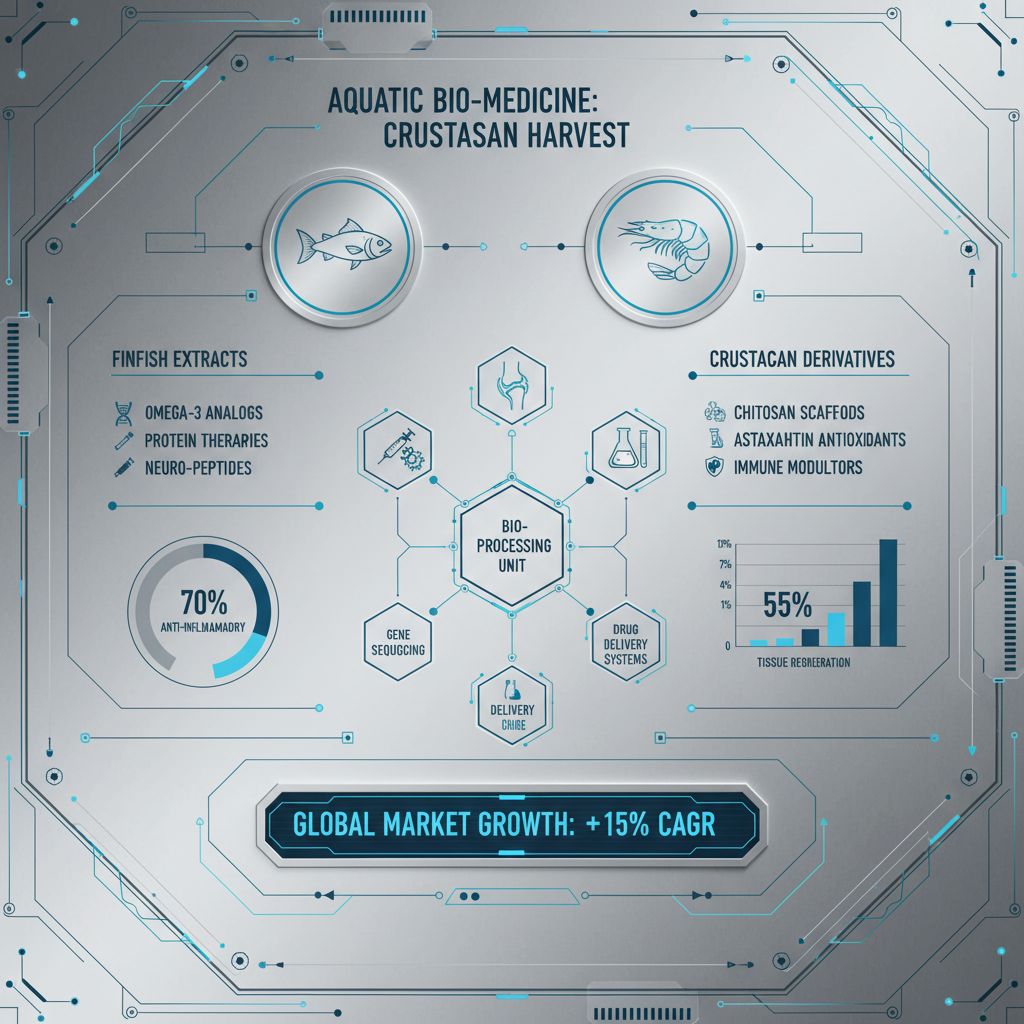
Simply put, fish and shrimp are aquatic animals vital to human nutrition and global economies. Fish, encompassing a vast diversity of species, are vertebrates typically living in water, while shrimp are crustaceans characterized by their elongated bodies and swimming appendages. Their connection to modern industry isn't merely culinary; it extends to pharmaceuticals (omega-3 fatty acids), agriculture (fish emulsion fertilizer), and even biofuels. The future demands a holistic approach to resource management, innovation, and international cooperation to ensure these resources remain available for generations to come.
The Global Significance of fish and shrimp
We’re talking about a protein source for over three billion people – that’s a lot of meals. It’s not just about filling plates, though. Fisheries and aquaculture provide livelihoods for over 60 million people globally, and that number is climbing. From the small-scale fisherman in Southeast Asia to the large-scale shrimp farms in Latin America, this industry is vital. We need to think about the whole system, not just the end product.
Understanding the logistics alone is a massive undertaking. Traceability, cold chain management, and biosecurity are all essential, and frankly, areas where we see a lot of room for improvement. The global fish and shrimp trade is complex, spanning continents and involving numerous actors. Maintaining quality and sustainability throughout that chain requires serious investment and cooperation.
Defining fish and shrimp
Fish, simply put, are aquatic vertebrates – animals with backbones – adapted for life in water. It’s a hugely diverse group, ranging from tiny anchovies to massive tuna. Then you’ve got shrimp, which are crustaceans, meaning they're related to crabs and lobsters. They’re generally smaller, have exoskeletons, and those distinctive swimming legs. It's easy to oversimplify, but appreciating the biological differences is key to understanding their varying needs in aquaculture and their susceptibility to different diseases.
In modern industry, this translates into specialized farming techniques. Fish farming often involves open-net pens or recirculating aquaculture systems, while shrimp farming is typically done in ponds. Knowing the biological specifics dictates how we manage water quality, feed, and disease prevention. It’s not a one-size-fits-all approach; you need to tailor your practices to the species and the environment.
From a humanitarian perspective, providing access to affordable and nutritious fish and shrimp is crucial, especially in food-insecure regions. These aren’t luxury items; they’re fundamental sources of protein, essential fatty acids, and micronutrients. Improving aquaculture practices can help address nutritional deficiencies and support local economies.
Key Aspects of Sustainable fish and shrimp Production
Sustainability in fish and shrimp farming isn't just a buzzword; it's about long-term viability. We’re talking about minimizing environmental impact, ensuring animal welfare, and supporting the livelihoods of the people involved. One crucial aspect is responsible feed sourcing. Using sustainable fishmeal and finding alternative protein sources like insect meal are key. We've spent years looking at this – it’s about reducing our reliance on wild-caught fish for feed.
Water quality management is another huge factor. Shrimp farms, in particular, can generate significant wastewater. Implementing effective treatment systems, like biofiltration and constructed wetlands, is vital to prevent pollution and protect surrounding ecosystems. I've seen too many operations that cut corners on water treatment, and the consequences are always severe. It's not just about complying with regulations; it's about doing the right thing.
Disease prevention is paramount. High-density farming practices can create ideal conditions for disease outbreaks. Employing biosecurity measures, like quarantine protocols and vaccination programs, can significantly reduce the risk. And remember, a healthy environment means healthy animals. Focusing on improving water quality and minimizing stress also contributes to disease resistance.
Operational Efficiency in fish and shrimp Farming
Running a profitable fish or shrimp farm is a complex operation, and efficiency is paramount. We’re talking about optimizing feed conversion ratios, minimizing mortality rates, and reducing operational costs. Data collection and analysis are crucial here. Monitoring water parameters, growth rates, and feed consumption allows you to identify areas for improvement.
Automation is playing an increasingly important role. Automated feeding systems, water quality monitoring sensors, and even robotic cleaning systems can significantly improve efficiency and reduce labor costs. We've seen some impressive advancements in this area, but it’s important to choose technology that's appropriate for the scale and type of operation.
Operational Efficiency Metrics for fish and shrimp Farming
Global Applications and Market Dynamics of fish and shrimp
The applications of fish and shrimp extend far beyond the dinner plate. In many coastal communities, they're the economic backbone, providing employment and income for thousands. We’re seeing a growing demand for sustainably sourced seafood in developed markets, driving innovation in traceability and certification programs.
Major importing regions include the United States, Europe, and Japan, while key exporting countries are Vietnam, Thailand, Ecuador, and Indonesia. Understanding these trade flows is crucial for predicting market trends and identifying opportunities.
Long-Term Value and Advantages of Responsible fish and shrimp Sourcing
Investing in responsible fish and shrimp sourcing isn't just about doing the right thing; it's about building a resilient and profitable industry. Consumers are increasingly willing to pay a premium for sustainably sourced products. That demand is driving market transformation.
From a social impact perspective, supporting responsible fisheries and aquaculture can empower local communities and improve livelihoods. It’s about fair labor practices, access to resources, and building long-term partnerships. From a reliability standpoint, sustainable practices safeguard the long-term availability of these vital resources. That's something we all benefit from.
The advantages are clear: reduced environmental impact, improved product quality, enhanced brand reputation, and increased consumer trust. It’s a win-win situation for everyone involved.
Future Trends and Challenges in fish and shrimp Aquaculture
We're on the cusp of some exciting innovations in fish and shrimp aquaculture. Recirculating aquaculture systems (RAS) are becoming increasingly popular, offering greater control over water quality and reducing environmental impact. Genomic selection is also showing promise, allowing us to breed fish and shrimp that are more resistant to disease and grow faster.
But we also face some significant challenges. Climate change is already impacting fish populations and aquaculture operations. Rising water temperatures, ocean acidification, and extreme weather events are all posing threats. We need to develop adaptive strategies to mitigate these risks.
Furthermore, the spread of aquatic animal diseases remains a major concern. Investing in research and development of new vaccines and biosecurity measures is crucial. And let’s not forget the need for better regulation and enforcement to ensure sustainable practices are followed.
Key Performance Indicators for Aquaculture Operations
| Operation Type |
Feed Conversion Ratio (FCR) |
Survival Rate (%) |
Water Quality Index |
| Intensive Shrimp Farming |
1.8 |
75 |
7.2 |
| Recirculating Aquaculture System (RAS) – Salmon |
1.2 |
90 |
8.5 |
| Extensive Fish Pond (Tilapia) |
2.5 |
60 |
6.8 |
| Open-Net Pen Farming (Tuna) |
3.0 |
50 |
6.0 |
| Integrated Multi-Trophic Aquaculture (IMTA) |
1.5 |
80 |
7.8 |
| Offshore Aquaculture (Cobia) |
2.0 |
70 |
7.0 |
FAQS
Determining a truly sustainable fish farm requires looking at several factors. We need to consider the source of feed - is it responsibly harvested or utilizing alternative proteins? Water quality management is crucial - are they treating wastewater effectively? Also, look at energy usage, waste reduction, and labor practices. Certification programs like the Aquaculture Stewardship Council (ASC) offer a good starting point, but it's vital to dig deeper and understand the farm’s overall environmental and social impact.
Climate change poses a significant threat to shrimp farming. Rising water temperatures can lead to increased disease outbreaks and reduced growth rates. More frequent and intense storms can damage infrastructure and disrupt operations. Sea level rise also threatens coastal shrimp farms with saltwater intrusion. Adapting to these changes requires implementing resilient infrastructure, diversifying farming practices, and investing in climate-resilient shrimp varieties.
Technology is revolutionizing aquaculture. Automated feeding systems optimize feed delivery, reducing waste and improving growth. Sensors monitor water quality in real-time, allowing for proactive management. Data analytics help identify patterns and optimize operations. Furthermore, innovative technologies like RAS and genomic selection are improving sustainability and productivity. However, it's important to choose technologies appropriate for the scale and context of the farm.
Traceability is a major challenge. The supply chain is often complex, involving numerous actors across multiple countries. Fraud and mislabeling are common. Implementing effective traceability systems requires investment in technology, like blockchain, and collaboration among all stakeholders. Consumers are demanding greater transparency, so building a robust traceability system is essential for building trust and protecting brand reputation.
Consumers have a powerful role to play. Choosing seafood certified by organizations like ASC or MSC ensures it’s sourced responsibly. Asking questions about the origin of the fish or shrimp can encourage retailers and restaurants to prioritize sustainability. Reducing food waste and diversifying your seafood choices are also helpful. Supporting businesses committed to sustainable practices sends a strong message to the industry.
We’re seeing a lot of innovation in alternative protein sources for fish feed. Insect meal, produced from black soldier fly larvae, is gaining traction as a sustainable and nutritious alternative to fishmeal. Algae is also showing promise, offering a renewable and protein-rich source. Single-cell proteins, produced through fermentation, are another emerging option. These alternatives can reduce our reliance on wild-caught fish and improve the sustainability of aquaculture.
Conclusion
Fish and shrimp represent a critical resource for global food security and economic livelihoods. Sustainable production, efficient operations, and responsible sourcing are paramount. From minimizing environmental impact and ensuring animal welfare to empowering local communities, the benefits of a well-managed industry are far-reaching. Investing in innovation, embracing technology, and fostering collaboration are essential steps towards building a resilient and sustainable future for fish and shrimp aquaculture.
Looking ahead, we need to prioritize climate change adaptation, disease prevention, and traceability. By addressing these challenges and seizing emerging opportunities, we can ensure that fish and shrimp continue to provide nutrition and economic opportunities for generations to come. Visit our website at fish and shrimp to learn more about our commitment to sustainable aquaculture.