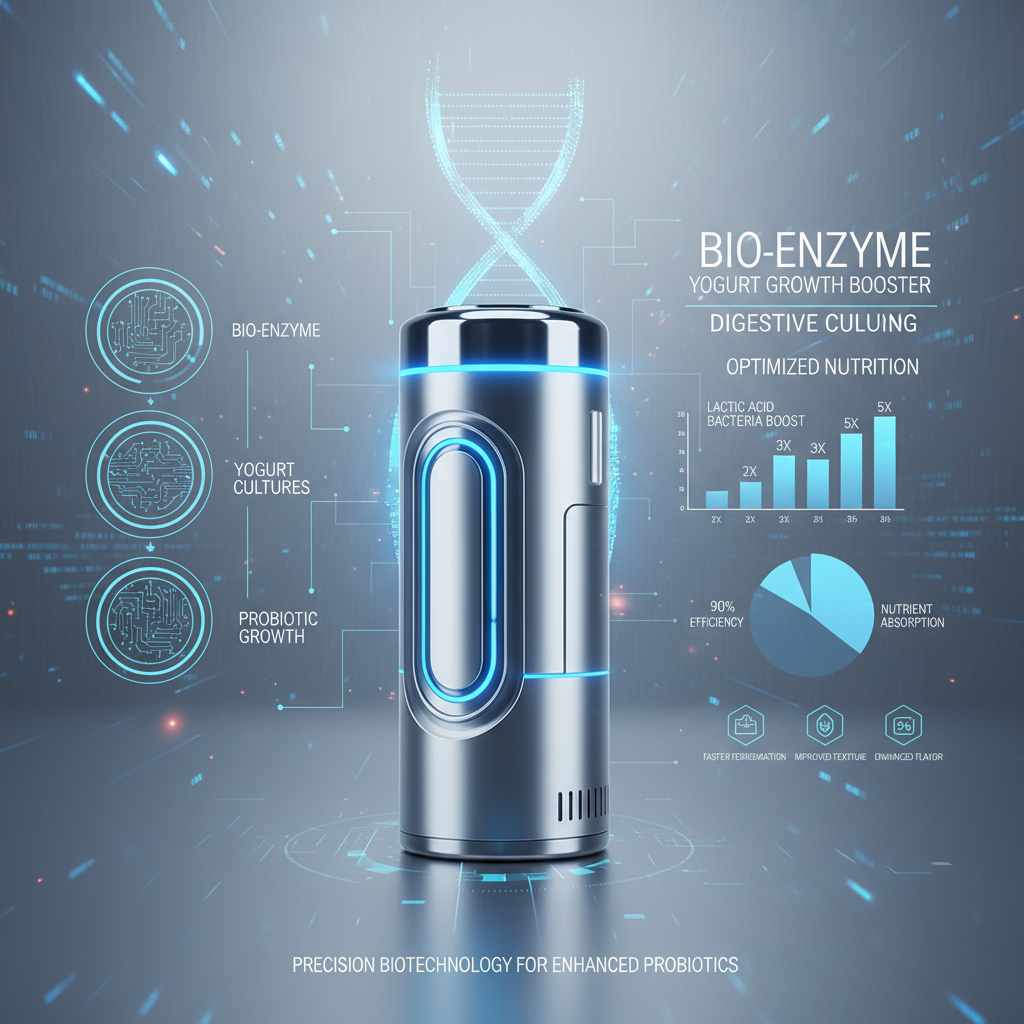
In the evolving landscape of veterinary medicine and animal nutrition, the emergence of the bio-enzyme yogurt growth promoter represents a significant leap toward sustainable livestock management. By combining the probiotic benefits of yogurt-based delivery systems with targeted enzymatic activity, this innovation addresses the critical need for natural alternatives to traditional growth stimulants. This synergy not only enhances nutrient absorption but also fosters a resilient gut microbiome in poultry and livestock, ensuring healthier growth cycles and higher productivity.
Globally, the demand for antibiotic-free meat and dairy has pressured the pharmaceutical and agricultural sectors to develop biologically active solutions. The bio-enzyme yogurt growth promoter functions as a sophisticated biological tool that optimizes the digestive efficiency of animals, reducing waste and lowering the environmental footprint of large-scale farming. As international standards for animal welfare and food safety tighten, such bio-technological advancements become essential for maintaining global food security without compromising ecological integrity.
Understanding the mechanisms behind this growth promoter is key for producers looking to maximize yield while maintaining strict health protocols. From improving the bioavailability of minerals to stabilizing the intestinal flora, the bio-enzyme yogurt growth promoter bridges the gap between raw nutritional intake and actual systemic growth. By exploring its components, applications, and long-term value, stakeholders can implement a more holistic approach to veterinary care and pharmaceutical animal nutrition.
Global Industry Context of Bio-Enzyme Yogurt Growth Promoter
The global veterinary pharmaceutical industry is currently undergoing a paradigm shift toward "Green Growth." With the World Health Organization (WHO) and various ISO standards emphasizing the reduction of antimicrobial growth promoters (AGPs) to combat antibiotic resistance, the search for biological alternatives has intensified. The bio-enzyme yogurt growth promoter has emerged as a leading solution, leveraging fermented substrates to deliver essential enzymes and probiotics directly to the animal's gut.
Market data suggests a steady increase in the adoption of enzyme-based supplements across Asia and Europe, where livestock regulations are most stringent. By integrating the prebiotic nature of yogurt with specific bio-enzymes, producers can maintain growth rates comparable to traditional chemical promoters while significantly improving the health profile of the livestock. This transition is not merely a regulatory requirement but a strategic move toward higher-quality protein production.
Definition and Biological Mechanism
In technical terms, a bio-enzyme yogurt growth promoter is a synergistic additive composed of specific microbial cultures (such as Lactobacillus) and concentrated bio-enzymes (including amylase, protease, and cellulase) stabilized within a yogurt-like fermented matrix. Unlike simple enzyme powders, the yogurt base provides a protective environment for the microorganisms and ensures a smoother delivery, improving palatability and the survival rate of the bio-actives during digestion.
The primary mechanism involves the breakdown of complex macromolecules in the animal's feed. Bio-enzymes accelerate the hydrolysis of non-starch polysaccharides (NSPs) and proteins, converting them into simple sugars and amino acids that are easily absorbed by the intestinal wall. This reduces the energy expenditure required for digestion and redirects that metabolic energy toward muscle development and weight gain.
Furthermore, the probiotic component of the yogurt growth promoter colonizes the gut, creating an acidic environment that inhibits the growth of pathogenic bacteria like E. coli and Salmonella. This dual-action—enzymatic breakdown and microbial competition—ensures that the animal's immune system is not overloaded, allowing for a steady, healthy growth trajectory without the need for synthetic drugs.
Core Components for Maximum Efficiency
To ensure a bio-enzyme yogurt growth promoter performs optimally, the balance of its enzymatic profile is critical. Proteases and lipases must be calibrated to match the specific digestive capacity of the target species, whether it be piglets, broilers, or calves, ensuring that no nutrient is left wasted in the excreta.
Stability and bioavailability are the hallmarks of a high-quality bio-enzyme yogurt growth promoter. The use of micro-encapsulation techniques within the fermented yogurt matrix prevents the enzymes from denaturing due to heat or pH changes in the upper gastrointestinal tract, allowing them to release their activity precisely in the small intestine.
Lastly, the synergy between the prebiotic fibers in the yogurt base and the added bio-enzymes creates a "synbiotic" effect. This enhances the bio-enzyme yogurt growth promoter's ability to modulate the gut-brain axis, reducing stress-induced growth stagnation in young animals and promoting a more consistent feed conversion ratio (FCR).
Practical Applications in Modern Livestock
The application of the bio-enzyme yogurt growth promoter varies across different livestock sectors. In poultry farming, it is often administered during the starter phase to accelerate the development of the villi in the intestinal wall. This leads to improved nutrient absorption and a significant reduction in mortality rates during the critical first few weeks of life.
In the swine industry, particularly in weaning piglets, the growth promoter is used to mitigate the "weaning stress" that often leads to diarrhea and stunted growth. By providing a stable source of enzymes and beneficial bacteria, the product helps the piglet transition from maternal milk to solid feed more efficiently, reducing the reliance on pharmaceutical interventions.
Performance Comparison of Bio-Enzyme Yogurt Growth Promoter Variants
Long-Term Value and Sustainability
Implementing a bio-enzyme yogurt growth promoter offers profound economic and environmental advantages. From a cost-efficiency perspective, the improvement in the feed conversion ratio (FCR) means that farmers can achieve the same animal weight with less raw feed, directly reducing the largest overhead cost in livestock production.
Beyond the balance sheet, the sustainability impact is significant. Because the bio-enzymes ensure more complete digestion, there is a measurable decrease in nitrogen and phosphorus excretion in animal waste. This reduces the acidification of soil and the eutrophication of water bodies surrounding industrial farms, aligning livestock production with global green energy and sustainability goals.
Future Innovations in Bio-Enzymatic Promoters
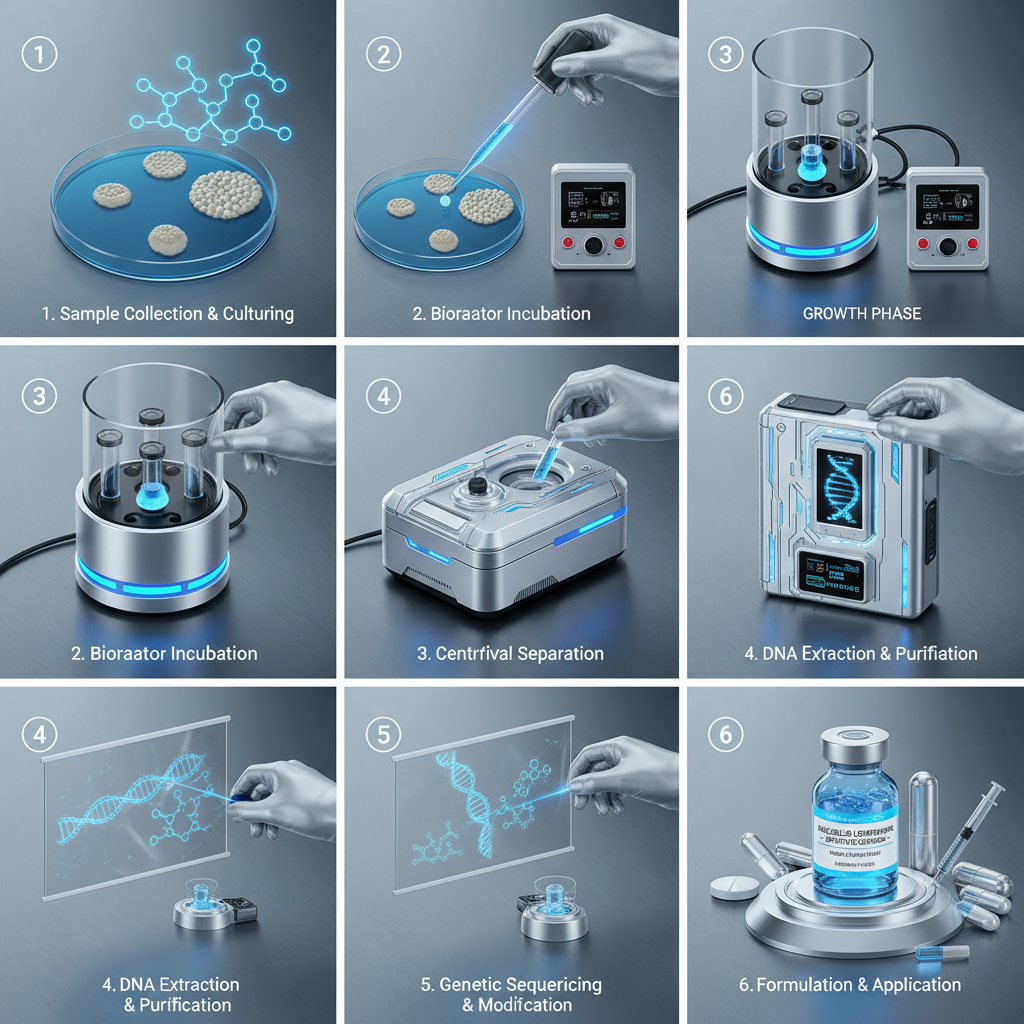
The future of the bio-enzyme yogurt growth promoter lies in the integration of precision biotechnology. We are seeing a move toward "customized enzyme cocktails" tailored to the genetic profile of specific breeds. By analyzing the microbiome of a high-performing herd, scientists can design a growth promoter that precisely fills the enzymatic gaps of that specific population.
Digital transformation is also playing a role. IoT-enabled feeding systems are being developed to adjust the dosage of the bio-enzyme yogurt growth promoter in real-time based on the animal's growth stage and health markers. This "precision nutrition" approach eliminates waste and maximizes the biological efficacy of the supplement.
Furthermore, research into CRISPR and synthetic biology may soon allow for the creation of "super-strains" of probiotic bacteria within the yogurt matrix. These strains could be engineered to produce the necessary enzymes in situ within the animal's gut, creating a continuous, self-sustaining growth-promoting environment that lasts throughout the animal's lifecycle.
Overcoming Challenges in Field Implementation
Despite the benefits, the adoption of the bio-enzyme yogurt growth promoter faces challenges, primarily regarding storage and cold-chain logistics. Because the product contains live cultures and sensitive enzymes, maintaining temperature stability from the factory to the farm is essential to prevent loss of potency.
Another hurdle is the initial cost of transition. While the long-term FCR gains are clear, the upfront cost of bio-enzyme products is often higher than simple chemical additives. To solve this, many organizations are moving toward a "value-based" procurement model, where the cost is offset by the premium price that "antibiotic-free" and "sustainably raised" meat commands in the retail market.
Education also remains a barrier. Many traditional farmers are hesitant to move away from established pharmaceutical protocols. The solution lies in transparent, data-driven demonstrations and the provision of technical support to help farmers optimize the delivery and dosage of the bio-enzyme yogurt growth promoter for their specific environment.
Technical Analysis of Bio-Enzyme Yogurt Growth Promoter Performance Dimensions
| Analysis Dimension |
Standard Bio-Enzyme |
Yogurt-Matrix Promoter |
Impact on FCR |
| Enzyme Stability |
Moderate |
High |
Positive |
| Gut Colonization |
Low |
Excellent |
Significant |
| Palatability |
Neutral |
High |
Moderate |
| Pathogen Inhibition |
Minimal |
Strong |
Positive |
| Cost per Unit |
Lower |
Moderate |
High ROI |
| Environmental Load |
Medium |
Low |
High Reduction |
FAQS
The yogurt matrix acts as a biological shield, protecting the enzymes and probiotics from the harsh acidic environment of the stomach. This ensures a higher percentage of the active ingredients reach the small intestine intact. Additionally, the probiotic cultures in the yogurt base create a synergistic effect, improving the overall gut health and nutrient absorption, which simple powders cannot achieve.
While a bio-enzyme yogurt growth promoter is not a medicine for treating acute infections, it significantly reduces the need for prophylactic antibiotics. By strengthening the intestinal barrier and optimizing the microbiome, animals become naturally more resistant to disease, allowing farmers to transition to antibiotic-free production models without sacrificing growth rates.
The product improves FCR by breaking down complex feed components—such as cellulose and phytates—into absorbable nutrients. This means the animal can extract more energy and protein from the same amount of feed. In practical terms, this leads to faster weight gain and a reduction in the total amount of feed required to reach market weight.
Yes, bio-enzymes and probiotic cultures are generally recognized as safe (GRAS). However, the specific blend of enzymes (e.g., protease vs. amylase) is usually tailored to the species' digestive anatomy. We recommend using species-specific formulations to ensure maximum efficacy and safety for poultry, swine, or cattle.
To maintain the viability of the live probiotic cultures and the activity of the enzymes, the product should be stored in a cool, dry place, away from direct sunlight. For long-term storage, refrigeration is recommended. Always check the specific temperature guidelines on the packaging to avoid denaturing the biological components.
Importing bio-enzyme products requires compliance with local veterinary and food safety regulations. We provide all necessary COAs (Certificates of Analysis), MSDS, and ISO certifications to facilitate smooth customs clearance. We recommend working with a logistics partner experienced in cold-chain transport to ensure the product arrives in peak condition.
Conclusion
The integration of a bio-enzyme yogurt growth promoter into modern animal husbandry marks a decisive move toward a healthier, more sustainable food system. By synergizing the power of fermentation, probiotics, and targeted enzymatic activity, this solution effectively replaces harmful chemicals with biological precision. The result is a win-win scenario: animals grow healthier and faster, farmers reduce their costs and environmental impact, and consumers receive higher-quality, antibiotic-free protein.
Looking forward, the continued evolution of bio-enzymatic technology will likely lead to even more personalized nutrition strategies, further decoupling livestock productivity from environmental degradation. We encourage producers and distributors to embrace these biological innovations to stay competitive in a market that increasingly values transparency, health, and sustainability. For more information on our advanced solutions, visit our website: www.zthjpharma.com.