Apramycin sulfate respiratory tract, a crucial area within pharmaceutical interventions, addresses the challenges of bacterial infections impacting the respiratory system. The increasing prevalence of antibiotic-resistant strains underscores the importance of understanding and optimizing treatments like apramycin sulfate for effective respiratory care. This knowledge is particularly vital in regions with limited access to advanced healthcare, where respiratory infections can have devastating consequences.
The significance of apramycin sulfate extends beyond individual patient care, influencing public health strategies and antimicrobial stewardship programs. Its utilization requires careful consideration of dosage, administration, and potential side effects, necessitating ongoing research and development. Understanding its pharmacokinetic and pharmacodynamic properties is key to maximizing its therapeutic benefits.
Effective management of apramycin sulfate respiratory tract infections contributes to reduced morbidity and mortality rates, improves quality of life for affected individuals, and lowers the overall burden on healthcare systems. This field’s progress relies on collaborative efforts between researchers, clinicians, and policymakers to ensure responsible and effective use of this vital antibiotic.
Introduction to apramycin sulfate respiratory tract
Apramycin sulfate respiratory tract treatments represent a critical intervention in managing bacterial infections that compromise lung function. This encompasses a range of conditions, from community-acquired pneumonia to more complex hospital-acquired infections. Effective treatment relies on understanding the specific pathogens involved and selecting appropriate antibiotic therapies. apramycin sulfate respiratory tract plays a vital role in this context.
The use of apramycin sulfate in treating respiratory infections is particularly important in light of growing antimicrobial resistance. Careful selection of antibiotics, adherence to prescribed dosages, and implementation of antimicrobial stewardship programs are essential to preserve the effectiveness of apramycin sulfate and other valuable drugs.
Defining Apramycin Sulfate in Respiratory Applications
Apramycin sulfate is an aminoglycoside antibiotic used to treat various bacterial infections, including those affecting the respiratory system. It works by inhibiting bacterial protein synthesis, effectively preventing bacterial growth and replication. In respiratory medicine, it’s commonly employed when other antibiotic options are limited due to resistance or intolerance.
The drug’s efficacy is tied to its ability to penetrate respiratory secretions and achieve therapeutic concentrations in the lungs. Its application is most frequently seen in cases of severe respiratory infections, particularly those caused by Gram-negative bacteria. Understanding the spectrum of activity is crucial for appropriate use.
Apramycin sulfate's relevance extends to modern healthcare’s need for targeted antimicrobial therapies. Its unique pharmacological properties contribute to its ability to address specific respiratory infection challenges, making it a valuable asset in combating bacterial pneumonia and related conditions.
Key Pharmacological Factors of Apramycin Sulfate
Several key pharmacological factors influence the effectiveness of apramycin sulfate in treating respiratory tract infections. These include its absorption, distribution, metabolism, and excretion (ADME) profile. Apramycin exhibits relatively poor oral absorption, making parenteral administration (intravenous or intramuscular) the preferred route for systemic delivery.
Distribution to the lungs relies on achieving adequate concentrations in respiratory fluids. Factors impacting this include pulmonary perfusion, inflammation, and the physicochemical properties of the drug. Monitoring serum and pulmonary concentrations can help optimize dosing regimens and ensure therapeutic efficacy.
Metabolism of apramycin sulfate is limited, with most of the drug excreted unchanged in the urine. This necessitates careful dose adjustments in patients with renal impairment to prevent accumulation and potential toxicity. Understanding these factors is critical for safe and effective clinical use.
Clinical Applications of Apramycin Sulfate
Apramycin sulfate finds significant clinical application in treating various bacterial respiratory tract infections. It’s frequently used in the management of bacterial pneumonia, particularly those caused by resistant strains of Gram-negative bacteria. Its efficacy extends to treating bronchiectasis exacerbations and other lower respiratory tract infections.
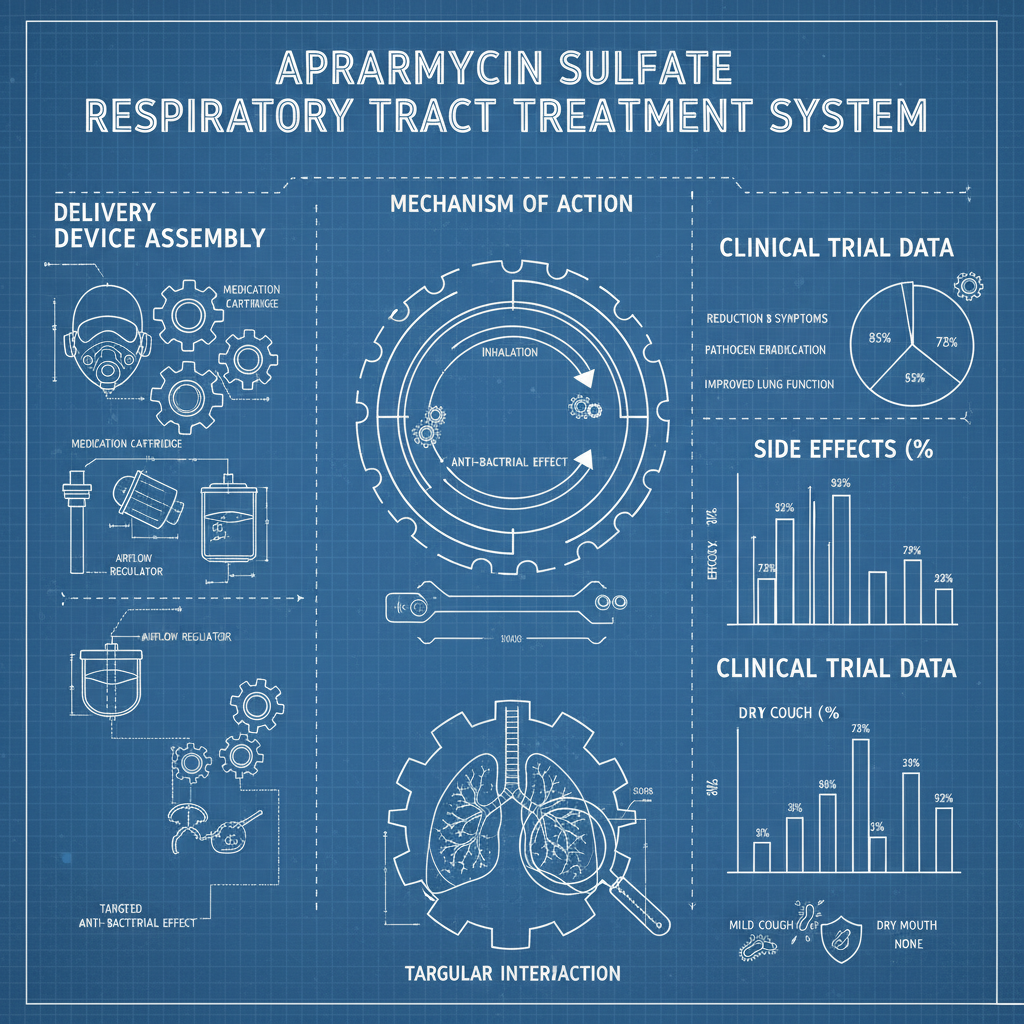
Clinical trials and case studies demonstrate apramycin sulfate’s effectiveness in improving clinical outcomes and reducing mortality rates in selected patient populations. However, it’s important to note that apramycin is typically reserved for situations where other antibiotic options have failed or are not appropriate due to resistance patterns or patient-specific factors.
Apramycin Sulfate Respiratory Tract Treatment Efficacy by Infection Type
Global Impact and Usage Patterns
The global impact of apramycin sulfate respiratory tract treatments is significant, particularly in regions where bacterial respiratory infections are prevalent. Its usage patterns vary considerably across different countries and healthcare settings, influenced by factors like local resistance rates, antibiotic prescribing guidelines, and access to healthcare resources.
In developing countries, apramycin sulfate often serves as a crucial antibiotic for treating severe pneumonia and other life-threatening respiratory infections. However, limited diagnostic capabilities and inadequate antimicrobial stewardship programs can contribute to its overuse and the emergence of resistance.
Benefits and Long-Term Value Proposition
The benefits of utilizing apramycin sulfate effectively in respiratory tract infection management extend beyond immediate clinical improvements. By targeting bacterial pathogens, it reduces disease burden, improves patient outcomes, and potentially shortens hospital stays, leading to cost savings for healthcare systems.
The long-term value proposition lies in preserving the effectiveness of this crucial antibiotic for future generations. Implementing robust antimicrobial stewardship programs, promoting rational antibiotic use, and investing in research and development are essential to ensure its continued utility in combating respiratory infections. apramycin sulfate respiratory tract is a cornerstone of this approach.
Future Directions and Innovations
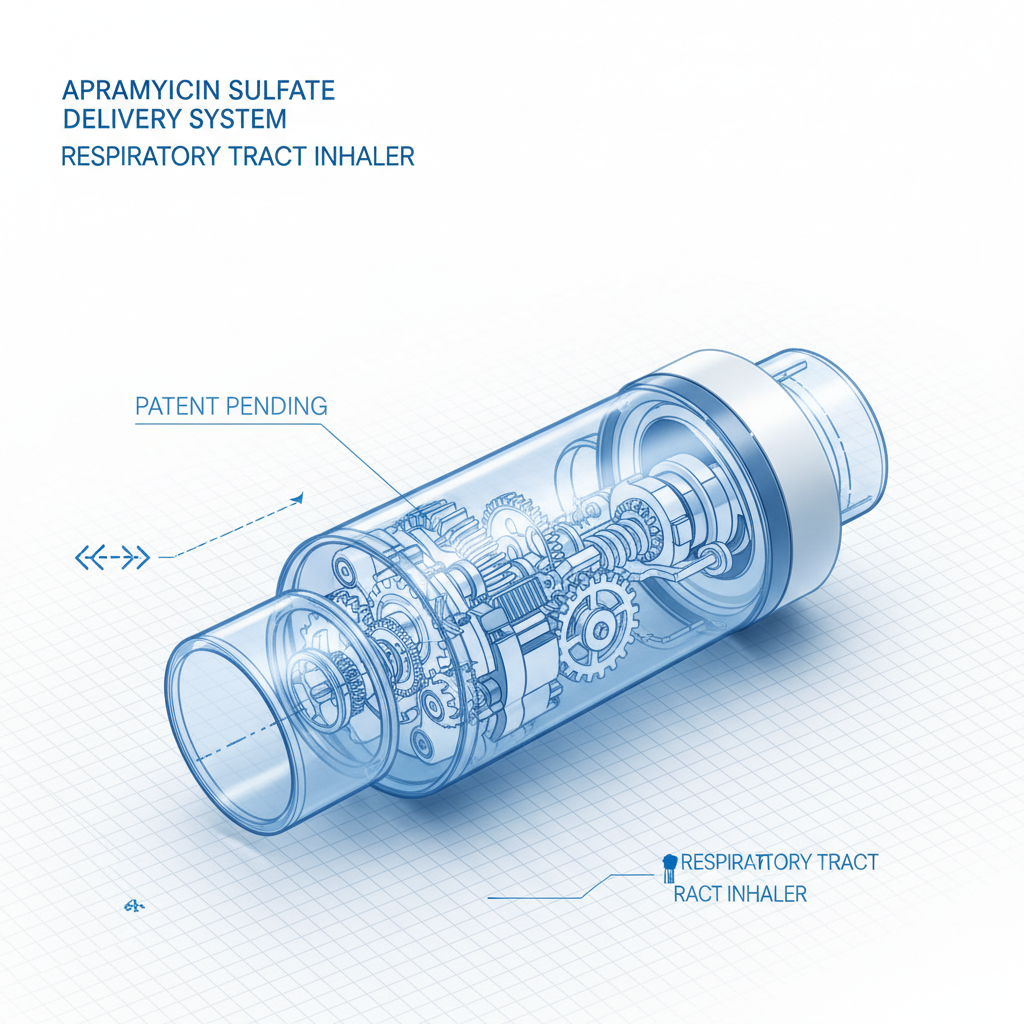
Future research on apramycin sulfate respiratory tract treatments focuses on optimizing dosage regimens, developing novel drug delivery systems, and exploring combination therapies to enhance efficacy and minimize resistance. Investigating the potential of apramycin in conjunction with other antimicrobial agents offers promising avenues for improving treatment outcomes.
Innovations in diagnostic technologies, such as rapid molecular tests, will facilitate more precise pathogen identification and guide appropriate antibiotic selection. Furthermore, advancements in personalized medicine hold the potential to tailor apramycin sulfate therapy to individual patient characteristics, maximizing its therapeutic benefit and minimizing adverse effects.
The integration of artificial intelligence and machine learning could revolutionize antimicrobial stewardship by predicting resistance patterns and optimizing antibiotic prescribing practices, ensuring the responsible and effective use of apramycin sulfate.
Summary of Factors Influencing Apramycin Sulfate Respiratory Tract Treatment Success
| Patient Characteristics |
Pathogen Sensitivity |
Dosage and Administration |
Renal Function |
| Age, comorbidities, immune status |
Minimum Inhibitory Concentration (MIC) values |
Dosage adjustments based on weight and severity |
Creatinine clearance and monitoring for toxicity |
| Severity of illness and underlying conditions |
Presence of resistance mechanisms |
Route of administration (IV vs IM) |
Impact of renal impairment on drug clearance |
| Allergic reactions and drug interactions |
Susceptibility testing results |
Frequency and duration of treatment |
Need for dose reduction or alternative therapy |
| Compliance with treatment regimen |
Emergence of new resistance strains |
Monitoring for therapeutic drug levels |
Risk of nephrotoxicity |
| Genetic predisposition to adverse effects |
Cross-resistance with other aminoglycosides |
Synergistic effects with other antibiotics |
Regular assessment of renal function |
| Prior antibiotic exposure |
Biofilm formation and antibiotic penetration |
Individualized treatment plans |
Management of electrolyte imbalances |
FAQS
The typical duration of apramycin sulfate treatment for a respiratory tract infection varies depending on the severity of the infection, the pathogen involved, and the patient's response to therapy. Generally, treatment courses range from 7 to 14 days, but may be extended in cases of severe or complicated infections. Regular monitoring of clinical parameters and laboratory results is essential to guide treatment duration.
The most common side effects associated with apramycin sulfate include nephrotoxicity (kidney damage) and ototoxicity (hearing loss). Other potential side effects include nausea, vomiting, diarrhea, and allergic reactions. Careful monitoring of renal function and hearing is crucial during treatment. Patients should report any signs of adverse effects to their healthcare provider immediately.
Apramycin sulfate should be used with extreme caution in patients with pre-existing kidney problems. The drug is primarily excreted by the kidneys, and impaired renal function can lead to drug accumulation and increased risk of nephrotoxicity. Dose adjustments are essential in patients with renal impairment, and close monitoring of kidney function is crucial throughout treatment. In some cases, alternative antibiotics may be preferred.
Apramycin sulfate offers a valuable alternative in cases where other antibiotics are ineffective due to resistance. It's particularly useful against Gram-negative bacteria, which often cause severe respiratory infections. However, its potential for nephrotoxicity and ototoxicity requires careful consideration. The choice of antibiotic should be based on the specific pathogen identified, resistance patterns, and patient-specific factors.
Minimizing the risk of antibiotic resistance with apramycin sulfate requires a multifaceted approach. This includes implementing antimicrobial stewardship programs, promoting rational antibiotic use, using appropriate dosages and durations of therapy, and conducting regular surveillance of resistance patterns. Accurate diagnostic testing to identify the causative pathogen is also crucial.
The safety of apramycin sulfate during pregnancy and breastfeeding has not been fully established. It should only be used during pregnancy or breastfeeding if the potential benefits outweigh the risks to the mother and the fetus or infant. Careful consideration should be given to alternative antibiotics that are known to be safer during these periods. Consultation with a healthcare professional is essential.
Conclusion
Apramycin sulfate remains a vital component in the arsenal against bacterial respiratory tract infections, offering a valuable option, especially when facing antibiotic resistance. Its efficacy, however, hinges on careful patient selection, appropriate dosing, and vigilant monitoring for potential adverse effects. A comprehensive understanding of its pharmacological properties and clinical applications is crucial for maximizing its therapeutic benefit.
Looking ahead, continued research into novel drug delivery systems and combination therapies will refine the use of apramycin sulfate. Emphasizing antimicrobial stewardship programs and bolstering diagnostic capabilities are paramount to preserve its long-term effectiveness. Visit our website at www.zthjpharma.com to learn more about apramycin sulfate and our commitment to respiratory health solutions.