0%

Table of Contents

Escherichia coli, commonly known as E. coli, represents a vast and complex group of bacteria inhabiting the intestines of humans and animals. While many strains are harmless and even beneficial, playing a crucial role in vitamin K production, others can cause severe foodborne illnesses. Understanding the nuances of E. coli, from its diverse strains to its impact on public health and industrial applications, is vital in the 21st century. Its study encompasses microbiology, genetics, and epidemiology, impacting fields as varied as medicine, food safety, and biotechnology.

Globally, E. coli infections are a significant public health concern, particularly in regions with limited access to clean water and sanitation. The World Health Organization estimates that diarrheal diseases, often linked to E. coli, cause millions of deaths annually, particularly among children. Addressing this challenge requires robust surveillance systems, rapid diagnostic tools, and effective preventative measures. Furthermore, advancements in genomic sequencing are allowing for precise identification of virulent strains, leading to more targeted interventions.

The relevance of escherichia coli extends beyond human health. It’s increasingly used in biotechnology for the production of pharmaceuticals, biofuels, and various industrial enzymes. Its rapid growth rate and genetic malleability make it an ideal host organism for these applications. Therefore, a comprehensive understanding of this bacterium is crucial not only for preventing disease but also for harnessing its potential for beneficial applications.
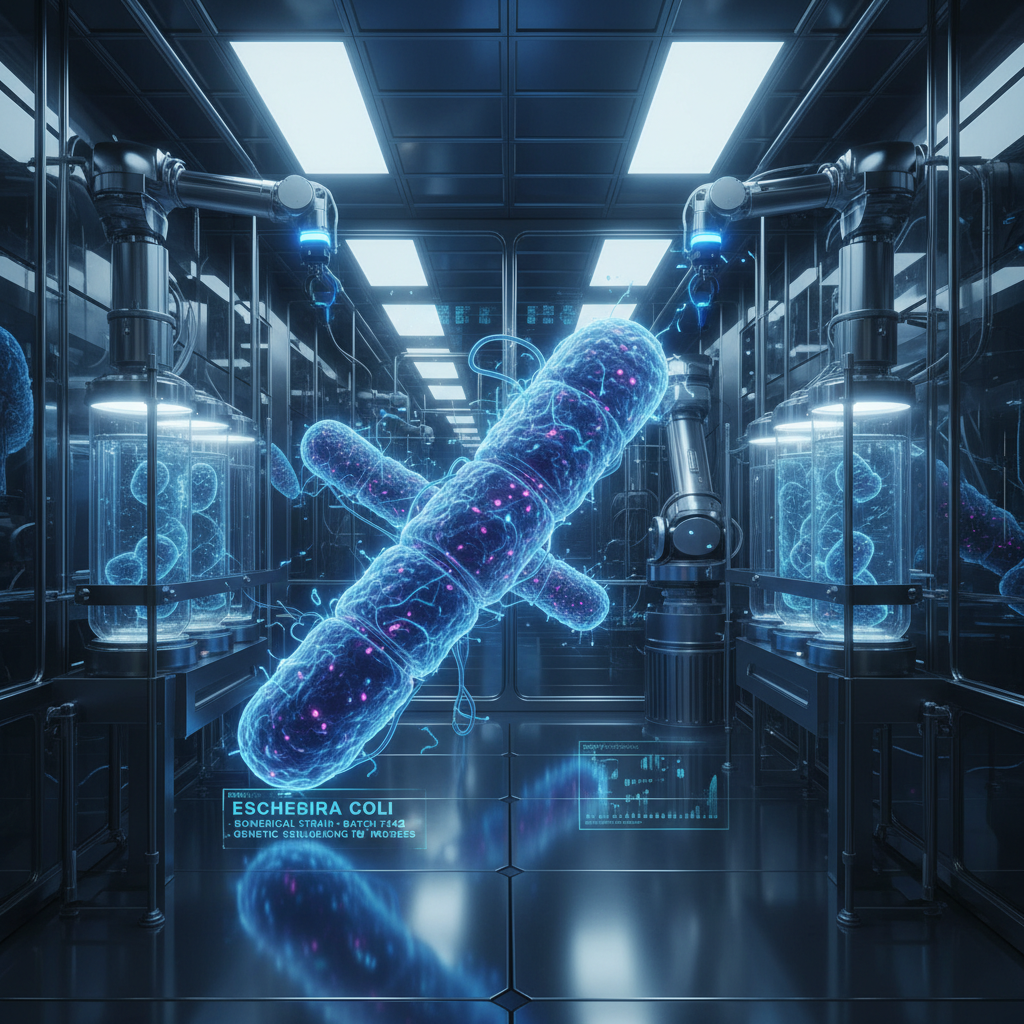
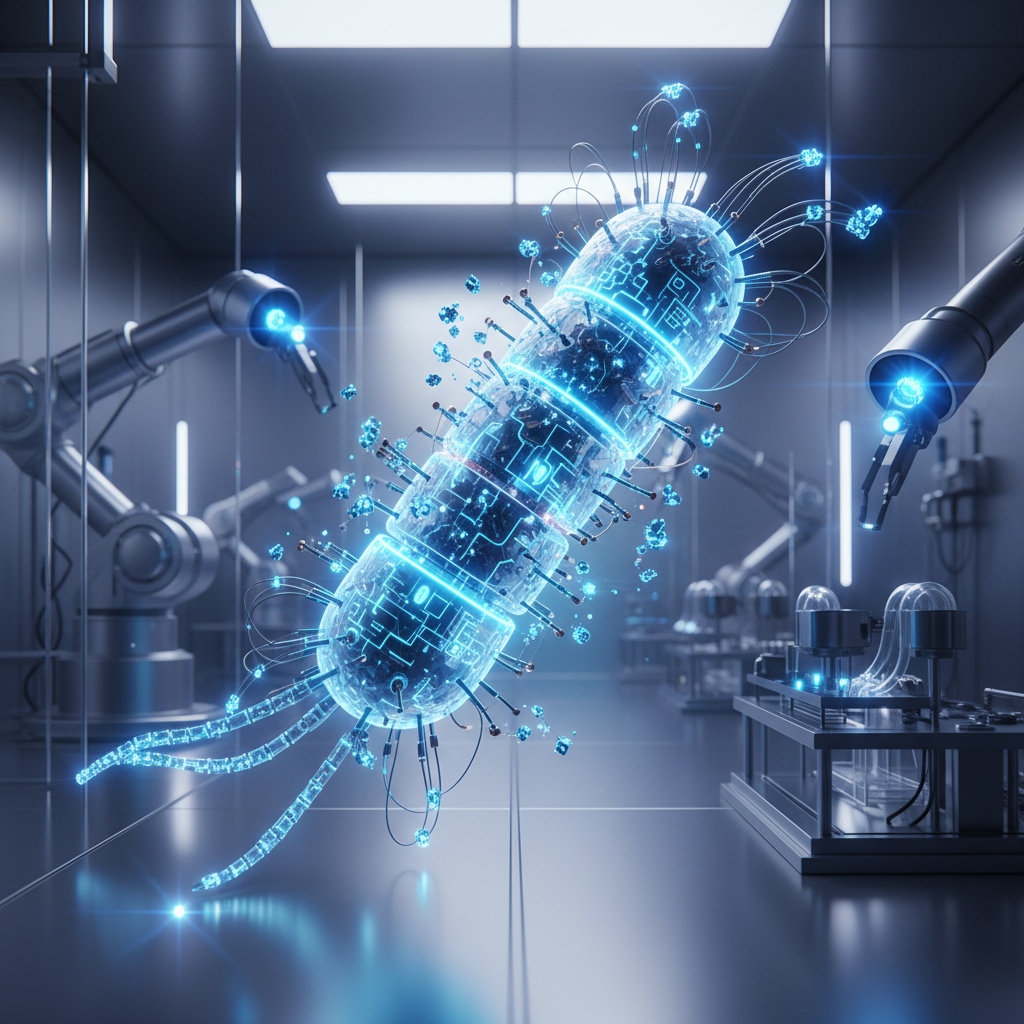
Exploring Escherichia coli its Impact on Health Biotechnology and Future Applications

The Significance of Escherichia coli

Exploring Escherichia coli its Impact on Health Biotechnology and Future Applications

Escherichia coli isn't simply a pathogen; it’s a remarkably adaptable organism with far-reaching implications. Its study informs a vast spectrum of scientific disciplines, from fundamental microbiology to advanced biotechnology. The bacterium’s ability to rapidly evolve and acquire new genetic traits allows it to thrive in diverse environments, making it a powerful model for understanding bacterial adaptation and resistance mechanisms.

This adaptability is precisely why ongoing research into E. coli is crucial. Identifying emerging virulent strains and understanding their mechanisms of pathogenicity are paramount in preventing outbreaks and developing effective treatments. Furthermore, the bacterium’s role as a biotechnological workhorse necessitates continuous optimization of its genetic engineering capabilities to enhance its utility in various industrial processes.

Defining Escherichia coli

Escherichia coli is a Gram-negative bacterium belonging to the family Enterobacteriaceae. Discovered by Theodor Escherich in 1885, it’s typically rod-shaped and measures approximately 1.5–2.0 μm in length. Most strains are non-pathogenic and reside peacefully in the intestines of warm-blooded animals, contributing to their digestive processes.

However, certain strains possess virulence factors – genes that enable them to cause disease. These pathogenic strains produce toxins, like Shiga toxin in the case of E. coli O157:H7, that damage the intestinal lining, leading to severe symptoms such as bloody diarrhea and hemolytic uremic syndrome.

Its connection to modern industry stems from its easy cultivation and genetic manipulation. Scientists routinely use E. coli as a platform for expressing foreign genes, effectively turning it into a miniature factory for producing proteins like insulin and growth hormone. This makes it indispensable in pharmaceutical manufacturing and research.

Key Characteristics of Escherichia coli

One key characteristic of escherichia coli is its exceptionally rapid growth rate. Under optimal conditions, it can double its population in as little as 20 minutes, making it ideal for laboratory studies and industrial applications. This swift replication also contributes to its potential for rapid evolution and the spread of antibiotic resistance.

Another crucial trait is its genetic plasticity. E. coli readily exchanges genetic material with other bacteria through processes like conjugation, transduction, and transformation. This horizontal gene transfer allows it to acquire new traits, including antibiotic resistance genes, virulence factors, and metabolic capabilities.

The bacterium also exhibits a remarkable ability to adapt to a wide range of environments. It can survive in diverse temperatures, pH levels, and nutrient conditions, contributing to its widespread distribution in nature and its persistence in various industrial settings. Furthermore, its relatively simple genome compared to more complex organisms makes it a valuable model for studying fundamental biological processes.

The Versatility of Escherichia coli Applications

The applications of escherichia coli are incredibly diverse. In biotechnology, it is a workhorse for recombinant protein production. For instance, human insulin for diabetes treatment is often manufactured using genetically engineered E. coli strains. This process is cost-effective and scalable, providing a reliable source of this essential medication.

E. coli Strain Efficiency in Protein Production


Global Distribution and Impact of Escherichia coli

Escherichia coli is ubiquitous, found in the intestines of humans and animals worldwide. Its presence is particularly pronounced in areas with poor sanitation and limited access to clean water, increasing the risk of contamination and outbreaks. Regions in Sub-Saharan Africa, South Asia, and parts of Latin America experience disproportionately high rates of E. coli-related diarrheal diseases.

Advantages and Long-Term Value of Escherichia coli Research

Continued research into escherichia coli provides significant tangible benefits. Improved diagnostics lead to faster and more accurate identification of pathogenic strains, enabling quicker treatment and preventing widespread outbreaks, thus reducing healthcare costs. Furthermore, advancements in understanding bacterial resistance mechanisms inform the development of new antibiotics and alternative therapeutic strategies.

The long-term value extends beyond healthcare. Optimizing E. coli for biotechnological applications fosters sustainable production of pharmaceuticals, biofuels, and biomaterials, reducing reliance on traditional, less environmentally friendly methods. These advancements contribute to a more resilient and sustainable future.

Future Trends in Escherichia coli Studies

Future trends in escherichia coli research are focused on several key areas. Genome editing technologies like CRISPR-Cas9 are revolutionizing our ability to precisely modify the bacterium’s genetic makeup, opening doors to novel applications in synthetic biology and personalized medicine.

Furthermore, the integration of artificial intelligence and machine learning is accelerating the analysis of genomic data, allowing for faster identification of virulence factors and prediction of antibiotic resistance patterns. The development of phage therapy – using viruses to target and kill bacteria – represents another promising avenue for combating antibiotic-resistant E. coli strains.

Finally, research is expanding into utilizing E. coli as a biosensor for environmental monitoring, detecting pollutants and toxins in water and soil.

Summary of Challenges and Potential Solutions in Escherichia coli Research

Challenge Impact Potential Solution Implementation Timeline
Antibiotic Resistance Increased treatment failures and healthcare costs Development of novel antibiotics and phage therapy 5-10 years
Rapid Evolution Emergence of new virulent strains Real-time genomic surveillance and predictive modeling 2-5 years
Limited Diagnostic Capacity Delayed diagnosis and treatment Development of rapid, point-of-care diagnostic tests 3-7 years
Inefficient Protein Production High production costs and low yields Genome engineering and optimization of metabolic pathways Ongoing
Environmental Contamination Spread of antibiotic resistance genes Improved wastewater treatment and responsible antibiotic use Long-term (10+ years)
Data Integration Challenges Difficulty in correlating genomic, phenotypic, and epidemiological data Development of integrated data platforms and analytical tools 2-5 years

FAQS

What are the primary differences between pathogenic and non-pathogenic strains of Escherichia coli?

Pathogenic strains of escherichia coli possess virulence factors – genes encoding toxins or adherence mechanisms – that enable them to cause disease. These factors aren’t present in non-pathogenic strains. Common virulence factors include Shiga toxin (in E. coli O157:H7) and enterotoxins (in enterotoxigenic E. coli). Non-pathogenic strains typically reside harmlessly in the gut, contributing to digestion and vitamin K production. Distinguishing between strains requires laboratory testing, often involving genomic analysis.

How does antibiotic resistance develop in Escherichia coli?

Antibiotic resistance in escherichia coli develops through several mechanisms, including mutation, horizontal gene transfer, and selection pressure. Mutations can alter the bacterial target of the antibiotic, reducing its effectiveness. Horizontal gene transfer – conjugation, transduction, and transformation – allows bacteria to acquire resistance genes from other bacteria. Finally, widespread antibiotic use creates selective pressure, favoring the survival and proliferation of resistant strains.

What are the key applications of Escherichia coli in biotechnology?

Escherichia coli is a workhorse in biotechnology due to its rapid growth, ease of genetic manipulation, and well-characterized genome. It is widely used for recombinant protein production (e.g., insulin, growth hormone), the synthesis of biofuels, and the creation of biomaterials. Its versatility makes it an invaluable tool in pharmaceutical manufacturing, research, and industrial applications.

What preventative measures can be taken to avoid E. coli infections?

Preventing E. coli infections involves practicing good hygiene. This includes thoroughly washing hands with soap and water after using the restroom and before preparing food, cooking meat to safe internal temperatures, avoiding unpasteurized milk and juice, and ensuring access to clean water sources. Proper sanitation and food handling practices are crucial in minimizing the risk of contamination.

What role does genomic sequencing play in tracking and controlling Escherichia coli outbreaks?

Genomic sequencing is essential for tracking and controlling escherichia coli outbreaks. By comparing the genomes of outbreak-associated strains, researchers can identify the source of the contamination, trace the spread of the infection, and determine the most effective control measures. This information allows for targeted interventions and helps prevent further illness.

How are phages being explored as an alternative to antibiotics in fighting E. coli infections?

Phages, viruses that infect bacteria, are being explored as a promising alternative to antibiotics for treating E. coli infections. Phage therapy targets and kills bacteria without harming human cells, and they can evolve alongside bacteria, overcoming resistance mechanisms. While still in the early stages of development, phage therapy holds great potential for combating antibiotic-resistant E. coli strains.

Conclusion

In conclusion, escherichia coli is a remarkably versatile bacterium with profound implications for human health, biotechnology, and environmental science. From its role as a common gut inhabitant to its potential as a biotechnological workhorse, understanding its diverse characteristics and behaviors is critical. Continued research is essential for addressing the challenges posed by pathogenic strains, developing innovative therapeutic strategies, and harnessing its beneficial capabilities.

Looking ahead, integrating advanced technologies like genome editing, artificial intelligence, and phage therapy will unlock even greater potential in controlling E. coli-related diseases and expanding its applications in sustainable industries. By fostering a deeper understanding of this ubiquitous organism, we can build a healthier and more sustainable future. Visit our website at www.zthjpharma.com to learn more.
Robert Thompson

Robert Thompson

Robert Thompson is the Head of Quality Control at Shijiazhuang Huajun, overseeing the rigorous testing and analysis of all pharmaceutical products. Robert has over 15 years of experience in the pharmaceutical industry, bringing a wealth of knowledge regarding GMP standards and regulatory compliance. He joined Huajun in 2015, attracted by
Previous Understanding Salmonella A Global Public Health and Food Safety Concern
Next Understanding Perihepatitis Causes Diagnosis and Global Health Implications