Sepsis is a life-threatening condition that arises when the body's response to an infection spirals out of control, causing damage to its own tissues and organs. Globally, sepsis affects millions each year, representing a significant burden on healthcare systems and contributing substantially to mortality rates. Understanding sepsis – its causes, symptoms, and treatment – is critical for improving patient outcomes and reducing the devastating impact of this widespread health crisis.
The impact of sepsis extends beyond individual health; it has profound socioeconomic consequences. Early detection and rapid intervention are crucial, yet often hindered by a lack of awareness and inadequate resources, particularly in low- and middle-income countries. Addressing these challenges requires a multifaceted approach encompassing improved diagnostic tools, enhanced clinical training, and strengthened public health infrastructure.
Ultimately, a comprehensive understanding of sepsis empowers healthcare professionals, patients, and communities to effectively prevent, diagnose, and manage this complex condition, leading to reduced morbidity, mortality, and economic strain. Investing in sepsis research and awareness is not just a medical imperative, but a global health priority.
Defining Sepsis and its Scope
At its core, sepsis is not simply an infection, but rather a dysregulated host response to infection. This response leads to widespread inflammation and organ dysfunction. The spectrum of sepsis ranges from mild cases requiring outpatient management to severe sepsis necessitating intensive care and potentially life-saving interventions. Recognizing the early signs of sepsis is paramount.
The “qSOFA” (quick Sequential Organ Failure Assessment) score is a simplified scoring system designed to identify patients at higher risk of poor outcomes from infection. While not definitive for sepsis diagnosis, it provides a rapid assessment tool for clinical teams. This underscores the importance of integrating standardized assessment protocols into routine clinical practice to improve early identification of sepsis.
Global Relevance of Sepsis
Sepsis is a truly global health challenge. The World Health Organization (WHO) estimates that sepsis affects over 30 million people worldwide each year, leading to an estimated 6 million deaths – more than HIV/AIDS, malaria, and breast cancer combined. The burden of sepsis is disproportionately high in low- and middle-income countries where access to healthcare and diagnostic resources is limited.
The financial implications of sepsis are also substantial. Sepsis-related hospitalizations are among the most expensive, consuming significant healthcare budgets globally. The cost extends beyond direct medical expenses to include lost productivity, disability, and long-term care needs. Addressing sepsis requires a coordinated international effort to improve prevention, diagnosis, and treatment strategies.
Recent studies indicate that the incidence of sepsis is increasing, likely due to factors such as an aging population, the rising prevalence of chronic diseases, and the increasing resistance of bacteria to antibiotics. This trend necessitates a proactive and sustained commitment to sepsis research and public health initiatives.
Understanding the Pathophysiology of Sepsis
The complex pathophysiology of sepsis involves a cascade of events triggered by an infectious stimulus. The body’s initial immune response, while intended to fight infection, can become overactive and uncontrolled, leading to systemic inflammation. This inflammation causes damage to the endothelium—the inner lining of blood vessels—resulting in leaky capillaries and impaired microcirculation.
Cytokine storm, a hallmark of sepsis, is characterized by the massive release of pro-inflammatory cytokines. These cytokines contribute to vasodilation, hypotension, and ultimately, organ dysfunction. Disruptions in cellular metabolism and impaired oxygen delivery further exacerbate organ damage. Understanding these underlying mechanisms is critical for developing targeted therapies.
Ultimately, the resulting organ dysfunction can manifest in various ways, including acute respiratory distress syndrome (ARDS), acute kidney injury, and disseminated intravascular coagulation (DIC). The severity of sepsis is often categorized based on the extent of organ dysfunction, using criteria such as the Sequential Organ Failure Assessment (SOFA) score.
Key Risk Factors and Early Detection
A wide range of infections can trigger sepsis, including bacterial, viral, and fungal infections. Common sources of infection include pneumonia, urinary tract infections, skin infections, and abdominal infections. Certain populations are at higher risk, including infants, elderly individuals, people with chronic medical conditions (such as diabetes and cancer), and those with weakened immune systems.
Early detection is crucial for improving outcomes. The signs and symptoms of sepsis can be subtle and non-specific, making diagnosis challenging. Key indicators include fever or hypothermia, rapid heart rate, rapid breathing, altered mental status, and low blood pressure. The “TIME” acronym (Temperature, Infection, Mental decline, Extra symptoms) can be a helpful tool for clinicians to remember these key signs.
Sepsis Detection Methods – Relative Effectiveness
Sepsis Management Strategies
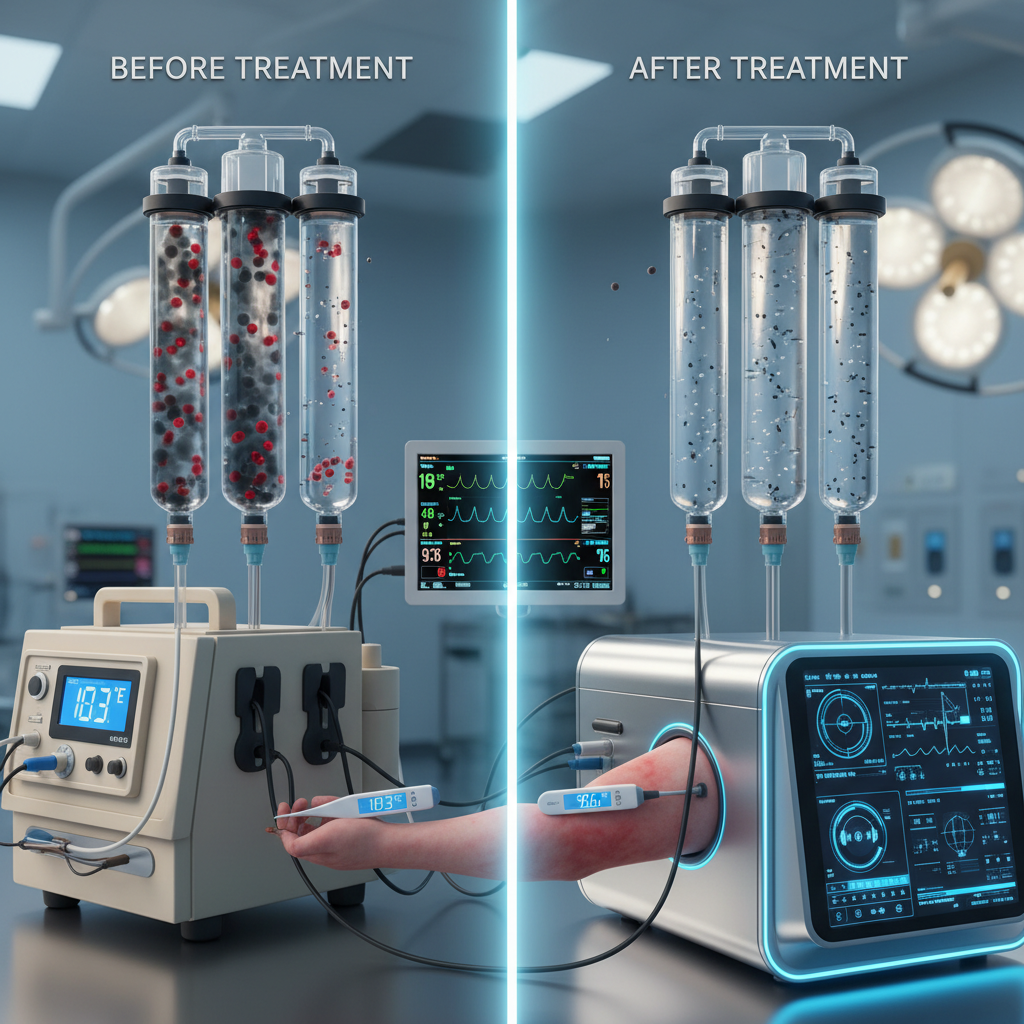
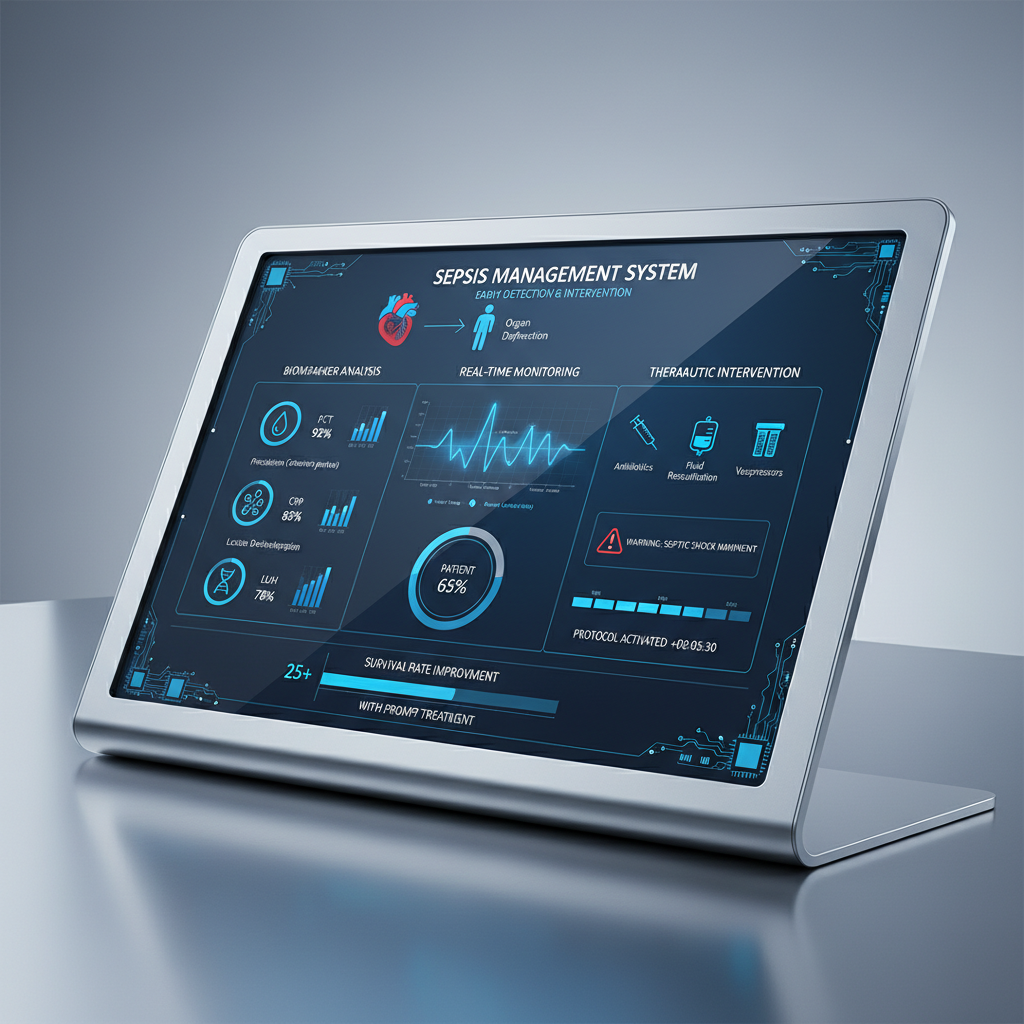
The cornerstone of sepsis management is prompt and aggressive intervention. This typically involves administering broad-spectrum antibiotics as soon as possible, along with intravenous fluids to restore blood pressure and improve organ perfusion. Source control – identifying and eliminating the source of infection – is also crucial.
In cases of severe sepsis or septic shock, vasopressors may be needed to maintain adequate blood pressure. Oxygen therapy and mechanical ventilation may be required to support respiratory function. Close monitoring of vital signs and organ function is essential to guide treatment decisions.
Innovations in Sepsis Diagnostics
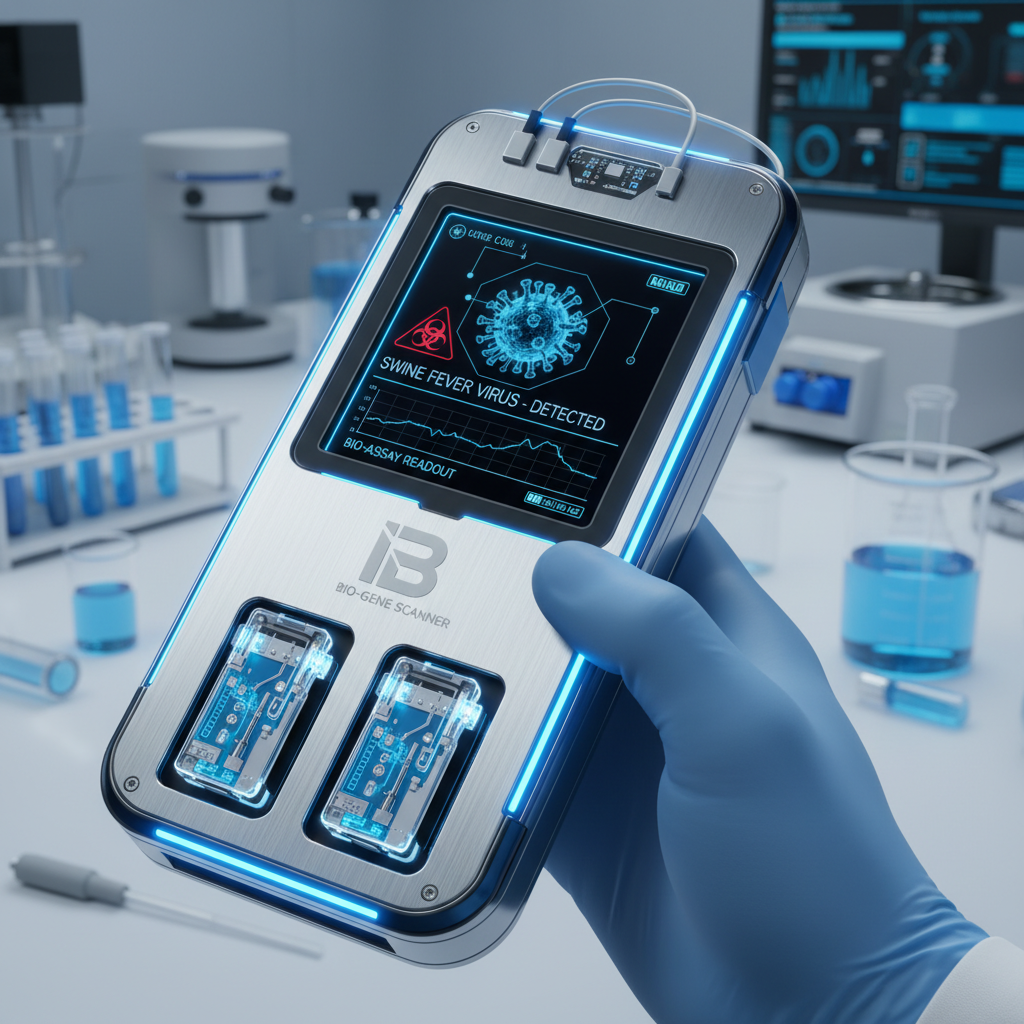
Traditional blood cultures, while important, can take several days to yield results. Newer diagnostic tools, such as rapid polymerase chain reaction (PCR) assays, can identify pathogens more quickly and accurately. Biomarkers like procalcitonin can help differentiate bacterial from viral infections and guide antibiotic stewardship.
The development of point-of-care diagnostics is revolutionizing sepsis management. These devices allow for rapid testing at the bedside, enabling faster diagnosis and treatment initiation. Furthermore, machine learning and artificial intelligence are being applied to analyze large datasets of clinical data to predict sepsis risk and optimize treatment algorithms.
Long-Term Outcomes and Rehabilitation Post-Sepsis
Even with successful treatment, many sepsis survivors experience long-term physical, cognitive, and psychological sequelae. These can include muscle weakness, fatigue, impaired memory and concentration, anxiety, and post-traumatic stress disorder (PTSD). This constellation of symptoms is often referred to as “post-sepsis syndrome.”
Comprehensive rehabilitation programs are essential for helping sepsis survivors regain their functional abilities and improve their quality of life. These programs typically include physical therapy, occupational therapy, speech therapy, and psychological counseling. Early intervention and ongoing support are critical for optimizing long-term outcomes.
Research is ongoing to better understand the long-term effects of sepsis and develop targeted interventions to address these challenges. Increased awareness among healthcare professionals and the public about post-sepsis syndrome is also crucial for ensuring that survivors receive the care and support they need.
Summary of Long-Term Sepsis Outcomes
| Outcome Domain |
Assessment Metric |
Severity Rating (1-10) |
Intervention Focus |
| Physical Function |
6-Minute Walk Test Distance |
6 |
Physical Therapy, Exercise |
| Cognitive Function |
Montreal Cognitive Assessment (MoCA) Score |
5 |
Cognitive Rehabilitation, Brain Training |
| Mental Health |
Hospital Anxiety and Depression Scale (HADS) Score |
7 |
Psychotherapy, Support Groups |
| Muscle Strength |
Grip Strength Measurement |
4 |
Strength Training, Nutrition |
| Fatigue Levels |
Fatigue Severity Scale (FSS) Score |
8 |
Energy Management, Lifestyle Modifications |
| Quality of Life |
Short Form-36 (SF-36) Score |
6 |
Multidisciplinary Rehabilitation |
FAQS
The earliest signs of sepsis can be subtle, but often include fever or chills, rapid heart rate, rapid breathing, and confusion or disorientation. Feeling unusually weak or ill is also a key indicator. It’s crucial to seek medical attention immediately if you suspect sepsis, as early intervention significantly improves outcomes. Remember the TIME acronym: Temperature, Infection, Mental decline, Extra symptoms – if you notice these, seek help quickly.
Sepsis itself is not contagious. However, the infections that cause sepsis can be contagious. For example, if sepsis is caused by pneumonia, the bacteria causing the pneumonia can spread from person to person. It's important to practice good hygiene, such as frequent handwashing, to prevent the spread of infections that can lead to sepsis.
While often used interchangeably, “blood infection” isn’t a medically accurate term. Sepsis isn’t the infection itself, but rather the body’s overwhelming and life-threatening response to an infection. An infection can be present in the bloodstream (bacteremia), but sepsis occurs when the immune system goes into overdrive, causing widespread inflammation and organ damage.
Many sepsis survivors experience long-term physical, cognitive, and psychological effects, collectively known as Post-Sepsis Syndrome. These can include fatigue, muscle weakness, difficulty concentrating, anxiety, and depression. Rehabilitation programs and ongoing support can significantly improve quality of life, but ongoing monitoring and care are often necessary.
Yes, certain individuals are at higher risk. This includes infants and young children, elderly individuals (over 65), people with chronic medical conditions (like diabetes, lung disease, or cancer), those with weakened immune systems (due to HIV/AIDS or chemotherapy), and those who have recently undergone surgery or invasive procedures.
Antibiotics are a crucial component of sepsis treatment when the cause is bacterial. They are administered rapidly to combat the underlying infection. However, antibiotic resistance is a growing concern, so careful selection of antibiotics and adherence to antibiotic stewardship principles are essential. In cases of non-bacterial sepsis (e.g., viral sepsis), antibiotics are not effective.
Conclusion
Sepsis represents a significant global health challenge demanding increased awareness, improved diagnostic capabilities, and optimized treatment strategies. From its complex pathophysiology to its far-reaching consequences, understanding sepsis is paramount for healthcare professionals, policymakers, and the public alike. Early detection, rapid intervention, and comprehensive post-sepsis care are crucial for reducing mortality and improving the quality of life for survivors.
Continued research and innovation in sepsis diagnostics, therapeutics, and rehabilitation are essential for tackling this evolving threat. By fostering collaboration, promoting education, and investing in research, we can collectively work towards a future where sepsis is no longer a leading cause of preventable death and disability. Learn more and take action at ZTHJ Pharma.