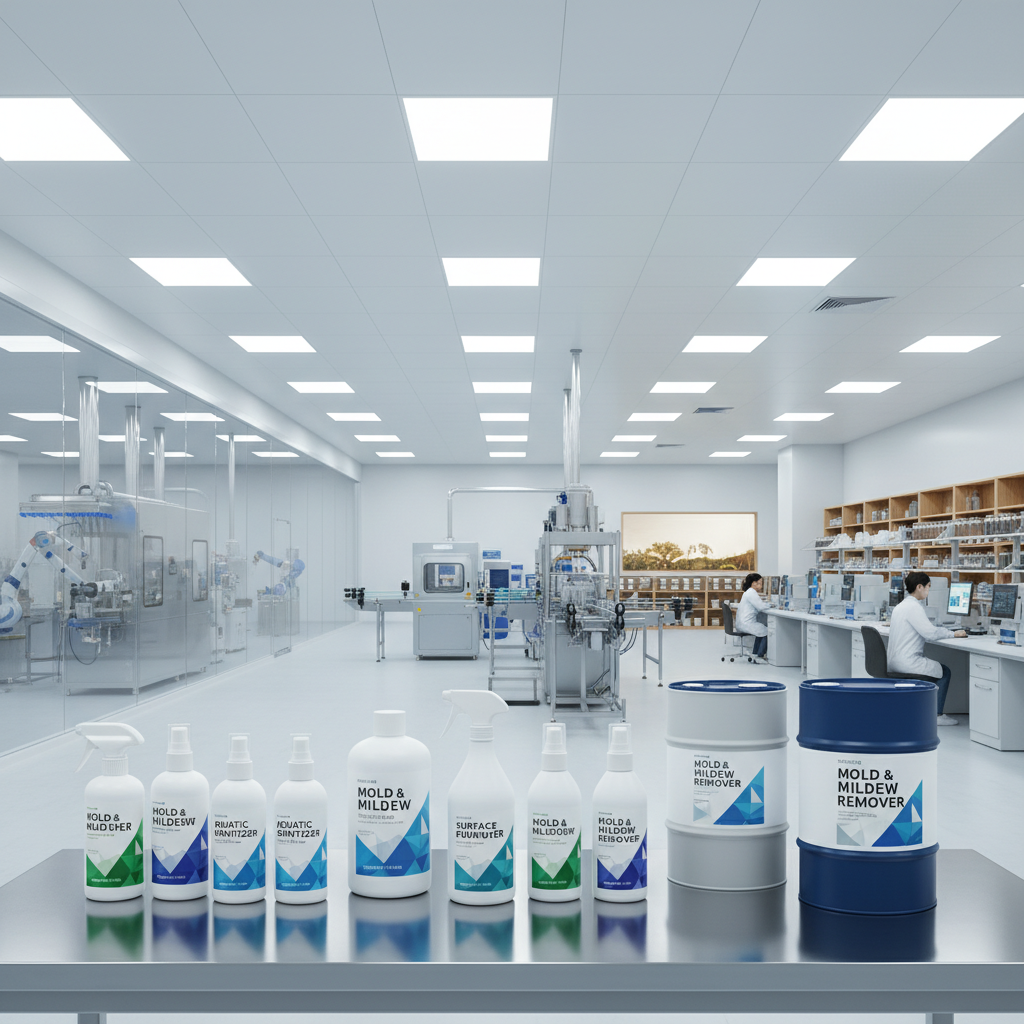
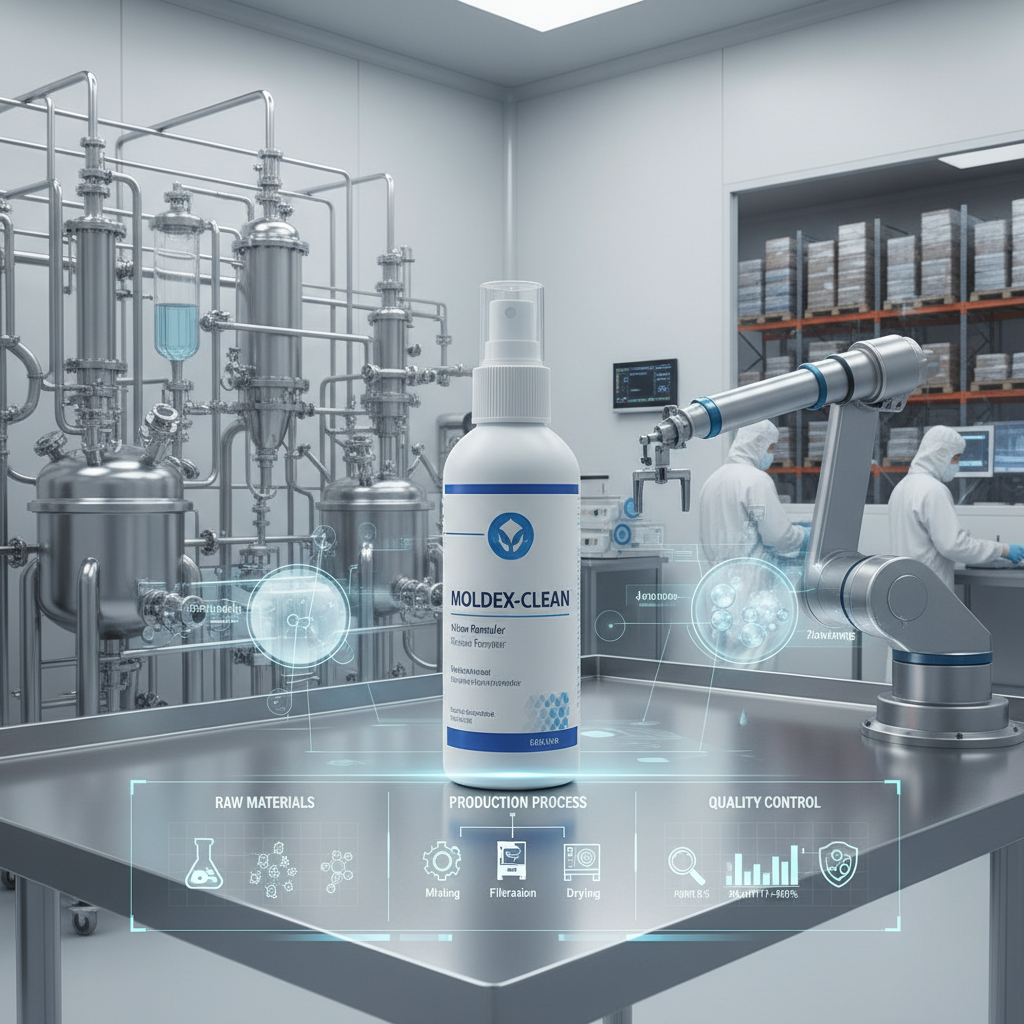
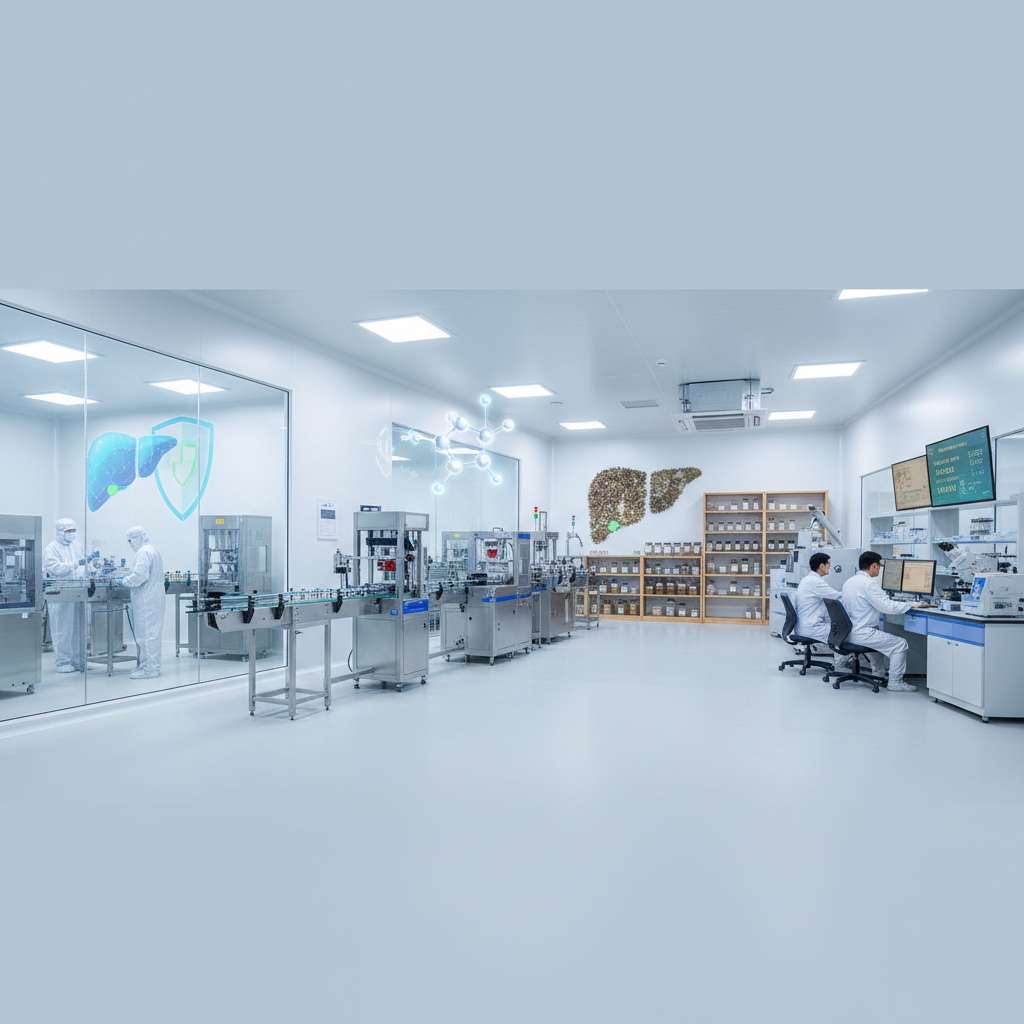
Maintaining a sterile environment is a critical pillar of pharmaceutical and veterinary manufacturing, where the presence of fungal contaminants can compromise product integrity and safety. A high-performance mildew remover is not merely a cleaning agent but a strategic necessity to ensure that raw material storage and production zones remain compliant with stringent global health standards.
Across the globe, the struggle against microbial proliferation is constant, particularly in humid climates where fungal spores thrive. The application of a specialized mildew remover helps manufacturers mitigate the risk of cross-contamination, ensuring that active pharmaceutical ingredients (APIs) and veterinary medicines remain pure and effective for their intended use.
Understanding the chemistry and application of these solutions allows facility managers to move beyond reactive cleaning toward a proactive hygiene strategy. By integrating a professional-grade mildew remover into their standard operating procedures, companies can protect their infrastructure, safeguard worker health, and maintain the highest levels of E-E-A-T (Experience, Expertise, Authoritativeness, and Trustworthiness) in the industrial sector.
Global Relevance of Mildew Remover in Pharma
In the context of global pharmaceutical manufacturing, the prevalence of airborne fungi represents a significant challenge to Quality Assurance (QA). According to ISO standards for cleanroom environments, the presence of mold spores can lead to the immediate rejection of entire batches of veterinary drugs. A reliable mildew remover is essential to maintain these sterile boundaries and prevent the colonization of HVAC systems.
Furthermore, the World Health Organization (WHO) emphasizes the necessity of strict hygiene in the production of raw materials for medicines. Without a standardized approach to using a mildew remover, facilities in tropical regions face higher risks of structural degradation and product spoilage, leading to massive economic losses and potential health crises.
Defining the Industrial Mildew Remover
At its core, an industrial-grade mildew remover is a chemical formulation designed to eliminate fungal growth and prevent the recurrence of mildew on porous and non-porous surfaces. Unlike household cleaners, these professional solutions are engineered to penetrate deep into substrates, neutralizing the root system (mycelium) of the fungus rather than just removing the surface discoloration.
In the chemical raw material and veterinary drug industry, this definition extends to biocidal agents that are compatible with stainless steel, epoxy floors, and pharmaceutical-grade plastics. The primary goal is to achieve a "zero-growth" environment, where the mildew remover leaves no residue that could interfere with the chemical stability of the medicines being produced.
Ultimately, this tool represents a critical intersection between chemistry and facility management. By utilizing an advanced mildew remover, manufacturers ensure that their production lines remain a safe haven for high-purity substances, free from the organic contaminants that could trigger adverse reactions in animals or humans.
Core Components of Effective Fungal Control
The efficacy of a mildew remover is determined by its active ingredients, which must balance potency with material compatibility. High-concentration oxidizing agents or quaternary ammonium compounds are often used to ensure the rapid destruction of cell walls in fungal spores.
Scalability and cost-efficiency are equally vital; a mildew remover must be effective when applied over thousands of square meters of warehouse space without requiring prohibitive amounts of water or labor for rinsing.
Durability of the treatment is the final key factor. A superior mildew remover does not just clean; it creates a temporary inhibitory environment that prevents new spores from adhering to the surface, thereby extending the interval between deep-cleaning cycles.
Performance Metrics of Removal Methods
Evaluating the success of a mildew remover requires a data-driven approach. Manufacturers typically compare different chemical compositions based on their kill rate, residue levels, and impact on surface longevity.
By quantifying these results, a facility can determine which specific mildew remover formulation offers the best return on investment (ROI) while maintaining strict compliance with veterinary pharmaceutical guidelines.
Comparative Efficacy of Mildew Remover Formulations
Real-World Applications in Veterinary Manufacturing
In the production of Antibody (Egg Yolk) Powder and other specialized veterinary supplements, humidity control is paramount. When moisture levels spike, the use of a targeted mildew remover in the drying rooms prevents the contamination of powders that could otherwise lead to allergic reactions in livestock.
Similarly, in remote industrial zones where climate control is inconsistent, the strategic application of a mildew remover on storage racking and walls ensures that raw materials remain stable over long periods, preventing the degradation of active ingredients.
Long-Term Value and Sustainability
The long-term value of investing in a premium mildew remover manifests in reduced facility maintenance costs. By preventing the deep infiltration of mold into concrete and drywall, companies avoid expensive structural renovations and the downtime associated with emergency decontamination.
From a sustainability perspective, modern mildew remover solutions are evolving to be biodegradable and less toxic to the operator. This shift reduces the environmental footprint of the plant and ensures a safer workplace for employees who handle these chemicals daily.
Moreover, the reliability of a consistent fungus-free environment builds trust with regulatory bodies and B2B clients. When a manufacturer can prove their commitment to hygiene via a rigorous mildew remover protocol, they secure their position as a high-quality supplier in the global veterinary medicine market.
Future Innovations in Bio-Remediation
The future of fungal control is moving toward "smart" chemicals. We are seeing the emergence of a mildew remover that utilizes nano-encapsulation, allowing the active ingredients to be released only when specific moisture thresholds are met, drastically reducing chemical waste.
Integration with digital transformation is also underway. IoT sensors can now detect early-stage fungal growth, triggering automated dispensing systems to apply a mildew remover precisely where it is needed, minimizing human exposure and maximizing efficiency.
As green chemistry advances, we expect the next generation of mildew remover to be based on enzyme-driven biological catalysts that dissolve fungal membranes without affecting the surrounding material, marking a new era of sustainable industrial hygiene.
Comparative Analysis of Mildew Remover Technology Generations
| Generation |
Active Mechanism |
Environmental Impact |
Efficiency Score (1-10) |
| Traditional Chlorine |
Oxidative Bleaching |
High Toxicity |
6 |
| Quaternary Ammonium |
Cell Membrane Disruption |
Moderate |
8 |
| Organic Acid Blend |
pH Alteration |
Low |
7 |
| Enzymatic Biocide |
Proteolytic Digestion |
Very Low |
9 |
| Nano-Encapsulated |
Targeted Release |
Minimal |
10 |
| Bio-Polymer Coating |
Surface Inhibition |
Eco-Friendly |
8 |
FAQS
Household bleach primarily removes the color of the mildew but often fails to kill the deep-seated mycelium in industrial settings. A professional mildew remover is formulated to penetrate porous surfaces and inhibit future regrowth, making it far more effective for pharmaceutical-grade environments where total elimination is required.
Some acidic or high-chlorine removers can cause pitting or corrosion on stainless steel. However, professional-grade removers specifically designed for the pharmaceutical industry are formulated to be non-corrosive, ensuring that equipment longevity is maintained while achieving complete fungal sterilization.
Frequency depends on humidity levels and ventilation. In high-humidity zones, a monthly preventative application is recommended. However, a deep-cleaning cycle with a potent mildew remover should be performed quarterly to ensure no dormant spores are establishing colonies.
Yes, provided that the remover is used during scheduled maintenance windows and followed by the appropriate rinsing protocol. Using a low-residue, volatile mildew remover ensures that no chemical vapors interfere with the synthesis process or contaminate the final product.
Enzymatic and organic acid-based removers are currently the most sustainable options. They break down naturally in the environment and avoid the harsh VOCs associated with traditional solvents, making them ideal for companies pursuing green certification.
The most reliable method is through microbial swabbing and ATP testing. By taking samples of the surface after the mildew remover has dried, lab technicians can confirm the absence of viable spores, providing documented proof of sterilization for audit purposes.
Conclusion
In conclusion, the strategic implementation of a high-quality mildew remover is a non-negotiable aspect of modern veterinary and pharmaceutical manufacturing. From protecting the purity of raw materials to ensuring the structural integrity of production facilities, these solutions provide a critical defense against the pervasive threat of fungal contamination. By focusing on the right chemical composition, scalability, and long-term sustainability, manufacturers can ensure their operations remain efficient and compliant.
Looking forward, the shift toward bio-remediation and smart-delivery systems will further refine how we manage environmental hygiene. We encourage facility managers to transition from traditional, harsh chemicals to next-generation, eco-friendly removal technologies to safeguard both their products and their people. For more information on industrial hygiene solutions, visit our website: www.zthjpharma.com