Understanding the complexities of osteomalacia is critical for global animal health and veterinary pharmacology. As a metabolic bone disorder characterized by the failure of bone matrix mineralization, it represents a significant challenge in both livestock productivity and companion animal welfare, necessitating precise pharmaceutical intervention and nutritional oversight.
On a global scale, the prevalence of bone mineralization defects impacts agricultural economies by reducing the structural integrity of livestock, leading to increased fracture rates and decreased mobility. The intersection of raw material quality in veterinary medicines and the biological manifestation of osteomalacia underscores the need for high-purity mineral supplements and specialized therapeutic agents.
By addressing the biochemical triggers of this condition—ranging from vitamin D deficiencies to phosphate malabsorption—industry experts can implement scalable solutions. This comprehensive guide explores the physiological drivers, the role of raw material purity, and the innovative therapeutic paths available to combat the systemic effects of bone softening in various species.
The Pathophysiology of Osteomalacia
At its biological core, osteomalacia occurs when the organic bone matrix—primarily collagen—fails to be adequately mineralized with calcium and phosphate. Unlike osteoporosis, where bone mass is lost, this condition results in "soft" bones that are prone to bowing and pseudo-fractures, significantly compromising the animal's structural stability.
The mechanism is often linked to an insufficiency of active vitamin D (calcitriol), which is essential for intestinal calcium absorption. When the body cannot maintain sufficient serum levels of these minerals, the mineralization front of the osteoid slows down, leading to a widening of the unmineralized zone and the clinical presentation of osteomalacia.
Global Economic Impact and Industry Context
The global livestock industry faces substantial financial losses due to metabolic bone diseases. In large-scale poultry and porcine operations, the emergence of osteomalacia can lead to a catastrophic increase in culling rates, as animals unable to support their own weight cannot reach market age or maintain reproductive efficiency.
According to industry benchmarks, regions with suboptimal soil mineral profiles or restricted sunlight exposure see a higher incidence of vitamin D-related bone softening. This has created a surge in demand for high-grade Raw Materials, specifically synthetic vitamins and mineral chelates, to ensure that feed additives can effectively counteract the environmental triggers of the disease.
Addressing these challenges requires a synergistic approach between pharmaceutical manufacturers and nutritional scientists. By standardizing the purity of ingredients used in "Nutrition Supplements," the industry can reduce the variance in treatment outcomes and ensure a more resilient global food supply chain.
Core Biochemical Components of Mineralization
The prevention of osteomalacia depends on the precise balance of calcium, phosphorus, and magnesium. These elements must be available in bioavailable forms to allow for the proper crystallization of hydroxyapatite within the bone matrix.
A critical factor in managing osteomalacia is the activation of Vitamin D3. Without the enzymatic conversion in the liver and kidneys, the body cannot signal the intestines to absorb the necessary minerals, regardless of how much calcium is present in the diet.
Furthermore, the role of Parathyroid Hormone (PTH) is pivotal. In cases of chronic osteomalacia, secondary hyperparathyroidism often develops as the body attempts to maintain blood calcium levels by leaching minerals from the bone, further exacerbating the softening process.
Therapeutic Efficacy of Raw Materials
The effectiveness of treating osteomalacia is directly proportional to the bioavailability and purity of the active pharmaceutical ingredients (APIs). Low-grade minerals often contain impurities that can interfere with absorption or cause gastrointestinal distress, delaying the remineralization process.
By utilizing advanced synthesis methods for "Raw Materials," manufacturers can produce highly absorbable forms of Vitamin D and calcium salts. This precision ensures that therapeutic thresholds are met quickly, reducing the time an animal spends in a debilitated state and minimizing the risk of permanent skeletal deformity.
Comparison of Treatment Efficacy for Osteomalacia
Global Applications in Veterinary Medicine
In diverse geographical regions, the application of osteomalacia management varies based on local environmental stressors. For instance, in high-latitude regions where UV exposure is limited during winter, the integration of high-potency Vitamin D supplements into livestock feed is a standard preventative measure.
Similarly, in industrial aquaculture and avian farming, specialized "Powder" and "Oral Liquid" formulations are deployed to ensure rapid systemic distribution of minerals. These targeted delivery systems allow for the treatment of large populations simultaneously, ensuring that the entire herd or flock remains free from the structural weaknesses associated with osteomalacia.
Long-term Value of Nutritional Stability
Maintaining a consistent nutritional profile provides long-term economic value by reducing the reliance on emergency "Injection" treatments. When osteomalacia is prevented through proactive "Nutrition Supplement" strategies, the overall health trajectory of the animal is improved, leading to better growth rates and lower mortality.
From a sustainability perspective, reducing the incidence of metabolic bone disease means fewer wasted resources. Animals that suffer from osteomalacia often require extensive nursing care and pharmaceutical intervention; preventing the condition entirely promotes a more ethical and efficient farming model.
Moreover, the trust built between pharmaceutical suppliers and farm operators depends on the reliability of these results. By providing consistent, high-purity raw materials, manufacturers ensure that the long-term structural integrity of the livestock is guaranteed, securing the financial future of the producer.
Future Innovations in Bone Health Technology
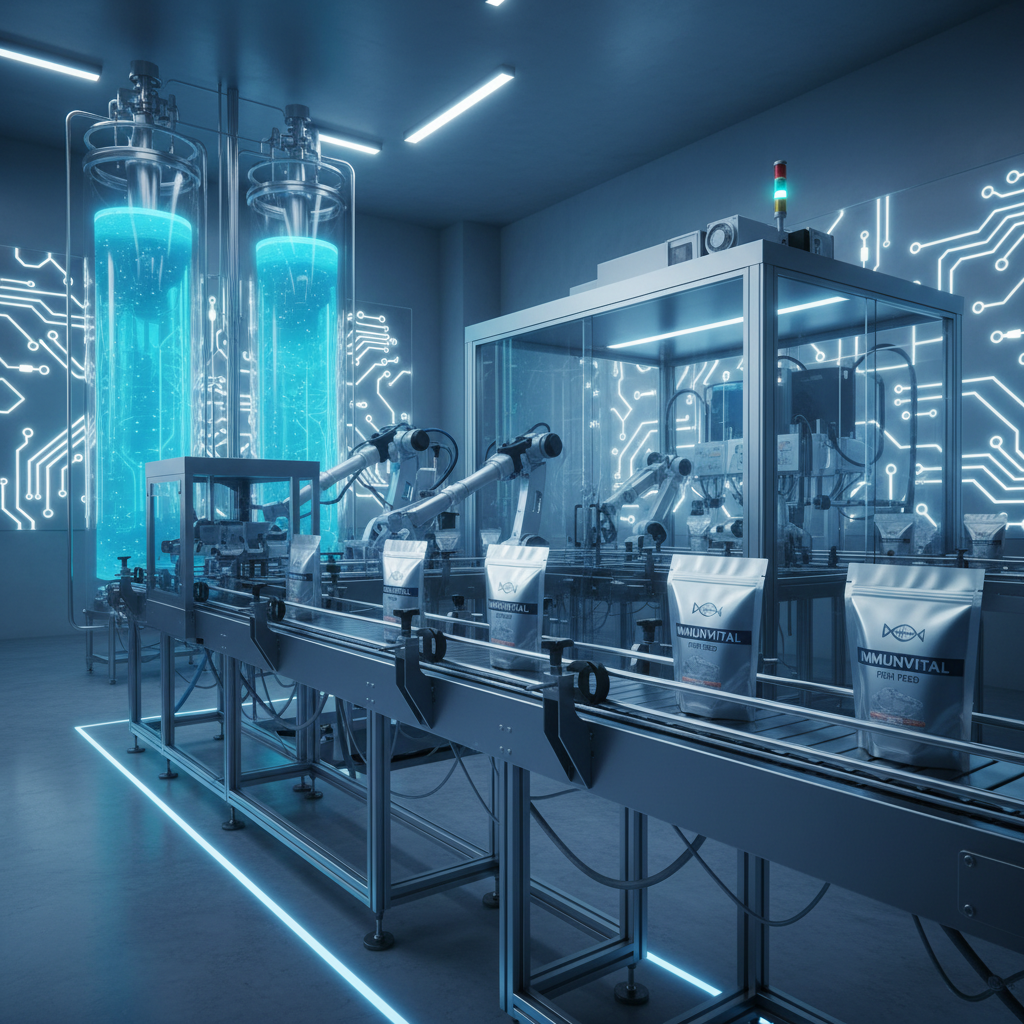
The future of combating osteomalacia lies in the digital transformation of animal nutrition. Smart feeding systems, integrated with real-time health monitoring, can now detect early signs of mineral deficiency before they manifest as clinical bone softening, allowing for automated, precision dosing of supplements.
Additionally, the development of nano-encapsulated minerals is set to revolutionize bioavailability. By protecting active ingredients from degradation in the digestive tract, these innovations ensure that the components necessary to reverse osteomalacia reach the bloodstream with maximum efficiency.
As the industry shifts toward "Green Chemistry," we are seeing a rise in sustainable sourcing for the raw materials used in bone health. The focus is shifting toward biodegradable delivery vehicles and organically sourced mineral complexes that provide a more natural physiological response.
Comparative Analysis of Bone Mineralization Strategies for Osteomalacia
| Strategy Type |
Bioavailability |
Recovery Speed |
Cost Efficiency |
| Standard Mineral Salts |
Medium |
Slow |
High |
| Chelated Mineral Powder |
High |
Fast |
Medium |
| High-Purity Vit D3 |
Very High |
Very Fast |
Medium |
| Injectable Complexes |
Maximum |
Immediate |
Low |
| Nano-Encapsulated Feed |
High |
Fast |
Medium |
| Combined Nutritional Therapy |
High |
Consistent |
High |
FAQS
While osteoporosis involves a loss of overall bone mass (the bone is brittle but mineralized), osteomalacia is a defect in the mineralization process itself. In osteomalacia, the bone matrix is present, but it remains soft because it lacks sufficient calcium and phosphate deposits, making the bones flexible and prone to bowing.
Yes, in most cases, osteomalacia is reversible if caught early. By providing high-purity Vitamin D and mineral chelates, the body can begin remineralizing the existing osteoid matrix. However, severe skeletal deformities that have already set in may require surgical intervention alongside pharmaceutical therapy.
Vitamin D acts as a key regulator for calcium absorption in the intestines. Without sufficient active Vitamin D, the body cannot absorb calcium from feed, regardless of the dietary amount. This deficiency leads to a drop in serum calcium, triggering the body to fail in mineralizing new bone, which results in the clinical signs of osteomalacia.
The most effective raw materials include pharmaceutical-grade Cholecalciferol (Vitamin D3), calcium gluconate, and phosphorus supplements. Chelated minerals are often preferred over standard salts because they offer higher bioavailability and are less likely to interact with other feed components, ensuring a more efficient recovery from osteomalacia.
Fast-growing livestock, such as commercial broilers and piglets, are particularly susceptible due to their rapid skeletal growth requirements. Additionally, animals kept in indoor environments with minimal sunlight are at a higher risk of developing osteomalacia due to the lack of natural Vitamin D synthesis.
Quality is ensured through rigorous adherence to GMP standards and the use of high-resolution analytical testing (such as HPLC) to verify the purity of the raw materials. Ensuring that supplements for osteomalacia are free from contaminants prevents interference with mineral absorption and guarantees consistent therapeutic results across different batches.
Conclusion
Managing osteomalacia requires a deep understanding of the synergy between biochemistry, nutrition, and pharmaceutical quality. By focusing on the purity of raw materials and the bioavailability of mineral supplements, the veterinary industry can effectively prevent and treat bone mineralization defects, ensuring the structural integrity and overall productivity of livestock globally.
Looking forward, the integration of precision nutrition and nano-technology will likely eliminate the prevalence of these metabolic disorders. Investing in high-quality raw materials today not only saves animals from suffering but also safeguards the economic stability of the global agricultural sector. For premium raw materials and veterinary solutions, visit our website: www.zthjpharma.com.