The intersection of mycotoxin contamination and skeletal health in livestock presents a critical challenge for the modern veterinary pharmaceutical industry. When analyzing the relationship between aflatoxin rickets, we uncover a complex biochemical synergy where fungal toxins impair the liver's ability to metabolize Vitamin D, leading to metabolic bone diseases that mirror classical rickets. This phenomenon not only threatens animal welfare but poses significant economic risks to poultry and livestock producers globally.
From a global health perspective, the prevalence of aflatoxins in feed grains creates a systemic vulnerability in the food supply chain. The manifestation of aflatoxin rickets is often an indicator of deeper nutritional deficiencies and environmental mismanagement, requiring a multi-faceted approach involving high-quality raw materials, advanced binders, and targeted nutritional supplements to restore calcium and phosphorus homeostasis.
Understanding the mechanism of this condition is essential for developing effective therapeutic interventions. By integrating pharmaceutical-grade antioxidants and specific enzyme treatments, the industry can mitigate the oxidative stress caused by mycotoxins, thereby preventing the bone mineralization failures associated with aflatoxin rickets and ensuring the structural integrity of livestock skeletal systems.
The Biochemical Pathogenesis of Aflatoxin Rickets
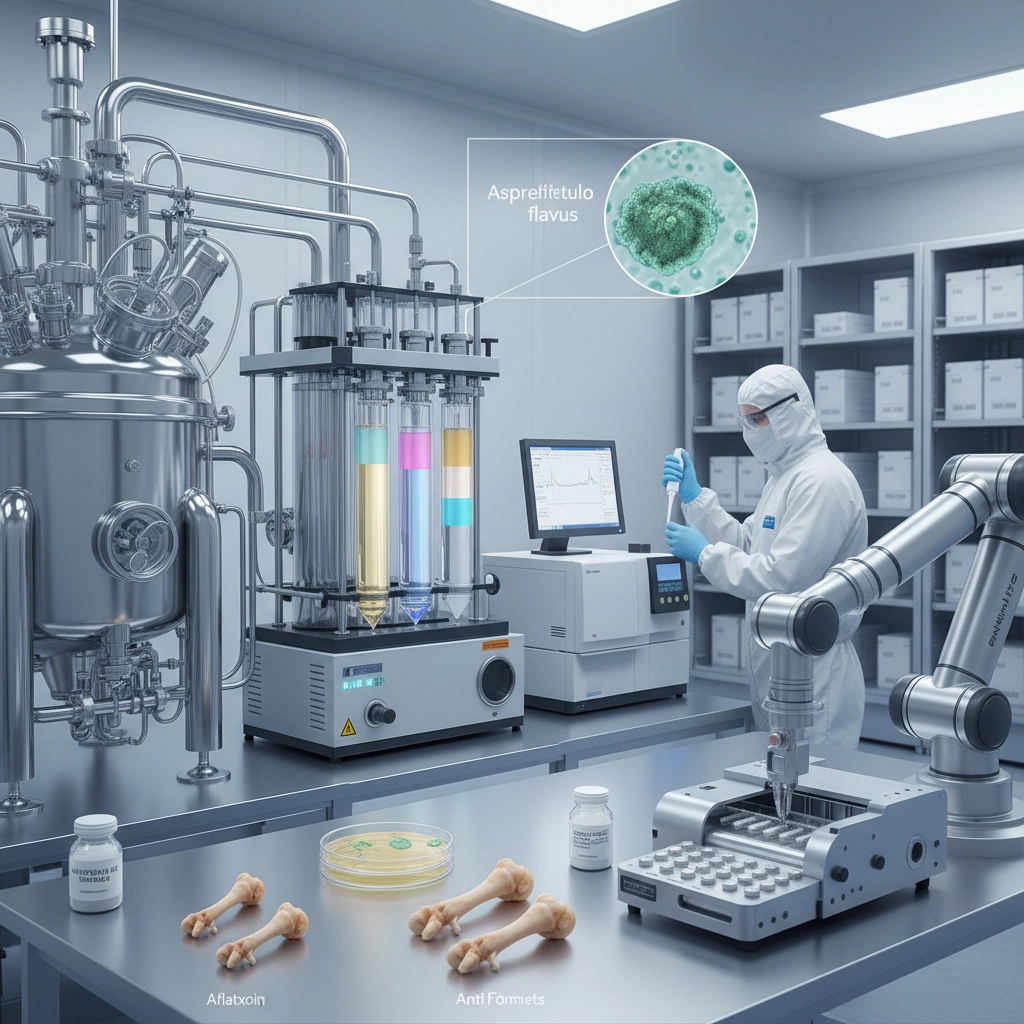
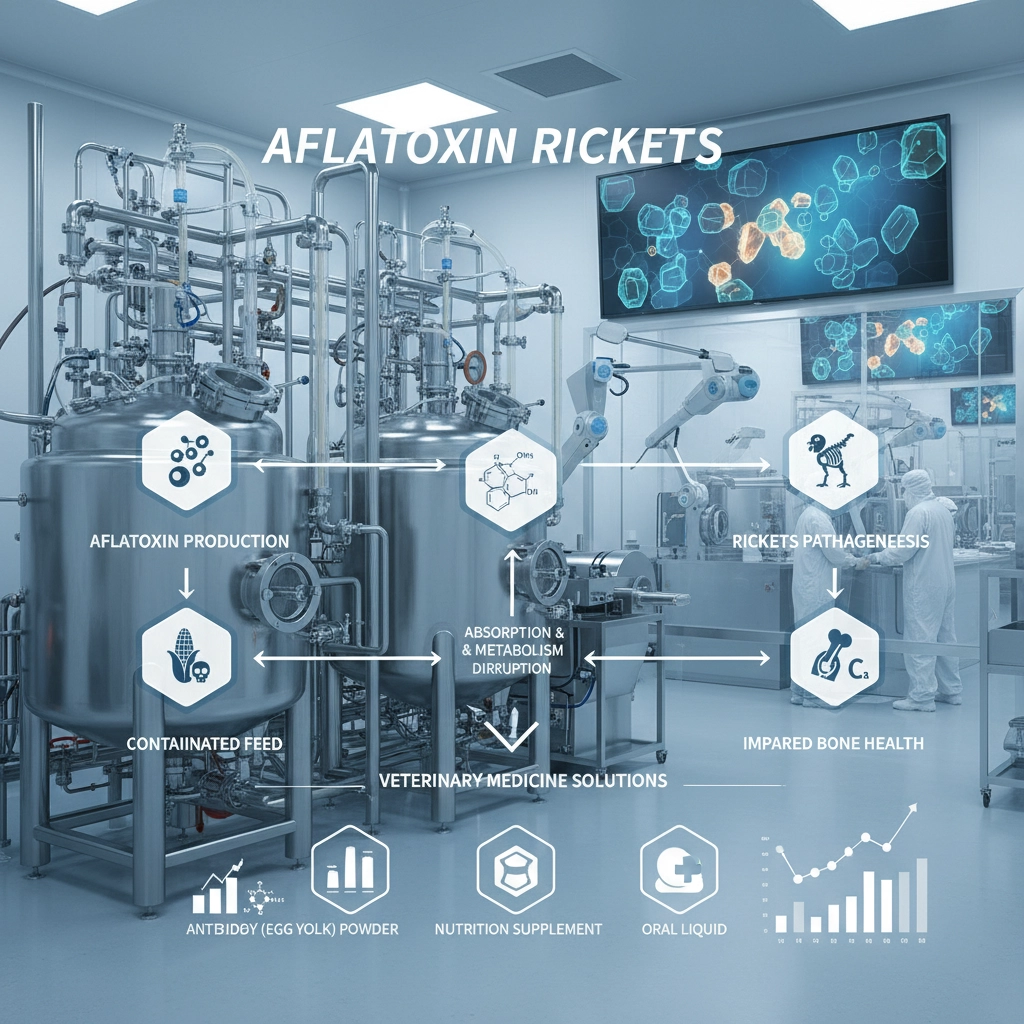
The development of aflatoxin rickets begins with the ingestion of contaminated corn or nuts, where Aspergillus fungi produce potent hepatotoxins. Once in the system, these toxins target the liver, specifically interfering with the 25-hydroxylation of Vitamin D. Since this step is crucial for creating the active form of the vitamin required for calcium absorption, the animal enters a state of secondary deficiency regardless of the dietary calcium levels provided.
As the liver's metabolic capacity diminishes, the parathyroid glands overcompensate by releasing PTH (parathyroid hormone) to mobilize calcium from the bones. This continuous leaching of minerals leads to the softening of the skeletal structure, a hallmark of aflatoxin rickets, resulting in bowed legs, stunted growth, and increased fragility in fast-growing poultry and livestock.
Global Prevalence and Economic Impact
On a global scale, the challenge of aflatoxin rickets is most acute in tropical and subtropical regions where humidity favors fungal growth. Data from agricultural oversight bodies suggest that up to 25% of the world's maize is contaminated with mycotoxins to some degree. This creates a silent epidemic in animal husbandry, where sub-clinical cases lead to gradual declines in weight gain and egg production.
The economic repercussions are staggering, affecting not just the farmer but the entire pharmaceutical supply chain. When aflatoxin rickets takes hold in a flock, the mortality rates increase, and the cost of remedial treatment—such as high-dose Vitamin D3 injections and specialized mineral supplements—erodes profit margins. Furthermore, the degradation of meat quality leads to higher rejection rates at the slaughterhouse.
To combat this, international standards like ISO and various food safety regulations have tightened the permissible limits of aflatoxins in animal feed. However, the emergence of climate-driven crop shifts means that the risk of aflatoxin rickets is expanding into previously temperate zones, necessitating a more robust, globalized approach to feed security and veterinary pharmaceutical intervention.
Synergistic Effects on Bone Mineralization
The manifestation of aflatoxin rickets is rarely a standalone event but rather a synergy of toxic stress and mineral imbalance. The toxin disrupts the intestinal lining, reducing the bioavailability of phosphorus, which is equally critical for the formation of hydroxyapatite crystals in the bone matrix.
When treating aflatoxin rickets, it is imperative to realize that simply adding calcium is insufficient. The hepatotoxicity caused by the aflatoxin prevents the biological "unlocking" of these minerals, meaning the animal may have a stomach full of nutrients but a skeleton that is effectively starving.
Consequently, the veterinary approach must focus on liver regeneration and detoxification. By using specific peptides and antioxidants, we can alleviate the liver burden, allowing the natural pathways of Vitamin D synthesis to resume, which is the only sustainable way to reverse the progression of aflatoxin rickets.
Comparative Analysis of Mitigation Strategies
Addressing aflatoxin rickets requires a tiered strategy ranging from preventative feed additives to acute clinical treatments. The industry generally divides these into "Binders," "Biotransformers," and "Nutritional Fortifiers." While binders physically trap toxins, biotransformers use enzymes to break the molecular structure of the aflatoxin, providing a more permanent solution.
The efficacy of these methods varies depending on the species and the level of contamination. For instance, in high-intensity poultry farming, a combination of organic acidifiers and yeast-cell wall binders has shown the highest success rate in preventing the onset of aflatoxin rickets, as they protect the gut barrier while neutralizing the toxins before they reach the liver.
Comparative Efficacy of Aflatoxin Rickets Prevention Methods
Industrial Applications of Mycotoxin Binders
In the realm of chemical raw material manufacturing for veterinary use, the development of high-affinity binders is the primary defense against aflatoxin rickets. These substances are engineered to have a high surface area and specific pore sizes that selectively adsorb aflatoxins while ignoring essential vitamins and minerals, ensuring that the animal's nutrition is not compromised during the detoxification process.
Furthermore, the integration of these binders into "All-in-One" premixes has streamlined the prevention of aflatoxin rickets for large-scale operations. By combining a binder with a liver-supportive cytokine or a specialized peptide, manufacturers can provide a comprehensive shield that not only prevents toxin absorption but actively repairs the hepatic damage that leads to bone mineralization failure.
Long-term Value of Nutritional Fortification
The long-term value of addressing aflatoxin rickets extends beyond the immediate survival of the livestock. By maintaining a rigorous nutritional fortification program, producers can ensure sustainable growth cycles and a reduction in the reliance on acute antibiotics, which are often used to treat secondary infections that occur when animals are weakened by skeletal deformities.
From a sustainability angle, reducing the incidence of aflatoxin rickets means fewer animal losses and a more efficient conversion of feed to protein. This lowers the environmental footprint of the farm and increases the overall reliability of the meat and dairy supply chain, fostering a higher level of trust among consumers and regulators.
Ultimately, the investment in high-grade Raw Materials and Nutrition Supplements creates a "biological insurance policy." When an unexpected spike in aflatoxin levels occurs in a batch of feed, animals with a fortified skeletal reserve and a healthy liver are far more resilient and less likely to succumb to the debilitating effects of aflatoxin rickets.
Future Innovations in Toxin Detection
Looking forward, the battle against aflatoxin rickets is moving toward real-time, digital detection. The development of biosensors that can detect aflatoxin concentrations in feed silos via IoT (Internet of Things) allows farmers to switch feeds or increase binder dosages before the animals even show signs of metabolic bone disease.
Another promising avenue is the use of CRISPR-engineered probiotics that can neutralize mycotoxins directly within the rumen or gut. This biological approach would effectively eliminate the risk of aflatoxin rickets by ensuring that the toxin is degraded before it ever reaches the liver, representing a paradigm shift from "treatment" to "intrinsic prevention."
As we integrate these digital and biological tools, the pharmaceutical industry will likely move toward personalized nutrition. By analyzing the genetic predisposition of certain breeds to aflatoxin rickets, we can tailor the raw material composition of the feed to provide maximum protection for the most vulnerable populations.
Comparison of Aflatoxin Rickets Management Approaches
| Management Strategy |
Mechanism of Action |
Impact on Bone Density |
Cost-Benefit Ratio |
| Standard Binders |
Physical Adsorption |
Moderate Prevention |
High (Low Cost) |
| Enzyme Therapy |
Molecular Degradation |
High Restoration |
Medium |
| Vitamin D3 Fortification |
Metabolic Bypass |
Rapid Mineralization |
High |
| Liver Peptides |
Hepatocyte Repair |
Indirect Support |
Medium |
| Probiotic Shield |
Gut Flora Modulation |
Low to Moderate |
Medium |
| Combination Protocol |
Multi-stage Defense |
Maximum Protection |
Very High (Value) |
FAQS
Aflatoxins damage the liver, which is responsible for converting Vitamin D into its active form. Without active Vitamin D, animals cannot absorb calcium from their diet, leading to the bone softening and deformities characteristic of aflatoxin rickets.
No, simply adding calcium is usually ineffective because the underlying problem is a metabolic block in the liver. To treat aflatoxin rickets, you must first neutralize the toxins and support liver function to restore the animal's ability to process those minerals.
Fast-growing poultry (broilers) and young calves are most susceptible. Their rapid skeletal development requires high mineral turnover, making any disruption caused by aflatoxin rickets immediately visible as leg weakness or bone fractures.
While binders are an excellent first line of defense, they may not be sufficient in cases of severe contamination. A comprehensive approach including liver-supportive supplements and high-bioavailability Vitamin D is recommended to fully prevent aflatoxin rickets.
Early signs include a slight decrease in growth rate, lethargy, and a subtle change in gait. By the time bowing of the legs is visible, aflatoxin rickets is already advanced, making early feed testing and liver enzyme monitoring critical.
Severe skeletal deformities may be permanent, but the metabolic process can be reversed. By removing the toxin source and implementing a recovery diet rich in active Vitamin D and liver protectants, the progression of aflatoxin rickets can be halted and bone density can be partially restored.
Conclusion
The challenge of aflatoxin rickets underscores the critical interdependence between environmental purity, hepatic health, and skeletal integrity. By understanding that this condition is a metabolic failure triggered by fungal toxins rather than a simple mineral deficiency, the industry can shift toward more effective, targeted interventions. The integration of high-affinity binders, enzyme detoxification, and precise nutritional fortification provides a robust framework for protecting livestock and securing the food chain.
Moving forward, the emphasis must remain on proactive prevention and the adoption of emerging detection technologies. As the global climate continues to shift, the risk of mycotoxin-induced bone disease will persist, making the role of high-quality veterinary pharmaceuticals more vital than ever. We encourage producers and pharmacists to prioritize liver-centric recovery protocols to ensure that no animal suffers from the preventable tragedy of aflatoxin rickets. Visit our website for professional solutions: www.zthjpharma.com