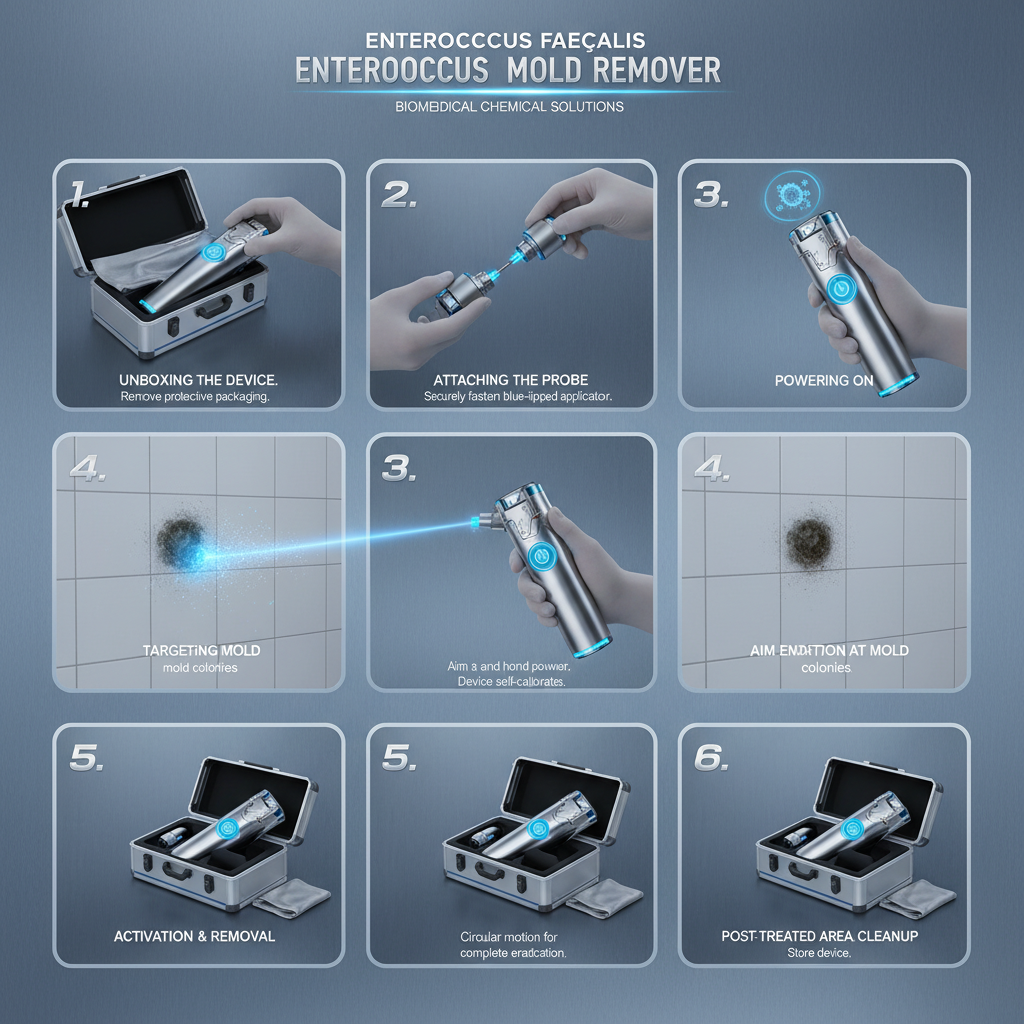
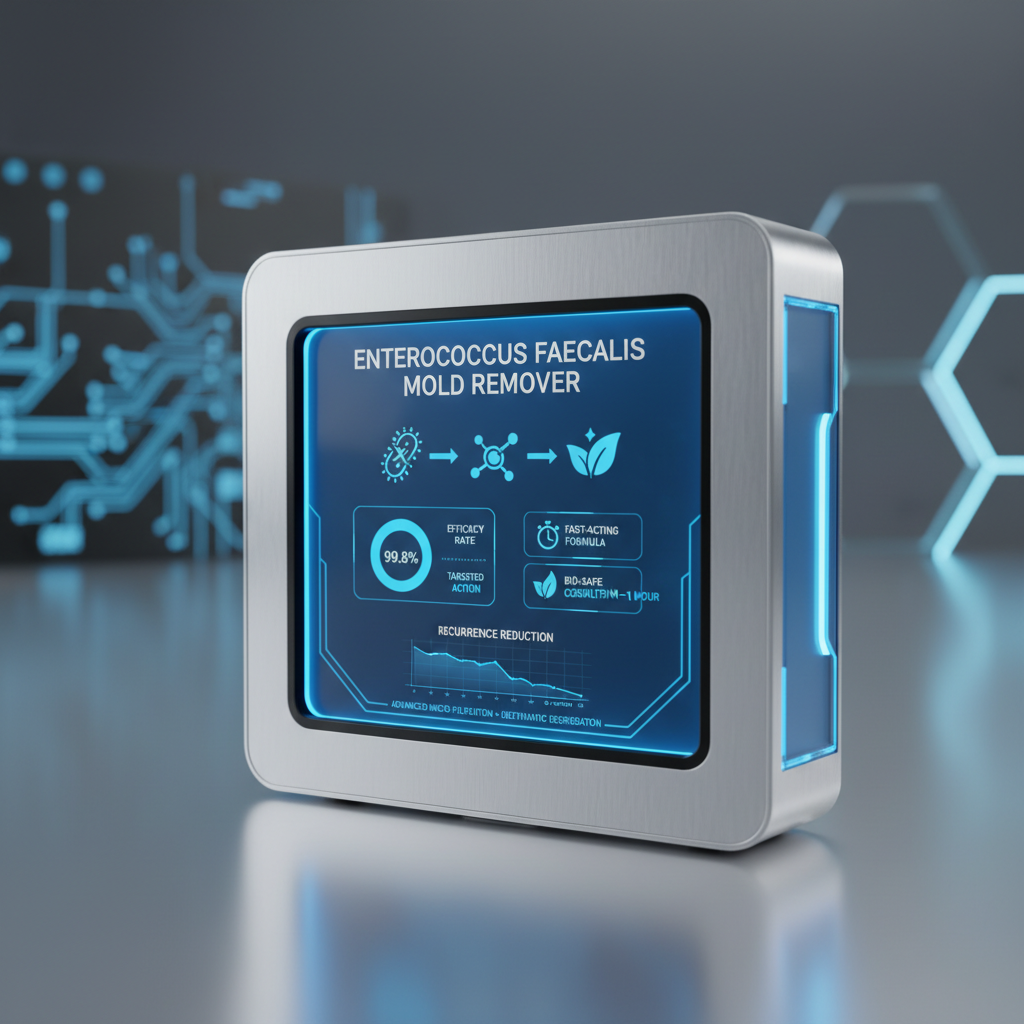
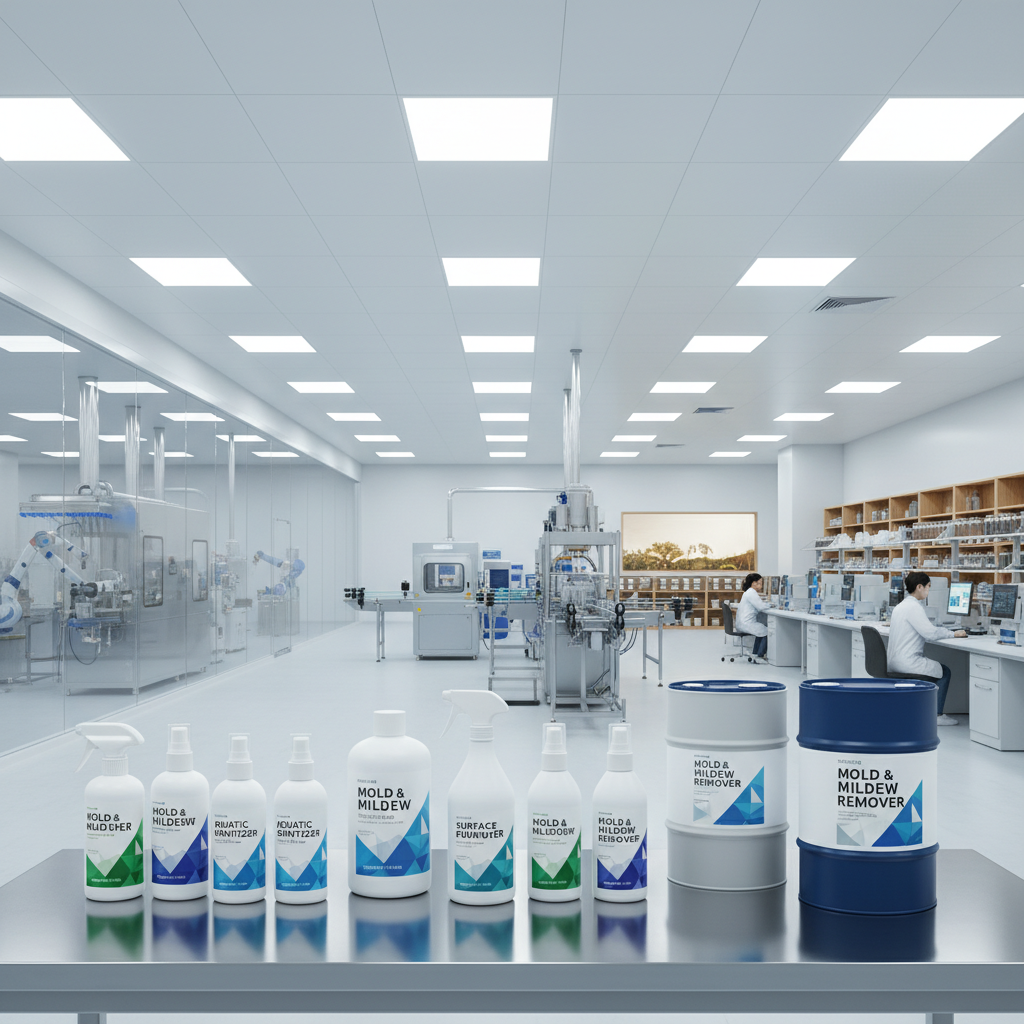
Maintaining sterile environments in veterinary pharmaceutical manufacturing is a critical challenge, particularly when dealing with resilient microbial contaminants. The implementation of a specialized enterococcus faecalis mold remover strategy is essential for preventing cross-contamination in raw material production, ensuring that animal health products remain potent and safe for global distribution.
From a global perspective, the rise of antibiotic-resistant strains of Enterococcus species has forced manufacturers to rethink their decontamination protocols. A high-efficacy enterococcus faecalis mold remover does more than just clean a surface; it eliminates the biological biofilms that protect pathogens, thereby reducing the risk of batch failure and ensuring compliance with strict ISO and GMP standards.
Understanding the synergy between antimicrobial agents and mold removal technology allows pharmaceutical plants to optimize their hygiene cycles. By integrating a robust enterococcus faecalis mold remover into their standard operating procedures, companies can protect their infrastructure, enhance the longevity of their equipment, and maintain the highest levels of biosafety for livestock and pet medication.
Global Impact of Enterococcus Faecalis Mold Remover
The global demand for high-purity veterinary medicines has surged, placing immense pressure on raw material manufacturers to eliminate stubborn microbial colonies. The use of an enterococcus faecalis mold remover has become a cornerstone of quality assurance, as these specific pathogens are known for their ability to survive in harsh environmental conditions, often masquerading within mold-like biofilm structures.
Statistically, contamination in pharmaceutical cleanrooms can lead to losses of millions of dollars per batch. By deploying a targeted enterococcus faecalis mold remover, facilities can align with World Health Organization (WHO) guidelines for medicine quality, ensuring that the final product—be it a poultry vaccine or a livestock supplement—is free from opportunistic pathogens that could trigger outbreaks in animal populations.
Defining the Enterococcus Faecalis Mold Remover Mechanism
In technical terms, an enterococcus faecalis mold remover is a specialized biochemical agent designed to disrupt the cellular membrane of Enterococcus faecalis while simultaneously breaking down the fungal hyphae and organic matrices that often coexist in contaminated areas. Unlike general disinfectants, these removers target the specific protein structures that allow these bacteria to adhere to stainless steel and plastic surfaces.
The connection to modern humanitarian needs is evident in the fight against antimicrobial resistance (AMR). By utilizing an enterococcus faecalis mold remover that employs physical disruption rather than just chemical toxicity, manufacturers prevent the bacteria from developing further resistance, thereby protecting the efficacy of the antibiotics used in veterinary medicine.
Ultimately, this process is about creating a "zero-tolerance" zone within the production line. The integration of an enterococcus faecalis mold remover ensures that the raw materials used in the creation of antibodies, peptides, and probiotics are not compromised by environmental stressors, maintaining a pure chain of custody from the lab to the farm.
Core Components of Effective Bio-Contamination Control
Durability of the sterilized state is the first key factor. A professional enterococcus faecalis mold remover does not just provide a momentary clean; it leaves a microscopic protective layer that inhibits the re-attachment of spores, ensuring that the facility remains compliant between deep-cleaning cycles.
Scalability is equally vital. Whether applying an enterococcus faecalis mold remover to a small-scale incubator or a massive fermentation tank, the chemical formulation must remain stable and effective across varying volumes and surface areas without leaving corrosive residues that could damage expensive pharmaceutical equipment.
Cost efficiency is achieved through reduced downtime. By using a high-potency enterococcus faecalis mold remover, the time required for "wash-out" periods is significantly decreased, allowing for faster turnover of production batches and increasing the overall throughput of the manufacturing plant.
Performance Metrics for Industrial Mold Removers
Evaluating the efficacy of an enterococcus faecalis mold remover requires a data-driven approach. We measure success not only by the visual absence of mold but by the quantitative reduction of Colony Forming Units (CFUs) on critical touchpoints. This ensures that the remediation process is exhaustive and leaves no dormant pockets of bacteria.
When comparing different methodologies, it becomes clear that a multi-stage enterococcus faecalis mold remover approach—combining enzymatic breakdown with oxidative sterilization—yields the highest reliability ratings across various pharmaceutical substrates.
Comparative Efficacy of Enterococcus Faecalis Mold Remover Methods
Real-World Applications in Veterinary Pharma
In the production of egg yolk antibody powders, maintaining a sterile environment is paramount. The use of an enterococcus faecalis mold remover prevents the contamination of delicate protein structures, ensuring that the final antibody product maintains its biological activity and protective capabilities for avian species.
Furthermore, in remote industrial zones where water quality may be inconsistent, the deployment of a concentrated enterococcus faecalis mold remover allows facilities to maintain pharmaceutical-grade cleanliness without needing massive amounts of purified water for rinsing, thereby supporting sustainable manufacturing in developing regions.
Long-Term Value of Advanced Sterilization
The adoption of a premium enterococcus faecalis mold remover translates directly into long-term financial stability. By reducing the frequency of emergency facility shutdowns due to contamination outbreaks, companies can maintain a predictable production schedule and honor long-term supply contracts with global veterinary distributors.
Beyond the balance sheet, there is an emotional and ethical dimension. Ensuring the purity of medicines through a rigorous enterococcus faecalis mold remover protocol builds trust with veterinarians and farmers, who rely on these products to save animal lives and protect food security for human populations.
Innovation in this sector is not just about stronger chemicals, but about smarter application. The transition toward biocompatible enterococcus faecalis mold removers reduces the environmental footprint of the factory, aligning industrial growth with the global movement toward "green" pharmaceutical chemistry.
Future Innovations in Microbial Remediation
The next generation of enterococcus faecalis mold remover technology is leaning heavily toward automation and digital monitoring. Smart sensors can now detect the early onset of biofilm formation, triggering the automated release of an enterococcus faecalis mold remover exactly where and when it is needed, minimizing chemical waste.
We are also seeing a shift toward nanotechnology, where nano-silver or nano-copper particles are integrated into the enterococcus faecalis mold remover formula. These particles provide a continuous, passive antimicrobial effect that lasts long after the initial cleaning process is complete.
Sustainability policies are also driving the development of biodegradable, enzyme-based enterococcus faecalis mold removers. These solutions break down into harmless organic components, ensuring that the facility's wastewater treatment systems are not overwhelmed by harsh synthetic agents.
Analysis of Enterococcus Faecalis Mold Remover Implementation Strategies
| Remediation Method |
Biofilm Penetration |
Surface Compatibility |
Eco-Impact Score |
| Enzymatic Spray |
Very High |
Excellent |
9/10 |
| Oxidative Foam |
High |
Good |
7/10 |
| Nano-Particle Wash |
Medium |
Excellent |
8/10 |
| Traditional Chlorine |
Medium |
Fair (Corrosive) |
4/10 |
| UV-C Synergist |
High |
Excellent |
10/10 |
| Alcohol-Based Wipe |
Low |
Good |
6/10 |
FAQS
Professional enterococcus faecalis mold removers are formulated with specific enzymes and surfactants that can penetrate the protective extracellular polymeric substances (EPS) of biofilms. Household cleaners typically only address surface-level mold, whereas industrial removers target the deep-seated Enterococcus colonies that are resistant to standard detergents, ensuring a sterile pharmaceutical environment.
The frequency depends on the risk level of the zone. In Grade A cleanrooms, a daily maintenance application is recommended, while deep-remediation using an enterococcus faecalis mold remover should occur during quarterly facility shutdowns. Continuous monitoring via swab tests can help optimize the application schedule based on actual microbial load.
Yes, high-quality industrial removers are specifically engineered to be non-corrosive to 316L stainless steel. By avoiding harsh acids and utilizing pH-neutral enzymatic agents, these removers eliminate pathogens without pitting or etching the metal surfaces, thereby extending the lifespan of the production equipment.
Absolutely. By effectively removing the bacterial reservoirs in the factory environment, the need for prophylactic antibiotic use in production is reduced. Furthermore, many modern removers use mechanical and enzymatic disruption rather than antibiotic-like chemicals, preventing the bacteria from evolving new resistance mechanisms.
Verification is typically performed using ATP bioluminescence testing for immediate results or traditional agar plate culture for definitive microbial counts. A successful application of an enterococcus faecalis mold remover will show a significant drop in CFU counts and the complete absence of characteristic Enterococcus growth patterns on selective media.
Yes, the industry is shifting toward "Green Chemistry." Many new enterococcus faecalis mold removers use plant-derived surfactants and biodegradable enzymes that are fully compostable in wastewater systems, allowing plants to meet ESG (Environmental, Social, and Governance) goals without compromising sterilization efficacy.
Conclusion
The implementation of a rigorous enterococcus faecalis mold remover protocol is not merely a cleaning task; it is a critical component of pharmaceutical risk management. By combining advanced biochemical agents with strategic application and digital monitoring, manufacturers can virtually eliminate the threat of bio-contamination, ensuring that every batch of veterinary medicine meets the highest global standards of safety and efficacy.
Looking forward, the integration of nanotechnology and sustainable chemistry will further refine the way we handle microbial threats. We encourage all pharmaceutical manufacturers to audit their current sterilization cycles and upgrade to a targeted enterococcus faecalis mold remover system to safeguard their products, their reputation, and the animals they serve. Visit our website: www.zthjpharma.com