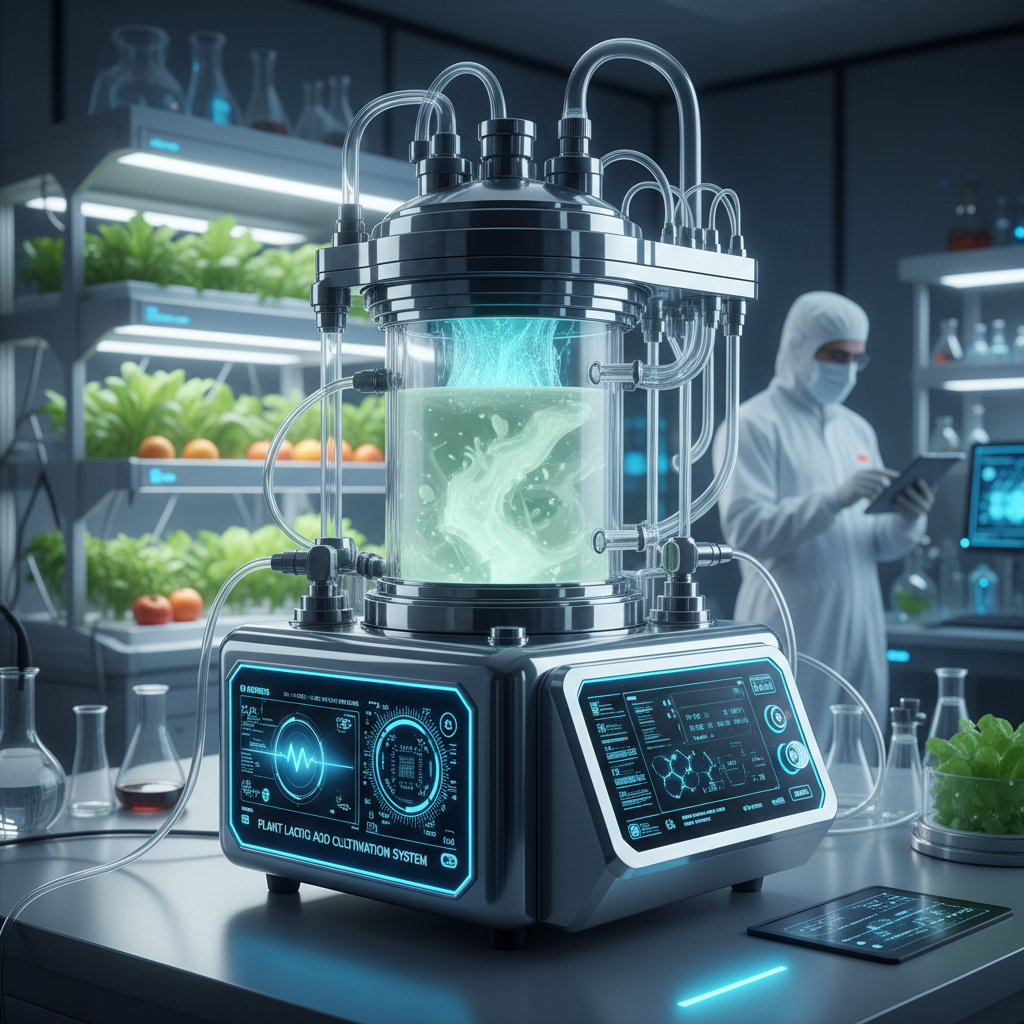
The exploration of plant lactic acid bacteria has become a cornerstone in the modern pursuit of sustainable biotechnology and animal health. These specialized microorganisms, naturally occurring in various plant materials, offer a potent alternative to synthetic additives in the veterinary and pharmaceutical sectors, bridging the gap between natural ecology and industrial efficiency.
Understanding the mechanisms of these bacteria is crucial for global food security and the reduction of antimicrobial resistance. As the world pivots toward "green" manufacturing, the ability to harness plant lactic acid bacteria allows producers to enhance the shelf-life of raw materials and improve the gut health of livestock without relying on controversial growth promoters.
By integrating these bio-resources into pharmaceutical and nutritional frameworks, the industry can achieve a synergy of safety and efficacy. From enhancing the bio-availability of nutrients to providing natural pathogen inhibition, the strategic application of plant-derived lactic acid bacteria is redefining the standards of veterinary medicine and raw material processing.
Global Relevance of Plant Lactic Acid Bacteria
In the current global industrial landscape, the shift toward antibiotic-free livestock production has placed plant lactic acid bacteria at the forefront of veterinary science. With the WHO and FAO emphasizing the dangers of antimicrobial resistance, the pharmaceutical industry is urgently seeking biological alternatives that can maintain intestinal homeostasis and prevent infection without inducing genetic resistance in pathogens.
Data from international agricultural standards suggest that the integration of plant-based probiotics can reduce the incidence of enteric diseases by up to 30% in intensive farming environments. This global relevance extends beyond simple health; it is about the economic viability of the food chain, ensuring that raw materials are processed using sustainable, non-toxic biological agents that satisfy stringent ISO and regulatory requirements.
Defining Plant Lactic Acid Bacteria in Industry
Simply put, plant lactic acid bacteria are a group of Gram-positive, non-spore-forming bacteria that preferentially ferment carbohydrates into lactic acid, naturally isolated from plant surfaces, fruits, or fermented plant-based silage. Unlike dairy-derived strains, these bacteria have evolved to thrive in the diverse and often harsh environments of plant tissues, granting them unique enzymatic capabilities and resilience.
In a modern industrial context, these microorganisms are not merely biological curiosities but are treated as "cellular factories." By leveraging their ability to produce bacteriocins—natural antimicrobial peptides—industry experts can create bio-preservatives that protect raw materials from spoilage while enhancing the nutritional profile of animal feed supplements.
The connection to humanitarian needs is evident in the quest for affordable, safe, and scalable protein sources. By utilizing plant lactic acid bacteria to improve the digestibility of plant-based feeds, the pharmaceutical and nutrition industries help lower the cost of livestock production, ultimately making high-quality protein more accessible globally.
Core Components for Industrial Efficacy
The scalability of plant lactic acid bacteria depends heavily on the selection of robust strains capable of high-density fermentation. Industrial efficacy is measured by the bacteria's ability to maintain a stable population throughout the production cycle, ensuring that the final powder or liquid product contains a guaranteed Colony Forming Unit (CFU) count.
Durability is another critical factor, specifically the ability of these bacteria to withstand the acidic environment of the stomach and the bile salts of the small intestine. Through advanced encapsulation techniques, plant lactic acid bacteria are protected, allowing them to reach the gut microbiota intact and exert their beneficial effects on the host's immune system.
Cost efficiency is realized through the use of plant-based substrates for cultivation. By utilizing agricultural by-products as the growth medium for plant lactic acid bacteria, manufacturers can reduce raw material costs while promoting a circular economy, transforming waste into high-value pharmaceutical-grade probiotics.
Global Applications and Use Cases
Real-world applications of plant lactic acid bacteria span across multiple continents, from the advanced aquaculture farms of Norway to the livestock hubs of Brazil. In these regions, these bacteria are used as feed additives to modulate the gut microbiome, reducing the need for chemical growth promoters and improving the overall Feed Conversion Ratio (FCR).
In specific industrial zones, such as those focusing on organic animal husbandry, plant lactic acid bacteria are employed in the fermentation of silage. This process not only preserves the nutritional value of the fodder but also inhibits the growth of molds and mycotoxin-producing fungi, ensuring a safe and consistent diet for poultry and livestock.
Performance Metrics of Plant Lactic Acid Bacteria Strains
Long-Term Value and Sustainability
The long-term value of plant lactic acid bacteria lies in their contribution to ecological sustainability. By reducing the reliance on synthetic antimicrobial agents, we minimize the leakage of pharmaceutical chemicals into the soil and water systems, protecting biodiversity and ensuring the long-term viability of our natural resources.
Beyond the logical arguments of cost and efficiency, there is an emotional angle of trust and safety. Consumers are increasingly demanding transparency and "clean labels" in their food sources. Implementing plant lactic acid bacteria in animal nutrition allows producers to offer a product that is naturally raised, fostering a deeper bond of trust between the manufacturer and the end consumer.
Future Trends in Bio-Innovation
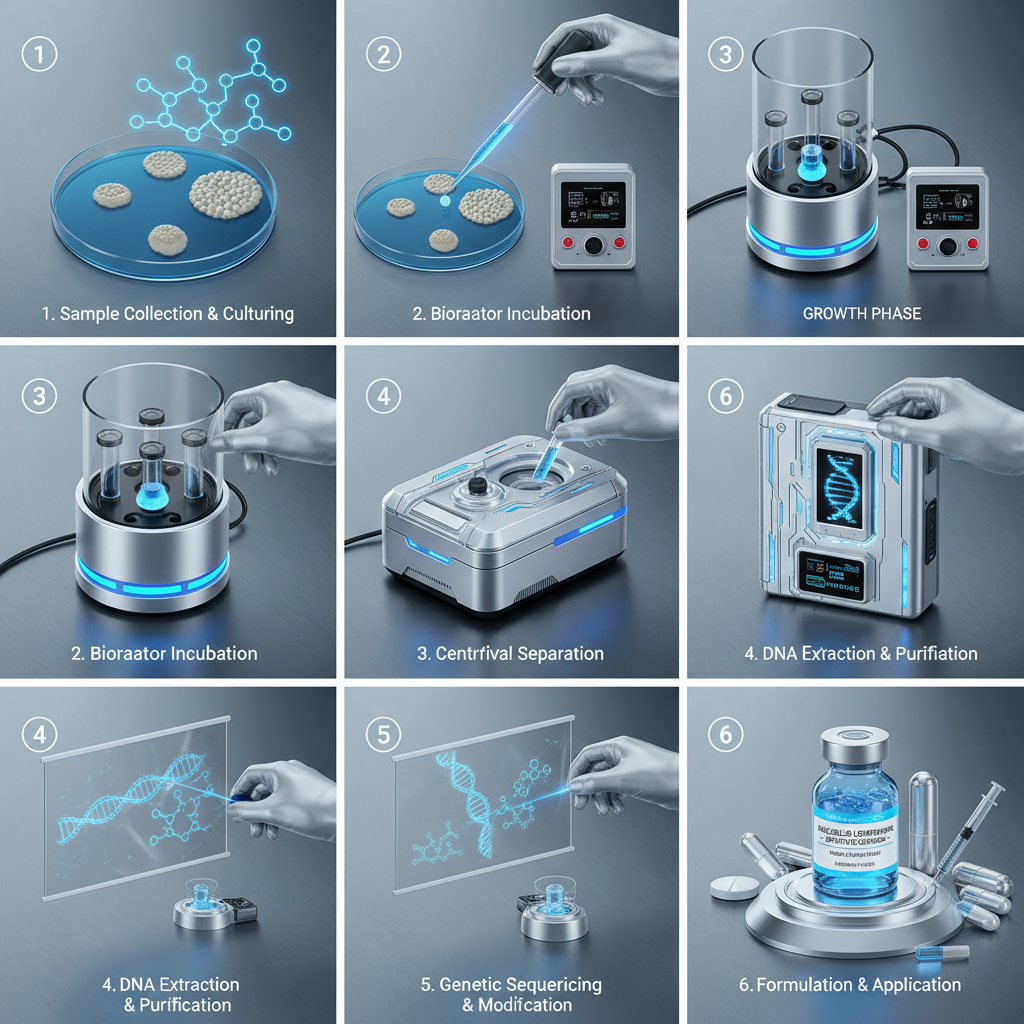
The future of plant lactic acid bacteria is being shaped by the digital transformation of biotechnology. We are seeing the rise of "precision probiotics," where AI and genomic sequencing are used to match specific bacterial strains to the unique microbiome of different animal species, maximizing the therapeutic impact of the intervention.
Furthermore, the integration of automation in fermentation processes is allowing for more consistent quality control. New bioreactor designs are enabling the mass production of plant lactic acid bacteria with minimal environmental footprints, utilizing green energy sources to power the cultivation process.
We also anticipate a shift toward multi-strain consortia. Rather than using a single strain, future formulations will likely feature a curated community of plant lactic acid bacteria that work synergistically to provide a comprehensive range of benefits, from pathogen inhibition to vitamin synthesis and metabolic regulation.
Overcoming Challenges in Bacterial Stability
One of the primary challenges in the application of plant lactic acid bacteria is their sensitivity to environmental stressors during storage. Factors such as temperature fluctuations and oxygen exposure can lead to a rapid decline in viability, rendering the final product ineffective.
To overcome this, the industry is adopting innovative freeze-drying and spray-drying techniques that utilize cryoprotectants. These methods ensure that the plant lactic acid bacteria remain in a dormant but viable state, significantly extending the shelf-life and simplifying the logistics of international shipping.
Expert insights suggest that the next breakthrough will be in the development of "smart" coatings. By using biodegradable polymers, we can create a protective shield around the bacteria that only dissolves upon reaching the target area of the gut, ensuring maximum delivery efficiency.
Analysis of Plant Lactic Acid Bacteria Stability and Efficacy Factors
|
Strain Category
|
Survival Rate (%)
|
Antimicrobial Activity
|
Industrial Scalability
|
| Lactobacillus plantarum |
85% |
High |
Excellent |
| Lactococcus lactis (Plant-derived) |
70% |
Medium |
High |
| Leuconostoc mesenteroides |
60% |
Medium |
Moderate |
| Pediococcus acidilactici |
90% |
High |
High |
| Enterococcus faecium (Plant-derived) |
75% |
Low |
Excellent |
| Lactobacillus brevis |
65% |
Medium |
Moderate |
FAQS
Plant lactic acid bacteria are isolated from vegetation rather than milk. This means they are naturally adapted to ferment plant sugars and often exhibit higher resilience to the diverse pH levels and phytochemicals found in plant-based feeds. They are an ideal choice for vegan or plant-based veterinary formulations where dairy residues must be avoided.
While they may not replace antibiotics for acute, severe infections, they are highly effective as preventive measures. By optimizing gut health and creating a competitive environment that suppresses pathogens, plant lactic acid bacteria significantly reduce the need for prophylactic antibiotic use, helping to combat global antimicrobial resistance.
Stability is maintained through advanced encapsulation and lyophilization (freeze-drying) processes. By adding protective agents and utilizing moisture-proof, temperature-controlled packaging, manufacturers ensure that the bacteria remain dormant and viable until they are ingested and activated in the animal's digestive tract.
Generally, these bacteria are classified as GRAS (Generally Recognized as Safe). However, industrial producers must rigorously screen strains to ensure they are non-pathogenic and do not carry transferable antibiotic-resistance genes, ensuring the highest safety standards for both animals and human consumers.
They produce enzymes and organic acids that break down complex plant fibers and anti-nutritional factors in the feed. This increases the bioavailability of nutrients, allowing the animal to absorb more energy and protein from the same amount of food, thereby improving the overall feed conversion ratio.
Yes, provided they meet the regulatory requirements of the importing country (such as FDA or EMA standards). Most pharmaceutical-grade plant lactic acid bacteria are produced in ISO-certified facilities with full documentation on strain origin and purity to facilitate smooth international customs and regulatory approval.
Conclusion
The strategic integration of plant lactic acid bacteria into the pharmaceutical and veterinary sectors represents a paradigm shift toward biological sustainability. By focusing on the synergy between nature and industry, we have seen how these microorganisms can enhance animal health, secure the food supply chain, and reduce the environmental burden of chemical additives. The core value lies not just in their immediate efficacy, but in their ability to provide a safe, scalable, and eco-friendly alternative to traditional antimicrobial agents.
Looking ahead, the continued evolution of precision biotechnology and smart delivery systems will further unlock the potential of these beneficial bacteria. We encourage industry professionals and researchers to embrace these bio-innovations to build a more resilient and ethical manufacturing ecosystem. For high-quality raw materials and expert guidance on probiotic integration, visit our website: www.zthjpharma.com.