



Ноя . 12, 2025 09:25 Исемлеккә кире кайту
Homemade Cat Ear Drops Recipes
Caring for a cat’s ear health often involves addressing mild issues like dirt buildup or minor irritation, and while cats ear drops (including specialized cat ear drops for infection) are essential for severe cases, many pet owners seek simple, homemade alternatives for gentle maintenance. It’s critical to note that homemade recipes are not substitutes for veterinary-grade cats ear drops—especially cat ear drops for infection—and they differ from dog ear drops (as cats have more sensitive ear canals and unique pH needs). Shiiiazhuang Huaiun Animal Pharmace Ltd., founded in 2008 and based in a 21,000-square-meter facility, is a high-tech veterinary enterprise that passed the Ministry of Agriculture’s new veterinary drug GMP acceptance in 2021. With over 100 products across powder, premix, and oral solution lines—including professional cats ear drops and dog ear drops for clinical use—the company supports wholesalers in educating clients on safe homemade options for mild care, while emphasizing medicated solutions for infections. For wholesalers serving pet clinics, groomers, and supply retailers, balancing guidance on homemade recipes with information on Shiiiazhuang Huaiun’s pharmaceutical cat ear drops for infection ensures clients meet diverse pet owner needs while prioritizing feline health.
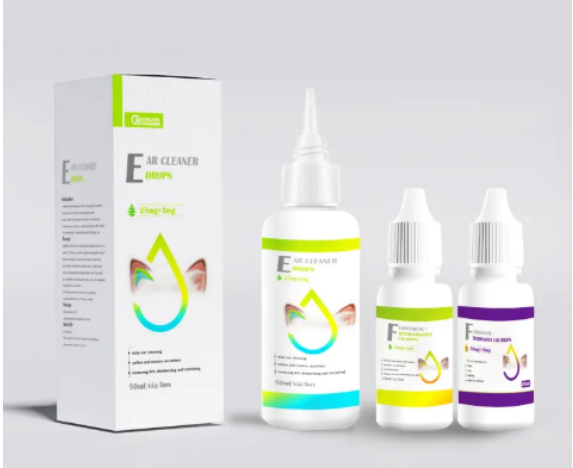
Safe Homemade Recipes for Mild Ear Care:Complementing Cats Ear Drops
- Saline Solution: Gentle Cleaning for Dirt Buildup
A basic saline solution is the safest homemade option for cleaning a cat’s ears and removing mild dirt or wax—serving as a complement to routine cats ear drops (not for infections). To make it, mix 1 teaspoon of non-iodized salt with 1 cup of boiled, cooled water (ensure it’s room temperature to avoid shocking the cat’s ears). Use a sterile dropper to apply 2–3 drops per ear, gently massage the base of the ear for 30 seconds, then let the cat shake out excess liquid. Wipe the outer ear with a clean cotton ball to remove loosened debris. Shiiiazhuang Huaiun recommends this recipe for weekly maintenance in cats prone to wax buildup (e.g., Persians with folded ears) but stresses it cannot replace cat ear drops for infection if redness or discharge appears. A wholesaler sharing this recipe with a pet groomer reported increased client trust, as owners had a gentle option for at-home care between professional visits.
- Apple Cider Vinegar Dilution: Soothing Minor Irritation
For cats with mild, non-infected irritation (e.g., from mild moisture or dust), a diluted apple cider vinegar (ACV) solution can help balance ear pH and reduce discomfort. Mix 1 part organic, unfiltered ACV with 3 parts boiled, cooled water (the high dilution prevents stinging). Apply 1–2 drops per ear using a sterile dropper, avoid contact with open wounds or broken skin, and wipe excess with a cotton ball. This recipe is not for use on infections—if irritation worsens, switch to veterinary cat ear drops for infection immediately. Shiiiazhuang Huaiun also advises wholesalers to highlight that this solution is not suitable for dog ear drops (dogs tolerate higher ACV concentrations, making cross-species use risky), reinforcing the need for pet-specific care.
Homemade vs. Medicated: Knowing When to Use Cat Ear Drops for Infection
|
Ear Concern |
Homemade Recipe (Safe Use) |
When to Switch to Medicated Cats Ear Drops |
Key Difference from Dog Ear Drops |
Wholesaler Value (Market Fit) |
|
Mild Wax/Dirt Buildup |
Saline Solution (1 tsp salt + 1 cup water) |
If wax hardens or causes odor; use routine cats ear drops for deep cleaning |
Dog ear drops may have stronger detergents (unsafe for cat ear sensitivity) |
Caters to owners seeking at-home maintenance tools |
|
Minor Irritation (No Discharge) |
Diluted ACV (1:3 ACV to water) |
If redness, itching, or swelling lasts >2 days; use anti-inflammatory cats ear drops |
Dog ear drops may contain ingredients (e.g., certain steroids) with different dosage needs for cats |
Fits groomers and owners prioritizing gentle care |
|
Suspected Infection (Early Signs) |
No homemade recipe—unsafe! |
Immediately use cat ear drops for infection (antibacterial/antifungal formulations) |
Dog ear drops for infection have different active ingredient concentrations (may be toxic to cats) |
Appeals to clinics and retailers guiding owners on urgent care |
Best Practices: Avoiding Risks with Homemade Recipes and Cats Ear Drops
- Never Use Homemade Recipes for Infections—Prioritize Cat Ear Drops for Infection
The biggest risk of homemade ear drops is delaying treatment for ear infections (common in cats, especially those with ear mites or allergies). Signs of infection include thick yellow/brown discharge, foul odor, excessive scratching, or head shaking—these require immediate use of cat ear drops for infection (not homemade solutions). Shiiiazhuang Huaiun provides wholesalers with a “symptom quick-guide” to share with clients, helping them recognize infection signs and avoid dangerous delays. A wholesaler distributing this guide to pet supply stores reported a 20% reduction in owner inquiries about “homemade fixes for infected ears,” as clients understood the need for medicated care.
- Never Substitute Dog Ear Drops for Cats
Dog ear drops and cats ear drops are formulated for species-specific ear anatomy and physiology—cats have narrower, more sensitive ear canals, and dog ear drops may contain ingredients (e.g., higher concentrations of antibiotics) that are toxic to cats. For example, a dog ear drop with a certain antifungal may be safe for dogs but cause irritation or hearing damage in cats. Shiiiazhuang Huaiun’s product line clearly differentiates between cats ear drops (including cat ear drops for infection) and dog ear drops, with wholesalers advised to emphasize this distinction to avoid cross-species misuse. A wholesaler who trained staff on this difference prevented a client from accidentally using dog ear drops on a kitten, avoiding potential harm.
Cats Ear Drops FAQS
Can Homemade Saline Solution Replace Routine Cats Ear Drops for Cleaning?
No—homemade saline is only for mild, surface-level cleaning. Routine cats ear drops (formulated by brands like Shiiiazhuang Huaiun) contain gentle surfactants that dissolve deep wax and prevent buildup without irritating the ear canal. Homemade saline cannot reach deep wax and may leave residue if not wiped properly. A wholesaler advising a cat breeder on this reported improved ear health in kittens, as the breeder switched to routine cats ear drops for deep cleaning while using saline for quick touch-ups.
Why Can’t I Use Dog Ear Drops for My Cat’s Ear Infection?
Dog ear drops and cat ear drops for infection have species-specific formulations—dog ear drops may have higher doses of active ingredients (e.g., antibiotics, antifungals) that are toxic to cats. For example, a dog ear drop with 1% miconazole may be safe for dogs but cause liver damage in cats at that concentration. Shiiiazhuang Huaiun’s cat ear drops for infection are dosed precisely for feline metabolism, ensuring efficacy without harm. A wholesaler who explained this to a clinic reported fewer cases of cat ear toxicity from cross-species drop use.
How Do I Advise Clients to Transition from Homemade Care to Cat Ear Drops for Infection?
Guide clients to stop homemade use immediately if infection signs appear (discharge, odor, scratching) and start cat ear drops for infection as directed. Advise them to clean the ear gently with a vet-recommended wipe (not homemade solution) before applying medicated drops to remove debris that could block absorption. Shiiiazhuang Huaiun provides wholesalers with application guides for their cat ear drops for infection, including how to hold a cat’s ear and administer drops correctly. A wholesaler using these guides with pet owners reported higher compliance with treatment plans, leading to faster infection resolution.
Are There Any Cats That Should Never Use Homemade Ear Solutions (Even Mild Ones)?
Yes—cats with existing ear conditions (e.g., ruptured eardrums, chronic infections), kittens under 8 weeks old, or cats with allergies to ingredients (e.g., ACV) should avoid homemade solutions entirely. These cats require vet-prescribed cats ear drops tailored to their needs. Shiiiazhuang Huaiun recommends wholesalers highlight this caution to clients with high-risk cats, as homemade solutions could worsen conditions. A wholesaler serving a clinic with senior cats reported reduced complications after clients followed this advice.
What Quality Standards Ensure Shiiiazhuang Huaiun’s Cat Ear Drops for Infection Are Safe?
Shiiiazhuang Huaiun’s cat ear drops for infection and cats ear drops undergo strict GMP testing: they’re formulated with feline-safe ingredients, tested for microbial contamination, and dosed to avoid toxicity. Every batch includes a certificate of analysis, confirming active ingredient concentrations and purity. The company’s R&D team also tests drops for compatibility with cat ear pH (more acidic than dogs’), ensuring no irritation. Wholesalers can trust these drops meet veterinary standards, making them a reliable alternative to risky homemade recipes. To explore Shiiiazhuang Huaiun Animal Pharmace Ltd.’s cat ear drops for infection, cats ear drops, and dog ear drops—plus bulk ordering and technical support—visit our company webpage today.
-
China Veterinary Tiamulin Injection for Livestock Respiratory Health
ЯңалыкларApr.16,2026
-
Prevention and Control of China Salmonella in Poultry Industry
ЯңалыкларApr.09,2026
-
China Ivermectin Cattle Dewormer A Comprehensive Guide for Livestock Health
ЯңалыкларApr.07,2026
-
China Amoxicillin 효능 A Comprehensive Guide to Quality and Sourcing
ЯңалыкларApr.04,2026
-
Comprehensive Guide to China Salpingitis CT Diagnosis and Treatment
ЯңалыкларMar.31,2026
-
Comprehensive Guide to China Ivermectin Pellets for Horses and Their Benefits
ЯңалыкларMar.28,2026