



Nov . 12, 2025 09:38 Бозгашт ба рӯйхат
Dosage Guidelines for Tylosin Powder for Poultry
Maintaining proper dosage of tylosin powder for poultry is crucial for treating and preventing bacterial diseases (such as mycoplasmosis and necrotic enteritis) in poultry flocks while ensuring food safety and avoiding antibiotic resistance. Shiiiazhuang Huaiun Animal Pharmace Ltd., founded in 2008 and located in a 21,000-square-meter facility, is a high-tech veterinary drug enterprise integrating R&D, production, sales, and service. Having passed the new veterinary drug GMP acceptance of the Ministry of Agriculture in 2021, the company offers a wide range of products including tylosin tartrate soluble powder, tylosin powder for chickens, and other veterinary drugs across 200+ varieties under powder, premix, and oral solution lines. With strict quality control and advanced production technology, their tylosin powder for poultry ensures consistent potency, making it a reliable choice for commercial poultry farms. For wholesalers serving poultry integrators, farm supply stores, or large-scale chicken farms, partnering with Shiiiazhuang Huaiun Animal Pharmace Ltd. means providing clients with science-based dosage solutions that protect flock health and optimize production efficiency.
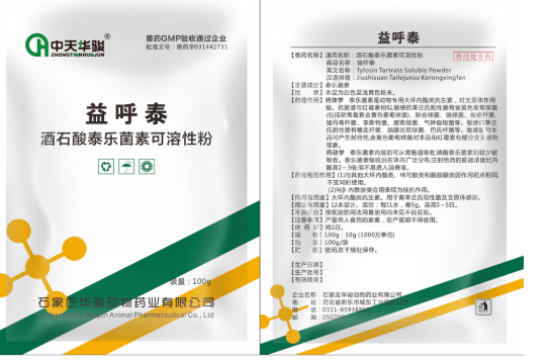
Key Factors Influencing Dosage of Tylosin Powder for Poultry
- Poultry Age and Species for Targeted Dosage: The dosage of tylosin powder for poultry varies by age and species. Young chicks (1–2 weeks old) have underdeveloped metabolic systems and require lower doses, while adult laying hens or broilers need adjusted amounts to balance efficacy and residue control. Tylosin powder for chickens, the most commonly used variant, has species-specific dosage recommendations—for example, broiler chickens need higher doses during rapid growth phases to combat stress-related bacterial infections. Shiiiazhuang Huaiun Animal Pharmace Ltd.’s tylosin tartrate soluble powder (e.g., 20% concentration) comes with detailed age-specific dosage charts, ensuring wholesalers can guide clients accurately. A wholesaler supplying this product to a broiler farm reported 90% reduction in mycoplasmosis cases after following the age-based dosage, with no adverse effects on growth rate.
- Disease Severity and Type for Curative vs. Preventive Use: Dosage differs between curative (treating active infections) and preventive (stopping disease spread) applications. For active bacterial infections like chronic respiratory disease (CRD), tylosin powder for poultry requires a higher “therapeutic” dose; for prevention (e.g., during flock mixing or stress periods), a lower “prophylactic” dose suffices. Shiiiazhuang Huaiun Animal Pharmace Ltd.’s R&D team tests tylosin tartrate soluble powder against common poultry pathogens to confirm dosage efficacy, ensuring it works for both scenarios. A wholesaler serving layer farms noted increased demand for the preventive dosage during winter (high CRD season), as growers sought to avoid egg production losses.
Standard Dosage Guidelines for Tylosin Tartrate Soluble Powder
|
Poultry Type & Age |
Application Purpose |
Dosage of Tylosin Tartrate Soluble Powder (20% Concentration) |
Administration Method |
Treatment Duration |
Wholesaler Value (Market Fit) |
|
Broiler Chickens (1–2 Weeks Old) |
Prevention of CRD |
0.5–1g per 10L of drinking water (equivalent to 100–200mg tylosin active ingredient) |
Mix uniformly in drinking water; ensure continuous access |
3–5 days |
Caters to broiler farms during early growth stages |
|
Broiler Chickens (3–6 Weeks Old) |
Curative for Mycoplasmosis |
1–1.5g per 10L of drinking water (200–300mg tylosin active ingredient) |
Freshly mixed daily; avoid water contamination |
5–7 days |
Fits farms dealing with mid-growth bacterial outbreaks |
|
Laying Hens (Adult, 20+ Weeks Old) |
Prevention of Necrotic Enteritis |
0.8–1g per 10L of drinking water (160–200mg tylosin active ingredient) |
Administer during feed changes or stress (e.g., vaccination) |
4–6 days |
Appeals to layer farms prioritizing egg quality and production |
|
Breeder Chickens (Adult) |
Curative for Bacterial Sinusitis |
1.2–1.8g per 10L of drinking water (240–360mg tylosin active ingredient) |
Provide 2x daily for first 2 days, then continuous access |
7–10 days |
Serves breeder farms protecting genetic stock health |
Special Considerations for Tylosin Powder for Chickens
- Water Quality and Mixing for Uniform Dosage: Tylosin powder for chickens(especially tylosin tartrate soluble powder) requires clean, neutral-pH water (pH 6.5–7.5) for optimal dissolution. Hard water with high mineral content can reduce solubility, leading to uneven dosage and ineffective treatment. Shiiiazhuang Huaiun Animal Pharmace Ltd. provides wholesalers with water quality test kits alongside their products, helping clients ensure proper mixing. A wholesaler in a region with hard water reported improved treatment outcomes after advising farms to use filtered water, with flock recovery rates rising from 75% to 92%.
- Withdrawal Periods to Ensure Food Safety: Adhering to withdrawal periods is critical for tylosin powder for poultry—the time between the last dosage and slaughter (for broilers) or egg collection (for layers) must meet regulatory standards to avoid antibiotic residues. For tylosin powder for chickens, Shiiiazhuang Huaiun Animal Pharmace Ltd. recommends a 5-day withdrawal period for broilers and 7-day for eggs, aligning with global food safety regulations (e.g., EU and US standards). The company includes withdrawal period labels on all tylosin tartrate soluble powder packaging, helping wholesalers educate clients and avoid export or market rejection risks.
Tylosin Powder for Poultry FAQS
Can Tylosin Tartrate Soluble Powder Be Mixed with Other Poultry Medications?
Yes—tylosin tartrate soluble powder is compatible with most common poultry medications like multivitamins and electrolyte supplements. However, avoid mixing with other antibiotics (e.g., penicillins) or acidic drugs (pH <5.0), as this can reduce efficacy or cause chemical reactions. Shiiiazhuang Huaiun Animal Pharmace Ltd. provides a compatibility chart for wholesalers, outlining safe and unsafe combinations. A wholesaler who shared this chart with a chicken farm prevented a potential efficacy loss when the farm tried mixing tylosin with an acidic coccidiostat.
What Is the Correct Storage Method for Tylosin Powder for Poultry?
Tylosin powder for poultry (including tylosin powder for chickens) should be stored in a cool, dry, and dark place at 15–25°C, away from direct sunlight and moisture. Unopened packages have a 2-year shelf life; once opened, use within 30 days and seal tightly to prevent moisture absorption. Shiiiazhuang Huaiun Animal Pharmace Ltd.’s packaging uses moisture-proof materials to extend shelf life, and wholesalers can advise clients on proper storage to maintain product potency. A wholesaler reported zero complaints about expired or degraded products after guiding clients on storage best practices.
Is Tylosin Powder for Chickens Safe for Organic Poultry Production?
Tylosin powder for chickens can be used in organic poultry production only if approved by local organic certification bodies (e.g., USDA NOP or EU Eco-regulation). Shiiiazhuang Huaiun Animal Pharmace Ltd.’s tylosin tartrate soluble powder meets organic standards for antibiotic use in emergency cases, but it must be used as a last resort and follow strict dosage and withdrawal guidelines. The company provides organic certification documents for wholesalers, helping clients comply with organic production requirements. A wholesaler supplying organic chicken farms noted steady demand for this product for emergency bacterial treatment.
How to Adjust Dosage of Tylosin Powder for Poultry in Case of Water Intake Changes?
Poultry water intake varies with temperature (higher intake in hot weather) and stress (lower intake during disease). When water intake changes, adjust the concentration of tylosin powder for poultry to ensure the same daily active ingredient intake. For example, if broilers drink 20% more water in hot weather, reduce the dosage per liter by 20% (e.g., from 1g/10L to 0.8g/10L) to maintain total daily tylosin intake. Shiiiazhuang Huaiun Animal Pharmace Ltd. provides a water intake adjustment calculator for wholesalers, simplifying dosage modifications for clients. A wholesaler in a tropical region reported improved treatment efficacy after farms used the calculator during summer.
What Quality Controls Ensure Consistency in Shiiiazhuang Huaiun’s Tylosin Products?
Shiiiazhuang Huaiun Animal Pharmace Ltd. subjects all tylosin powder for poultry products to strict quality checks: active ingredient content (tested via high-performance liquid chromatography), solubility (for tylosin tartrate soluble powder), and microbial contamination. Every batch passes GMP inspections, with certificates of analysis provided to wholesalers. The company’s production lines use automated dosing systems to ensure uniform potency, with a defect rate below 0.1%. Wholesalers can trust that each order meets consistent quality standards, building long-term confidence with clients. To explore Shiiiazhuang Huaiun Animal Pharmace Ltd.’s tylosin tartrate soluble powder, tylosin powder for chickens, and other poultry veterinary products—plus bulk ordering, technical support, and certification documents—visit our company webpage today.
-
China Veterinary Tiamulin Injection for Livestock Respiratory Health
АхборApr.16,2026
-
Prevention and Control of China Salmonella in Poultry Industry
АхборApr.09,2026
-
China Ivermectin Cattle Dewormer A Comprehensive Guide for Livestock Health
АхборApr.07,2026
-
China Amoxicillin 효능 A Comprehensive Guide to Quality and Sourcing
АхборApr.04,2026
-
Comprehensive Guide to China Salpingitis CT Diagnosis and Treatment
АхборMar.31,2026
-
Comprehensive Guide to China Ivermectin Pellets for Horses and Their Benefits
АхборMar.28,2026