



டிசம்பர் . 23, 2025 13:27 மீண்டும் பட்டியலில்
Coptis contains berberine alkaloids
In the realm of natural wellness and advanced feed ingredients, the profound wisdom of traditional botanical knowledge continues to inform modern applications. Among the vast herbal pharmacopeia, three key ingredients stand out for their potent properties and synergistic potential: coptis, phellodendron, and pulsatilla. These botanicals, each with a rich history of use, represent more than just individual components; they symbolize a holistic approach to health derived from nature's own laboratory. Today, forward-thinking enterprises are harnessing these ancient plants, translating their traditional benefits into consistent, high-quality raw materials for a global market. This focus on botanical excellence drives innovation in natural product development, bridging the gap between historical reverence and contemporary, science-informed utilization.
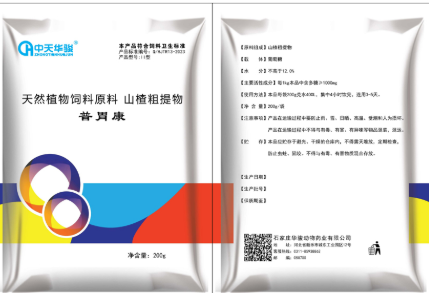
The Purifying Properties of Coptis Support Natural Wellness Routines
Coptis, particularly Coptis chinensis, is a revered botanical known for its distinctive yellow roots and intensely bitter taste. This bitterness is a direct indicator of its key bioactive compounds, most notably berberine. In traditional contexts, coptis is celebrated for its purifying and cleansing properties. Modern interest in this plant stems from these historical uses, exploring its role as a natural ingredient that supports balance within the body's systems. As a raw material, the value of coptis is entirely dependent on the quality and potency of its cultivation and extraction. This is where specialized enterprises make their mark, by controlling the supply chain from sustainable source to finished extract, ensuring that the intrinsic benefits of the coptis plant are fully preserved and standardized for reliable effect in end formulations.
Phellodendron Offers a Harmonizing Balance in Botanical Formulations
Working in harmony with coptis is phellodendron, often referred to as Huang Bai. Like its counterpart, phellodendron is a rich source of berberine and other alkaloids, contributing to its classic bitter flavor profile. Traditionally, it has been used to complement the actions of other herbs, providing a harmonizing effect. In contemporary applications, phellodendron is valued for this balancing role in multi-botanical formulations. The synergy between phellodendron and coptis is a prime example of how traditional herbal combinations, known as "herb pairs," are studied and utilized in modern natural product development. Sourcing superior phellodendron requires expertise in botany and processing to maintain the integrity of its complex chemical profile, a core competency of dedicated ingredient suppliers.
Pulsatilla Provides Soothing Benefits from a Unique Floral Source
Completing this powerful trio is pulsatilla, derived from the root of the Pulsatilla chinensis plant. This botanical introduces a different character to formulations. Historically recognized for its soothing and calming properties, pulsatilla adds a critical dimension to blends that aim to address multiple aspects of well-being naturally. Its inclusion alongside cooling and balancing herbs like coptis and phellodendron creates a more comprehensive and nuanced profile. The process of transforming the delicate pulsatilla root into a stable, consistent raw material demands gentle yet precise handling to protect its sensitive active constituents, showcasing the technical proficiency required in advanced botanical manufacturing.
The Sourcing and Science Behind Superior Botanical Ingredients
The journey from a wild plant to a trusted, standardized raw material is complex. It requires a corporate philosophy built on quality, science, and traceability. Leading enterprises in this field distinguish themselves not merely by selling coptis, phellodendron, and pulsatilla, but by mastering their entire lifecycle. This commitment is often demonstrated through several key pillars:
- Vertical Integration:Controlling the process from cultivated source or ethically wild-crafted harvest through to extraction and quality control.
- Advanced Identification:Utilizing technologies like HPLC (High-Performance Liquid Chromatography) to create chemical fingerprints for each botanical, ensuring authenticity and potency.
- Standardized Extracts:Producing materials with consistent levels of key marker compounds, such as berberine in coptis and phellodendron, for reliable formulation results.
- Sustainable Partnership:Building long-term, ethical relationships with growers to ensure a stable supply of premium raw materials that respect ecological balance.
FAQS பற்றி coptis
What is the primary active component in both coptis and phellodendron
Both coptis and phellodendron are valued as rich natural sources of the alkaloid berberine. This compound is a key marker of quality and potency for these botanical extracts and is associated with many of their traditional purifying and balancing properties.
How is pulsatilla typically used in conjunction with other herbs
பல்சட்டிலா is often used in botanical formulations for its soothing qualities. It is commonly paired with other herbs, such as coptis and phellodendron, to create a more balanced and comprehensive formula that addresses multiple aspects of natural wellness.
Why is sustainable sourcing critical for botanicals like coptis
Sustainable and ethical sourcing is paramount for coptis and all medicinal plants to prevent over-harvesting, ensure long-term availability, and maintain ecological balance. Responsible enterprises prioritize this to guarantee a consistent supply of high-quality raw material while supporting environmental and community health.
What quality controls are important for phellodendron extract
Critical quality controls for phellodendron extract include rigorous botanical identification, assay for key alkaloids like berberine, and screening for potential contaminants such as heavy metals, pesticides, and microbes. These steps ensure the extract's purity, safety, and consistent efficacy.
Can these pulsatilla, coptis, and phellodendron be used in animal feed formulations
Yes, standardized extracts of pulsatilla, coptis, and phellodendron are increasingly explored as natural feed additive ingredients. Their traditional properties are studied for supporting animal wellness, offering potential natural alternatives within comprehensive animal nutrition programs.
We invite you to visit our company to explore our full capabilities and discover how our commitment to excellence in ingredients like coptis, phellodendron, and pulsatilla can empower your next breakthrough product. Contact us today to start a conversation about a partnership built on quality, from the ground up.
-
China Veterinary Tiamulin Injection for Livestock Respiratory Health
செய்திApr.16,2026
-
Prevention and Control of China Salmonella in Poultry Industry
செய்திApr.09,2026
-
China Ivermectin Cattle Dewormer A Comprehensive Guide for Livestock Health
செய்திApr.07,2026
-
China Amoxicillin 효능 A Comprehensive Guide to Quality and Sourcing
செய்திApr.04,2026
-
Comprehensive Guide to China Salpingitis CT Diagnosis and Treatment
செய்திMar.31,2026
-
Comprehensive Guide to China Ivermectin Pellets for Horses and Their Benefits
செய்திMar.28,2026