



Oct . 17, 2025 10:51 Ku laabo liiska
Safety Precautions When Using Bird Eye Drops
In the field of avian health care, bird eye drops, eye drops for birds, and bird eye infection drops are essential products for maintaining the ocular well - being of birds. For wholesalers, providing comprehensive information on the safety precautions of these products is crucial. Shijiazhuang Huajun Animal Pharmaceutical Co., Ltd. is committed to offering high - quality bird eye care products, and understanding the proper safety measures ensures that these products can be used effectively and safely.
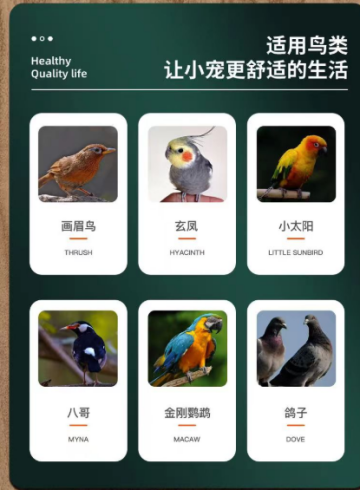
Bird Eye Drops Product Functions Table
|
Shaqada |
Faahfaahin |
|
Corneal Protection |
Protects the cornea from damage and external irritants |
|
Anti - inflammatory |
Eliminates inflammation in the eye area |
|
Discomfort Relief |
Relieves eye discomfort, reducing pain and irritation |
|
Secretion Reduction |
Reduces excessive eye secretions, preventing crusting and obstruction |
|
Disease Treatment |
Treats various eye conditions including Monocular cold, Red and swollen eyelids, Watery eyes, conjunctivitis, Eye fatigue, Eye polyp |
Pre - use Precautions for Bird Eye Drops
- Before using bird eye drops, it is essential to accurately diagnose the bird's eye problem. Although the drops can treat a variety of conditions, a misdiagnosis may lead to inappropriate treatment. Wholesalers should encourage customers to consult an avian veterinarian if they are unsure about the cause of the bird's eye symptoms. The vet can perform a proper examination, including checking for any foreign objects, assessing the severity of inflammation, and determining the specific type of infection. This ensures that the bird eye drops are used for the right condition, maximizing their effectiveness.
- Carefully read the product label and instructions provided by Shijiazhuang Huajun Animal Pharmaceutical Co., Ltd. Each product may have specific usage requirements, such as the frequency of application, the recommended dosage per drop, and any storage conditions. Some bird eye drops may need to be stored in a cool place to maintain their efficacy. Ignoring these instructions can lead to reduced effectiveness or even potential harm to the bird. Additionally, be aware of any contraindications mentioned on the label. For example, if a bird has a known allergy to any of the ingredients in the bird eye drops, using the product could cause a severe allergic reaction.
- Prepare the necessary tools and environment for application. Have a clean, soft cloth or cotton swab ready to gently clean the area around the bird's eyes before applying the drops. This helps remove any dirt, debris, or excessive secretions that could interfere with the absorption of the drops. Create a calm and stress - free environment for the bird. A stressed bird may struggle during the application process, increasing the risk of injury to both the bird and the person administering the drops. Dim the lights, reduce noise, and handle the bird gently to make the process as smooth as possible.
Safety During the Application of Eye Drops for Birds
- When applying eye drops for birds, proper handling of the bird is crucial. Use both hands to gently but firmly hold the bird, ensuring that it cannot move its head suddenly. One hand can support the bird's body while the other holds its head steady. Avoid applying excessive pressure, as this can cause discomfort or injury to the bird. For small birds, use a gentle grip, and for larger birds, make sure to maintain control without causing distress.
- Administer the drops correctly. Tilt the bird's head slightly backward and gently open the eyelid with your finger or a cotton swab. Hold the eye dropper close to the eye, but do not touch the eye or eyelid with the tip of the dropper to prevent contamination. Slowly release the prescribed number of drops into the eye. Be careful not to spill the drops or get them into the bird's beak or nostrils, as this may cause adverse reactions. After applying the drops, allow the bird to blink a few times to help distribute the liquid evenly across the eye surface.
- Wash your hands thoroughly before and after applying the eye drops for birds. This prevents the transfer of bacteria or other contaminants from your hands to the bird's eyes, reducing the risk of secondary infections. If you are treating multiple birds, make sure to wash your hands between each application to avoid cross - contamination. Also, avoid sharing the eye dropper between different birds, as this can spread diseases. Each bird should have its own dedicated eye dropper or the dropper should be thoroughly cleaned and disinfected before use on another bird.
Post - use and Special Situation Precautions for Bird Eye Infection Drops
- After using bird eye infection drops, monitor the bird's condition closely. Observe for any signs of improvement, such as reduced redness, swelling, or secretions. If there is no improvement within a few days or if the bird's condition worsens, immediately contact an avian veterinarian. The vet may need to adjust the treatment plan or prescribe additional medications. Keep a record of the bird's symptoms, the date and time of each drop application, and any changes in behavior or appetite. This information can be valuable for the veterinarian in diagnosing and treating the bird's condition.
- In case of an accidental overdose of bird eye infection drops, take immediate action. Rinse the bird's eye gently with clean, lukewarm water to remove as much of the excess liquid as possible. Then, contact a veterinarian for further guidance. The vet may advise bringing the bird in for an examination to assess the potential effects of the overdose and provide appropriate treatment. Similarly, if the bird shows any signs of an allergic reaction, such as swelling of the face, difficulty breathing, or hives, stop using the drops immediately and seek veterinary help. Allergic reactions can be severe and may require prompt medical attention.
- Dispose of used bird eye infection drops and any associated materials properly. Do not reuse the eye dropper or store the remaining drops for an extended period beyond the expiration date. Empty containers should be disposed of according to local regulations, preferably in a way that prevents environmental contamination. If there are any used cotton swabs or cloths, place them in a sealed bag before disposal to avoid spreading any potential contaminants.
Bird Eye Drops Safety Precautions FAQS
How can I tell if my bird is having an adverse reaction to bird eye drops?
Signs of an adverse reaction to bird eye drops in birds can include increased redness or swelling of the eyes, excessive blinking or squinting, discharge that is different in color or consistency from before, difficulty opening the eyes, or changes in behavior such as restlessness, loss of appetite, or lethargy. If you notice any of these symptoms after using the eye drops, stop the application immediately and consult an avian veterinarian. The vet can determine if the reaction is due to the eye drops and provide appropriate treatment.
Can I use eye drops for birds on other pets?
No, eye drops for birds are specifically formulated for the unique physiological characteristics of birds. Using these drops on other pets, such as dogs, cats, or small mammals, can be dangerous and may cause serious health problems. Different animals have different eye structures, sensitivities, and potential reactions to medications. Always use eye drops that are specifically designed for the species of the pet you are treating. If you are unsure which eye drops are suitable for a particular pet, consult a veterinarian.
How long should I continue using bird eye infection drops?
The duration of using bird eye infection drops depends on the specific condition being treated and the veterinarian's instructions. In general, it is important to complete the full course of treatment, even if the bird's symptoms seem to improve before the prescribed time is up. Stopping the treatment prematurely can lead to the recurrence of the infection. Your veterinarian will provide you with a specific treatment plan, including how long to use the drops and at what frequency. Follow these instructions carefully to ensure the complete recovery of the bird's eye health.
What should I do if I accidentally get bird eye drops in my own eyes?
If you accidentally get bird eye drops in your own eyes, immediately rinse your eyes with plenty of clean, lukewarm water for at least 15 minutes. Keep your eyes open and blink frequently during the rinsing process to help flush out the drops. If you experience any discomfort, redness, blurred vision, or other symptoms after rinsing, seek medical attention promptly. A healthcare professional can assess the situation and provide appropriate treatment if necessary.
Can bird eye drops be used in conjunction with other medications?
Using bird eye drops in conjunction with other medications can be complex and may pose risks. Some medications may interact with the ingredients in the eye drops, reducing their effectiveness or causing adverse reactions. Before combining bird eye drops with any other medications, whether they are oral, topical, or injectable, consult an avian veterinarian. The vet can evaluate the potential interactions based on the bird's specific health condition and the medications in question and provide guidance on the safe and effective use of both treatments.
-
China Veterinary Tiamulin Injection for Livestock Respiratory Health
WararkaApr.16,2026
-
Prevention and Control of China Salmonella in Poultry Industry
WararkaApr.09,2026
-
China Ivermectin Cattle Dewormer A Comprehensive Guide for Livestock Health
WararkaApr.07,2026
-
China Amoxicillin 효능 A Comprehensive Guide to Quality and Sourcing
WararkaApr.04,2026
-
Comprehensive Guide to China Salpingitis CT Diagnosis and Treatment
WararkaMar.31,2026
-
Comprehensive Guide to China Ivermectin Pellets for Horses and Their Benefits
WararkaMar.28,2026