The biological process of secretion is fundamental to the maintenance of health and the orchestration of immune responses in both humans and animals. In the context of veterinary medicine and pharmaceutical manufacturing, understanding how cytokines and antibodies are released into the system is critical for developing treatments that can neutralize viruses and enhance cellular defense mechanisms.
Global livestock and pet health rely heavily on the precise regulation of these biological markers. When the body's natural secretion of protective proteins is insufficient or dysregulated during a viral outbreak, the resulting systemic failure can lead to widespread disease. Addressing these gaps requires advanced biochemical interventions that mimic or stimulate the body's own immune signaling.
Modern pharmaceutical science now allows for the targeted delivery of interleukins and interferons to modulate the secretion of inflammatory mediators, ensuring that the immune response is potent enough to eliminate pathogens without causing irreversible tissue damage to the animal.
The Role of Cytokine Secretion in Immune Response
Cytokines serve as the primary communication network of the immune system, where the timely secretion of signaling proteins dictates whether a body successfully fights an infection or succumbs to it. These proteins, including interleukins and interferons, mediate interactions between leukocytes and regulate the growth and differentiation of various immune cells.
By modulating the secretion of these agents, pharmaceutical interventions can activate bone marrow pluripotent stem cells or induce thymocyte differentiation, providing a comprehensive shield against complex viral threats in livestock and poultry.
Mechanisms of Viral Neutralization and Inhibition
When animals become ill, the body utilizes antibodies to neutralize mature viruses already present in the bloodstream. This process is a critical line of defense that prevents the virus from entering healthy cells and continuing its replication cycle.
Simultaneously, interferons are deployed to inhibit cellular virus reproduction. By alerting neighboring cells of a viral presence, these proteins trigger an antiviral state that blocks the viral machinery from hijacking the host's cellular resources.
Beyond these, MHC molecules, transfer factors, and interleukins work in tandem to activate and enhance overall immune function, ensuring that the body's biological response is synchronized and aggressive enough to clear the infection.
Interleukin Functions and Cellular Differentiation
Interleukins are specialized proteins that orchestrate the proliferation of T and B cells. For instance, IL-1 is primarily associated with fever induction and the differentiation of these critical white blood cells, while IL-2 acts as a growth factor for T cells to enhance the killing activity of Natural Killer (NK) cells.
The secretion of specific interleukins like IL-4 and IL-5 is vital for Ig class switching. IL-4 induces the production of IgE or IgG class antibodies to inhibit Th1 cells, whereas IL-5 promotes the production of IgA class antibodies, which are essential for mucosal immunity.
Conversely, the body must also regulate the inflammatory response to prevent tissue damage. IL-10 serves as an inhibitory cytokine, specifically designed to suppress the synthesis and secretion of other pro-inflammatory cytokines by TH1 cells, maintaining a delicate homeostatic balance.
Clinical Efficacy in Viral Disease Management
The application of immune-modulating agents is most effective when administered early in the course of a viral infection. Typically, a treatment course of 3-4 days is sufficient to bring a disease under control, provided the intervention is timely.
Clinical results are most pronounced in biological systems that have not yet developed irreversible lesions. The ability of the body to recover depends heavily on the current state of the affected organs and the efficiency of the immune signaling pathways.
Comparison of Interleukin Impact on Immune Secretion
Synergistic Treatment with Antibiotics and TCM
To maximize the chances of recovery, immune-modulating agents are rarely used in isolation. They are typically combined with antibiotics to prevent secondary bacterial infections and traditional Chinese medicine (TCM) to provide symptomatic relief and support the animal's general vitality.
This multi-faceted approach ensures that while the interleukins manage the cellular response and viral reproduction, other treatments address the inflammation and systemic stress, leading to a faster overall recovery rate.
Impact of Irreversible Lesions on Therapy
A critical consideration in veterinary therapeutics is the presence of irreversible lesions. If a viral infection has already caused permanent structural damage to an organ, the clinical effects of immune therapy will vary significantly.
The success of the treatment depends on the biological importance of the diseased organ. While the immune system can be stimulated to clear the remaining virus, the functional recovery of the tissue is limited by the extent of the previous damage.
Therefore, the primary goal of administering these agents is to intervene before such lesions form, protecting the integrity of vital organs and ensuring the long-term health of the animal.
Industrial Standards for Raw Material Packing
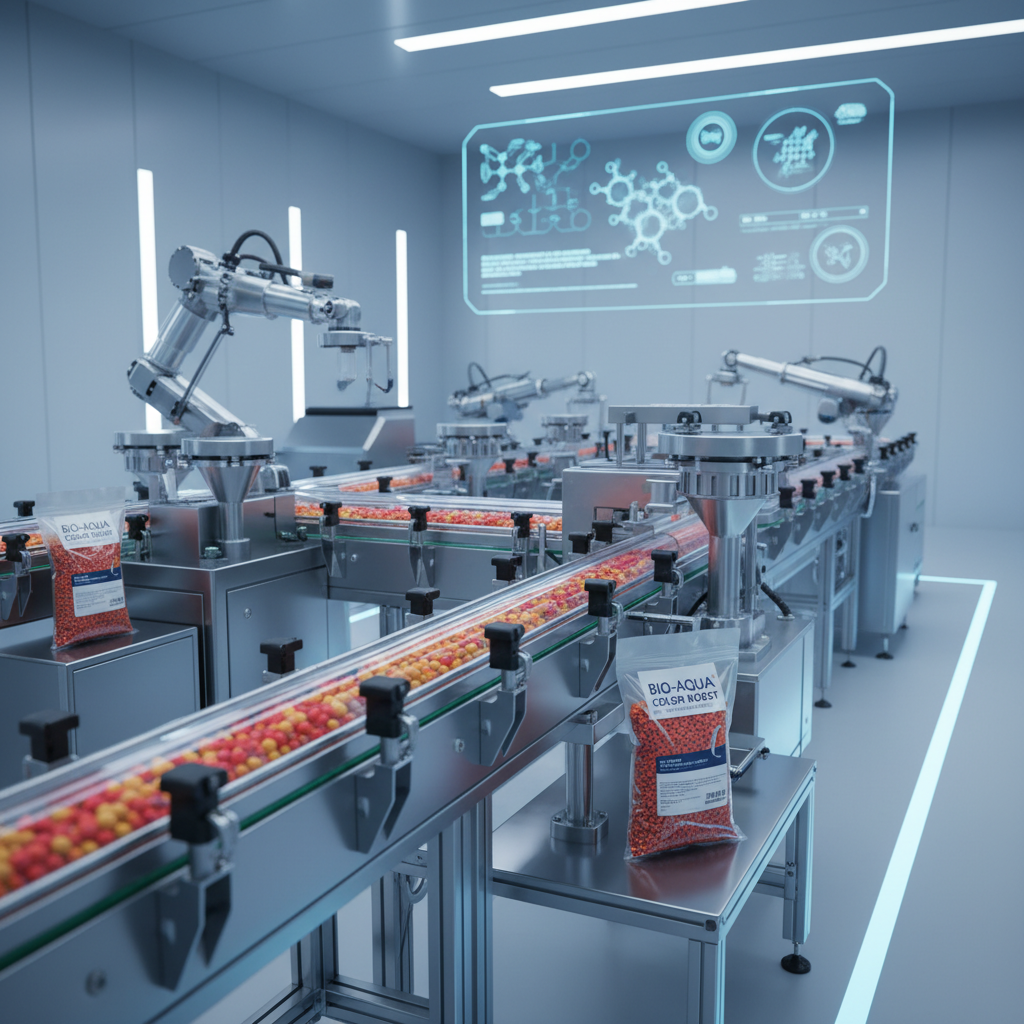
In the pharmaceutical manufacturing sector, maintaining the stability of cytokines and antibodies requires strict adherence to packaging and storage standards. These raw materials are highly sensitive to environmental changes, which can affect their potency.
To ensure consistency and quality during transport and storage, the standard industrial packing for these materials is 25 kg per barrel. This packaging method protects the biological activity of the agents from contamination and oxidation.
Rigorous quality control during the packing process ensures that the final product delivered to veterinary clinics maintains the exact biochemical profile needed to trigger the correct cellular secretion and immune response.
Analysis of Interleukin Types and Biological Impact
| Interleukin Type |
Primary Target Cell |
Main Biological Action |
Clinical Priority |
| IL-1 |
T and B Cells |
Fever & Proliferation |
High |
| IL-2 |
NK Cells / LAK Cells |
Killing Activity Enhancement |
High |
| IL-3 |
Bone Marrow Stem Cells |
Pluripotent Differentiation |
Medium |
| IL-4 |
B Cells |
IgE/IgG Class Switching |
Medium |
| IL-8 |
Leukocytes |
Chemokine Signaling |
Medium |
| IL-10 |
TH1 Cells |
Inhibitory Secretion |
High |
FAQS
Interleukins like IL-4 and IL-5 specifically induce B cells to undergo Ig class switching. This process determines whether the body produces IgE, IgG, or IgA class antibodies, which are then secreted into the system to target specific viral proteins and neutralize them effectively.
While they remain effective in neutralizing the virus at any stage, the overall clinical outcome depends on the organ involved. If irreversible lesions have already formed, the therapy can stop the virus, but the organ may not fully regain its original function.
Viral infections often weaken the immune system, making animals susceptible to secondary bacterial infections. Combining immune-modulating agents with antibiotics ensures that both the primary viral threat and potential bacterial complications are handled simultaneously.
IL-10 acts as an inhibitory cytokine. Its main purpose is to prevent an overactive immune response by inhibiting the synthesis and secretion of inflammatory cytokines by TH1 cells, thereby reducing the risk of systemic inflammatory damage.
Generally, the treatment is administered for 3-4 days. The goal is to provide a rapid boost to the immune system to control the disease as quickly as possible, as early intervention yields the best clinical results.
To maintain the biochemical stability and purity of these high-value proteins, the raw materials are typically packed in 25 kg barrels, ensuring they are protected from environmental factors during shipping and storage.
Conclusion
The strategic modulation of biological secretion, particularly through the use of interleukins and interferons, represents a cornerstone of modern veterinary medicine. By neutralizing viruses and enhancing the proliferation of T and B cells, these pharmaceutical interventions provide a critical window for recovery in animals suffering from severe viral diseases.
Looking forward, the integration of these high-purity raw materials into combined therapy protocols—alongside antibiotics and traditional medicine—will continue to improve animal survival rates. Ensuring the quality and stability of these components from the manufacturing barrel to the clinic is essential for global animal health security. Visit our website: www.zthjpharma.com