vitamin c, scientifically known as ascorbic acid, remains one of the most critical micronutrients in both human medicine and veterinary science. Its role as a potent antioxidant and a cofactor for numerous enzymatic reactions makes it indispensable for maintaining connective tissue integrity, immune function, and overall biological resilience across various species.
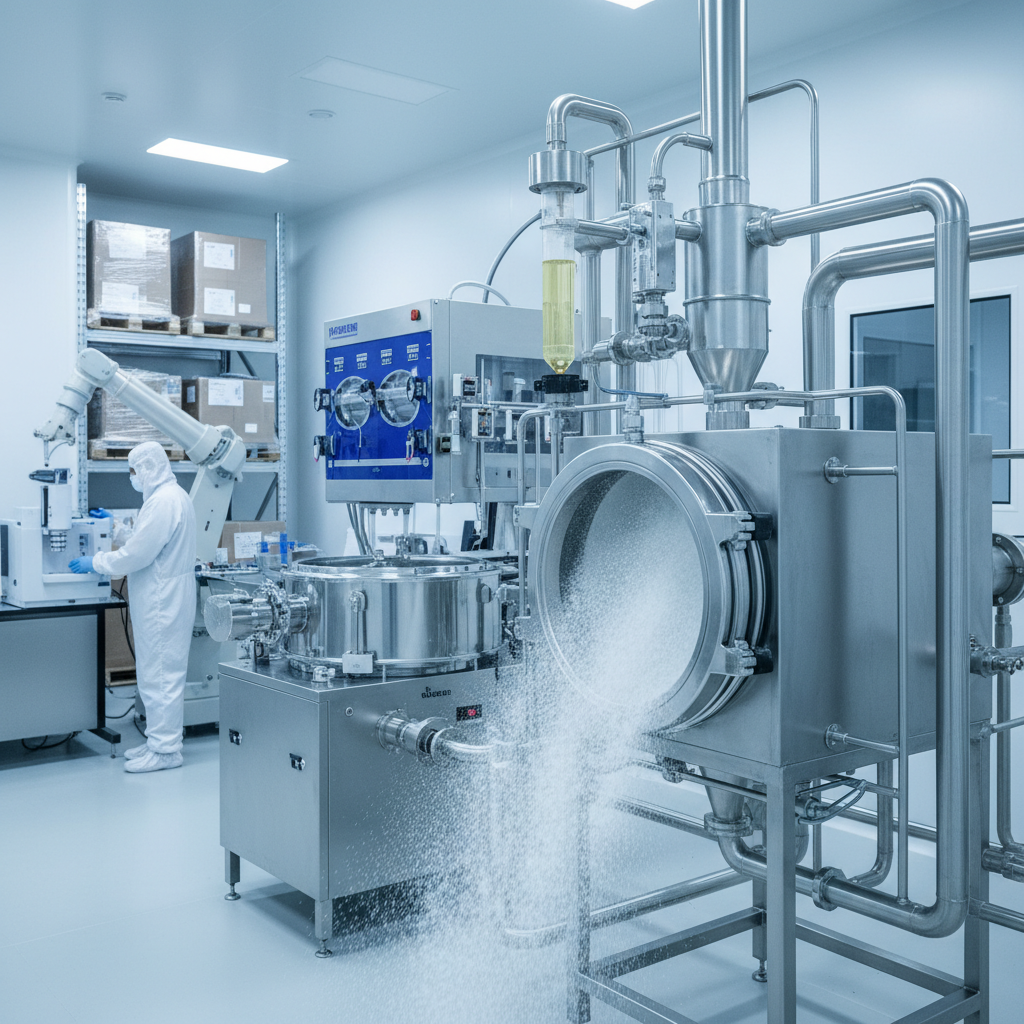
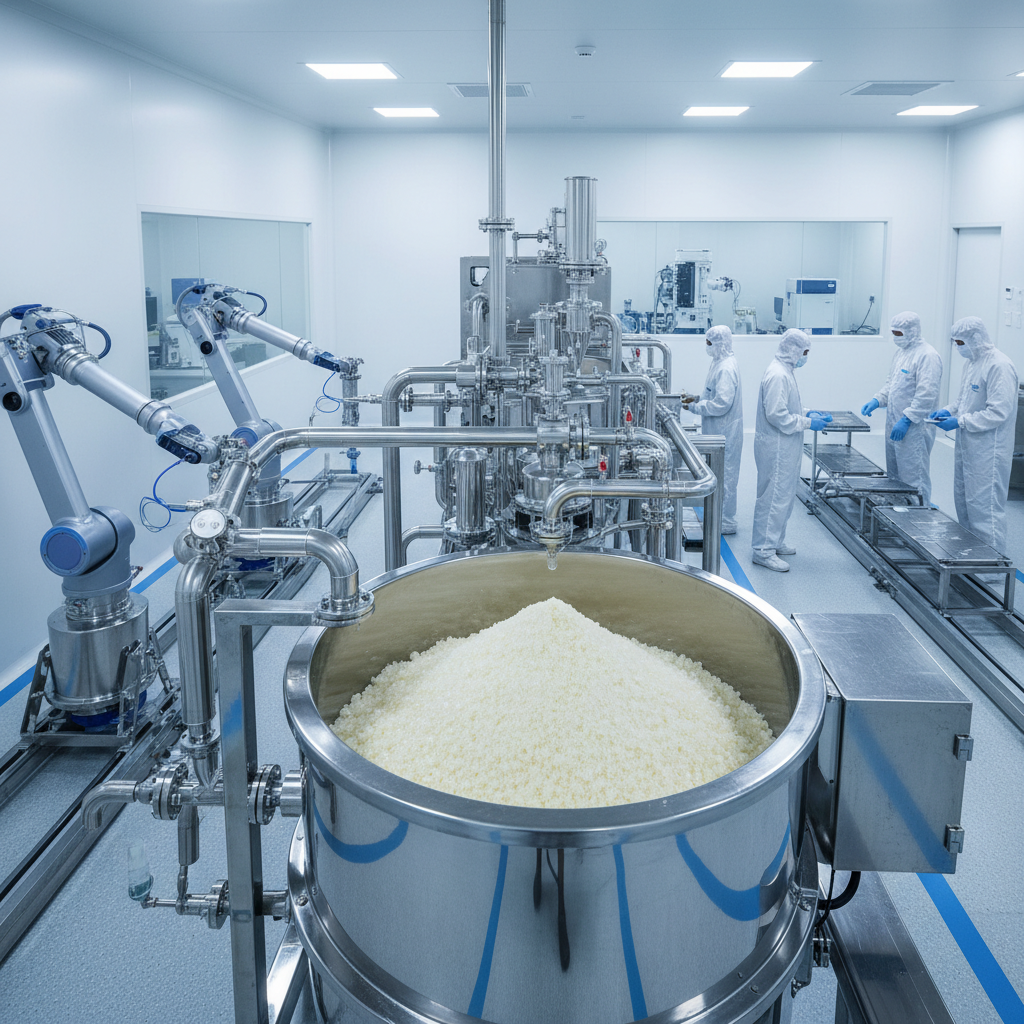
In the context of the pharmaceutical and raw material manufacturing industry, the production of high-purity vitamin c is a complex process that requires stringent quality control to ensure stability and bioavailability. As global demand rises for nutrition supplements and specialized veterinary medicines, the industry is shifting toward more sustainable synthesis methods to meet the needs of poultry, livestock, and companion animals.
Understanding the nuances of vitamin c—from its chemical stability to its physiological impact—allows manufacturers and practitioners to optimize dosages and delivery systems. By bridging the gap between raw chemical production and clinical application, the industry ensures that this essential nutrient effectively combats oxidative stress and supports recovery in diverse biological systems.
Global Relevance of Vitamin C in Pharmaceutical Industry
On a global scale, vitamin c is more than just a dietary supplement; it is a strategic commodity in the pharmaceutical and animal health industries. According to global trade data, the demand for high-grade ascorbic acid continues to grow, driven by the intensification of livestock farming and the rising awareness of preventive healthcare in pets. The ability to manufacture a stable, pharmaceutical-grade product is essential for maintaining food security and animal welfare worldwide.
However, the industry faces significant challenges, particularly regarding the degradation of the molecule during storage and transport. Because vitamin c is highly sensitive to light, heat, and oxygen, ensuring that the end-user receives a potent product requires sophisticated stabilization technologies and rigorous ISO-compliant supply chain management.
Definition and Chemical Nature of Ascorbic Acid
At its most basic level, vitamin c is a water-soluble vitamin that acts as a powerful reducing agent. In the realm of chemical raw material manufacturing, it is synthesized to mirror the natural L-ascorbic acid found in citrus fruits, ensuring that it is biologically active and readily absorbed by the target organism, whether it be a human, a bird, or a mammal.
Beyond its simple definition, this compound is integral to modern humanitarian and industrial needs. In veterinary medicine, for instance, it is used not only to prevent deficiency diseases like scurvy—though rare in livestock—but as a therapeutic tool to reduce the stress response in animals during transport or extreme weather conditions, which directly impacts the economic viability of the agricultural sector.
The chemical versatility of vitamin c also allows it to serve as a preservative in food products and a stabilizer in various pharmaceutical formulations. This multi-functional nature necessitates a deep understanding of its molecular behavior to prevent unwanted oxidation reactions that could compromise the efficacy of the final medication.
Core Components of Quality Vitamin C Production
The first pillar of high-quality vitamin c production is purity and assay accuracy. Achieving a purity level of 99% or higher is non-negotiable for pharmaceutical applications, as impurities can lead to unpredictable reactions in sensitive animal species or reduce the shelf life of the raw material.
Another critical component is stability and oxidation control. Since vitamin c degrades rapidly when exposed to moisture, manufacturers employ advanced coating technologies—such as micro-encapsulation—to shield the active ingredient from environmental triggers, ensuring long-term potency in powder and tablet forms.
Finally, bioavailability and solubility play a key role in the product's practical application. Whether the vitamin c is intended for oral liquids or injectable solutions, the particle size and crystallization process must be optimized to ensure rapid absorption and maximum therapeutic effect in the bloodstream.
Practical Applications Across Veterinary Sectors
In real-world veterinary contexts, vitamin c is deployed across various livestock and pet care segments. For example, in the poultry industry, it is frequently added to water systems during heat stress periods to lower cortisol levels and maintain growth rates. Similarly, in aquaculture, it is essential for enhancing the immune response of fish against bacterial infections in high-density farming environments.
Furthermore, the use of vitamin c extends to specialized clinical settings, such as post-surgical recovery for companion animals. By promoting collagen synthesis, it accelerates wound healing and reduces systemic inflammation, providing a logical and safe path toward faster recovery and improved animal welfare.
Comparative Efficacy of Vitamin C Delivery Methods
Long-Term Value and Biological Advantages
The long-term value of integrating vitamin c into animal nutrition plans lies in its ability to provide sustainable health benefits. By reducing oxidative stress on a daily basis, animals exhibit stronger immune systems, leading to a decreased reliance on antibiotics. This shift not only lowers costs for the farmer but also aligns with global efforts to reduce antimicrobial resistance in the food chain.
Beyond the logical economic gains, there is an emotional and ethical angle to this application. Ensuring that livestock and pets have access to high-quality vitamin c enhances their quality of life, reducing distress and promoting a state of natural vigor. This commitment to innovation and safety builds trust between producers, veterinarians, and the end consumer.
Future Innovations in Vitamin C Synthesis
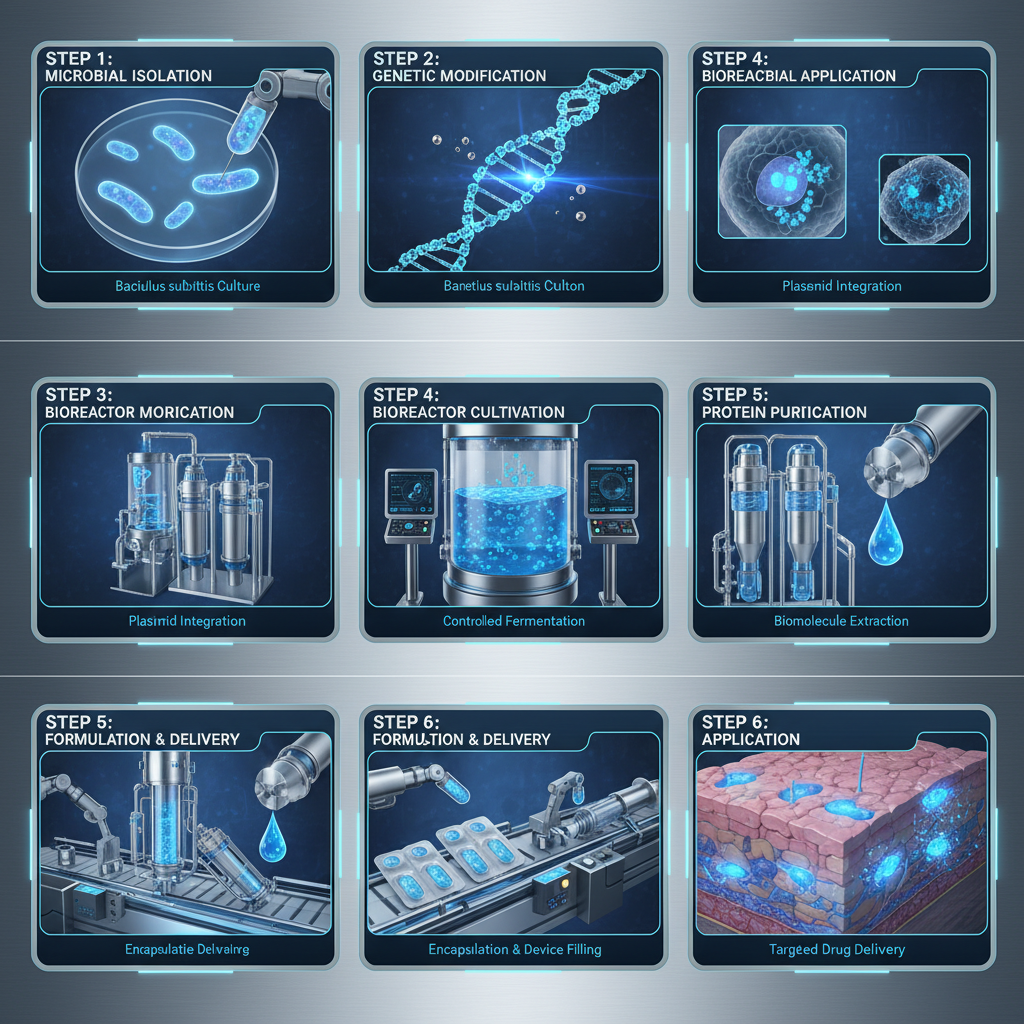
The future of vitamin c manufacturing is trending toward "Green Chemistry." Researchers are increasingly exploring biotechnological routes, such as microbial fermentation, to produce ascorbic acid. This move away from traditional chemical synthesis reduces the environmental footprint by minimizing hazardous waste and utilizing renewable feedstocks.
Digital transformation is also playing a role, with AI-driven process control allowing manufacturers to monitor the crystallization of vitamin c in real-time. This ensures an unprecedented level of consistency in particle size and purity, which is critical for automated dosing systems in large-scale poultry and livestock operations.
Furthermore, the development of "smart delivery" materials is on the horizon. Imagine a vitamin c supplement that releases its active ingredients only when specific pH levels are reached in the animal's gut, maximizing absorption and minimizing waste. Such innovations will redefine the efficiency of nutritional supplementation in the coming decade.
Overcoming Stability Challenges in Raw Materials
One of the most persistent limitations in the use of vitamin c is its susceptibility to degradation. When stored in humid conditions or exposed to air, it quickly oxidizes, losing its therapeutic potency. This is a major concern for distributors in tropical regions where high temperatures can accelerate the breakdown of the molecule.
To overcome these challenges, industry experts recommend a combination of vacuum-sealed packaging and the use of chelating agents that prevent metal-catalyzed oxidation. By implementing these rigorous storage protocols, the industry can ensure that the vitamin c raw material remains stable from the factory floor to the farm.
Ultimately, the solution lies in education and the adoption of stabilized forms of the vitamin. Moving from simple powders to coated granules or stabilized derivatives ensures that the nutritional value is preserved, providing a reliable tool for veterinarians to maintain animal health consistently.
Analysis of Vitamin C Stability and Performance Across Different Formulations
|
Formulation Type
|
Oxidation Resistance
|
Absorption Rate
|
Recommended Use Case
|
| Pure Crystalline Powder |
Low (4/10) |
High (9/10) |
Short-term laboratory use |
| Micro-encapsulated Granules |
High (9/10) |
Medium (7/10) |
Livestock feed additives |
| Aqueous Solution (Sterile) |
Very Low (2/10) |
Instant (10/10) |
Emergency clinical injection |
| Stabilized Oral Tablet |
Medium (7/10) |
Medium (6/10) |
Companion animal supplements |
| Buffered Powder |
Medium (6/10) |
High (8/10) |
Stress-recovery mixes |
| Oil-based Dispersion |
High (8/10) |
Low (4/10) |
Long-term storage premixes |
FAQS
Pharmaceutical-grade vitamin c undergoes more rigorous purification processes to remove trace minerals and contaminants, making it suitable for injections and high-potency medicines. Feed-grade is produced with a focus on cost-efficiency and bulk stability, ideal for integration into large-scale livestock diets where slight variations in purity are biologically acceptable.
To prevent oxidation, it is recommended to use amber-colored glass containers to block UV light and purge the headspace with nitrogen gas to remove oxygen. Additionally, adjusting the pH to a slightly acidic range (around 3.0 to 4.0) can help stabilize the ascorbic acid molecule, extending the shelf life of the solution.
Yes, micro-encapsulated vitamin c is generally more effective for poultry because it protects the vitamin from the heat generated during the pelleting process. It also ensures a gradual release in the digestive tract, reducing wastage and providing a steady supply of the antioxidant to the bird's system.
While vitamin c is not an antibiotic and cannot cure a bacterial infection, it serves as a powerful supportive therapy. By strengthening the immune system and reducing stress, it can lower the incidence of opportunistic infections, thereby reducing the overall need for antibiotic intervention in healthy herds.
Deficiency typically manifests as poor wound healing, joint swelling, and a general decline in immunity. In some species, you may notice bleeding gums or fragile capillaries. Because many animals synthesize their own vitamin c, these signs usually appear during periods of extreme stress or illness when the body's internal production cannot keep up with demand.
Bulk vitamin c should be stored in a cool, dry, and well-ventilated warehouse, ideally below 25°C. It must be kept in airtight, light-proof packaging. Regular inventory rotation (First-In, First-Out) is essential to ensure that the material is used before its natural degradation threshold is reached.
Conclusion
In summary, vitamin c is a cornerstone of modern veterinary and pharmaceutical health, offering unparalleled benefits in antioxidant protection, immune support, and tissue repair. From the rigorous demands of pharmaceutical synthesis to the practical challenges of livestock feed stability, the success of this nutrient depends on high purity, advanced stabilization, and a deep understanding of biological absorption.
As we look toward the future, the integration of green chemistry and smart delivery systems will further enhance the efficiency and sustainability of vitamin c applications. By prioritizing quality and innovation, manufacturers can ensure that animals and humans alike receive the full therapeutic potential of this essential molecule. To learn more about our pharmaceutical-grade solutions, visit our website: www.zthjpharma.com