



Nov . 24, 2025 10:57 Back to list
Effects of Chicken Vitamins on Growth
Healthy growth is the foundation of profitable poultry farming—whether raising broilers for meat or layers for eggs, chickens rely on balanced nutrition to reach their full potential. Chicken vitamins, including specialized chicken multivitamin blends and targeted vitamin for poultry formulations, play a non-negotiable role in this process: they support immune function, energy metabolism, and tissue development, directly impacting growth rate, feed efficiency, and overall flock health. Shijiazhuang Huajun Animal Pharmaceutical Co., Ltd., a high-tech veterinary enterprise founded in 2008 (with a 21,000-square-meter facility, 2022 GMP certification, and over 100 products across powder, premix, and oral solution lines), supplies high-quality chicken vitamins to wholesalers serving global poultry markets. For wholesalers, partnering with Huajun means accessing farm-tailored vitamin solutions—backed by strict quality control, R&D expertise, and a focus on optimizing poultry growth.
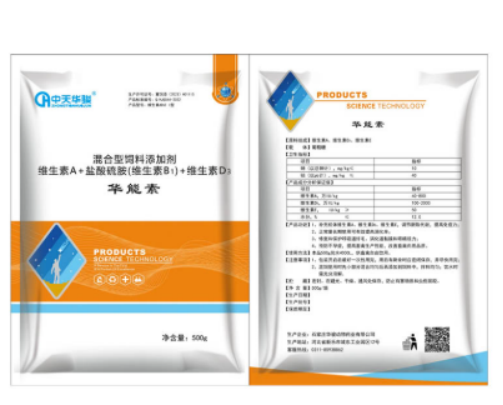
Key Roles of Chicken Vitamins in Different Growth Stages
- Supporting Chick Starter Growth with Targeted Vitamins: Newly hatched chicks have underdeveloped immune systems and high energy needs—chicken multivitamin blends rich in Vitamin A (for tissue repair), Vitamin D3 (for bone growth), and B-complex vitamins (for energy metabolism) are critical here. Huajun’s starter-specific vitamin for poultry formulations ensure chicks develop strong bones, healthy feathers, and robust immunity, reducing early mortality. A wholesaler supplying hatcheries in Southeast Asia reported that using Huajun’s chicken vitamins improved chick survival rates by 25% and accelerated weight gain by 15% in the first 4 weeks. Wholesalers should highlight this early-stage impact, as it sets the tone for the entire flock’s performance.
- Boosting Broiler Growth & Feed Efficiency: Broilers need rapid, efficient growth to reach market weight quickly—chicken vitamins like Vitamin E (antioxidant for muscle health) and Vitamin B12 (for red blood cell formation) enhance feed conversion ratios (FCR), meaning broilers gain more weight per kilogram of feed. Huajun’s broiler-specific chicken multivitamin powder mixes easily with feed or water, ensuring uniform intake. A wholesaler serving broiler farms in Africa noted that adding these vitamins cut FCR by 0.2 points, reducing feed costs while increasing average bird weight by 100 grams at harvest.
Impact of Chicken Multivitamin Blends on Flock Health & Growth
|
Vitamin Type |
Key Functions for Chicken Growth |
Growth Impact |
Huajun Product Formulation |
|
Vitamin A |
Supports gut lining health; aids vision & feather development |
Reduces gut infections; improves nutrient absorption |
Chicken Multivitamin Powder (20% Vitamin A content) |
|
Vitamin D3 |
Enhances calcium/phosphorus absorption; strengthens bones |
Prevents leg disorders; supports uniform growth |
Oral Solution Vitamin for Poultry (D3-enriched) |
|
B-Complex Vitamins |
Aids energy conversion from feed; supports nerve function |
Boosts feed efficiency; reduces stress-related weight loss |
Premix Chicken Vitamins (B1, B2, B12 blend) |
|
Vitamin E |
Protects cells from oxidative damage; enhances immunity |
Reduces disease-related growth delays; improves meat quality |
Chicken Multivitamin (E + selenium for synergistic effect) |
Optimizing Chicken Vitamin Use for Maximum Growth Benefits
- Matching Vitamin Form to Flock Needs: Chicken vitamins come in multiple forms—powders for mixing with feed, oral solutions for water administration, and premixes for large-scale feed production. For small flocks or stressed birds (e.g., post-transport, post-vaccination), Huajun’s oral solution vitamin for poultry is ideal (fast absorption); for large broiler operations, premix chicken multivitamin blends integrate seamlessly with commercial feed. A wholesaler serving European poultry farms reported that choosing the right form increased vitamin uptake by 30%, maximizing growth benefits.
- Avoiding Deficiencies & Overdosing: Vitamin deficiencies (e.g., Vitamin A deficiency causing eye issues, Vitamin D3 deficiency leading to rickets) slow growth, while overdosing (e.g., excess Vitamin A causing toxicity) harms health. Huajun provides clear dosage guidelines—e.g., 100 grams of chicken multivitamin per ton of feed for growers, 150 grams per ton for breeders. A wholesaler supplying layer farms in India noted that following these guidelines eliminated deficiency-related growth stunts, with 90% of layers reaching target body weight by 18 weeks.
Chicken Vitamins for Stress Resilience & Consistent Growth
- Mitigating Stress-Related Growth Loss: Poultry face stress from transport, vaccination, temperature changes, or disease—stress depletes vitamin stores and slows growth. Chicken multivitamin blends with added electrolytes (a specialty of Huajun’s formulations) replenish nutrients, helping flocks recover faster. For example, administering Huajun’s vitamin for poultry solution post-transport reduced weight loss by 50% in a wholesaler’s client farms in the Middle East, ensuring growth stayed on track.
- Enhancing Immunity to Prevent Growth Delays: Healthy immune systems mean fewer disease outbreaks—chicken vitamins like Vitamin C (supports immune cells) and Vitamin E (boosts antibody production) reduce the risk of infections that halt growth. Huajun’s immune-boosting chicken vitamins are especially valuable during disease-prone seasons (e.g., rainy months). A wholesaler serving Southeast Asian layer farms reported that using these vitamins cut disease incidence by 30%, eliminating growth delays caused by illness.
Chicken Vitamins FAQS
Can Chicken Multivitamin Be Mixed with Other Poultry Supplements?
Yes—Huajun’s chicken multivitamin blends are compatible with most poultry supplements, including probiotics (for gut health) and amino acids (for muscle growth). However, avoid mixing with high-dose mineral supplements (e.g., excess calcium) without checking Huajun’s guidelines, as some minerals can reduce vitamin absorption. A wholesaler serving African broiler farms noted that combining chicken vitamins with probiotics improved FCR by 0.15 points, a synergistic growth benefit.
Is Vitamin for Poultry Necessary If Chickens Are Fed Commercial Feed?
Commercial feed contains basic vitamins, but vitamin for poultry is still beneficial—storage (heat, moisture) degrades feed vitamins over time, and stress (transport, disease) increases vitamin needs. Huajun’s chicken vitamins supplement these gaps: a wholesaler supplying European poultry farms reported that adding vitamins to commercial feed improved weight gain by 8%, even with high-quality base feed.
What’s the Difference Between Chicken Vitamins and Chicken Multivitamin?
Chicken vitamins often refer to single-vitamin products (e.g., pure Vitamin D3 for bone issues), while chicken multivitamin blends combine multiple vitamins (A, D3, B-complex, E) for all-around growth support. Huajun offers both: single vitamins for targeted deficiencies, multivitamins for daily growth maintenance. A wholesaler serving Indian layer farms noted that multivitamins were better for routine use, while single vitamins solved specific problems like rickets.
Can Chicken Vitamins Be Used for Ducks or Other Poultry?
Yes—many of Huajun’s chicken vitamins (especially multivitamin blends) are safe for ducks, turkeys, and geese, though dosage may need adjustment. Huajun also offers waterfowl-specific vitamin for poultry formulations for optimal results. A wholesaler serving waterfowl farms in South America reported that using adjusted doses of chicken multivitamins improved duckling growth by 20% when waterfowl-specific products were unavailable.
What’s the Shelf Life of Huajun’s Chicken Vitamins?
Huajun’s chicken vitamins have a 2–3 year shelf life (depending on form): powder and premix products last 3 years (stored in cool, dry, sealed containers), while oral solutions last 2 years. Exposure to heat or moisture shortens shelf life, so avoid opening containers unnecessarily. A wholesaler serving North American poultry farms reported that proper storage maintained vitamin potency, with no growth impact even for products near expiration.
-
China Veterinary Tiamulin Injection for Livestock Respiratory Health
NewsApr.16,2026
-
Prevention and Control of China Salmonella in Poultry Industry
NewsApr.09,2026
-
China Ivermectin Cattle Dewormer A Comprehensive Guide for Livestock Health
NewsApr.07,2026
-
China Amoxicillin 효능 A Comprehensive Guide to Quality and Sourcing
NewsApr.04,2026
-
Comprehensive Guide to China Salpingitis CT Diagnosis and Treatment
NewsMar.31,2026
-
Comprehensive Guide to China Ivermectin Pellets for Horses and Their Benefits
NewsMar.28,2026