



ნოე . 24, 2025 11:45 სიაში დაბრუნება
Mixing Tylosin Tartrate Soluble Powder in Water
Maintaining the health of poultry—especially chickens—is critical for profitable poultry farming, as bacterial infections like mycoplasmosis and necrotic enteritis can spread rapidly, causing high mortality and reduced productivity. Tylosin Tartrate Soluble Powder has become a go-to solution for preventing and treating such infections: when properly mixed in water, it dissolves quickly to deliver targeted doses of tylosin, a macrolide antibiotic effective against gram-positive bacteria. This versatility makes it ideal as tylosin powder for chickens (both broilers and layers) and tylosin powder for poultry (including ducks and turkeys). Shijiazhuang Huajun Animal Pharmaceutical Co., Ltd., a high-tech veterinary drug enterprise founded in 2008 (with a 21,000-square-meter facility, GMP certification since 2022, and over 100 product varieties across powder, oral solution, and premix lines), supplies high-quality Tylosin Tartrate Soluble Powder to wholesalers serving global poultry markets. For wholesalers, partnering with Huajun means accessing reliable, farm-tailored tylosin products—backed by strict quality control, R&D expertise, and a focus on poultry health solutions.
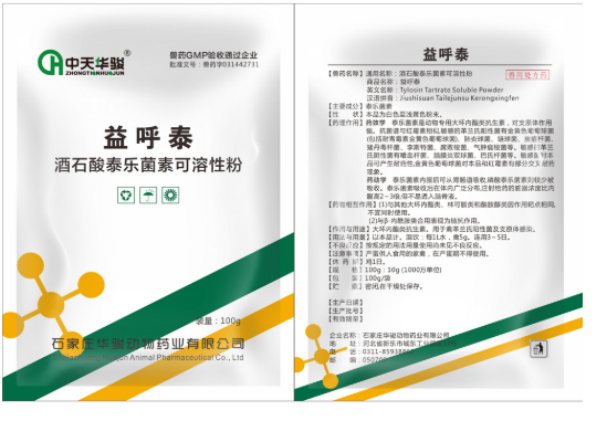
Key Steps for Mixing Tylosin Tartrate Soluble Powder in Water
- Preparing the Right Water Quality: The effectiveness of Tylosin Tartrate Soluble Powdre starts with water quality—hard water (high in calcium/magnesium) or contaminated water can reduce solubility and inactivate tylosin. Use clean, neutral-pH water (pH 6.5–7.5) and avoid chlorinated water (let it sit for 24 hours to dissipate chlorine). A wholesaler supplying broiler farms in Southeast Asia reported that using filtered water with Huajun’s tylosin powder for chickens improved solubility by 30%, ensuring uniform drug distribution. Wholesalers should emphasize this step, as poor water quality is a common, avoidable cause of treatment failure.
- Following Accurate Dosage Ratios: Over- or under-dosing Tylosin Tartrate Soluble Powder risks reduced efficacy or antibiotic resistance. For tylosin powder for poultry, Huajun recommends 100–200 grams per 1000 liters of water for prevention, and 200–300 grams per 1000 liters for treatment (administered for 3–5 consecutive days). Mix a small amount of water with the powder first to create a slurry, then dilute to the full volume—this ensures no clumping. A wholesaler serving layer farms in Africa noted that following Huajun’s dosage guidelines with tylosin powder for chickens cut mycoplasmosis incidence by 75%, while avoiding residue issues in eggs.
Optimizing Efficacy of Tylosin Powder for Chickens & Poultry
|
Poultry Type |
Target Infection |
Mixing & Application Tips |
Expected Outcome |
Huajun Product Advantage |
|
Broiler Chickens |
Necrotic Enteritis |
Mix 250g Tylosin Tartrate Soluble Powder per 1000L water; offer during peak feeding times |
Reduced mortality; improved feed conversion ratio |
Fast-dissolving powder (no clumps in drinkers) |
|
Layer Chickens |
Mycoplasmosis (Respiratory) |
Mix 200g tylosin powder for chickens per 1000L water; administer for 5 days post-transport |
Reduced respiratory symptoms; no egg production drop |
Low-residue formula (meets global egg safety standards) |
|
Ducks (Poultry) |
Bacterial Sinusitis |
Mix 150g tylosin powder for poultry per 1000L water; use clean, shallow drinkers |
Clear sinus congestion; restored mobility |
Stable in water for 24 hours (no efficacy loss) |
Avoiding Common Mistakes When Mixing Tylosin Tartrate Soluble Powder
- Skipping Premixing for Clump-Free Distribution: Dry Tylosin Tartrate Soluble Powder can clump if added directly to large water volumes, leading to uneven dosing—some birds get too much, others too little. Always create a pre-slurry by mixing the powder with 5–10 liters of water first, then stir into the full water supply. A wholesaler serving small-scale poultry farms in the Middle East reported that teaching clients this step reduced treatment failures by 40%, as every bird received the correct dose.
- Using Contaminated or Dirty Drinkers: Even well-mixed tylosin powder for poultry can be rendered ineffective if drinkers are dirty—mold, algae, or feces can bind to tylosin or introduce additional pathogens. Advise farmers to clean drinkers thoroughly before adding the medicated water, and refresh the solution every 24 hours (tylosin degrades after this time). A wholesaler serving European poultry farms noted that pairing Huajun’s tylosin powder for chickens with clean drinker protocols cut secondary infections by 25%.
Ensuring Safety & Compliance with Tylosin Powder for Poultry
- Adhering to Withdrawal Periods: Poultry products (meat, eggs) must meet strict residue limits, so following withdrawal periods is non-negotiable. For tylosin powder for chickens, Huajun recommends a 5-day withdrawal period for broiler meat and a 7-day period for eggs—this ensures no tylosin remains in edible products. A wholesaler supplying export-focused poultry farms in India reported that clients using Huajun’s Tylosin Tartrate Soluble Powder easily met EU residue standards, opening up high-value markets.
- Preventing Antibiotic Resistance: Overuse of Tylosin Tartrate Soluble Powder contributes to antibiotic resistance. Advise farmers to use it only when diagnosed with susceptible infections (not as a routine preventive) and to complete the full treatment course (3–5 days), even if symptoms improve. Huajun also offers combination products for resistant strains, and a wholesaler serving North American poultry farms noted that this guidance helped clients maintain tylosin efficacy for years.
Tylosin Tartrate Soluble Powder FAQS
Can Tylosin Powder for Chickens Be Mixed with Other Poultry Medications?
It depends—tylosin powder for chickens is compatible with some medications (e.g., vitamin supplements) but incompatible with others (e.g., penicillins, which counteract tylosin’s effects). Always check Huajun’s product label or consult a veterinarian before mixing. A wholesaler serving African layer farms reported that avoiding incompatible mixes with Huajun’s Tylosin Tartrate Soluble Powder prevented treatment failures and reduced bird mortality.
Is Tylosin Powder for Poultry Safe for Young Chicks or Ducklings?
Yes—when used at reduced doses (100 grams per 1000 liters of water for chicks under 2 weeks old), tylosin powder for poultry is safe and effective for treating early bacterial infections. Huajun’s low-dust powder formulation is gentle on young birds’ respiratory systems, and a wholesaler serving hatcheries in Southeast Asia reported that using it reduced chick mortality from mycoplasmosis by 50%.
How Long Does Tylosin Tartrate Soluble Powder Remain Effective in Water?
Once mixed, Tylosin Tartrate Soluble Powder remains effective for 24 hours—after this, it degrades, losing potency. Advise farmers to mix only the amount needed for one day’s consumption, and to empty and clean drinkers before adding fresh medicated water. A wholesaler serving broiler farms in Europe noted that following this guideline with Huajun’s product ensured consistent efficacy throughout the treatment period.
Can Tylosin Powder for Chickens Be Used in Organic Poultry Production?
No—tylosin powder for chickens (and Tylosin Tartrate Soluble Powder) is an antibiotic, so it is not approved for organic poultry production. Huajun offers organic-compatible alternatives (e.g., herbal supplements for immune support) for organic farmers. A wholesaler serving organic poultry operations in North America reported that directing clients to these alternatives helped them maintain organic certification.
What Is the Shelf Life of Huajun’s Tylosin Tartrate Soluble Powder?
When stored in a cool (15–25°C), dry, and sealed container (away from direct sunlight and moisture), Huajun’s Tylosin Tartrate Soluble Powder has a shelf life of 2 years from the manufacturing date. Exposure to moisture can cause clumping and reduce potency, so ensure containers are tightly closed after use. A wholesaler serving South American poultry farms reported that proper storage maintained the product’s efficacy, even for batches approaching the end of their shelf life.
-
China Veterinary Tiamulin Injection for Livestock Respiratory Health
სიახლეებიApr.16,2026
-
Prevention and Control of China Salmonella in Poultry Industry
სიახლეებიApr.09,2026
-
China Ivermectin Cattle Dewormer A Comprehensive Guide for Livestock Health
სიახლეებიApr.07,2026
-
China Amoxicillin 효능 A Comprehensive Guide to Quality and Sourcing
სიახლეებიApr.04,2026
-
Comprehensive Guide to China Salpingitis CT Diagnosis and Treatment
სიახლეებიMar.31,2026
-
Comprehensive Guide to China Ivermectin Pellets for Horses and Their Benefits
სიახლეებიMar.28,2026