



दिसम्बर . 01, 2025 14:50 सूची पर वापस जाएं
Goat feed with coccidiostat
The health and productivity of livestock are paramount for any successful agricultural operation. Among the myriad challenges farmers face, parasitic infections stand out as a significant threat to both animal welfare and economic viability. Coccidiosis, a disease caused by protozoan parasites of the Eimeria genus, is a primary concern in both poultry and goat farming. To combat this pervasive issue, the strategic use of coccidiostats has become a cornerstone of animal health management. This article delves into the critical role of these compounds, exploring their specific applications as a coccidiostat for goats and a coccidiostat for poultry, and highlighting the innovative solutions developed by industry leaders.
Understanding the Critical Role of Coccidiostats in Animal Health
Coccidiostats are specialized agents, either chemical or ionophorous, administered in animal feed or water to control and prevent coccidiosis. This disease can cause severe damage to the intestinal lining of animals, leading to poor nutrient absorption, dehydration, stunted growth, and in severe outbreaks, high mortality rates. The economic impact is substantial, affecting weight gain, feed conversion efficiency, and overall productivity. The use of a targeted coccidiostat for poultry or a coccidiostat for goats is not merely a treatment but a proactive measure to ensure herd and flock health, food safety, and sustainable farming practices. By inhibiting the development and reproduction of the coccidian parasites, these products allow animals to build immunity without suffering the devastating effects of a full-blown infection.
Key Benefits of Using a Targeted Coccidiostat for Poultry
In the high-density environment of modern poultry farming, coccidiosis can spread rapidly, making prevention absolutely critical. A well-managed coccidiostat for poultry program offers numerous benefits that directly impact the bottom line.
- Enhanced Growth Performance:By preventing intestinal damage, a coccidiostat for poultry ensures that birds can effectively absorb nutrients from their feed, leading to optimal weight gain and uniform flock development.
- Reduced Mortality and Morbidity:Effective control programs drastically cut down the number of birds that get sick or die from coccidiosis, preserving the farmer's investment.
- Improved Feed Conversion Ratio:Healthy intestines are more efficient at digesting feed, meaning less feed is required to produce a kilogram of meat, improving overall operational efficiency.
- Support for Animal Welfare:Preventing a painful and debilitating disease is a fundamental aspect of responsible animal husbandry.
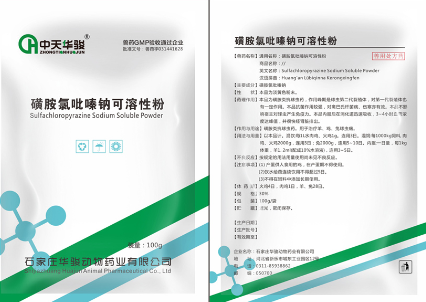
Sulfameclopyrazine sodium soluble powder is a highly effective preparation for the treatment of many poultry diseases, especially coccidiosis. Coccidiosis is a common parasitic infection that affects the intestines of poultry and can lead to bloody or red stools, white caps, and even sudden death.
Strategic Application of a Coccidiostat for Goats in Herd Management
While often associated with poultry, coccidiosis is equally devastating in caprine herds, particularly affecting young kids. The use of a specific coccidiostat for goats is essential for maintaining a healthy and thriving herd. Kids are most susceptible around the time of weaning when stress levels are high. The strategic inclusion of a coccidiostat for goats in their ration or water supply during this critical period can prevent outbreaks that cause diarrhea, dehydration, and permanent stunting.
Key considerations for using a coccidiostat for goats include:
- Identifying At-Risk Animals:Kids between three weeks and six months of age are the primary target for prevention.
- Managing Environmental Stress:Overcrowding, damp bedding, and poor sanitation increase oocyst exposure, making coccidiostat use even more vital.
- Observing Withdrawal Periods:Adhering to recommended withdrawal times before slaughter or milk production is crucial for food safety.
The Commitment to Advancing Coccidiostat Solutions
At the heart of effective animal health management is the partnership with a reliable and innovative pharmaceutical company. The company has established itself as a trusted name in the veterinary pharmaceutical industry, with a deep commitment to research, quality, and animal welfare. Our mission extends beyond manufacturing products; we aim to be a comprehensive partner in animal health. Our state-of-the-art facilities and rigorous quality control processes ensure that every product, including our range of coccidiostats, meets the highest standards of safety and efficacy. We invest in continuous innovation to develop solutions that address the evolving challenges in livestock farming, ensuring that our partners have access to the best tools for prevention and treatment.
FAQS के बारे में Your Questions About Coccidiostats Answered
What is the primary function of coccidiostats in animal feed
The primary function of coccidiostats is to prevent and control the parasitic disease coccidiosis by inhibiting the growth and reproduction of Eimeria parasites within the animal's intestines, thereby protecting intestinal health and promoting optimal growth.
How do I choose the right coccidiostat for poultry operation
Selecting the right coccidiostat for poultry depends on several factors, including the type of poultry (broilers vs. layers), the prevalent Eimeria species on your farm, the production phase, and whether you are using a shuttle or rotation program to prevent resistance. Consulting with a veterinarian is crucial.
Can a coccidiostat for goats be used interchangeably with other species
No, a coccidiostat for goats is specifically formulated for caprine physiology and safety. Using products designed for other species, such as poultry or cattle, in goats can be ineffective or even dangerous due to differences in dosage, metabolism, and approved active ingredients.
What are the signs that my goats might need a coccidiostat
Signs that your herd may need a coccidiostat for goats include diarrhea (which may contain blood or mucus), weight loss or poor growth in kids, rough hair coat, dehydration, and in severe cases, death. A fecal test can confirm the presence of coccidial oocysts.
Why is partnership with a company important for coccidiostat efficacy
Partnering with our company ensures access to consistently high-quality, research-backed coccidiostats. Our expertise helps ensure proper usage, supports resistance management strategies, and provides assurance that the products you use are manufactured to the highest standards of purity and potency.
We are more than just a supplier; we are your dedicated partner in ensuring the health and productivity of your livestock. Our unwavering commitment to quality, innovation, and customer support forms the foundation of everything we do. We invite you to discover the difference that a true partnership can make. Visit our website to learn more about our company, our values, and our comprehensive portfolio of animal health solutions. Let us work together to build a healthier, more profitable future for your farm.
-
China Veterinary Tiamulin Injection for Livestock Respiratory Health
समाचारApr.16,2026
-
Prevention and Control of China Salmonella in Poultry Industry
समाचारApr.09,2026
-
China Ivermectin Cattle Dewormer A Comprehensive Guide for Livestock Health
समाचारApr.07,2026
-
China Amoxicillin 효능 A Comprehensive Guide to Quality and Sourcing
समाचारApr.04,2026
-
Comprehensive Guide to China Salpingitis CT Diagnosis and Treatment
समाचारMar.31,2026
-
Comprehensive Guide to China Ivermectin Pellets for Horses and Their Benefits
समाचारMar.28,2026