



अक्टूबर . 17, 2025 10:57 सूची पर वापस जाएं
Botanical Characteristics of Milk Thistle
In the realm of botanical resources, milk thistle stands out as a valuable herb with significant potential. Understanding its botanical characteristics is essential for wholesalers, as it enables them to better market and distribute products related to milk thistle extract and milk thistle dry extract. Shijiazhuang Huajun Animal Pharmaceutical Co., Ltd. recognizes the importance of this knowledge and is committed to providing high-quality products derived from milk thistle, ensuring that customers receive reliable and effective botanical solutions.
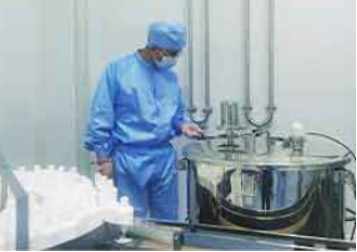
Milk Thistle Product Specifications Table
|
Aspect |
विवरण |
|
Key Compound |
Silymarin |
|
समारोह |
Nourishes the liver; Protects liver cell membrane; Improves liver function; Detoxification; Reduces blood fat; Benefits the gallbladder; Protects the brain; Removes free radicals in the body |
|
आवेदन |
Used to treat various liver diseases in humans and domestic companion animals (such as birds, dogs, cats, horses, rabbits); Serves as a hepatoprotective agent when hepatotoxic agents are ingested |
|
Extract Specifications (by content) |
UV: 40% - 80%; HPLC: 30% - 65% |
Overall Morphology of Milk Thistle
- Milk thistle is an annual or biennial herbaceous plant that can reach a height of 1 - 2 meters. Its stem is upright, robust, and covered with sparse white woolly pubescence. The leaves of milk thistle are large and distinctive. The basal leaves are oblanceolate or oblong - lanceolate, with a length of 15 - 30 cm and a width of 6 - 12 cm. They have a wavy - toothed margin, and the teeth are tipped with spines, which can be around 2 - 5 mm long. The upper surface of the leaves is green, while the lower surface is white - tomentose, giving them a unique two - toned appearance. The midrib on the leaf surface is prominent, and the veins are clearly visible, contributing to the leaf's structural integrity.
- The inflorescence of milk thistle is a solitary head at the top of the stem or in the axils of the upper leaves. The heads are large, with a diameter of 4 - 6 cm. The involucre is spherical or hemispherical, and its bracts are arranged in several layers. The outer bracts are ovate, with a spine at the tip, while the inner bracts are linear - lanceolate, gradually becoming longer and narrower towards the center. The florets within the head are all tubular, with a purple - red or white color, which makes the inflorescence not only functional but also visually striking. The blooming period of milk thistle usually occurs from May to July, attracting various pollinators such as bees and butterflies, which play a crucial role in its reproduction.
Reproductive Characteristics of Milk Thistle
- Milk thistle reproduces mainly through seeds. After pollination, the florets in the inflorescence develop into achenes. These achenes are oblong, slightly compressed, and have a length of about 7 - 10 mm. They are brown or dark brown in color, with a smooth surface and a narrow wing along the edge. Each achene contains a single seed, which is the means by which milk thistle spreads and colonizes new areas. The seeds are dispersed by various means, including wind, animals, and human activities. For example, the winged structure of the achenes allows them to be carried by the wind over short to medium distances, while animals may inadvertently transport the seeds by carrying them on their fur or consuming the achenes and excreting the seeds in different locations.
- The germination of milk thistle seeds requires specific environmental conditions. They typically germinate best in well - drained soil with a suitable temperature range of around 15 - 25°C. Adequate moisture is also essential for seed germination, as it activates the enzymes within the seed, initiating the growth process. Once the seeds germinate, the young seedlings emerge from the soil, developing a primary root system and cotyledons. As the seedlings grow, they form the characteristic rosette of leaves in the first year (in biennial plants), which serves as an energy - storage structure. In the second year, the plant bolts, sending up a flowering stem and producing the characteristic inflorescence, thus completing its life cycle.
Milk Thistle Extract and Milk Thistle Dry Extract विशेषताएँ
- Milk thistle extract and milk thistle dry extract are derived from the seeds of milk thistle. The extraction process typically involves using solvents such as ethanol or water to isolate the active compound, silymarin. The resulting extracts can vary in their silymarin content, as indicated by the UV and HPLC specifications. Extracts with higher silymarin concentrations are often more sought after due to their potentially greater efficacy. These extracts are usually in a liquid or semi - solid form (in the case of concentrated extracts), which can be easily incorporated into various products such as capsules, tablets, or liquid supplements for both human and animal use.
- Milk thistle dry extract is obtained by further processing the liquid extract to remove the solvent, resulting in a dry, powdered form. This form is more stable and easier to store and transport. The dry extract can be formulated into different products, including animal feed additives by companies like Shijiazhuang Huajun Animal Pharmaceutical Co., Ltd., to support liver health in domestic animals. The quality of milk thistle dry extract is closely related to the extraction process and the original quality of the milk thistle. Proper drying and processing techniques are crucial to preserve the integrity of silymarin and other active components, ensuring that the final product provides the desired health benefits.
Milk Thistle Botanical Characteristics FAQS
What are the ideal growing conditions for milk thistle?
Milk thistle thrives in well - drained soil with a pH range of 6.0 - 7.5. It prefers full sunlight, although it can tolerate some partial shade. The soil should be rich in organic matter, which helps retain moisture and provides essential nutrients. Adequate spacing between plants, typically around 30 - 40 cm, is important to allow for proper growth and air circulation. Additionally, milk thistle requires regular watering, especially during dry periods, but overwatering should be avoided as it can lead to root rot. A temperature range of 15 - 25°C is most suitable for its growth and development, and it can tolerate mild frost but may be damaged by severe cold.
How does the quality of milk thistle affect the milk thistle extract?
The quality of milk thistle has a direct impact on the milk thistle extract. High - quality milk thistle seeds, which are free from pests, diseases, and impurities, and have a high silymarin content, will yield an extract with better efficacy. Factors such as the growing environment, harvesting time, and post - harvest handling of the milk thistle plants can all influence the quality of the seeds. For example, seeds harvested at the optimal maturity stage will generally have a higher silymarin concentration. Moreover, proper storage of the seeds before extraction, in a cool, dry, and dark place, helps prevent degradation of the active components. Therefore, ensuring the quality of the raw milk thistle material is essential for producing high - quality milk thistle extract and milk thistle dry extract.
Can milk thistle be grown in containers?
Yes, milk thistle can be grown in containers, but certain considerations are needed. Choose a large container with good drainage holes to accommodate the plant's root system as it grows. Use a high - quality potting mix that is rich in organic matter and well - drained. Place the container in a location that receives at least 6 - 8 hours of direct sunlight per day. Water the plant regularly, keeping the soil evenly moist but not waterlogged. Since container - grown plants have limited access to nutrients, it may be necessary to fertilize them with a balanced, slow - release fertilizer according to the manufacturer's instructions. With proper care, milk thistle can grow successfully in containers and even produce flowers and seeds.
What are the differences between milk thistle extract and milk thistle dry extract in terms of application?
Milk thistle extract, often in a liquid or semi - liquid form, is more suitable for applications where a quick - acting or easily - absorbed product is desired. It can be directly added to liquid supplements, beverages, or used in topical formulations. For example, in some human health products, the liquid extract can be formulated into drops for easy administration. On the other hand, milk thistle dry extract in powder form is more versatile for solid - dosage forms such as capsules, tablets, and animal feed additives. It is easier to incorporate into these products and offers better stability during storage. Shijiazhuang Huajun Animal Pharmaceutical Co., Ltd. often uses milk thistle dry extract in their animal health products to ensure consistent dosing and long - term efficacy.
How can wholesalers ensure the authenticity of milk thistle products?
Wholesalers can ensure the authenticity of milk thistle products by sourcing from reliable suppliers, such as Shijiazhuang Huajun Animal Pharmaceutical Co., Ltd., that have a good reputation and quality control measures in place. Requesting certificates of analysis (COAs) for milk thistle extract and milk thistle dry extract is essential. These COAs should detail the silymarin content, as well as the absence of contaminants such as heavy metals, pesticides, and microbial impurities. Additionally, wholesalers can conduct their own testing using advanced analytical techniques like HPLC or UV spectroscopy to verify the composition of the products. Building strong relationships with suppliers and regularly auditing their manufacturing processes can also help ensure the authenticity and quality of the milk thistle products they distribute.
-
China Veterinary Tiamulin Injection for Livestock Respiratory Health
समाचारApr.16,2026
-
Prevention and Control of China Salmonella in Poultry Industry
समाचारApr.09,2026
-
China Ivermectin Cattle Dewormer A Comprehensive Guide for Livestock Health
समाचारApr.07,2026
-
China Amoxicillin 효능 A Comprehensive Guide to Quality and Sourcing
समाचारApr.04,2026
-
Comprehensive Guide to China Salpingitis CT Diagnosis and Treatment
समाचारMar.31,2026
-
Comprehensive Guide to China Ivermectin Pellets for Horses and Their Benefits
समाचारMar.28,2026