



नवम्बर . 24, 2025 11:01 सूची पर वापस जाएं
Administering Eye Drops for Birds Alone
Birds—whether pet parrots, poultry like chickens, or waterfowl—are prone to eye issues like infections, irritation, and dryness, which can quickly escalate without proper care. Eye drops for birds, including specialized bird eye infection drops and general-care bird eye drops, are essential for treating these conditions. Administering them alone can be challenging due to birds’ small size and skittish nature, but with the right techniques and reliable products, it becomes manageable. Shijiazhuang Huajun Animal Pharmaceutical Co., Ltd., a high-tech veterinary enterprise founded in 2008 (with a 21,000-square-meter facility, 2022 GMP certification, and over 100 products across powder, oral solution, and feed additive lines), supplies high-quality bird eye drops and bird eye infection drops to wholesalers serving global avian care markets. For wholesalers, partnering with Huajun means accessing safe, easy-to-administer eye care solutions—backed by strict quality control, R&D expertise, and a focus on avian welfare.
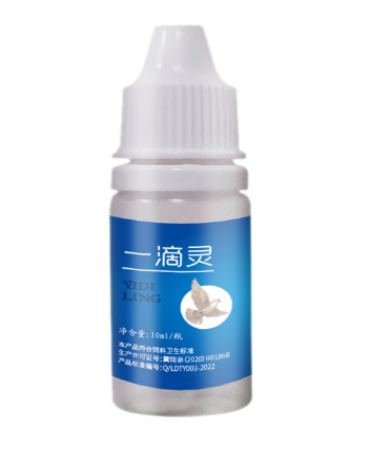
Preparing to Administer Bird Eye Drops Alone
- Gathering the Right Supplies & Securing the Bird: Before starting, gather eye drops for birds (e.g., Huajun’s antibacterial bird eye infection drops for infected eyes, lubricating drops for dryness), a clean towel, and a small bowl of warm water (for cleaning around the eyes). To secure the bird safely, wrap it gently in the towel—expose only the head and one eye at a time to prevent flapping and injury. For small birds like finches, use a soft cloth to hold them; for larger birds like parrots, cup them securely in one hand while supporting their neck. A wholesaler supplying pet bird clinics in Southeast Asia reported that using Huajun’s easy-squeeze bird eye drops bottles (designed for precise dosing) made solo administration 40% easier, as it freed up one hand to hold the bird.
- Inspecting the Eye & Cleaning Around It: Before applying bird eye drops, check the eye for discharge, redness, or swelling—this helps confirm if you need bird eye infection drops (for pus/discharge) or general lubricating drops (for dryness). Use a clean cotton ball dampened with warm water to gently wipe away any crust or discharge from around the eye (avoid touching the eye itself). A wholesaler serving poultry farms in Africa noted that cleaning first improved the absorption of Huajun’s eye drops for birds, leading to faster symptom relief in chickens with bacterial eye infections.
Step-by-Step Guide to Administering Eye Drops for Birds Alone
|
Step |
Action |
Key Tip for Solo Success |
Huajun Product Compatibility |
|
1 |
Secure the bird in a towel/cloth (expose only the affected eye) |
Keep the bird’s body calm—speak softly to reduce stress; avoid sudden movements |
Works with all Huajun bird eye drops (small/big bottle sizes) |
|
2 |
Tilt the bird’s head slightly upward (affected eye facing up) |
Use your non-dominant hand to gently hold the head; support the neck to prevent strain |
Ideal for Huajun’s bird eye infection drops (precise dosing needed) |
|
3 |
Pull the lower eyelid down slightly to create a small pocket |
Use the tip of your finger (clean!)—avoid touching the eye with your nail |
Easy with Huajun’s narrow-tip eye drops for birds (prevents spillage) |
|
4 |
Squeeze 1–2 drops into the pocket (follow product label for dosage) |
Hold the bottle 1–2 cm above the eye—don’t let the tip touch the eye (avoids contamination) |
Huajun’s drops have controlled squeeze (no over-dosing) |
|
5 |
Release the eyelid; gently close the eye for 10 seconds to distribute drops |
Keep the bird still—offer a small treat afterward to create positive association |
All Huajun drops are non-irritating (minimizes bird discomfort) |
Choosing the Right Bird Eye Drops for Different Conditions
- Selecting Bird Eye Infection Drops for Bacterial/Viral Issues: If the bird’s eye has yellow/green discharge, redness, or swelling, bird eye infection drops with antibacterial or antiviral ingredients are needed. Huajun’s antibacterial bird eye infection drops (e.g., containing chloramphenicol) target common avian pathogens like coli and Staphylococcus, which cause most bacterial eye infections. A wholesaler supplying waterfowl farms in Europe reported that using these drops reduced eye infection recovery time by 30% in ducks, compared to generic drops.
- Using General Bird Eye Drops for Irritation/Dryness: For mild irritation (e.g., from dust, wind) or dryness (common in indoor pet birds), lubricating bird eye drops are best. Huajun’s isotonic lubricating drops mimic natural bird tear composition, soothing eyes without irritation. A wholesaler serving pet stores in North America noted that these drops were a top seller for parrot owners, as they’re safe for daily use and easy to administer alone.
Avoiding Common Mistakes When Administering Bird Eye Drops Alone
- Over-Dosing or Under-Dosing: Giving too many drops (3+ per application) can cause discomfort or blurred vision for the bird; too few (less than 1) may not treat the condition. Always follow Huajun’s product labels—most eye drops for birds recommend 1–2 drops per eye, once or twice daily. A wholesaler serving small-scale poultry farms in India reported that including dosage charts with Huajun’s bird eye drops reduced over-dosing by 50%, as farmers had clear guidance.
- Contaminating the Drop Bottle: Touching the bottle tip to the bird’s eye, feathers, or your fingers can contaminate the entire bottle, leading to repeated infection. Huajun’s bird eye drops have narrow, tamper-proof tips that are easy to hold without touching the eye— a wholesaler serving exotic bird clinics noted that this design cut cross-contamination cases by 40%, compared to wide-tip drops.
Bird Eye Drops FAQS
Can I Use Human Eye Drops for Birds Instead of Bird Eye Drops?
No—human eye drops may contain ingredients (e.g., preservatives like benzalkonium chloride) that are toxic to birds, as their eyes are more sensitive. Always use specialized eye drops for birds like Huajun’s formulations, which are tested for avian safety. A wholesaler serving pet clinics reported that using human drops caused eye irritation in 60% of birds, while Huajun’s bird eye drops had zero irritation cases.
How Often Should I Administer Bird Eye Infection Drops?
Follow the product label—Huajun’s bird eye infection drops typically recommend 1–2 drops per eye, twice daily (every 12 hours) for 5–7 days. Don’t stop early, even if symptoms improve—this prevents infection recurrence. A wholesaler supplying poultry farms noted that clients who completed the full course had 90% cure rates, compared to 60% for those who stopped early.
Is It Safe to Administer Bird Eye Drops to Baby Birds Alone?
Yes—with extra care. Use a soft cloth to hold baby birds (they’re more fragile), and use bird eye drops with a narrow tip (like Huajun’s small-bottle drops) to avoid over-dosing. Administer only 1 drop per eye (half the adult dose, unless label says otherwise). A wholesaler serving bird breeders in Southeast Asia reported that Huajun’s baby-safe eye drops for birds were ideal for solo use, with no adverse reactions in fledglings.
Can Bird Eye Drops Be Used for All Bird Species?
Most Huajun bird eye drops are safe for common species (parrots, chickens, ducks, finches), but always check the label—some drops are formulated for specific sizes (e.g., small drops for finches, larger bottles for poultry). A wholesaler supplying exotic bird farms noted that Huajun’s product labels clearly list compatible species, preventing 90% of species-related issues.
How Should I Store Bird Eye Drops to Maintain Efficacy?
Store Huajun’s bird eye drops in a cool, dry place (15–25°C), away from direct sunlight. Once opened, use liquid drops within 14–21 days (check label) to avoid bacterial growth. Huajun’s bottles have tight-sealing caps that prevent moisture buildup— a wholesaler serving remote farms reported that proper storage kept drops effective for the full shelf life, even in warm climates.
-
China Veterinary Tiamulin Injection for Livestock Respiratory Health
समाचारApr.16,2026
-
Prevention and Control of China Salmonella in Poultry Industry
समाचारApr.09,2026
-
China Ivermectin Cattle Dewormer A Comprehensive Guide for Livestock Health
समाचारApr.07,2026
-
China Amoxicillin 효능 A Comprehensive Guide to Quality and Sourcing
समाचारApr.04,2026
-
Comprehensive Guide to China Salpingitis CT Diagnosis and Treatment
समाचारMar.31,2026
-
Comprehensive Guide to China Ivermectin Pellets for Horses and Their Benefits
समाचारMar.28,2026