



دسامبر . 23, 2025 13:29 بازگشت به لیست
Common aquarium fish disease treatment medication guide
Keeping an aquarium is a rewarding hobby that brings beauty and tranquility to any space, but it also comes with significant responsibilities. One of the most challenging aspects of aquarium maintenance is recognizing and treating fish diseases before they spread throughout your aquatic ecosystem. A healthy aquarium requires more than just clean water and proper feeding; it demands vigilance, knowledge, and access to effective treatment solutions when problems arise. This comprehensive guide explores the world of aquarium medication, providing aquarists with essential knowledge about disease identification, treatment options, and prevention strategies to maintain thriving aquatic environments.
Understanding fish diseases begins with recognizing their causes, which typically fall into three main categories: bacterial infections, parasitic infestations, and fungal growths. Each category requires specific treatment approaches, and misdiagnosis can lead to ineffective treatment or even harm to your fish. Bacterial infections often manifest as ulcers, fin rot, or pop-eye, while parasitic diseases like ich (white spot disease) or velvet create distinctive markings on fish scales and fins. Fungal infections typically appear as cotton-like growths on wounds or body surfaces. Early detection is crucial, as many diseases spread rapidly in the confined environment of an aquarium, potentially affecting the entire community if left untreated. This guide will help you navigate the complex world of aquarium fish medicine, providing the knowledge needed to make informed decisions when health problems arise in your aquatic community.
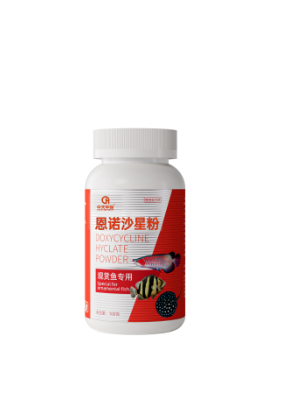
Understanding the Fundamentals of Aquarium Fish Medicine
Aquarium fish medicine represents a specialized branch of veterinary science focused on diagnosing, treating, and preventing diseases in captive aquatic species. Unlike mammals, fish are highly sensitive to their environment, and their treatment requires careful consideration of water chemistry, temperature, and species-specific tolerances. The science behind aquarium medication is complex, as treatments must be effective against pathogens while being safe for fish, beneficial bacteria, and other aquarium inhabitants. Understanding these fundamentals is essential for any aquarist who wants to maintain a healthy aquatic ecosystem.
The foundation of effective aquarium fish medicine begins with proper diagnosis. Before administering any treatment, aquarists must carefully observe their fish for symptoms, consider water parameters, and sometimes even examine samples under magnification. Many diseases have similar initial symptoms, making accurate identification challenging for beginners. For this reason, quality aquarium fish medicine products often come with detailed diagnostic guides that help users match symptoms to specific conditions. These products are formulated based on extensive research into aquatic pathology, with active ingredients carefully selected for their efficacy against specific pathogens while minimizing impact on the aquarium's biological balance.
Modern aquarium medication development has advanced significantly, with pharmaceutical companies like Shijiazhuang Huajun Animal Pharmaceutical Co., Ltd. employing cutting-edge research and development to create safer, more effective treatments. As a high-tech veterinary drug preparation enterprise that has successfully passed the new veterinary drug GMP acceptance of China's Ministry of Agriculture, the company applies rigorous standards to its aquarium fish medicine production. Their research and development scope extends to the specialized field of aquatic medications, ensuring that products meet the unique requirements of treating fish in closed aquatic systems. This scientific approach to aquarium medication development has led to more targeted treatments with fewer side effects, representing a significant advancement from the broad-spectrum treatments of the past that often harmed beneficial bacteria and sensitive plant life.
Exploring Effective Aquarium Fish Medicine Products
The market offers a diverse range of aquarium fish medicine products, each designed to address specific health concerns in aquatic environments. These products vary in formulation, application method, and target pathogens, giving aquarists multiple options for treating different conditions. From antibacterial medications that combat fin rot and mouth fungus to antiparasitic solutions for ich and velvet disease, the selection of aquarium medication available today is both comprehensive and specialized. Understanding these different categories helps aquarists build a proper treatment arsenal for their aquariums.
Broad-spectrum antibacterial medications represent one of the most commonly used categories of aquarium fish medicine products. These formulations typically contain antibiotics like erythromycin, tetracycline, or specialized compounds developed specifically for aquatic use. They effectively treat bacterial infections such as fin rot, tail rot, mouth fungus, and septicemia. Another important category includes antiparasitic treatments, which combat external parasites like ich (Ichthyophthirius multifiliis), velvet (Oodinium), flukes, and lice. These aquarium medication products often contain formalin, malachite green, copper sulfate, or praziquantel, each targeting specific parasites while being safe for fish when used according to directions. Antifungal medications form a third essential category, treating cotton-like fungal growths that often appear on wounds or in fish with compromised immune systems.
Selecting appropriate aquarium fish medicine products requires consideration of several factors beyond just the disease being treated. Aquarists must account for their aquarium's specific inhabitants, as some medications can harm invertebrates, sensitive fish species, or live plants. The water chemistry also affects treatment efficacy, with parameters like pH, hardness, and temperature potentially altering how medications work. High-quality aquarium medication from reputable manufacturers includes detailed instructions about these considerations, helping users avoid common mistakes that could render treatments ineffective or even dangerous. Products developed by companies with specialized aquatic research divisions, such as Shijiazhuang Huajun Animal Pharmaceutical with its joint research and development centers established with leading agricultural universities, incorporate these nuanced considerations into their formulations, resulting in more reliable and user-friendly aquarium fish medicine.
Proper Application of Aquarium Medication in Home Aquariums
Correctly applying aquarium medication is as important as selecting the right product. Even the most effective treatments can fail or cause harm if administered improperly. The process begins with accurate diagnosis, followed by careful measurement of both the medication and the aquarium water volume. Unlike terrestrial animals where dosage is typically based on body weight, aquarium fish medicine is generally dosed according to water volume, making precise tank measurement essential. This calculation must account for water displacement by substrate, decorations, and equipment to avoid underdosing (which fails to treat the disease) or overdosing (which can harm fish and beneficial bacteria).
The method of administering aquarium fish medicine products varies depending on the specific treatment and disease being addressed. Some medications are designed to be added directly to the main aquarium water, where they create a therapeutic concentration that treats affected fish and prevents disease spread. Other treatments work best in a separate quarantine or hospital tank, allowing for more concentrated medication without affecting the main aquarium's biological filter or sensitive inhabitants. Still other aquarium medication comes in medicated food form, targeting internal parasites or systemic infections through ingestion. Each application method has specific advantages and requirements that aquarists must understand to achieve optimal treatment outcomes.
An often overlooked but critical aspect of aquarium medication application is post-treatment management. Many treatments affect the aquarium's biological filtration by harming nitrifying bacteria, potentially causing ammonia and nitrite spikes that can further stress recovering fish. Quality aquarium fish medicine products provide guidance on managing these side effects, often recommending partial water changes, activated carbon filtration after treatment completion, or the use of bacterial supplements to restore biological balance. Additionally, treatments may temporarily affect water chemistry parameters like pH or oxygen levels, requiring monitoring and adjustment throughout the treatment period. By following comprehensive application guidelines provided with professional-grade aquarium medication, aquarists can maximize treatment success while minimizing risks to their aquatic ecosystems.
Preventive Strategies and the Role of Aquarium Fish Medicine
While aquarium fish medicine is essential for treating active diseases, the most successful aquarists focus primarily on prevention. A comprehensive approach to aquarium health combines proper maintenance, quarantine procedures, and strategic use of aquarium medication to prevent diseases from establishing in the first place. This preventive philosophy recognizes that stress is a primary factor in fish disease susceptibility, and maintaining optimal environmental conditions represents the first line of defense against health problems. When implemented consistently, preventive strategies significantly reduce the need for therapeutic aquarium medication, creating a more stable and sustainable aquatic environment.
Quarantine procedures represent one of the most effective preventive applications of aquarium fish medicine products. New fish, plants, or decorations should be isolated in a separate tank for observation and potential treatment before introduction to the main aquarium. During this quarantine period (typically 2-4 weeks), aquarists can monitor for signs of disease and administer prophylactic aquarium medication if needed, without risking the health of established aquarium inhabitants. Some preventive treatments target common parasites like ich, while others address potential bacterial or fungal issues. This cautious approach prevents introducing pathogens to the main aquarium and represents a responsible application of aquarium fish medicine as a preventive rather than reactive tool.
Regular maintenance and water testing complement strategic aquarium medication use in a comprehensive preventive health plan. Consistent partial water changes, proper filtration maintenance, and stable water parameters create conditions where fish thrive and pathogens struggle to establish. When minor issues do arise, early intervention with appropriate aquarium fish medicine products can address problems before they become serious outbreaks. Some advanced aquarists even incorporate preventive treatments during seasonal changes or after stressful events like tank moves or equipment failures. This proactive approach to aquarium medication reflects an understanding that maintaining fish health requires continuous attention rather than intermittent crisis response. Companies specializing in aquatic health products, like Shijiazhuang Huajun Animal Pharmaceutical with its vision to be a trusted, respected animal health company worldwide, support this preventive philosophy by developing products suitable for both treatment and strategic prevention of common aquarium diseases.
|
Product Name |
Product Category |
Efficacy/Features |
|
Florfenicol powder |
Aminoalcohol antibiotics |
Used in Pasteurella and Escherichia coli infections. |
|
Doxycycline hyclate powder |
Antibiotic |
Has a bactericidal effect on gram-positive and some gram-negative bacteria in fish. |
|
Yogurt With Biological Enzymes EM Bacteria |
Probiotic/Enzyme Preparation |
Effectively adjusts and controls the ecological balance of enteric microorganisms, repairs intestinal villi, enhances appetite, improves digestion, and inhibits harmful bacteria.Probiotic/Enzyme Preparation |
About Aquarium Medication FAQs
What are the main advantages of using specialized aquarium fish medicine products over general-purpose treatments?
Specialized aquarium fish medicine products offer several significant advantages over general-purpose treatments. First, they are specifically formulated for aquatic environments, considering factors like water chemistry, temperature effects on medication efficacy, and sensitivity of aquatic species. This specificity means they're more likely to effectively treat the target disease without harming fish, plants, or beneficial bacteria. Second, professional-grade aquarium medication undergoes rigorous testing for safety and efficacy in aquatic systems, providing reliable results when used as directed. Third, these products typically come with detailed instructions tailored to aquarium use, including considerations for different fish species, invertebrate compatibility, and post-treatment procedures. Fourth, specialized aquarium fish medicine often targets specific pathogens more precisely, reducing the risk of creating medication-resistant strains that can develop with broad-spectrum treatments. Finally, companies investing in aquatic-specific research, like Shijiazhuang Huajun Animal Pharmaceutical with its joint R&D centers, continuously improve their formulations based on emerging aquatic health knowledge, ensuring their aquarium medication reflects the latest advancements in fish disease treatment.
How do I choose the right aquarium medication for an undiagnosed condition affecting my fish?
Selecting appropriate aquarium medication for undiagnosed conditions requires a systematic approach. Begin with careful observation of symptoms—note physical changes like spots, lesions, or behavioral changes such as rubbing against objects or labored breathing. Test your water parameters immediately, as many health issues stem from poor water quality rather than pathogens. If possible, temporarily isolate affected fish in a quarantine tank to prevent potential disease spread while you diagnose. For unclear symptoms, consider starting with a broad-spectrum treatment that addresses multiple common issues, but ensure it's specifically formulated as aquarium fish medicine rather than terrestrial animal medications. Many quality aquarium fish medicine products include diagnostic guides that help match symptoms to specific conditions. When uncertain, consult with aquatic veterinarians or experienced aquarists, as misdiagnosis can delay proper treatment. Some companies offer technical support for their aquarium medication products, providing guidance based on symptom descriptions. Remember that accurate diagnosis leads to more effective treatment, so investing time in proper identification ultimately serves your fish's health better than randomly selecting medications.
Can aquarium fish medicine products harm beneficial bacteria in my biological filter?
Many aquarium fish medicine products can indeed affect beneficial nitrifying bacteria in biological filters, though the extent varies by medication type and formulation. Antibacterial medications, in particular, may reduce populations of beneficial bacteria since they cannot distinguish between harmful pathogens and beneficial nitrifying bacteria. However, modern aquarium medication development has made significant strides in creating more targeted treatments that minimize this collateral damage. When using any aquarium fish medicine, it's advisable to monitor ammonia and nitrite levels closely during and after treatment, as filter function may temporarily decrease. Some advanced aquarium medication formulations include specific instructions for preserving biological filtration, such as recommendations for partial water changes or supplemental bacterial additives. To further protect your filter, consider treating fish in a separate hospital tank when possible, especially for conditions requiring strong medications or extended treatment periods. Quality aquarium fish medicine from reputable manufacturers will explicitly address filter safety in their instructions, helping aquarists balance effective treatment with maintaining essential biological filtration.
What safety precautions should I take when handling and applying aquarium medication?
Handling aquarium medication requires several important safety precautions to protect yourself, your family, and your aquatic pets. Always wear gloves when measuring and applying treatments, as some aquarium fish medicine products contain compounds that can irritate skin or be harmful if absorbed. Work in a well-ventilated area to avoid inhaling powder medications or fumes from liquid treatments. Never transfer medications to unlabeled containers, and always keep them in their original packaging with instructions readily available. Store all aquarium medication securely away from children, pets, and food products. When applying treatments, carefully measure both the medication and your aquarium volume, as inaccurate dosing can render treatment ineffective or harm your aquatic inhabitants. Avoid mixing different aquarium fish medicine unless specifically directed by the manufacturer or an aquatic health professional, as chemical interactions can create toxic compounds. After treatment completion, properly dispose of any unused medication according to local regulations, never pouring it down drains that lead to natural waterways. These precautions ensure that your use of aquarium medication remains safe and effective for all involved.
How does water chemistry affect the performance of aquarium fish medicine?
Water chemistry significantly influences the performance of aquarium fish medicine in several crucial ways. First, pH levels can alter medication efficacy—some antibiotics become less effective in alkaline water, while other treatments may become more toxic under acidic conditions. Second, water hardness (mineral content) affects how certain medications bind and become available for treatment; soft water may enhance some treatments while reducing others. Temperature also plays a role, as warmer water increases fish metabolism and medication absorption rates, potentially requiring dosage adjustments. Organic compounds in the water, measured as tannins or dissolved organic matter, can bind with medications and reduce their effectiveness. For these reasons, quality aquarium medication includes specific guidance about optimal water parameters for treatment. Before administering any aquarium fish medicine products, test your water's pH, hardness, temperature, and if possible, organic load. Some treatments may require adjusting water parameters before application for maximum effectiveness. Manufacturers with advanced research capabilities, like those with specialized aquatic divisions, formulate their aquarium fish medicine to perform consistently across common water conditions or provide clear guidance for parameter-specific adjustments, ensuring reliable treatment outcomes regardless of aquarium chemistry variations.
-
China Veterinary Tiamulin Injection for Livestock Respiratory Health
اخبارApr.16,2026
-
Prevention and Control of China Salmonella in Poultry Industry
اخبارApr.09,2026
-
China Ivermectin Cattle Dewormer A Comprehensive Guide for Livestock Health
اخبارApr.07,2026
-
China Amoxicillin 효능 A Comprehensive Guide to Quality and Sourcing
اخبارApr.04,2026
-
Comprehensive Guide to China Salpingitis CT Diagnosis and Treatment
اخبارMar.31,2026
-
Comprehensive Guide to China Ivermectin Pellets for Horses and Their Benefits
اخبارMar.28,2026