



Jan . 30, 2026 14:33 Back to list
Comprehensive Overview of China PID Salpingitis Causes Diagnosis and Treatment
Understanding China PID Salpingitis: Causes, Diagnosis, and Treatment
Pelvic Inflammatory Disease (PID) involving the fallopian tubes (salpingitis) is a significant health concern for women, with varying prevalence rates globally. In China, while precise nationwide statistics are often challenging to gather, PID and its complications, including salpingitis, remain a common cause of infertility and ectopic pregnancy. Understanding the specific factors contributing to PID in the Chinese context, coupled with advancements in diagnostic and treatment protocols, is crucial for improving women’s reproductive health. This article delves into the intricacies of China PID salpingitis, covering causes, diagnostic approaches, and current treatment options. We will also explore how ZTHJ Pharma is contributing to better healthcare solutions in this area.
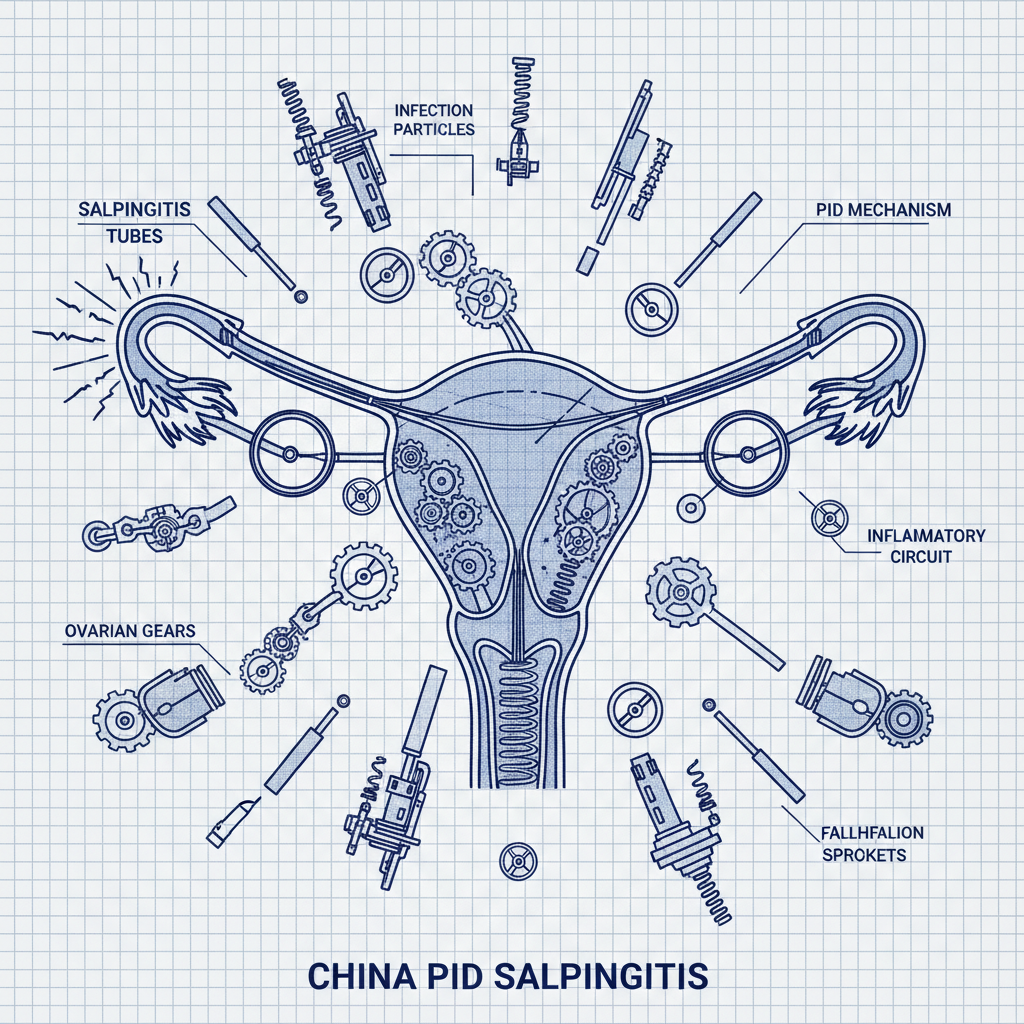
Key Causes of PID Salpingitis in China
Several factors contribute to the development of PID salpingitis in China. Historically, untreated sexually transmitted infections (STIs) like Chlamydia trachomatis and Neisseria gonorrhoeae have been major culprits. However, recent trends suggest an increasing role of mycoplasma and ureaplasma. Furthermore, poor hygiene practices following intrauterine procedures (like IUD insertion or abortion), and even postpartum infections, can introduce bacteria into the upper genital tract. A contributing factor specific to some regions in China is the delayed seeking of medical attention due to cultural beliefs or economic constraints. This delay allows infections to progress to more severe stages, including salpingitis.
Diagnostic Approaches for China PID Salpingitis
Accurate and timely diagnosis is paramount. Initial assessment typically includes a detailed medical history, focusing on sexual activity, contraceptive use, and previous infections. A pelvic examination is crucial to identify cervical motion tenderness, adnexal tenderness, or uterine tenderness – classic signs of PID. Laboratory tests commonly include vaginal and cervical swabs to detect STIs (Chlamydia, Gonorrhea, Mycoplasma, Ureaplasma). Blood tests, such as a complete blood count (CBC) and erythrocyte sedimentation rate (ESR) or C-reactive protein (CRP), can indicate inflammation. Transvaginal ultrasound can visualize the fallopian tubes, identifying swelling, fluid accumulation, or tubo-ovarian abscesses. In some cases, laparoscopy may be necessary for a definitive diagnosis, especially when the clinical presentation is atypical or diagnosis is uncertain.
The Role of Antibiotics in Treating Salpingitis
Antibiotic therapy forms the cornerstone of treatment for PID salpingitis. Regimens typically involve a combination of antibiotics to cover a broad spectrum of potential pathogens. Commonly used antibiotics include ceftriaxone, doxycycline, and metronidazole. Treatment duration varies depending on the severity of the infection, but usually ranges from 14 days. In cases of severe PID or tubo-ovarian abscess, hospitalization and intravenous antibiotics are often required. It’s critical to ensure complete adherence to the prescribed antibiotic course to prevent recurrence and long-term complications. ZTHJ Pharma offers a range of high-quality antibiotic options supporting effective PID management.
China-Specific Considerations in Treatment
The treatment of PID salpingitis in China can be influenced by the prevalence of specific pathogens and potential antibiotic resistance patterns. Local antimicrobial susceptibility testing is essential to guide antibiotic selection. Additionally, traditional Chinese medicine (TCM) is often used as an adjunctive therapy to manage symptoms and support the immune system. However, it's important to note that TCM should not replace conventional antibiotic treatment. Increasingly, doctors in China are adopting a combined approach, integrating evidence-based conventional medicine with TCM modalities, where appropriate.
Comparing Treatment Options: Antibiotics vs. Surgical Intervention
While antibiotics are the primary treatment for PID salpingitis, surgical intervention may be necessary in specific circumstances. These include cases where antibiotic treatment fails, a tubo-ovarian abscess persists despite antibiotics, or the fallopian tube is severely damaged. Surgical options include laparoscopic salpingectomy (removal of the affected fallopian tube) or salpingostomy (opening the fallopian tube to drain any abscess). The decision to proceed with surgery is based on a careful assessment of the patient's condition, the severity of the disease, and their desire for future fertility. The following table summarizes the key differences:
Prevention Strategies for PID Salpingitis in China
Preventing PID salpingitis is crucial, and involves a multi-faceted approach. Promoting safe sexual practices, including consistent condom use, is paramount. Regular STI screening is recommended, particularly for sexually active individuals. Early diagnosis and treatment of STIs are essential to prevent progression to PID. Improving hygiene practices following gynecological procedures and ensuring proper postpartum care can also reduce the risk. Public health education campaigns aimed at raising awareness about PID and its prevention are also vital. ZTHJ Pharma is actively involved in initiatives promoting women’s health awareness and access to preventative care.
Conclusion: A Comprehensive Approach to Managing China PID Salpingitis
Managing China PID salpingitis requires a holistic approach encompassing prevention, early diagnosis, appropriate treatment, and ongoing monitoring. Addressing the specific challenges in the Chinese context – including STI prevalence, access to healthcare, and cultural factors – is essential for improving outcomes. By embracing advancements in diagnostic tools, optimizing antibiotic regimens, and prioritizing preventative measures, we can significantly reduce the burden of PID salpingitis and protect women’s reproductive health.
Frequently Asked Questions (FAQs)
What are the long-term consequences of untreated PID salpingitis?
Untreated PID salpingitis can lead to several serious long-term complications. These include chronic pelvic pain, infertility (due to scarring and blockage of the fallopian tubes), and an increased risk of ectopic pregnancy. Ectopic pregnancies are life-threatening and require immediate medical attention. Furthermore, chronic inflammation can affect overall quality of life and emotional well-being. Early diagnosis and appropriate treatment are vital to minimize these risks.
Can PID salpingitis be prevented with vaccination?
Currently, there is no vaccine specifically for PID salpingitis itself. However, vaccination against Human Papillomavirus (HPV) can prevent certain types of cervical cancer, which can sometimes be linked to PID. Additionally, promoting vaccination against other STIs, where available, can indirectly reduce the risk of PID. The most effective preventative measures remain safe sexual practices and regular STI screening.
What role does ZTHJ Pharma play in addressing PID in China?
ZTHJ Pharma is committed to improving women’s health in China through the development and distribution of high-quality pharmaceutical products, including antibiotics essential for treating PID. We are also actively involved in initiatives to raise awareness about PID prevention and early diagnosis. Furthermore, we invest in research and development to explore innovative treatment approaches and contribute to the advancement of healthcare in this area.
-
Comprehensive Overview of China PID Salpingitis Causes Diagnosis and Treatment
NewsJan.30,2026
-
China Doxycycline in Horses A Comprehensive Guide to Equine Health
NewsJan.28,2026
-
The China Shock and Its Lasting Impact on Global Pharmaceutical Supply Chains
NewsJan.28,2026
-
China Para Que Sirve Dexamethasone 4 Mg A Comprehensive Guide To Usage And Sourcing
NewsJan.27,2026
-
Comprehensive Insights into China Eustachian Tube Salpingitis and Effective Treatment Strategies
NewsJan.27,2026
-
China Crude Protein – High Quality Raw Materials from ZTHJ Pharma for B2B Industry Solutions
NewsJan.06,2026