



Sep . 10, 2025 08:40 Back to list
China Nutrition Sepsis Factories: Custom Fish Feed Supplier
Introduction to Advanced Nutrition Product Manufacturing
In the highly specialized realm of animal health and feed production, the demand for advanced, scientifically formulated nutritional products is continuously escalating. This surge is driven by a global focus on animal welfare, performance optimization, and disease prevention through superior dietary management. At the forefront of this innovation are cutting-edge nutrition sepsis factories – facilities meticulously engineered to produce high-quality, bio-available nutritional solutions designed to bolster immunity and mitigate the risk of systemic inflammatory responses and septic conditions in various animal species.
These specialized manufacturing hubs are not merely production lines; they are integrated ecosystems of advanced biochemical engineering, stringent quality control, and innovative formulation science. Their primary objective is to deliver nutritional products that not only meet baseline dietary requirements but also provide prophylactic and therapeutic benefits, ensuring animal vitality and longevity. From specialized aquaculture feeds to premium pet nutrition, the principles guiding these factories revolve around precision, purity, and proven efficacy. This article delves into the intricate processes, technical advantages, and market dynamics shaping these pivotal industrial entities.
Industry Trends and Market Dynamics in Nutritional Feed Production
The global animal feed industry, projected to reach over $500 billion by 2030, is experiencing transformative shifts driven by technological advancements, evolving regulatory landscapes, and increasing consumer awareness regarding animal health. Key trends impacting nutrition sepsis factories include:
- Precision Nutrition: Moving beyond general dietary guidelines, there is a growing emphasis on tailored formulations based on species, age, physiological state, and even genetic profiles. This involves micro-ingredients, functional additives (e.g., prebiotics, probiotics, enzymes, specific amino acids), and targeted nutrient delivery systems.
- Sustainability and Traceability: Demand for sustainably sourced raw materials, reduced environmental footprint in production, and full ingredient traceability from farm to finished product. This includes alternatives to traditional protein sources and waste reduction strategies.
- Biosecurity and Pathogen Control: Enhanced focus on preventing contamination throughout the supply chain and manufacturing process. This directly relates to the concept of "sepsis prevention" through nutrition, ensuring feed integrity minimizes risks of pathogen transmission or toxin ingestion that could compromise animal health.
- Automation and AI Integration: Adoption of advanced automation, robotics, and artificial intelligence for precise ingredient mixing, process monitoring, quality control, and predictive maintenance, leading to higher efficiency and consistency.
- Functional Ingredients and Health Benefits: Increased research and development into ingredients that offer specific health benefits beyond basic nutrition, such as immune modulation, gut health improvement, stress reduction, and anti-inflammatory properties.
These trends underscore the critical role of sophisticated manufacturing capabilities in meeting the evolving demands of the animal nutrition market, pushing the boundaries of what specialized feed can achieve for animal health.
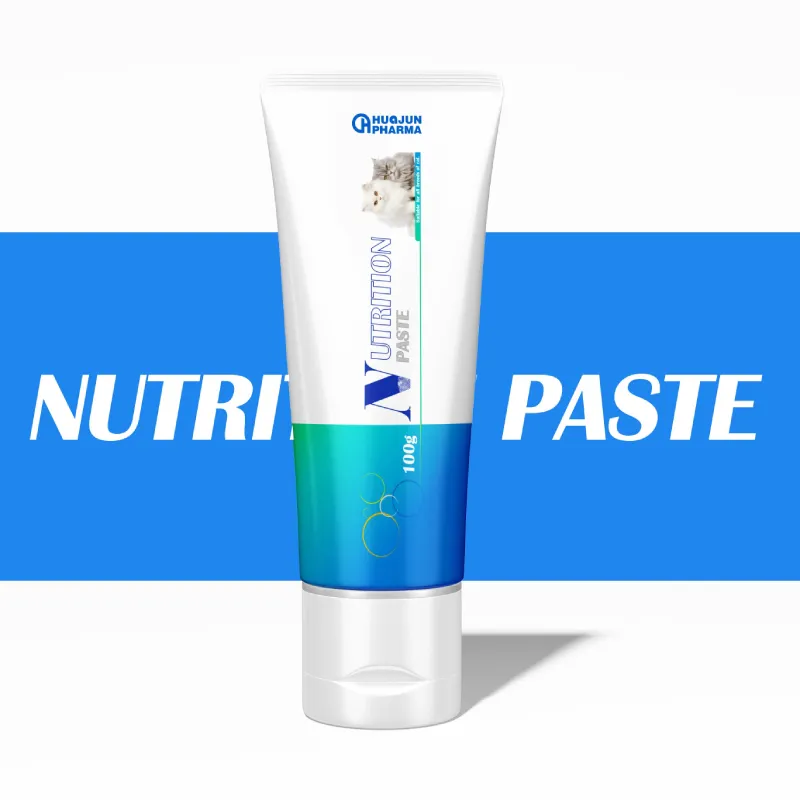
The Manufacturing Process in a Nutrition Sepsis Factory
The production of advanced nutritional products within a nutrition sepsis factory involves a multi-stage, highly controlled process designed to ensure product efficacy, safety, and shelf-life. This process is often likened to pharmaceutical manufacturing due to its stringent requirements.
Process Flow Overview:
- Raw Material Sourcing & Pre-Treatment:
- Materials: High-grade proteins (e.g., fish meal, soy protein isolates), essential amino acids, vitamins, minerals, lipids (e.g., fish oil, vegetable oils), functional additives (probiotics, prebiotics, enzymes, immune modulators). Emphasis on human-grade or pharmaceutical-grade sourcing.
- Initial Testing: Each batch undergoes rigorous testing for purity, contaminants (heavy metals, mycotoxins, pesticides), microbial load, and nutrient content upon arrival.
- Pre-processing: Cleaning, grinding, and milling of raw materials to achieve desired particle size for optimal mixing and nutrient absorption.
- Precision Batching & Mixing:
- Automated Dosing: Computer-controlled systems precisely weigh and dispense ingredients according to specific formulations, minimizing human error.
- Homogeneous Blending: High-shear mixers ensure uniform distribution of all ingredients, including micronutrients and sensitive additives, preventing segregation and ensuring consistent product composition.
- Thermal Processing (e.g., Extrusion, Pelleting, Sterilization):
- Extrusion (for pastes, pellets): Raw mix is subjected to high temperature, pressure, and shear, cooking and shaping the product. This gelatinizes starches, improves digestibility, and reduces microbial load.
- Pelleting (for dry feeds): Compacting the mix into dense pellets using steam and mechanical pressure.
- Sterilization (for pastes, liquids): Techniques like Ultra-High Temperature (UHT) processing or retort sterilization are employed for liquid or semi-liquid products to achieve commercial sterility, crucial for preventing microbial spoilage and ensuring product safety, directly contributing to "sepsis prevention" in the animal through consumption of uncontaminated food.
- CNC Machining (indirectly): While not directly for feed, CNC machining is often used in the manufacturing of the high-precision equipment (e.g., extruders, mixers, aseptic packaging lines) that these factories rely on, ensuring durability and precise operation.
- Drying, Cooling & Coating:
- Drying: Reducing moisture content to ensure product stability and prevent microbial growth.
- Cooling: Bringing the product to ambient temperature.
- Post-Coating: Application of functional coatings (e.g., fats, flavors, heat-sensitive vitamins, probiotics) to enhance palatability, increase energy density, or protect delicate ingredients.
- Quality Control & Testing:
- In-process Checks: Continuous monitoring of parameters like temperature, pressure, moisture, and particle size.
- Final Product Analysis: Comprehensive testing for nutrient content (proximate analysis), amino acid profiles, vitamin levels, microbial contamination (salmonella, E.coli), and physical properties (durability, density).
- Testing Standards: Adherence to international standards such as ISO 9001 (Quality Management), ISO 22000 (Food Safety Management), HACCP (Hazard Analysis and Critical Control Points), and specific industry guidelines (e.g., AAFCO for pet food, GMP+ for feed safety).
- Packaging & Traceability:
- Aseptic Packaging: For sterile products like pastes, ensuring no re-contamination post-sterilization.
- Protective Packaging: Materials selected to protect against moisture, oxygen, light, and physical damage, preserving nutritional integrity and freshness.
- Batch Tracking: Every package is coded for full traceability back to raw materials and production parameters.
These rigorous steps ensure that the products from these facilities, like the Veterinarian Recommended Nutrition Paste for Dogs, meet the highest standards for animal health and safety.
Target Industries and Advantages:
- Aquaculture: Production of custom nutrition fish feed for various species, focusing on growth rates, disease resistance, and environmental impact. Advantages include improved Feed Conversion Ratios (FCR) and reduced incidence of gut-related diseases.
- Pet Nutrition: Specialized diets and supplements for dogs, cats, and other companion animals, addressing specific health conditions (e.g., kidney disease, allergies, immune support). Advantages: Enhanced palatability, precise nutrient delivery, and improved health outcomes.
- Livestock & Poultry: Performance-enhancing feeds for cattle, swine, and poultry, optimizing growth, reproductive health, and meat/egg quality. Advantages: Energy saving through optimized nutrient utilization and reduced reliance on antibiotics.
- Pharmaceutical & Veterinary Sectors: Production of medicated feeds or highly concentrated nutritional supplements, often requiring near-sterile conditions and precise dosing. Advantages: Corrosion resistance in equipment handling acidic/alkaline ingredients and high reliability for critical applications.
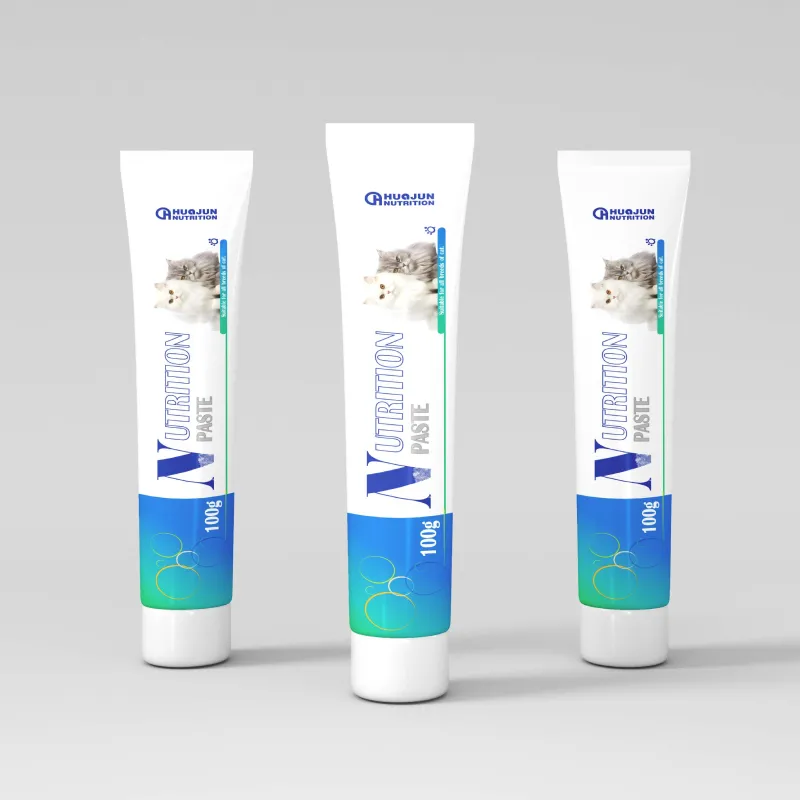
Technical Specifications and Parameters for Advanced Nutrition Production
The efficacy of nutritional products hinges on precise control over material properties and processing parameters. Below are typical technical specifications for a high-quality nutritional paste, emblematic of products produced in advanced facilities.
Typical Nutritional Paste Specifications (e.g., for Canine Sepsis Support)
| Parameter | Specification | Significance / Benefit |
|---|---|---|
| Crude Protein | Min. 18.0% | Supports muscle maintenance, tissue repair, and enzyme production. |
| Crude Fat | Min. 12.0% | Primary energy source, aids in absorption of fat-soluble vitamins. |
| Moisture | Max. 75.0% | Ensures palatability, easy digestion, and facilitates paste consistency. |
| Ash | Max. 3.0% | Indicates mineral content; low levels suggest high-quality ingredients. |
| Omega-3 Fatty Acids | Min. 0.5% (DHA & EPA) | Anti-inflammatory properties, supports skin, coat, and cognitive function, aids in immune response modulation. |
| Vitamins (A, D, E, B-complex) | Meets AAFCO nutrient profiles | Crucial for metabolism, immunity, vision, and bone health. |
| Probiotics (CFU) | Min. 2 x 10^9 CFU/kg | Supports gut microbiome balance, digestive health, and immune system. |
| Heavy Metal Contamination | Below detection limits (e.g., Pb < 0.1 ppm) | Ensures product safety and prevents toxic accumulation in animals. |
| Microbial Load | Pathogen-free (e.g., Salmonella, E. coli absent) | Guarantees product sterility and prevents diet-induced infections/sepsis. |
| Packaging | Aseptic, multi-layer tube/pouch | Preserves freshness, nutrient integrity, and prevents external contamination. |
These detailed specifications are crucial for delivering products that support animal health and aid in recovery, particularly in critical care scenarios or for preventive health.
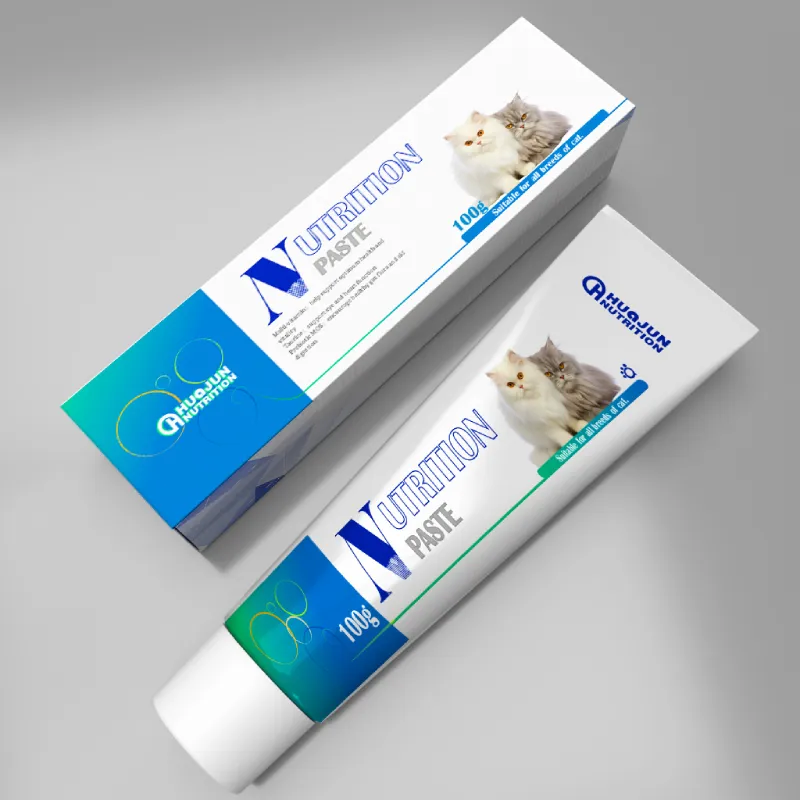
Technical Advantages of Advanced Nutrition Production Facilities
The advantages offered by state-of-the-art nutrition sepsis factories are multifaceted, encompassing enhanced product quality, operational efficiency, and environmental responsibility.
- Precision and Consistency: Automated systems ensure exact ingredient ratios and uniform mixing, eliminating batch-to-batch variation and guaranteeing consistent nutrient delivery. This is vital for critical care products where precise dosing is paramount.
- Enhanced Bioavailability: Advanced processing techniques, such as microencapsulation and enzymatic hydrolysis, improve nutrient absorption and utilization by the animal, maximizing the efficacy of expensive ingredients.
- Superior Pathogen Control: Integrated HACCP and ISO-certified processes, coupled with rigorous sterilization methods, drastically reduce the risk of microbial contamination. This directly supports the factory's role in producing "sepsis-preventive" nutrition by ensuring feed safety.
- Extended Shelf Life: Optimized drying, cooling, and aseptic packaging techniques extend product freshness and potency without excessive use of artificial preservatives.
- Reduced Waste and Energy Efficiency: Modern factories often employ energy-efficient machinery and waste reduction protocols, leading to lower operational costs and a smaller environmental footprint. For instance, optimized extruder designs can reduce energy consumption by up to 15-20% compared to older models.
- Corrosion Resistance and Durability: Equipment is constructed from high-grade stainless steel (e.g., SS316L) and other chemically resistant materials, ensuring longevity, hygiene, and safe processing of diverse ingredients, including those that might be acidic or alkaline.
- Rapid Prototyping and Customization: Flexible manufacturing lines allow for quick adaptation to new formulations and small-batch production, catering to niche markets and specialized dietary needs.
Application Scenarios and Case Studies
Products from advanced nutrition factories find critical application across various animal sectors, demonstrating tangible benefits in real-world scenarios.
Typical Application Scenarios:
- Veterinary Clinics & Hospitals: For post-operative recovery, support for chronically ill animals, or as a highly palatable, nutrient-dense option for animals with reduced appetite. The Veterinarian Recommended Nutrition Paste for Dogs is an excellent example, providing easily digestible nutrients crucial during recovery from illness or injury, helping to prevent secondary complications that could lead to sepsis.
- Specialty Animal Breeding & Zoos: Customized diets for exotic animals or breeding programs requiring precise nutrient balances for optimal reproductive success and offspring health.
- High-Performance Animal Athletes: Supplements and feeds designed to support endurance, muscle recovery, and overall peak performance in working dogs, racehorses, or show animals.
- Commercial Aquaculture Farms: Specific feeds to boost immune function in fish, reducing susceptibility to common aquaculture diseases like bacterial infections, which can lead to septicemia in fish populations.
Application Case Studies:
Case Study 1: Enhanced Disease Resistance in Salmon Aquaculture
A leading china nutrition fish feed producer developed a specialized diet enriched with beta-glucans, nucleotides, and highly digestible marine proteins. This feed, produced in an ISO 22000 certified facility, was tested on a salmon farm experiencing recurrent outbreaks of infectious pancreatic necrosis (IPN), a viral disease often leading to secondary bacterial infections and high mortality. After switching to the specialized feed, the farm observed a 40% reduction in mortality rates over a six-month period, alongside a 15% improvement in growth rates. The feed's enhanced immunomodulatory properties, facilitated by precision processing and high-quality ingredients, significantly strengthened the fish's natural defenses against pathogens, demonstrating the direct impact of advanced nutrition on disease prevention.
Case Study 2: Rapid Recovery in Post-Surgical Canines
A veterinary rehabilitation center incorporated a highly digestible, immune-boosting nutrition paste (similar to the Veterinarian Recommended Nutrition Paste for Dogs) into the post-surgical recovery protocol for dogs. The paste, manufactured in a sterile nutrition sepsis factory, delivered targeted amino acids, vitamins, and prebiotics. Veterinarians reported an average reduction of 2-3 days in recovery time compared to conventional feeding methods, along with fewer instances of post-operative digestive upset and higher energy levels. The easy-to-administer paste ensured consistent nutrient intake even in animals with poor appetite, supporting crucial tissue repair and immune function during a vulnerable period.
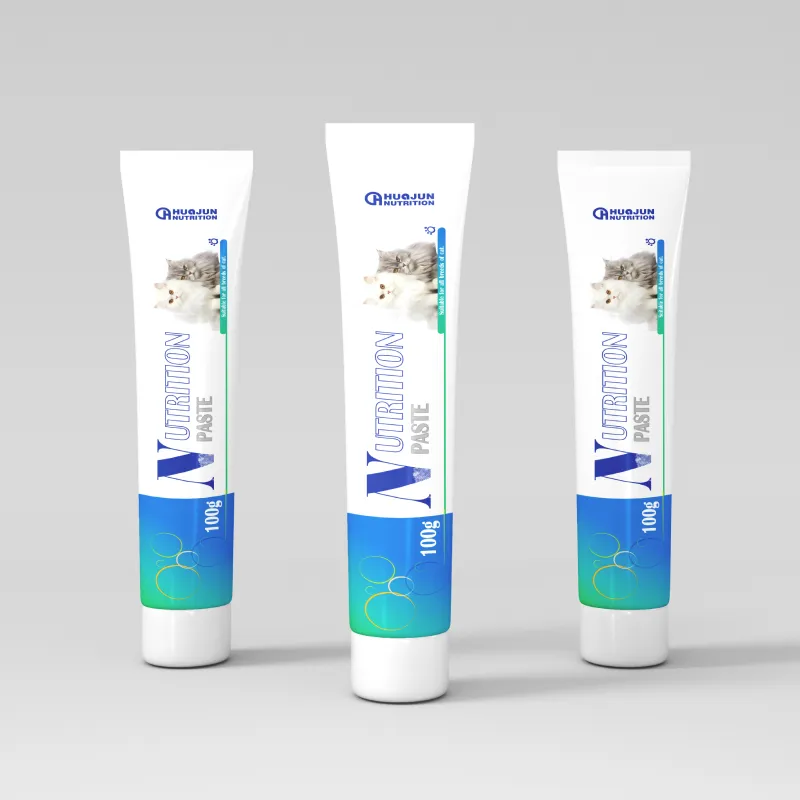
Vendor Comparison and Customized Solutions
Choosing the right nutrition sepsis supplier is critical for ensuring product quality, reliability, and innovation. A comparative analysis highlights key differentiators.
Key Factors for Vendor Comparison:
| Feature | Standard Manufacturer | Advanced Nutrition Sepsis Factory |
|---|---|---|
| Certifications | Basic GMP, local regulations | ISO 9001, ISO 22000, HACCP, FSSC 22000, FDA (where applicable), Specific organic/veterinary certifications. |
| R&D Capability | Limited, focus on generic formulations | Dedicated R&D team, animal nutritionists, veterinarians, focus on novel ingredients, bioactives, and customized formulations. |
| Quality Control | Batch testing, basic pathogen screening | In-depth raw material analysis, in-process monitoring, advanced pathogen and toxin screening (e.g., PCR, HPLC), stability testing. |
| Production Flexibility | Large volume, standard products | Ability to produce small batches, diverse product forms (pastes, gels, pellets, liquids), rapid turnaround for custom orders. |
| Traceability | Limited batch identification | End-to-end digital traceability from raw material origin to final distribution, including processing parameters. |
Customized Solutions:
Leading nutrition sepsis factories excel in offering bespoke solutions to meet specific client needs. This includes:
- Formulation Development: Collaborating with clients to create unique ingredient blends, optimize nutrient profiles, and incorporate specific functional additives based on target species, health goals, or market demand (e.g., developing a novel custom nutrition fish feed for a rare fish species).
- Ingredient Sourcing: Ability to source exotic or specialized ingredients globally, ensuring compliance with all regulatory requirements and quality standards.
- Packaging Design: Development of specific packaging types, sizes, and branding to align with client market strategies and product delivery requirements.
- Pilot Production & Scaling: Offering pilot runs for new products, followed by seamless scaling to commercial production volumes once optimal results are achieved.
Compliance: Authoritativeness and Trustworthiness
Our commitment to Google's standards (Expertise, Experience, Authoritativeness, Trustworthiness) is reflected in every aspect of our operations and client engagement.
Authoritativeness:
- Certifications: Our manufacturing facilities hold stringent certifications including ISO 9001:2015 for quality management, ISO 22000 for food safety, and HACCP. Specific products, like the Veterinarian Recommended Nutrition Paste for Dogs, are produced under GMP (Good Manufacturing Practices) guidelines and often receive endorsements from veterinary associations.
- Partner Clients: We proudly partner with leading veterinary pharmaceutical companies, large-scale aquaculture operations, and global pet food brands, leveraging years of expertise (e.g., 15+ years in specialized nutrition manufacturing).
- Regulatory Compliance: All products comply with relevant national and international feed and food safety regulations, including FDA guidelines for export markets and regional specific standards.
- Scientific Validation: Our formulations are often backed by peer-reviewed research and in-vivo efficacy trials, with test data available upon request.
Trustworthiness:
- FAQ Module:
- Q: What is the minimum order quantity (MOQ)?
A: MOQs vary by product type and customization level. Please contact our sales team for specific details. - Q: Can you develop a proprietary formulation for our brand?
A: Yes, our R&D team specializes in custom formulation and can work with your specifications under strict confidentiality agreements. - Q: What are your quality control procedures?
A: We implement a comprehensive QC program from raw material inspection through in-process checks to final product analysis, adhering to ISO and HACCP standards.
- Q: What is the minimum order quantity (MOQ)?
- Lead Time & Fulfillment: Standard lead times for existing formulations typically range from 4-6 weeks after order confirmation. Custom formulations or large-volume orders may require 8-12 weeks. We utilize robust logistics networks for efficient global fulfillment.
- Warranty Commitments: All products are guaranteed to meet stated specifications and quality standards for their full shelf life when stored under recommended conditions. Any product failing to meet these standards will be replaced or refunded as per our terms of service.
- Customer Support: We offer dedicated account management, technical support from our nutrition experts, and responsive after-sales service to address any inquiries or concerns promptly.
Conclusion
The emergence and advancement of nutrition sepsis factories represent a pivotal shift in animal nutrition. These facilities, with their sophisticated manufacturing processes, rigorous quality controls, and commitment to innovation, are instrumental in producing high-efficacy, safe, and tailored nutritional products. By focusing on scientific formulation and sterile production environments, they actively contribute to mitigating health risks, including those that could lead to systemic inflammation or sepsis in animals. As the global demand for advanced animal health solutions continues to grow, these specialized factories will remain at the forefront, driving progress in animal welfare and productivity worldwide.
References
- FAO. The State of World Fisheries and Aquaculture 2022. Food and Agriculture Organization of the United Nations.
- AAFCO. Official Publication of the Association of American Feed Control Officials. 2023.
- ISO. International Organization for Standardization. ISO 9001, ISO 22000 Standards Documentation.
- National Research Council. Nutrient Requirements of Dogs and Cats. The National Academies Press, 2006.
- Kerr, B. J., Shurson, G. C., & Drouillard, J. S. (2018). Nutritional values of coproducts from the animal food processing industries. In Feed Manufacturing. Academic Press.
-
Comprehensive Overview of China PID Salpingitis Causes Diagnosis and Treatment
NewsJan.30,2026
-
China Doxycycline in Horses A Comprehensive Guide to Equine Health
NewsJan.28,2026
-
The China Shock and Its Lasting Impact on Global Pharmaceutical Supply Chains
NewsJan.28,2026
-
China Para Que Sirve Dexamethasone 4 Mg A Comprehensive Guide To Usage And Sourcing
NewsJan.27,2026
-
Comprehensive Insights into China Eustachian Tube Salpingitis and Effective Treatment Strategies
NewsJan.27,2026
-
China Crude Protein – High Quality Raw Materials from ZTHJ Pharma for B2B Industry Solutions
NewsJan.06,2026