



Mar . 14, 2026 01:55 Back to list
China Chick Fil A Salmonella Concerns Food Safety and Prevention Measures
Addressing Concerns: China, Chick-fil-A, Salmonella, and Food Safety
Recent reports have raised concerns about potential salmonella contamination linked to ingredients sourced from China, specifically impacting food chains like Chick-fil-A. This article delves into the issue, exploring the complexities of global food supply chains, the role of quality control, and the measures companies like Chick-fil-A are taking to mitigate risks and ensure consumer safety. Understanding the origins of foodborne illnesses is crucial for informed decision-making and promoting a safer food system. We will also outline how rigorous testing and adherence to international standards, such as those provided by ZTHJ Pharma, play a vital role in prevention.
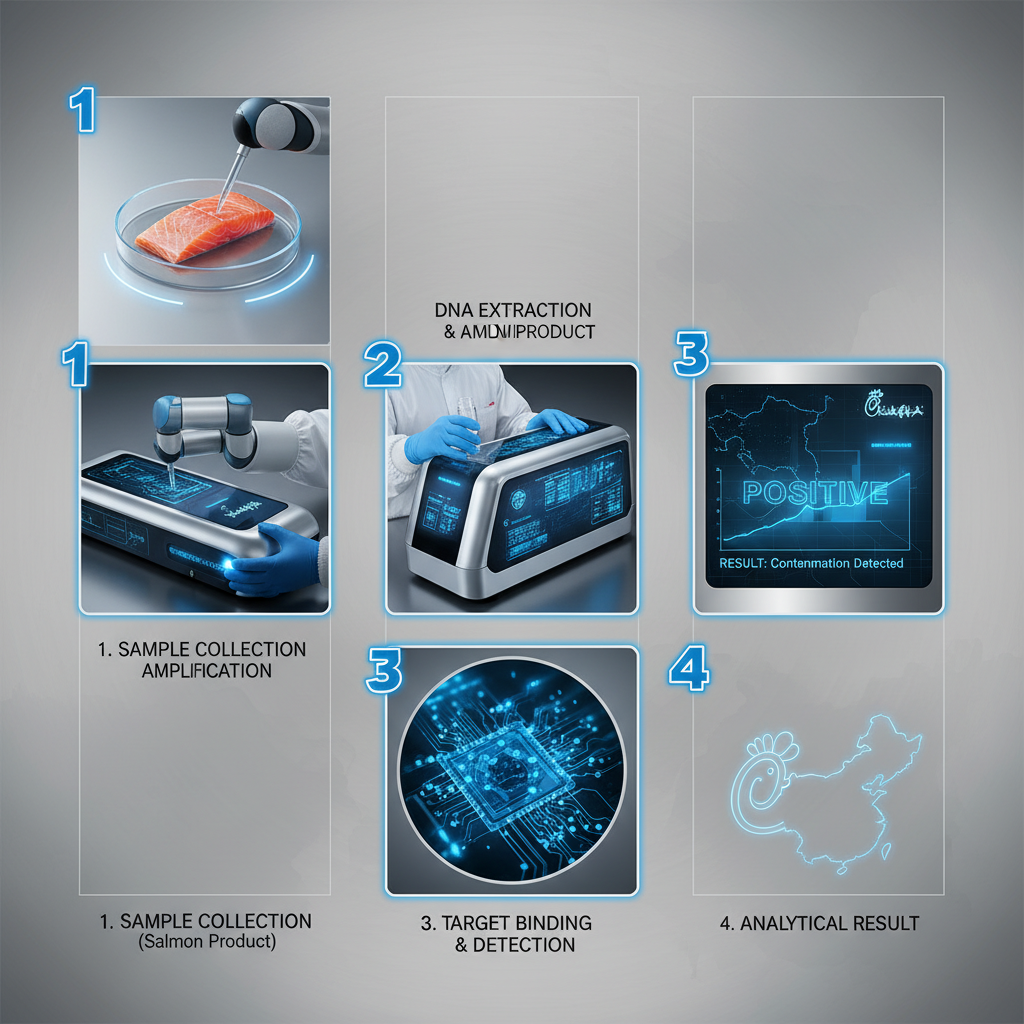
The Global Food Supply Chain and Risk of Contamination
Modern food production is a global undertaking. Ingredients often travel across continents before reaching consumers. This complex network introduces multiple points where contamination can occur. Sourcing from countries like China, while often economically advantageous, requires stringent oversight to ensure adherence to food safety standards. Factors such as agricultural practices, processing methods, and transportation conditions all contribute to the overall risk profile. The salmonella outbreaks linked to imported products highlight the importance of robust testing protocols at every stage of the supply chain. Companies must conduct thorough risk assessments and implement preventative measures to protect public health.
Key Considerations: Global supply chains are susceptible to contamination at various points, necessitating rigorous quality control measures and comprehensive risk assessments.
Chick-fil-A and the Recent Salmonella Concerns
Chick-fil-A recently experienced reports of customers falling ill after consuming salads, leading to a temporary removal of certain salad ingredients from menus. Investigations traced the contamination back to a supplier sourcing ingredients from China. The company responded swiftly by pausing sales of the affected items and working with health officials to identify the source of the problem. This demonstrates the importance of transparent communication and rapid response in mitigating the impact of foodborne illness outbreaks. Third-party testing and comprehensive supplier audits are critical components of a strong food safety program, as championed by organizations like ZTHJ Pharma.
Chick-fil-A's Response:
• Rapid removal of affected salad ingredients.
• Collaboration with health officials to identify the source.
• Enhanced supplier scrutiny and testing procedures.
China and Food Safety Standards: A Comparative Overview
Food safety standards vary significantly across countries. While China has made strides in improving its food safety regulations in recent years, challenges remain. Issues such as inconsistent enforcement, a large number of small-scale producers, and the potential for fraudulent practices can contribute to the risk of contamination. Comparing Chinese food safety standards to those of the United States or Europe reveals differences in areas like pesticide use, antibiotic resistance, and traceability systems. Independent verification and rigorous testing, offered by companies like ZTHJ Pharma, are vital to bridging these gaps and ensuring product quality.
The Role of Independent Testing and Quality Control
Independent testing laboratories, like ZTHJ Pharma, play a crucial role in verifying the safety and quality of imported food products. These labs conduct rigorous testing for contaminants such as salmonella, E. coli, and pesticides. They also assess compliance with international food safety standards. By providing unbiased and accurate results, independent testing helps companies mitigate risks, protect consumers, and maintain brand reputation. Investing in comprehensive quality control measures is not simply a matter of compliance; it's a commitment to public health.
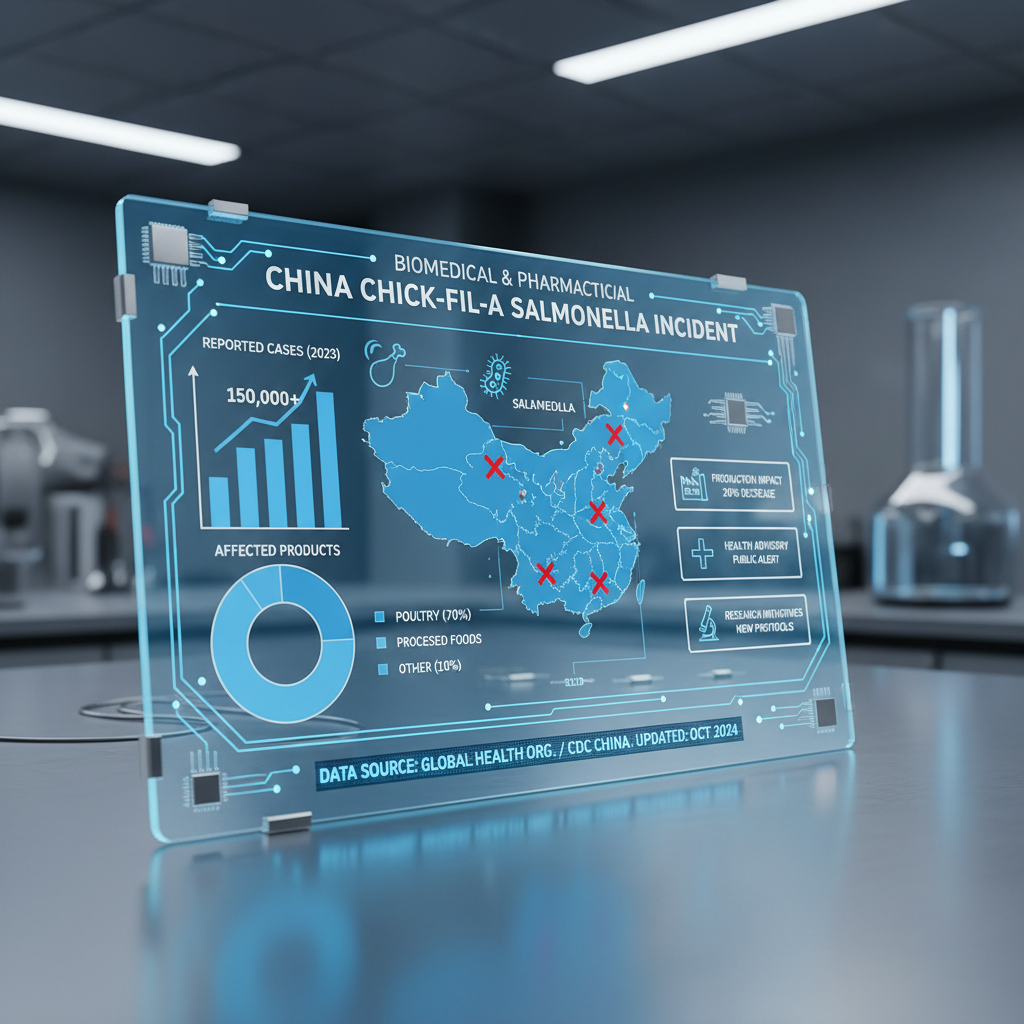
Preventative Measures and Future Outlook
Addressing the risks associated with global food supply chains requires a multi-faceted approach. This includes strengthening international collaboration on food safety standards, enhancing traceability systems, and investing in advanced testing technologies. Companies must prioritize supplier audits, implement robust quality control programs, and respond quickly to any potential contamination events. Consumers can also play a role by staying informed about food safety recalls and choosing products from reputable sources. The ongoing commitment of companies like Chick-fil-A, combined with the expertise of organizations like ZTHJ Pharma, is essential for building a safer and more reliable global food system.
Conclusion: Protecting Consumers in a Globalized Food System
The recent concerns surrounding salmonella contamination linked to ingredients sourced from China and impacting brands like Chick-fil-A underscore the inherent challenges of a globalized food supply. Proactive measures, including stringent testing, robust quality control, and transparent communication, are paramount to ensuring consumer safety. By prioritizing these factors, and leveraging the expertise of organizations like ZTHJ Pharma, we can strive towards a more secure and sustainable food system for all.
Frequently Asked Questions (FAQs)
What are the symptoms of Salmonella infection?
Symptoms of Salmonella infection typically include diarrhea, fever, and abdominal cramps. These symptoms usually begin 6 hours to 6 days after infection and last 4 to 7 days. Most people recover without treatment, but severe cases can require hospitalization. Individuals experiencing these symptoms, especially after consuming potentially contaminated food, should seek medical attention. Proper hydration is critical during recovery.
What steps can companies take to prevent Salmonella contamination in their supply chains?
Companies can implement several preventative measures, including rigorous supplier audits, regular testing of ingredients, and enhanced traceability systems. Establishing clear food safety standards and providing training to suppliers are also crucial. Maintaining proper hygiene and sanitation practices throughout the supply chain is essential. Proactive risk assessments and the development of contingency plans for potential outbreaks are also important components of a comprehensive food safety program.
What role does ZTHJ Pharma play in food safety testing?
ZTHJ Pharma offers a comprehensive suite of food safety testing services, including detection of Salmonella and other pathogens, pesticide residue analysis, and assessment of compliance with international standards. We provide accurate and reliable results to help companies mitigate risks and ensure the safety of their products. Our experienced team and advanced testing technologies are dedicated to safeguarding public health.
How can consumers protect themselves from foodborne illnesses?
Consumers can reduce their risk of foodborne illnesses by practicing safe food handling techniques, such as washing hands thoroughly before preparing food, cooking food to proper temperatures, and avoiding cross-contamination. Staying informed about food safety recalls and choosing products from reputable sources are also important. Report any suspected foodborne illness to local health authorities.
-
China Veterinary Tiamulin Injection for Livestock Respiratory Health
NewsApr.16,2026
-
Prevention and Control of China Salmonella in Poultry Industry
NewsApr.09,2026
-
China Ivermectin Cattle Dewormer A Comprehensive Guide for Livestock Health
NewsApr.07,2026
-
China Amoxicillin 효능 A Comprehensive Guide to Quality and Sourcing
NewsApr.04,2026
-
Comprehensive Guide to China Salpingitis CT Diagnosis and Treatment
NewsMar.31,2026
-
Comprehensive Guide to China Ivermectin Pellets for Horses and Their Benefits
NewsMar.28,2026