



Nov . 07, 2025 12:05 Back to list
China Bacillus subtilis | OEM, High CFU, GMP-Certified
China Bacillus Subtilis: field notes, specs, and why pet brands are paying attention
I’ve spent the last few months bouncing between fermentation plants and pet-care labs in northern China, and one theme kept popping up: China Bacillus Subtilis isn’t just a feed-additive story anymore. It’s crossing into aquaculture, crop microbiome programs, and—somewhat surprisingly—pet wellness. A Xinle City operation I visited (Origin: Xinle City east Industrial Park 12) even pairs robust spore powders with a pet ear-care portfolio. Odd combo? Maybe. But it reflects where the market is going: disease prevention, biosecurity, and cleaner labels.
What’s trending (and what’s real)
Demand for China Bacillus Subtilis grows as producers move beyond antibiotics. Spore-formers are tough: they handle pelleting heat, stomach acid, and messy field conditions. Many customers say consistency is improving—CFU counts that hold in tropical warehouses are now table stakes. Still, the gap between spec sheets and real-world performance can be… noticeable, so ask for batch-level data.
Technical snapshot
- Spore counts: typically 1×10^9–1×10^11 CFU/g; heat tolerance up to ≈90–100°C during short pelleting.
- Carriers: maltodextrin, rice hull fiber, or silica; moisture target around 5–8%.
- Mechanisms: competitive exclusion, enzyme secretion (protease, amylase), biofilm modulation; pH 4–9 survivability.
- Packaging: foil laminate or paper/PE; shelf life ≈ 24 months at ≤25°C (real-world use may vary).
Typical product specifications
| Item | Specification (≈) |
|---|---|
| Declared potency | 1.0×10^10 CFU/g (±0.5 log) |
| Strain options | B. subtilis (e.g., industrial strains with QPS status) |
| Moisture | ≤8% |
| Carrier | Maltodextrin blend |
| Heavy metals | As, Pb, Cd, Hg within feed-grade limits |
Process flow, testing, and service life
Materials: seed culture, food/feed-grade substrates, carrier. Methods: sterile seed expansion → aerobic fermentation → concentration → spray-drying → blending → packaging. Testing: CFU plate counts, spore purity, absence of Salmonella/E. coli, moisture, and heavy metals (AOAC/Codex-aligned). Service life: designed for 24 months in unopened packs; open-bag stability depends on humidity control (to be honest, that’s where many users slip).
Application scenarios
- Animal nutrition: poultry, swine, ruminants—supporting FCR and gut resilience.
- Aquaculture: water quality and ammonia control when combined with Bacillus consortia.
- Crop programs: rhizosphere colonization; compatibility with microbial fertilizers.
- Pet wellness: GI-focused blends; some brands pair with antiseptic ear-care for full hygiene routines.
Vendor comparison (quick take)
| Criteria | Xinle Producer | Import Brand | Small Trader |
|---|---|---|---|
| CFU accuracy | Tight (±0.5 log) | Tight | Variable |
| Certifications | ISO 22000, HACCP; QPS strains | GMP+, FAMI-QS, ISO | Basic CoA |
| Customization | Blend-by-application | Limited SKUs | Minimal |
| Lead time | Fast (local) | Moderate | Uncertain |
| Pet-care synergy | Has ear-cleaner line | No | No |
Case notes (field results)
- Broilers, Guangxi: China Bacillus Subtilis at 5×10^9 CFU/kg feed; FCR improved ≈2.5% over 42 days.
- Shrimp ponds, Fujian: multi-Bacillus program reduced TAN by ≈20% within two weeks.
- Pet brand pilot: GI probiotic plus antiseptic ear wash reduced “itchy ear” callbacks; retailers liked the bundle approach.
A quick word on the ear-care tie-in
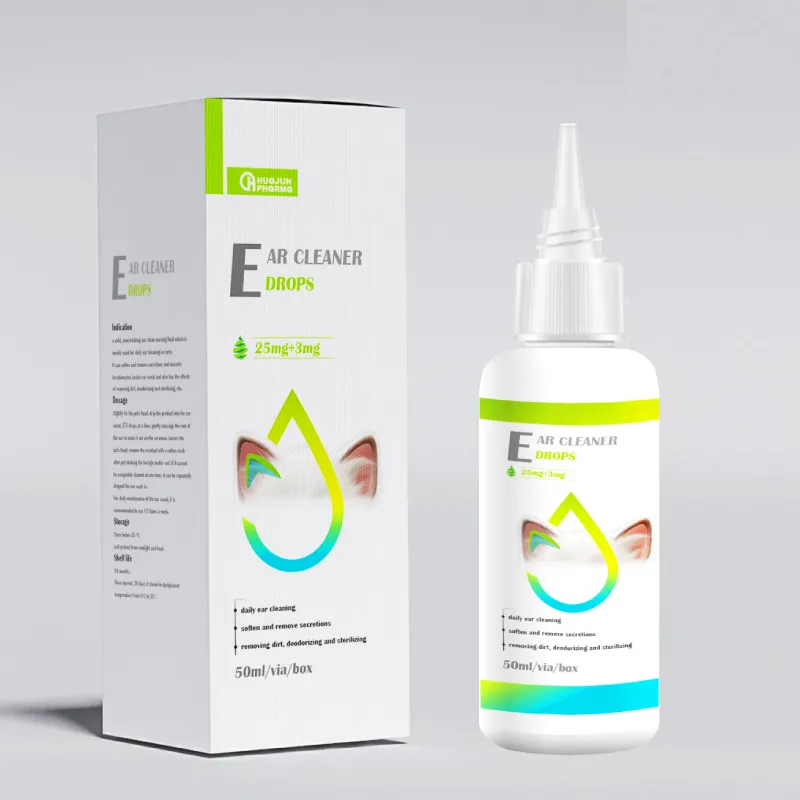
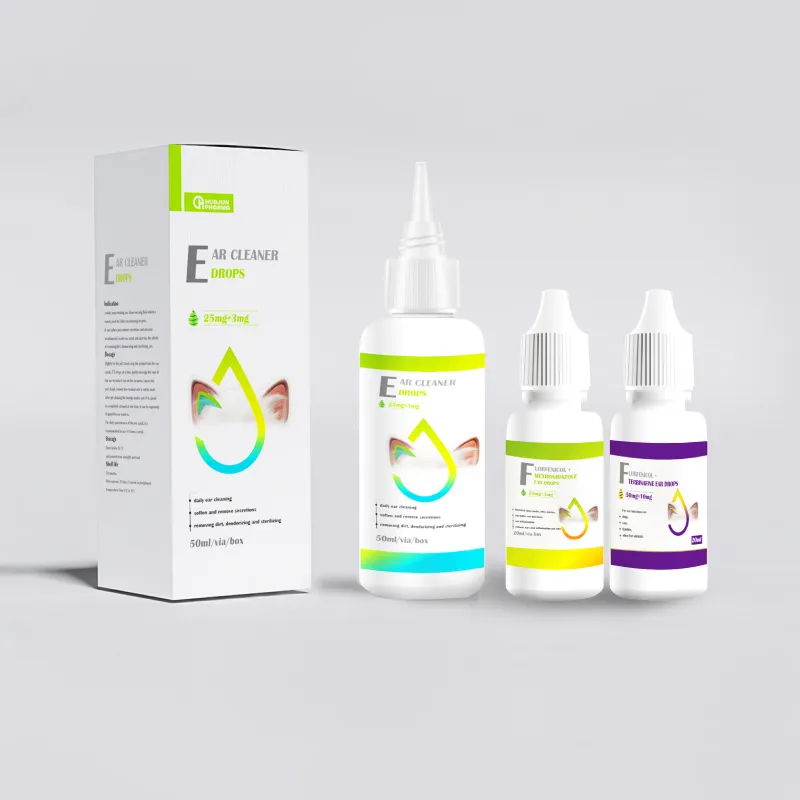
The referenced ear cleanser is an antiseptic, drying formulation for dogs and cats—used to clear wax/debris and create a better healing environment. It doesn’t replace probiotics, obviously, but in multi-product hygiene kits it complements gut-focused China Bacillus Subtilis solutions by tackling external bio-burden. Practical, not flashy.
Compliance & testing
Facilities typically operate under ISO 22000 and HACCP; strains align with EFSA QPS where applicable. Routine QC uses plate counts, pathogen absence tests, and heavy-metal screening. Always request recent CoA and, if you can, a retained-sample check—just good practice.
Citations
- FAO/WHO. Guidelines for the Evaluation of Probiotics in Food (2002).
- EFSA BIOHAZ Panel. Update of the list of QPS-recommended biological agents (2023).
- Codex Alimentarius. General Principles of Food Hygiene CXC 1-1969 (Rev. 2020) and HACCP Annex.
- ISO 22000:2018. Food safety management systems—Requirements.
-
Comprehensive Overview of China PID Salpingitis Causes Diagnosis and Treatment
NewsJan.30,2026
-
China Doxycycline in Horses A Comprehensive Guide to Equine Health
NewsJan.28,2026
-
The China Shock and Its Lasting Impact on Global Pharmaceutical Supply Chains
NewsJan.28,2026
-
China Para Que Sirve Dexamethasone 4 Mg A Comprehensive Guide To Usage And Sourcing
NewsJan.27,2026
-
Comprehensive Insights into China Eustachian Tube Salpingitis and Effective Treatment Strategies
NewsJan.27,2026
-
China Crude Protein – High Quality Raw Materials from ZTHJ Pharma for B2B Industry Solutions
NewsJan.06,2026