

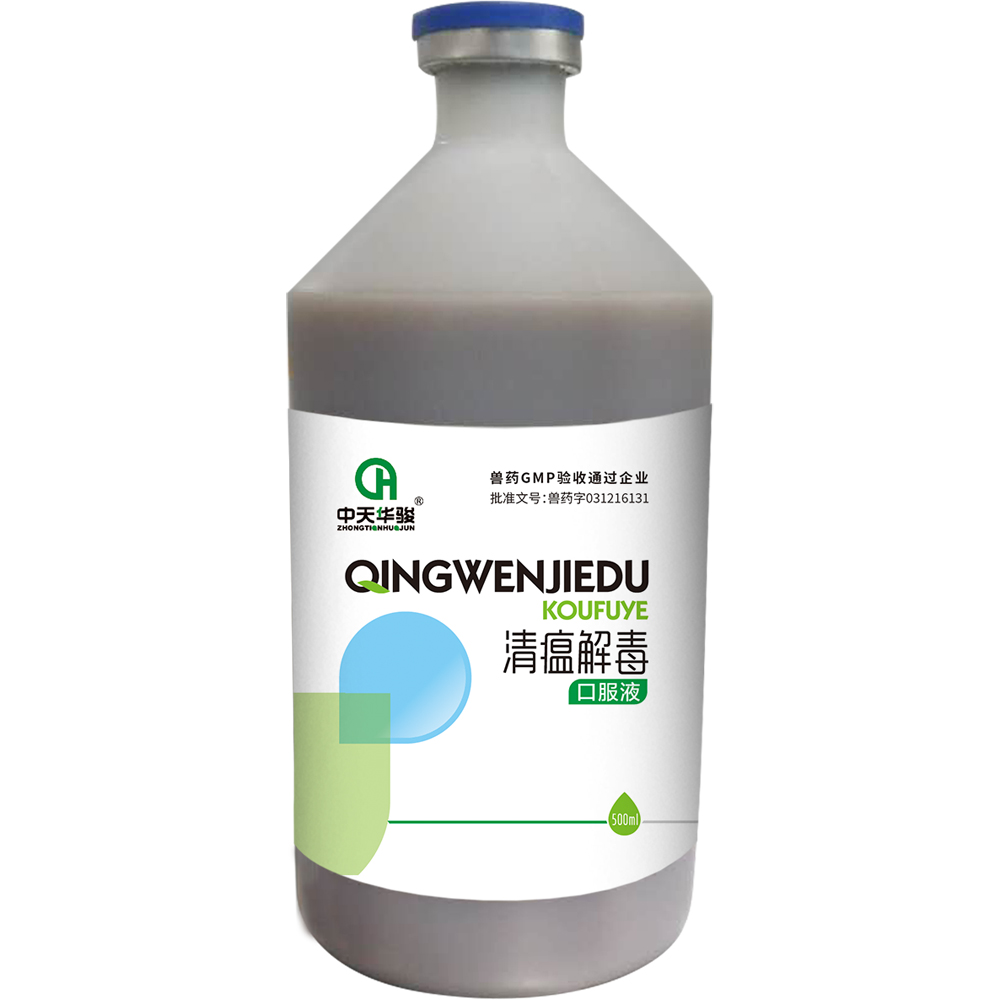
Advanced water quality stabilizer Solutions for Yemen Aquaculture

Optimizing aquatic health and veterinary pharmaceutical standards across Yemen's diverse coastal and inland farming environments.

Advanced water quality stabilizer Solutions for Yemen Aquaculture

Providing high-purity chemical raw materials and veterinary additives to ensure sustainable livestock and fish production in the Asia-Yemen region.

Current State of Veterinary Pharma in Yemen

Addressing the challenges of aquatic and livestock health in arid and coastal climates.

Yemen's pharmaceutical landscape for veterinary use is currently transitioning from basic importing to specialized application. In the aquaculture sector, the high salinity and temperature fluctuations of the Red Sea and Gulf of Aden necessitate the use of a professional water quality stabilizer to prevent mass mortality and maintain biological equilibrium.

Livestock health is frequently challenged by environmental stress, making the integration of vitamin c essential for immune support. The reliance on traditional farming methods is slowly giving way to scientifically formulated inputs to combat endemic diseases.

Furthermore, the storage of raw materials in Yemen's humid coastal areas often leads to fungal contamination, creating an urgent demand for industrial-grade mildew remover agents to protect the integrity of pharmaceutical precursors and feed stocks.

Evolution of Veterinary Raw Materials

From traditional empirical treatments to precision pharmaceutical manufacturing.

Market Development History

Prior to 2010, the Yemen market relied heavily on generic, non-standardized feed supplements. Nutrition was rudimentary, and disease control was reactive rather than preventive.

Between 2010 and 2020, there was a strategic shift toward the adoption of sulfonamides for treating bacterial infections in poultry and fish, marking the beginning of a more systematic pharmacological approach in the region.

From 2021 onwards, the focus has shifted toward holistic health, where nutrition fish feed is no longer just about growth, but about incorporating bioactive compounds to ensure resilience against climate change.

Future Development Trends

Precision Micronutrient Delivery

The transition toward nano-encapsulated vitamins to increase absorption rates in harsh environmental conditions.

Eco-Friendly Stabilization

Moving toward biodegradable water conditioners that minimize the chemical footprint in the Red Sea ecosystems.

Antimicrobial Stewardship

Implementing strict protocols for antibiotic use, replacing broad-spectrum drugs with targeted molecular therapies.

Industry Trends & Future Outlook

Analyzing the trajectory of veterinary chemical manufacturing for the Yemen market.

Smart Feed Integration
Merging nutrition fish feed with real-time biological sensors for precise dosing.
Climate-Resilient API
Developing Active Pharmaceutical Ingredients that remain stable under Yemen's extreme heat.
Water Quality Automation
Automated delivery systems for water quality stabilizer to maintain pH levels.
Biosafety Protocols
Implementing rigorous mildew remover standards in raw material warehousing.

Industry Outlook

Based on Google search trends in the Asia-Yemen region, there is a rising interest in "sustainable aquaculture" and "veterinary drug stability." This indicates a market shift toward premium, high-efficacy chemical components over low-cost generics.

The future will likely be dominated by integrated health systems where nutrition and medicine are blended into a single preventive strategy, reducing the overall reliance on curative antibiotics.

Localized Application Scenarios in Yemen

Practical implementations of chemical raw materials in regional veterinary medicine.

01. Red Sea Tilapia Farming

Utilizing water quality stabilizer to manage ammonia spikes caused by high evaporation rates in coastal ponds.

02. Poultry Health in Sana'a

Incorporating vitamin c into feed to reduce heat stress in chickens during peak summer months.

03. Bacterial Outbreak Control

Strategic application of sulfonamides to treat respiratory infections in livestock during seasonal transitions.

04. Feed Storage Preservation

Using industrial mildew remover in silos to prevent fungal growth in imported grain across humid ports.

05. Intensive Aquaculture Growth

Implementing high-protein nutrition fish feed for accelerated growth cycles in inland aquaculture projects.

Brand Story

Global Development Journey of Hebei Kuayu Import and Export Trade Co., Ltd.

Foundation of Quality

Starting with a mission to bridge the gap between high-end chemical synthesis and global veterinary needs.

Technological Breakthrough

Developing proprietary purification methods for API raw materials to ensure maximum bioavailability.

Asia-Pacific Expansion

Establishing robust supply chains to serve emerging markets, specializing in harsh-climate stability.

Sustainable Commitment

Investing in green chemistry to reduce environmental impact while maintaining pharmaceutical efficacy.

Global Leadership

Becoming a trusted partner for veterinary manufacturers worldwide through uncompromising E-E-A-T standards.

Common Questions in Yemen's Vet-Pharma Sector

Expert answers to regional challenges in animal health and raw material sourcing.

How to choose a water quality stabilizer for high-salinity Red Sea ponds?

Focus on chelating agents and pH buffers that remain active in high brine concentrations to prevent ammonia toxicity.

What is the best way to incorporate vitamin c into heat-stressed livestock feed?

Use stabilized, coated vitamin C forms to prevent oxidation during mixing and storage in high-temperature environments.

Are sulfonamides still effective for bacterial control in Yemen's poultry?

Yes, but they must be used in rotation with other antimicrobials to prevent the development of regional drug resistance.

How can I prevent mold in feed silos using a mildew remover?

Apply industrial-grade mildew removers to the storage surfaces and ensure moisture control systems are active.

What are the key components of high-nutrition fish feed for tilapia?

A balance of high-quality fish meal, essential amino acids, and lipid stabilizers to optimize growth and immunity.

How does temperature affect the shelf life of veterinary raw materials in Yemen?

High temperatures accelerate degradation; therefore, temperature-controlled logistics and stabilization additives are critical.

Get Expert Pharmaceutical Support

Contact our technical team for customized veterinary raw material solutions tailored to the specific environmental needs of Yemen.

Contact Us Now

If you are interested in our products, you can choose to leave your information here, and we will be in touch with you shortly.


Asset 3

Need Help?
Drop us a message using the form below.