
Advanced Water Quality Stabilizer Solutions for Mexico Aquaculture

Optimizing veterinary pharmaceutical grade inputs to enhance aquatic livestock productivity across the Mexican Gulf and Pacific coasts.

Advanced Water Quality Stabilizer Solutions for Mexico Aquaculture

Providing high-purity chemical raw materials and veterinary additives designed to stabilize aquatic environments and boost animal health in North American markets.

Current State of Veterinary API Manufacturing in Mexico

Analyzing the intersection of environmental challenges and pharmaceutical demand in Mexico's aquaculture sector.

Mexico's aquaculture industry, particularly in shrimp and tilapia farming, faces significant pressure from fluctuating water temperatures and salinity levels. The demand for a high-performance water quality stabilizer has surged as producers seek to mitigate the stress induced by the region's tropical climate and coastal pollution.

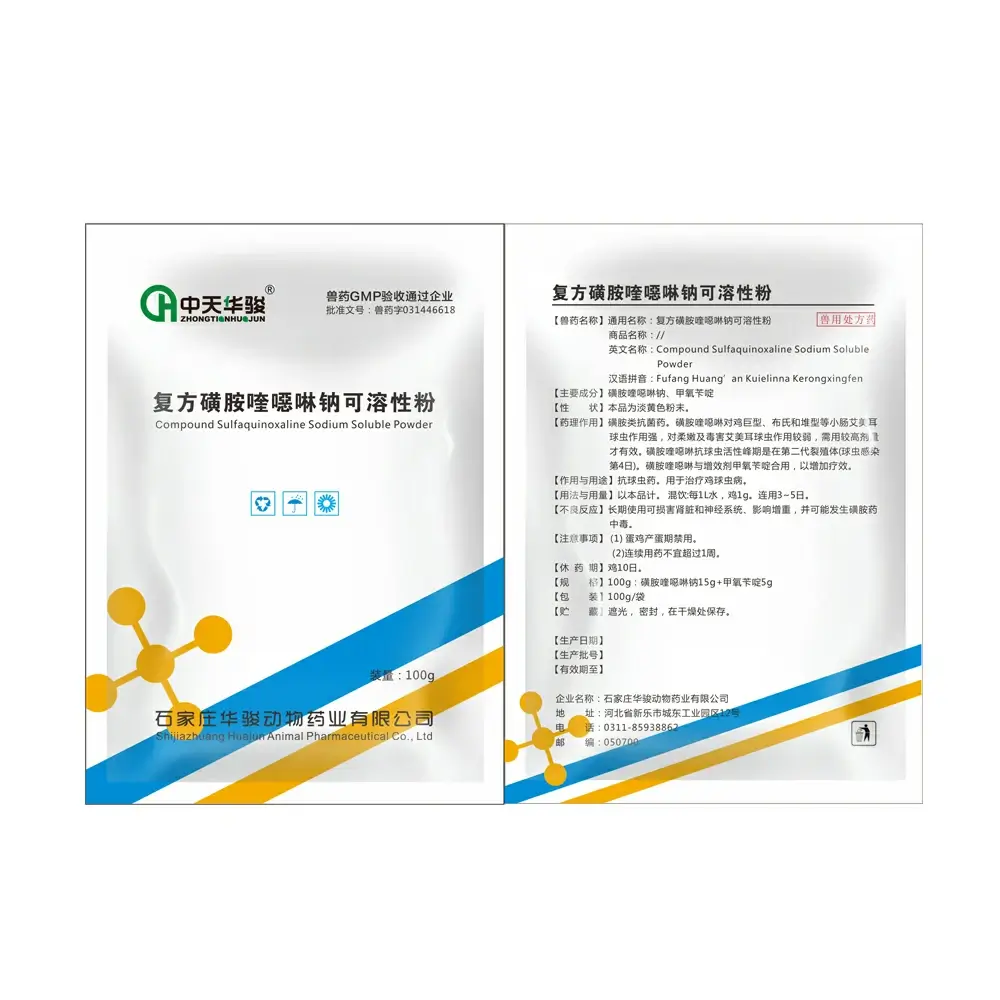
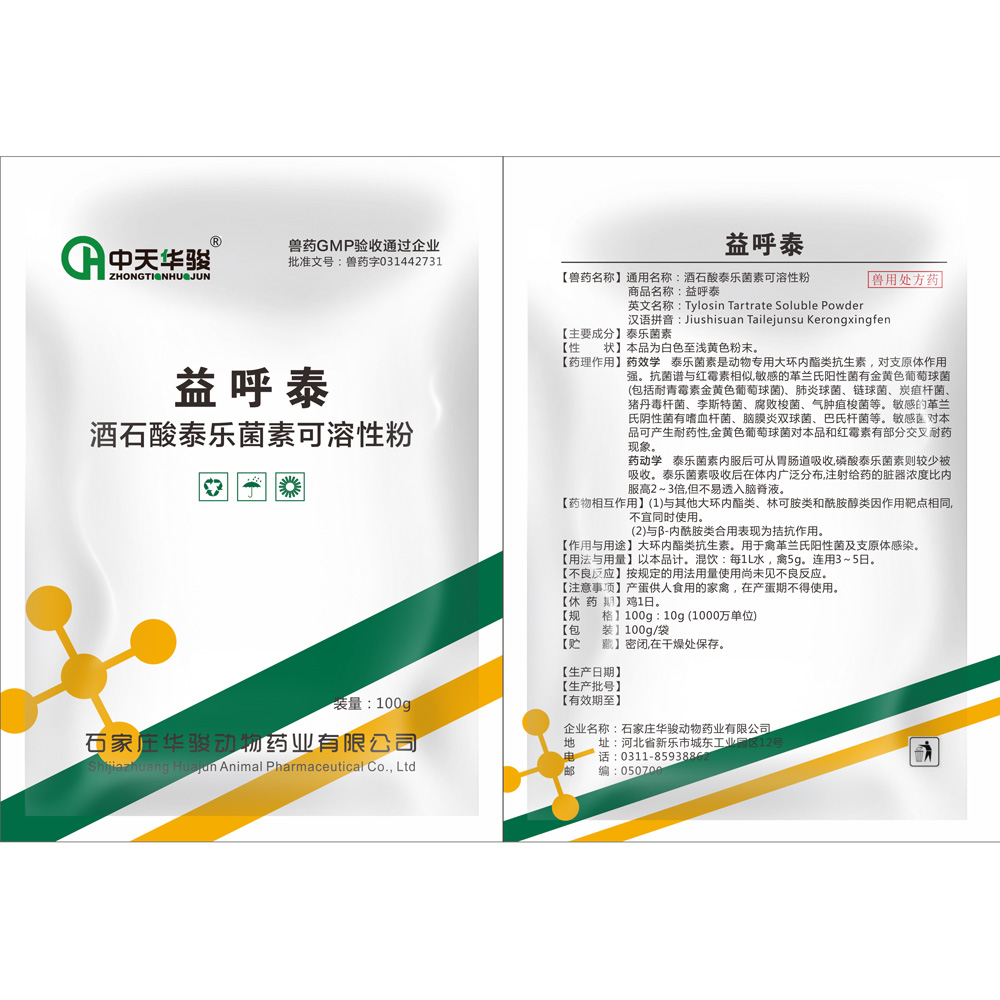
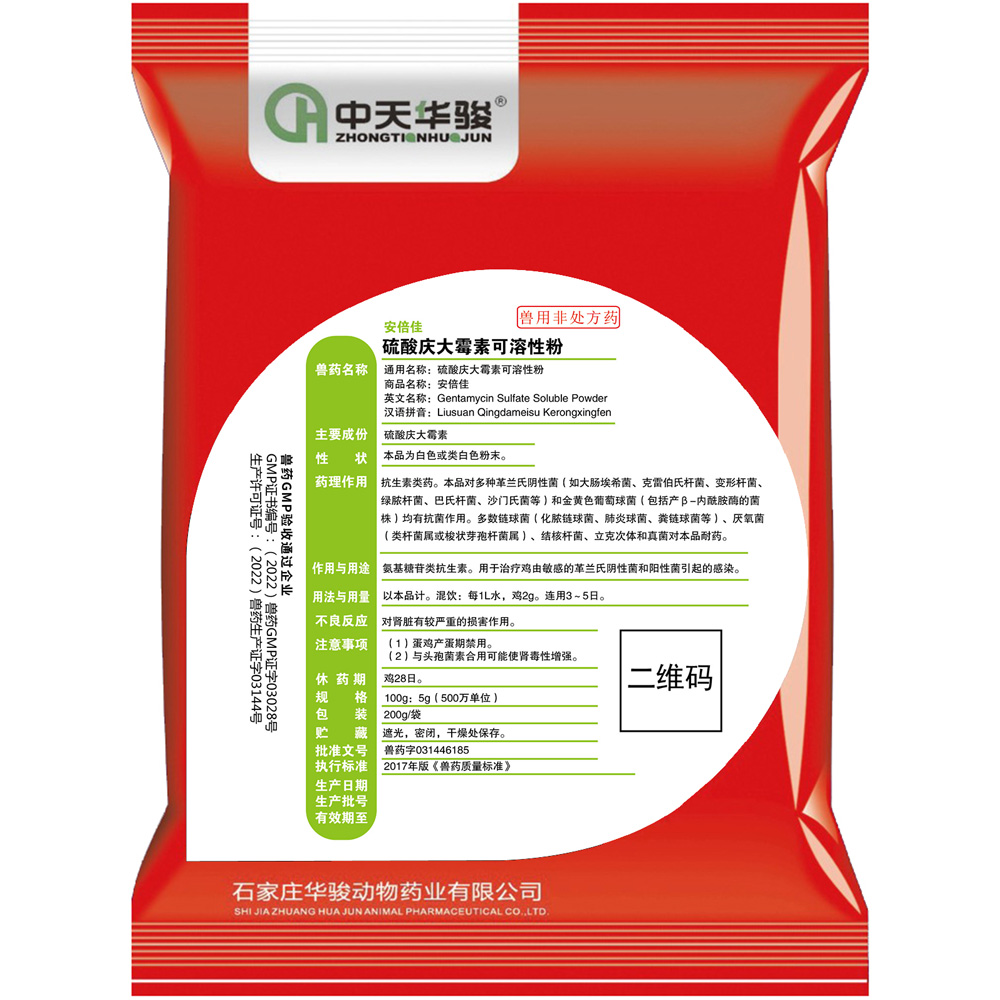
Simultaneously, the reliance on pharmaceutical interventions remains high. The use of sulfonamides for treating bacterial infections is widespread, although there is a growing movement towards stricter regulatory oversight to prevent antimicrobial resistance in the Gulf of Mexico region.

Furthermore, the humid conditions in Mexico's feed storage facilities often lead to fungal contamination. This has made the application of an industrial-grade mildew remover critical for maintaining the integrity of veterinary raw materials and prevent mycotoxin buildup in feed stocks.
Evolution of Aquatic Veterinary Pharma in Mexico

From traditional empirical dosing to precision nutritional supplementation.

Market Development History

During the 1990s and early 2000s, Mexico's aquatic health sector relied heavily on generic antimicrobial agents. The primary focus was on curative treatment rather than preventative nutrition, with limited integration of specialized nutrition fish feed additives.

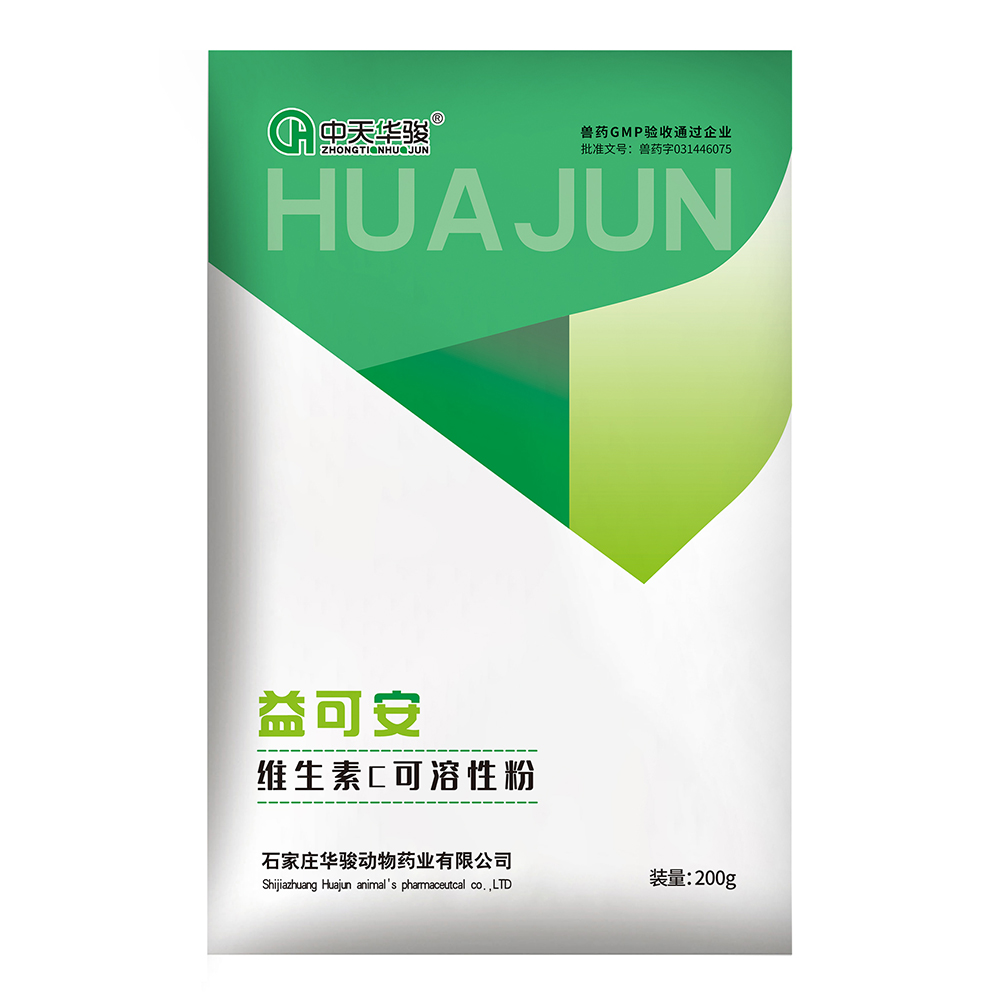
By 2010, a shift occurred toward "Preventative Wellness." Producers began incorporating high-stability vitamin c into diets to enhance immune responses and reduce the frequency of disease outbreaks during seasonal temperature shifts.

From 2018 to the present, the industry has entered the era of "Precision Aquaculture," where pharmaceutical APIs are combined with environmental stabilizers to create a holistic ecosystem that maximizes growth rates while minimizing chemical footprints.

Future Development Trends

Bio-available Micronutrient Integration

Transitioning from basic vitamins to chelated minerals and nano-encapsulated nutrients to increase absorption rates in various water conditions.

Eco-Friendly Pathogen Control

Replacing harsh chemicals with biodegradable stabilizers and targeted antimicrobial peptides to meet North American environmental standards.

Smart Feed Automation

The integration of IoT sensors that trigger the release of specific nutritional supplements based on real-time water quality metrics.

Industry Trends and Future Outlook

Navigating the shift toward sustainable and high-efficacy veterinary chemical manufacturing.

Sustainable API Sourcing
Increasing demand for green chemistry in the production of sulfonamides and other veterinary APIs.
Precision Nutrition
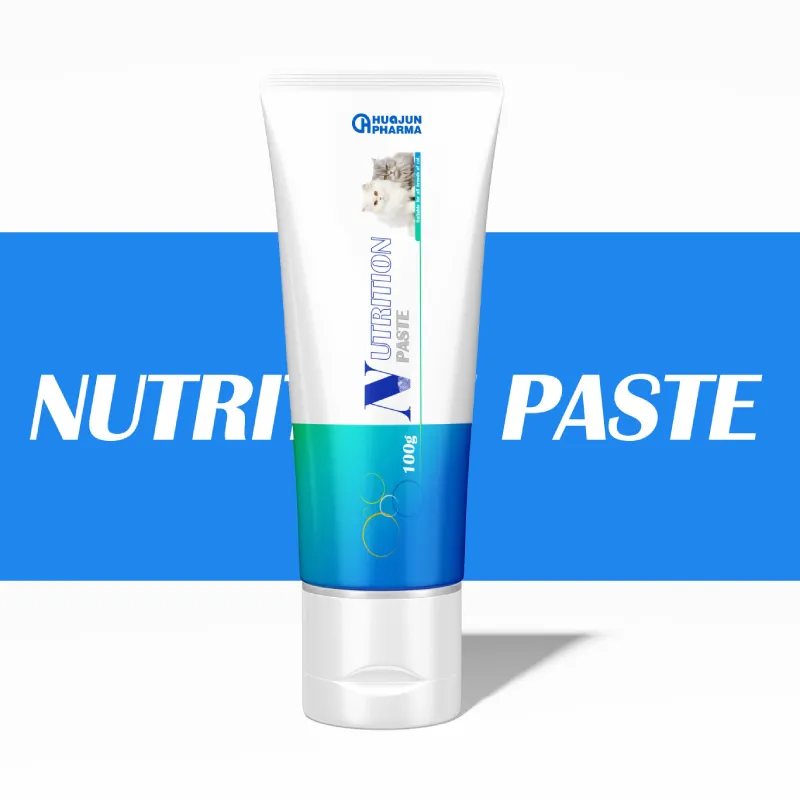
Customized nutrition fish feed formulations tailored to the specific growth stages of Pacific tilapia.
Enhanced Biosecurity
Advanced protocols using specialized mildew removers to sanitize pharmaceutical production lines.
Immune-Modulating APIs
Scaling the production of high-purity vitamin c for stress-induced immunity support.

Industry Outlook

Based on Google search trends in North America, there is a significant increase in queries regarding "antibiotic-free aquaculture" and "water chemistry stability." This indicates a market shift toward preventative chemical agents and high-quality stabilizers over traditional curative antibiotics.

Over the next 3-5 years, we expect Mexico to integrate more US-FDA compliant manufacturing standards, driving the demand for pharmaceutical-grade raw materials that ensure traceability and environmental safety.

Localized Application Scenarios in Mexico

Practical implementation of veterinary chemicals in diverse Mexican aquatic environments.

1. Intensive Shrimp Farming in Sonora

Utilizing specialized water quality stabilizer agents to manage pH spikes in high-density ponds, ensuring shrimp survival during extreme heatwaves.

2. Tilapia Hatcheries in the Yucatan Peninsula

Integrating high-potency vitamin c into the early-stage diet to reduce fry mortality and enhance growth acceleration.

3. Feed Mill Logistics in Central Mexico

Implementing industrial mildew remover protocols in warehouses to protect raw nutrition fish feed from humid-climate mold contamination.

4. Bacterial Outbreak Management in Coastal Lagoons

The precise application of sulfonamides via medicated feed to treat systemic bacterial infections in wild-caught aquaculture hybrids.

5. Export-Grade Quality Control for North American Markets

Combining environmental stabilizers with micronutrient additives to meet the strict residue-free requirements for seafood exported to the United States.

Brand Story

Global Development Journey of Hebei Kuayu Import and Export Trade Co., Ltd.

Foundation and Vision

Established with a mission to bridge the gap between high-end chemical synthesis and practical veterinary application in global aquaculture.

Quality Standardization

Implementing rigorous E-E-A-T standards in our API production to ensure every batch meets international pharmacopeia requirements.

North American Expansion

Developing a specialized logistics network to provide Mexico and the USA with rapid access to critical aquaculture pharmaceutical raw materials.

Innovation in Nutrition

Investing in R&D to transform boring chemical parameters into high-conversion nutritional solutions for the veterinary industry.

Commitment to Sustainability

Leading the transition toward eco-friendly chemical manufacturing to protect the world's aquatic biodiversity.

Common Questions for Mexican Aquaculture Professionals

Expert answers regarding veterinary chemical applications and regulatory compliance.

How does a water quality stabilizer improve shrimp yield in Mexico?

It minimizes pH fluctuations and manages alkalinity, reducing metabolic stress on shrimp, which directly leads to higher survival rates and faster growth cycles.

What is the optimal concentration of vitamin c for tilapia immune support?

Concentrations vary by life stage, but supplementing with stabilized pharmaceutical-grade Vitamin C helps tilapia resist bacterial infections during the rainy season in Mexico.

Are sulfonamides still effective for aquaculture bacterial infections?

Yes, when used under veterinary supervision, they remain powerful tools against specific systemic infections, provided that withdrawal periods are strictly observed.

How to prevent mold in nutrition fish feed stored in humid coastal regions?

Utilizing a professional mildew remover for storage facilities and incorporating anti-fungal agents into the feed formulation prevents mycotoxin contamination.

Which pharmaceutical grade additives are best for export-quality seafood?

Pure API-grade vitamins and non-residual stabilizers are recommended to comply with the stringent import laws of the US and Canadian markets.

Can water quality stabilizers be used in recirculating aquaculture systems (RAS)?

Absolutely. In RAS, stabilizers are essential to maintain the chemical balance of the water as it is reused, preventing the buildup of harmful nitrates.

Partner with the API Experts

Ready to optimize your veterinary pharmaceutical supply chain in Mexico? Contact our technical team for customized formulations.

Contact Us Now

If you are interested in our products, you can choose to leave your information here, and we will be in touch with you shortly.


Asset 3

Need Help?
Drop us a message using the form below.