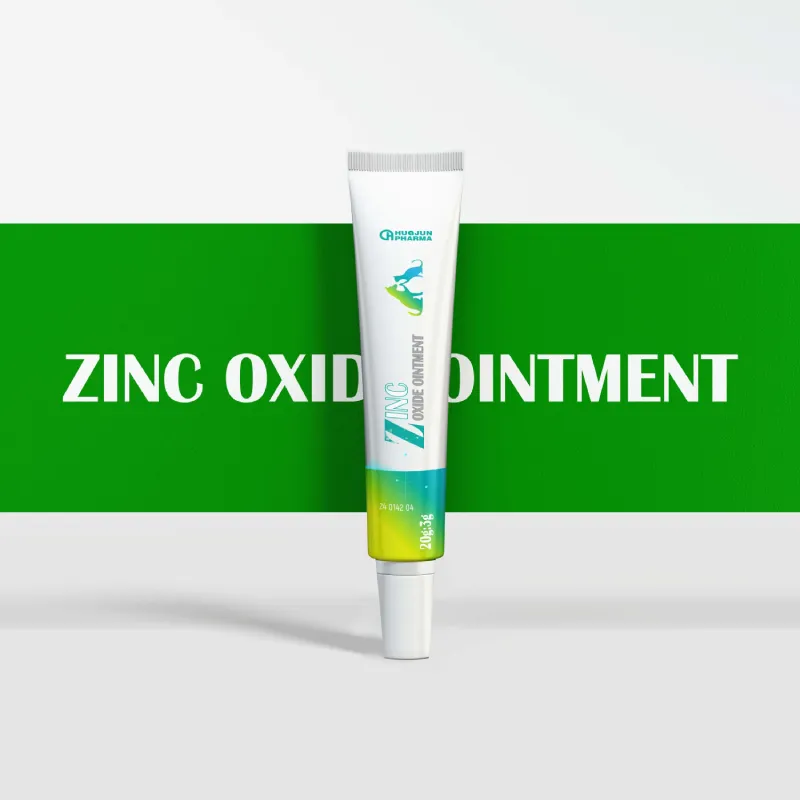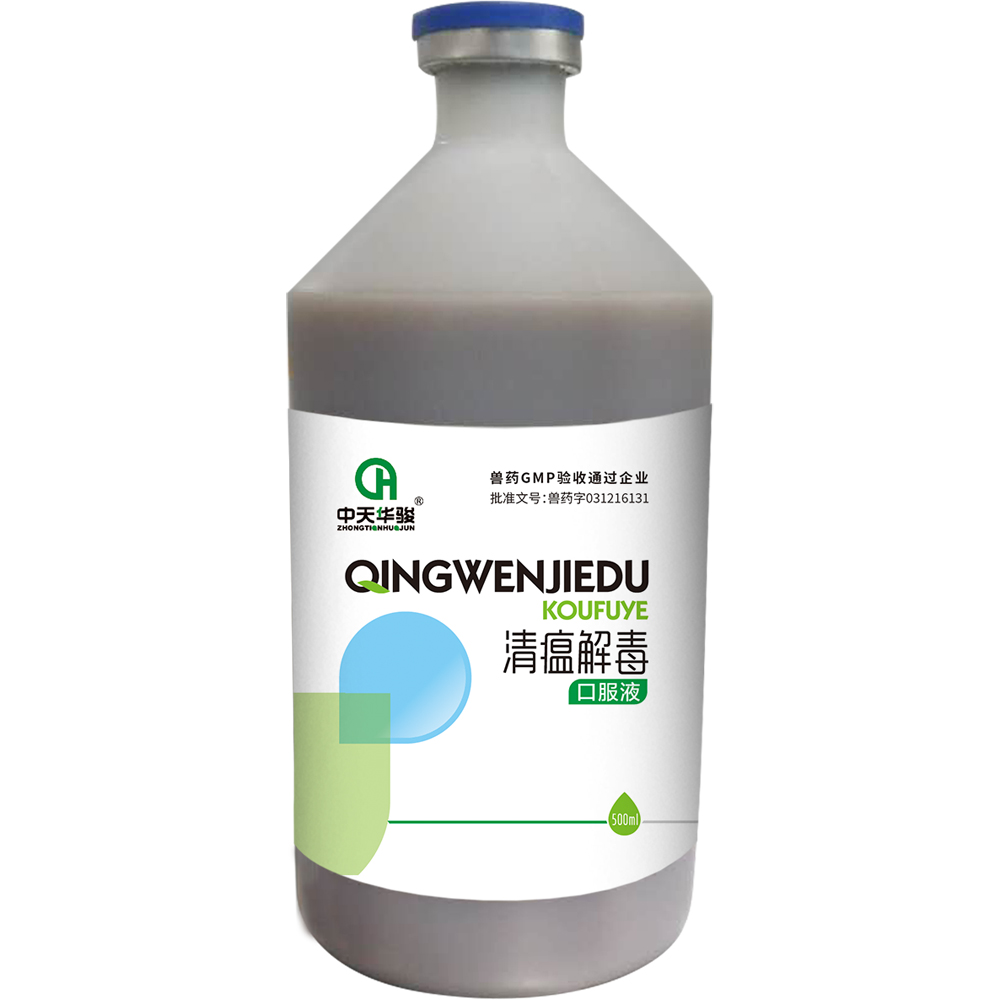
Advanced water quality stabilizer Solutions for Mali Aquaculture

Optimizing veterinary pharmaceutical standards to enhance fish health and yield in West Africa's challenging aquatic environments.

Advanced water quality stabilizer Solutions for Mali Aquaculture

Integrating pharmaceutical-grade additives and nutritional supports to stabilize aquatic ecosystems and prevent disease in Mali's fish farming sector.

Current State of Veterinary Pharma in Mali

Analyzing the intersection of climate volatility and aquatic health management in Mali.

In Mali, the aquaculture industry faces severe challenges due to extreme seasonal temperature fluctuations and high alkalinity in the Niger River basin. The lack of professional nutrition fish feed often leads to stunted growth and increased vulnerability to pathogens among tilapia and catfish populations.

Water management remains a critical pain point. Without a reliable water quality stabilizer, farmers struggle with ammonia spikes and oxygen depletion during the hot season, which directly triggers mass mortality events across rural ponds.

Furthermore, the prevalence of bacterial infections necessitates the cautious use of sulfonamides. However, the market currently suffers from a shortage of high-purity API (Active Pharmaceutical Ingredients), leading to inconsistent treatment efficacy and antibiotic resistance.
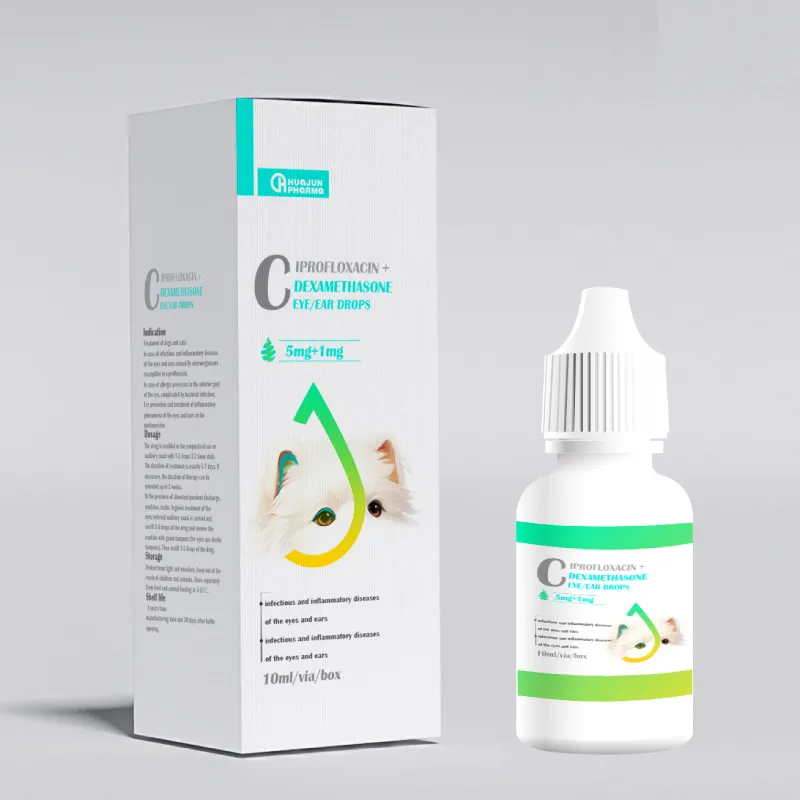
Evolution of Aquatic Pharmaceutical Tech

From traditional organic supplements to precision biochemical interventions.

Market Development History

Prior to 2010, Mali's fish farming relied primarily on traditional methods with minimal chemical intervention, utilizing raw agricultural by-products for feeding and basic water changes for hygiene.

Between 2010 and 2020, the introduction of basic vitamin c supplementation began to improve fish immunity, shifting the focus from mere survival to growth optimization and stress reduction.

Since 2021, the industry has pivoted toward "Prevention First." This era is marked by the adoption of pharmaceutical-grade mildew remover agents to sanitize equipment and the use of stabilized APIs for targeted therapeutic interventions.

Future Development Trends

Precision Nutritional Integration

Movement toward micro-encapsulated vitamins and minerals that ensure steady release in tropical water conditions.

Bio-Secure Water Management

Shift from reactive treatment to proactive stabilization using complex organic polymers to maintain pH balance.

Green Pharmacy Standards

Reducing the environmental footprint of sulfonamides through higher purity grades that minimize residue in the water table.

Industry Trends and Future Outlook

Projecting the trajectory of veterinary pharma in West Africa's aquatic sector.

Immunological Boosting
Widespread adoption of high-stability Vitamin C to combat thermal stress in Mali's ponds.
API Purity Standards
Strict transition to pharmaceutical-grade raw materials for all antibiotic treatments.
Automated Dosing
Integration of smart delivery systems for water stabilizers to maintain equilibrium.
Sustainable Feed
Developing local-sourced protein bases enriched with synthetic vitamins for cost-efficiency.

Industry Outlook

Based on Google search trends for "aquaculture pharmaceuticals Africa," there is a rising demand for integrated health solutions. We anticipate a 15% annual increase in the adoption of scientific water stabilization techniques in Mali as farmers shift from subsistence to commercial scales.

The future will be dominated by the "One Health" approach, where the purity of veterinary drugs like sulfonamides is monitored to ensure the safety of the food chain and the preservation of the Niger River's ecological health.

Localized Application Scenarios in Mali

Practical implementations of pharmaceutical solutions in Malian aquaculture.

1. Heat-Stress Mitigation in Bamako Ponds

Applying stabilized vitamin c during peak temperature months to reduce cortisol levels in tilapia and prevent secondary fungal infections.

2. Algal Bloom Control in the Niger Delta

Utilizing a high-efficiency water quality stabilizer to neutralize pH swings and prevent ammonia toxicity in high-density catfish farms.

3. Bacterial Outbreak Response

Implementing targeted sulfonamides treatments to treat systemic bacterial infections during the transition from rainy to dry seasons.

4. Hatchery Bio-Sanitization

Using industrial mildew remover for the deep cleaning of breeding tanks and oxygenation equipment to ensure a sterile environment for fry.

5. Growth Acceleration Programs

Integrating pharmaceutical-grade nutrition fish feed additives to maximize the Feed Conversion Ratio (FCR) in commercial aquaculture hubs.

Brand Story

Global Development Journey of Hebei Kuayu Import and Export Trade Co., Ltd.

Foundation of Excellence

Established with a vision to bridge the gap between high-end chemical synthesis and practical agricultural application.

Quality Standardization

Achieving global pharmaceutical certifications to ensure every batch of API meets stringent purity requirements.

Strategic African Expansion

Identifying Mali as a key hub for aquaculture growth and tailoring products for tropical climates.

Technological Innovation

Developing advanced stabilization formulas that withstand extreme environmental degradation.

Sustainable Future

Committed to eradicating food insecurity in West Africa through scientific veterinary medicine.

Common Aquaculture Questions in Mali

Expert answers to technical challenges faced by local fish farmers.

How to choose the right nutrition fish feed for tilapia in Mali?

Focus on feeds with high protein bioavailability and integrated Vitamin C to support growth during high-temperature periods common in the Bamako region.

What is the best dosage for a water quality stabilizer in tropical ponds?

Dosage depends on pond volume and pH levels; however, we recommend a gradual introduction to avoid shocking the fish, monitored by daily alkalinity tests.

Are sulfonamides safe for long-term use in catfish farming?

Sulfonamides should only be used for acute bacterial infections. Precise dosage and withdrawal periods are essential to ensure food safety for consumers.

How can Vitamin C reduce mortality rates during the rainy season?

Vitamin C strengthens the mucosal barrier and boosts the immune system, making fish more resilient to the sudden water quality drops seen in Mali's rainy season.

Which mildew remover is most effective for pond equipment?

Pharmaceutical-grade mildew removers that are biodegradable and non-toxic to fish after rinsing are the best choice for maintaining hygienic hatcheries.

How to prevent antibiotic resistance when using veterinary drugs in Mali?

Avoid under-dosing and always use high-purity APIs. Rotating treatment strategies and improving general water stability can reduce the need for antibiotics.

Connect With Our Pharma Experts

Get customized veterinary pharmaceutical solutions for your aquaculture business in Mali.

Contact Us Now

If you are interested in our products, you can choose to leave your information here, and we will be in touch with you shortly.


Asset 3

Need Help?
Drop us a message using the form below.