Advanced Veterinary Pharmaceutical Solutions for water quality stabilizer in Zambia

Empowering Zambian aquaculture and livestock sectors with high-purity raw materials to ensure food security and animal health across the region.

Advanced Veterinary Pharmaceutical Solutions for water quality stabilizer in Zambia

Integrating precision chemistry and veterinary science to provide the essential raw materials required for sustainable livestock and fish farming in the Zambian heartland.

The Current Landscape of Veterinary API Production in Zambia

Analyzing the intersection of tropical climate challenges and aquaculture growth.

Zambia's veterinary pharmaceutical sector is currently navigating a transition from basic import-reliance to targeted local application. With the expansion of tilapia and catfish farming, there is a critical demand for high-quality nutrition fish feed additives to combat slow growth rates caused by seasonal nutrient fluctuations.

The regional climate, characterized by high humidity and temperature swings, creates a breeding ground for fungal pathogens. This has made the demand for a professional mildew remover essential not only for facility maintenance but for protecting raw material warehouses from contamination.

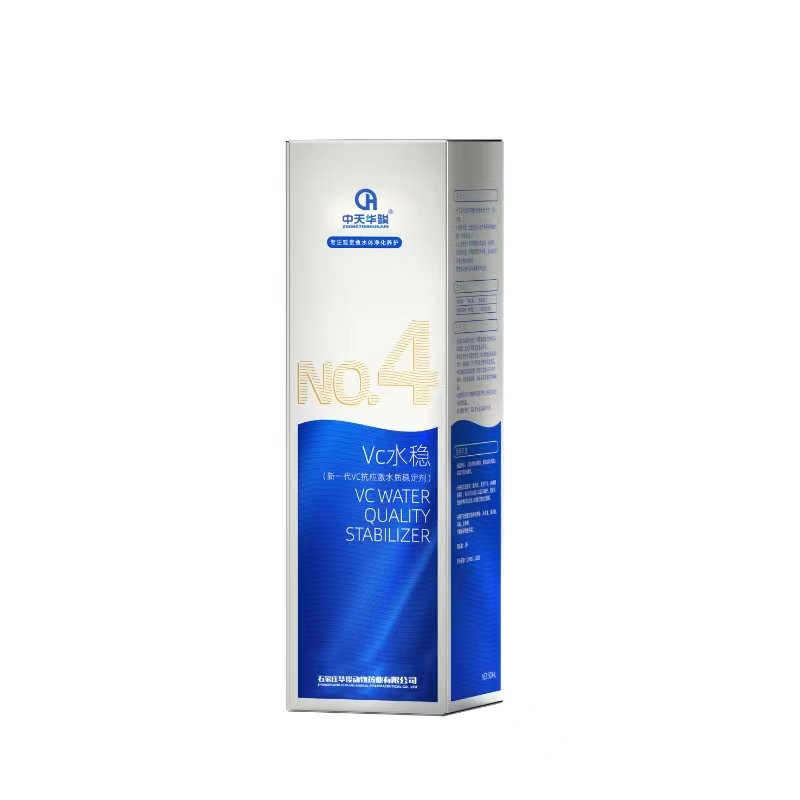
Furthermore, the volatility of water pH levels in Zambian ponds requires a sophisticated water quality stabilizer to prevent mass mortality events, highlighting the urgent need for stable, pharmaceutical-grade chemical precursors.

Evolution and Trajectory of Zambia's Animal Health Industry

From traditional supplements to precision pharmacological interventions.

Market Development History

In the early 2000s, the Zambian market relied heavily on generic, broad-spectrum supplements with limited purity standards. The focus was primarily on survival rather than optimization, using basic mineral mixes for livestock.

Between 2010 and 2020, the industry shifted toward targeted therapeutic agents. The introduction of stabilized sulfonamides allowed farmers to treat specific bacterial infections in poultry and cattle more effectively, reducing overall mortality rates.

Currently, the market has entered the "Precision Era," where the focus is on bioavailability and synergistic effects, such as combining vitamin c with immune boosters to enhance the stress resistance of animals during transport and climate shifts.

Future Development Trends

Biosecurity Integration

Increasing adoption of rigorous sanitation protocols using medical-grade disinfectants to prevent cross-border disease transmission.

Nutritional Optimization

Transitioning toward nano-encapsulated nutrients in fish feed to improve absorption and reduce waste in water bodies.

Regulatory Harmonization

Aligning Zambian veterinary standards with international GMP (Good Manufacturing Practices) to facilitate the export of animal proteins.

Industry Trends and Future Outlook for Zambian Vet-Pharma

Forecasting the technological shift in raw material procurement and application.

Eco-Friendly Stabilizers
Moving toward biodegradable water stabilizers that maintain pH without harming the local aquatic ecosystem.
Antibiotic Stewardship
Implementing controlled usage of sulfonamides to prevent antimicrobial resistance in livestock.
Fortified Feed Systems
Integration of stable Vitamin C derivatives into feed to enhance immune response in heat-stressed animals.
Smart Hygiene Tech
Development of slow-release antimicrobial agents for long-term facility protection against molds.

Industry Outlook

Based on search trend analysis for the Southern African region, there is a significant uptick in queries regarding "sustainable aquaculture" and "antibiotic-free livestock." This indicates that the Zambian market is moving toward preventative care rather than reactive treatment.

We predict that the next 3-5 years will see a surge in the demand for high-purity additives that allow for the reduction of traditional antibiotics, placing a premium on the quality of raw material synthesis and stability.

Localized Application Scenarios in Zambia

Real-world implementations of veterinary chemical solutions in the local environment.

1. Tilapia Pond Stabilization in Luapula Province

Utilizing water quality stabilizer to maintain optimal alkaline levels during the rainy season, preventing sudden pH drops that lead to fish stress.

2. Poultry Health Management in Lusaka

Integrating vitamin c into feed programs during the peak summer months to reduce heat-stress mortality in broiler chickens.

3. Cattle Respiratory Treatment in Southern Province

Applying precise dosages of sulfonamides to combat bacterial pneumonia in beef cattle during the transition to the cooler season.

4. Feed Mill Storage Protection

Applying specialized mildew remover and preventatives in large-scale feed warehouses to stop aflatoxin contamination in grain stocks.

5. Intensive Catfish Growth Programs

Developing high-protein nutrition fish feed tailored for fast-growth cycles in intensive pond systems across the Copperbelt.

Brand Story

Global Development Process of Hebei Kuayu Import and Export Trade Co., Ltd.

Foundational Excellence

Established with a vision to bridge the gap between high-end chemical synthesis and practical agricultural application on a global scale.

Quality Standardization

Investing in rigorous quality control systems to ensure every batch of veterinary API meets international pharmacopeia standards.

African Market Expansion

Strategically expanding into Zambia and neighboring regions to solve specific tropical veterinary challenges through tailored chemical solutions.

Technological Innovation

Developing advanced stabilization techniques for vitamins and antibiotics to ensure efficacy in high-temperature logistics chains.

Sustainable Mission

Dedicated to enhancing global food security by providing the building blocks for healthier livestock and more efficient aquaculture.

Comprehensive Veterinary Chemical Portfolio for Zambia

A one-stop supply chain for pharmaceutical-grade raw materials catering to the Zambian agricultural sector.

Common Questions Regarding Vet-Pharma in Zambia

Expert answers to the most pressing technical challenges faced by local producers.

How does a water quality stabilizer improve tilapia yields in Zambia?

It prevents rapid fluctuations in pH and alkalinity, which reduces fish stress and prevents gill damage, leading to faster growth and lower mortality rates in pond systems.

What is the best way to integrate Vitamin C into fish feed for heat stress?

Using stabilized, coated forms of Vitamin C ensures the nutrient survives the pelleting process and remains bioavailable in the fish's gut despite high ambient water temperatures.

Can sulfonamides be used for both poultry and cattle in Zambian farms?

Yes, sulfonamides are broad-spectrum agents effective against various bacterial infections in both species, though dosages must be carefully managed to avoid resistance.

How effective is a commercial mildew remover in humid feed warehouses?

Professional grade removers eliminate existing fungal spores and leave a protective residue that inhibits regrowth, which is critical for preventing mycotoxins in animal feed.

What are the key components of high-performance nutrition fish feed?

Balanced protein sources, essential amino acids, and precision-added vitamins and minerals that are tailored to the specific life stage of the fish species.

How to ensure the stability of veterinary APIs during transport to Zambia?

By using vacuum-sealed, UV-protected packaging and climate-controlled shipping to prevent degradation of sensitive molecules like vitamins and antibiotics.

Get Professional Technical Support

Our experts are ready to help you optimize your pharmaceutical procurement and application in Zambia.

Contact Us Now

If you are interested in our products, you can choose to leave your information here, and we will be in touch with you shortly.


Asset 3

Need Help?
Drop us a message using the form below.