
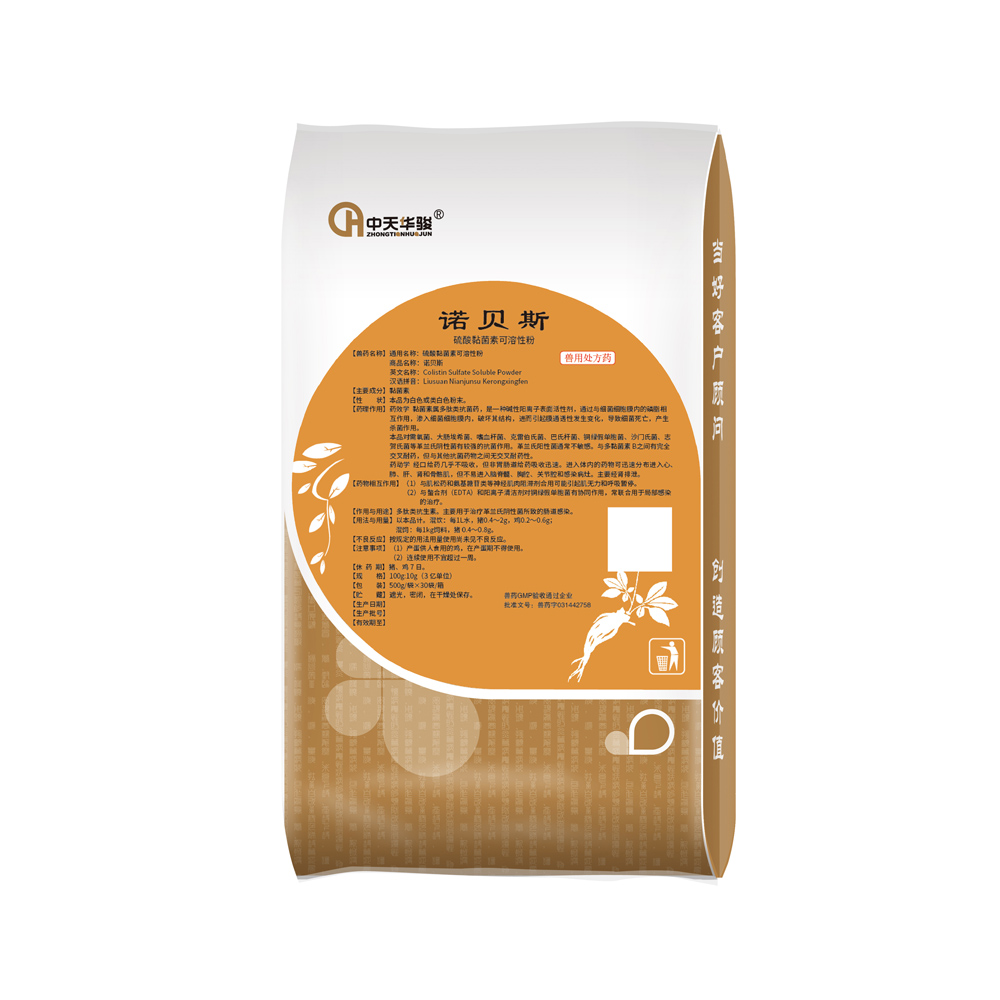
Advanced Aqua-Veterinary Solutions for water quality stabilizer in India

Empowering Indian aquaculture with high-purity API raw materials to ensure sustainable growth and disease prevention.

Advanced Aqua-Veterinary Solutions for water quality stabilizer in India

Integrating pharmaceutical-grade chemical synthesis with veterinary precision to optimize the Indian aquaculture yield and animal health.

Current State of India's Veterinary API Market

Analyzing the intersection of tropical climate challenges and pharmaceutical demands.

India's aquaculture sector faces significant pressure due to the tropical monsoon climate and high humidity, which often lead to rapid degradation of pond environments. The demand for a high-performance water quality stabilizer has surged as farmers shift from extensive to intensive farming systems in coastal states like Andhra Pradesh.

Furthermore, the prevalence of bacterial infections in shrimp and tilapia populations has necessitated the consistent use of sulfonamides. However, the market is currently transitioning from generic low-purity imports to high-stability API raw materials to combat antimicrobial resistance.

Nutritional deficiencies remain a silent productivity killer. There is a growing awareness among Indian manufacturers regarding the integration of vitamin c to enhance immunity and the use of nutrition fish feed additives to optimize growth rates in varying salinity levels.
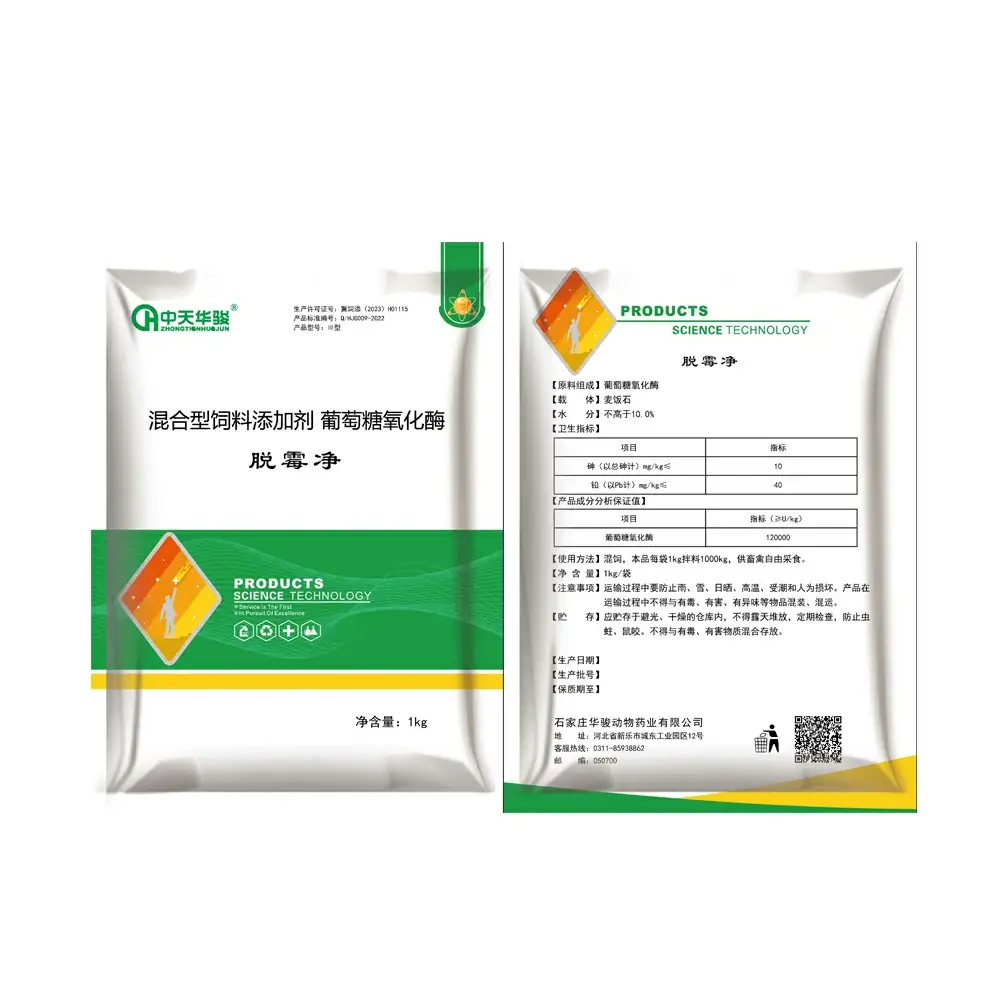
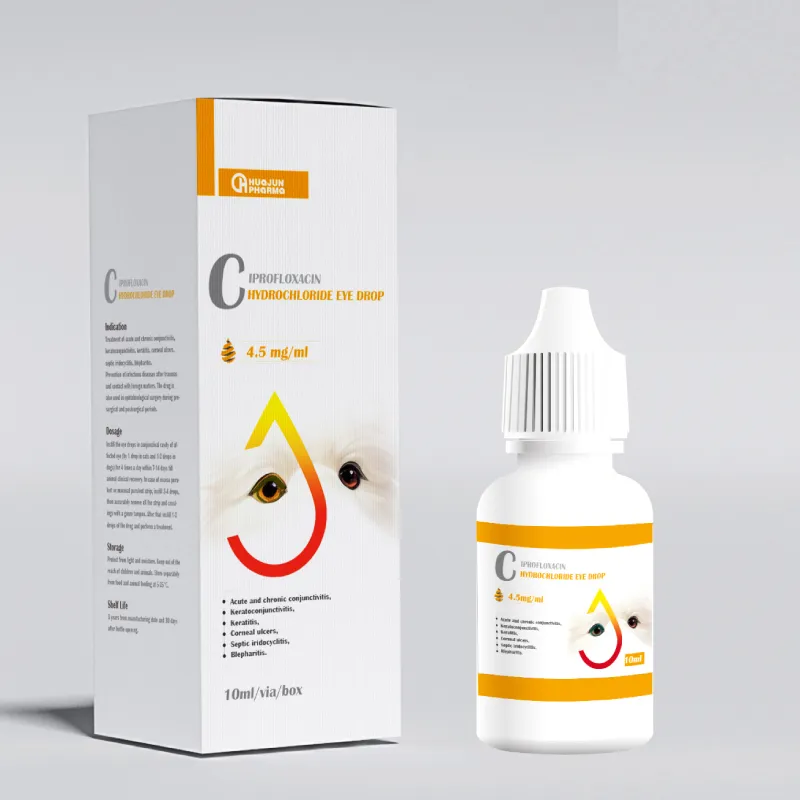
Technical Evolution and Development Trajectory

From traditional additives to precision pharmaceutical interventions.

Market Development History

In the early 2000s, the Indian market relied heavily on crude mineral supplements. The focus was purely on bulk growth, with little regard for the chemical stability of the water or the precise pharmacological purity of the additives used.

Between 2010 and 2020, a shift toward "Preventative Medicine" occurred. The industry began integrating standardized sulfonamides for targeted treatment and introduced stabilized vitamin c to reduce stress-induced mortality during temperature fluctuations.

From 2021 to the present, the trajectory has moved toward "Bio-Security and Pure Chemistry." This includes the adoption of professional-grade mildew remover agents for facility sterilization and high-precision nutrients for specialized species.

Future Development Trends

Nano-Encapsulated Delivery

Moving toward nano-scale delivery of vitamins and minerals to ensure maximum absorption in nutrition fish feed, reducing waste and environmental runoff.

Eco-Friendly Water Management

Development of biodegradable stabilizers that maintain pH levels without leaving harmful chemical residues in the aquatic ecosystem.

Targeted API Synthesis

Shifting from broad-spectrum chemicals to tailored API molecules that provide higher efficacy with lower dosages to ensure global export compliance.

Industry Trends & Future Outlook (2024-2029)

Predicting the shift toward sustainable pharmaceutical chemistry in aquaculture.

Green Chemistry Integration
Reducing toxic synthesis by-products in the manufacture of veterinary APIs to meet EU and US export standards.
Digital Feed Precision
AI-driven nutrient adjustment allowing for real-time customization of vitamin and mineral ratios in fish feed.
AMR Mitigation Strategy
Developing synergistic API combinations to reduce the reliance on single-agent sulfonamides and prevent bacterial resistance.
Automated Sanitization
Transitioning from manual to automated dosing systems for water stabilizers and facility cleaning agents.

Industry Outlook

The Indian pharmaceutical market for veterinary aquaculture is expected to grow at a CAGR of 6.5% over the next five years. This growth is driven by the "Blue Revolution" policy and the increasing demand for high-quality seafood in the global market.

Google search trends indicate a significant rise in queries related to "antibiotic-free aquaculture" and "sustainable fish nutrition," signaling a pivot toward high-purity additives and preventive chemistry over reactive antibiotic treatments.

Local Application Scenarios in India

Practical deployment of API solutions across diverse Indian aquatic environments.

1. Intensive Shrimp Farming in Andhra Pradesh

Applying high-stability water quality stabilizer to manage ammonia spikes in high-density ponds during the pre-monsoon heat.

2. Tilapia Hatcheries in West Bengal

Integrating precision nutrition fish feed enriched with pharmaceutical-grade minerals to accelerate fry growth and survival rates.

3. Bacterial Outbreak Control in Kerala

Utilizing purified sulfonamides to treat systemic bacterial infections in ornamental fish and commercial aquaculture stocks.

4. Stress Management during Transport

Adding concentrated vitamin c to transport water to lower cortisol levels and prevent mortality during long-distance logistics across states.

5. Facility Bio-Security in Industrial Hubs

Implementing professional mildew remover protocols in feed warehouses to prevent fungal contamination of organic raw materials.

Brand Story

Global Development History of Hebei Kuayu Import and Export Trade Co., Ltd.

Foundation of Excellence

Established as a specialist in chemical raw materials, we focused on the purity of APIs to solve the basic stability issues of veterinary medicines.

Expanding the Horizon

Diversified into the veterinary aquaculture sector, recognizing the critical need for stabilizers and nutrition in emerging markets like Asia.

Quality Standardization

Implemented rigorous ISO and GMP-aligned quality control to ensure that every batch of raw material meets international pharmaceutical standards.

Strategic Global Partnership

Built a robust supply chain network connecting high-capacity manufacturing with local distributors in India to reduce lead times and costs.

Mission for Sustainability

Dedicated to eliminating veterinary toxicity and enhancing food security through the provision of pure, effective, and sustainable API solutions.

Comprehensive API Portfolio for India

A complete range of raw materials tailored for the Indian veterinary and aquaculture industry.

Frequently Asked Questions in India

Expert answers to technical queries regarding veterinary raw materials.

How does a high-purity water quality stabilizer affect shrimp growth?

A high-purity stabilizer maintains a constant pH and reduces ammonia toxicity, which minimizes stress on the shrimp, allowing them to allocate more energy to growth rather than homeostasis.

What is the ideal dosage of vitamin c for fish feed in tropical climates?

In tropical climates like India, increased dosages of stabilized vitamin c are recommended during summer months to counteract oxidative stress and improve immune response.

Are sulfonamides still effective against current aquatic bacterial strains?

Yes, but efficiency depends on purity. Pharmaceutical-grade sulfonamides with high solubility are more effective at reaching target tissues and reducing the risk of resistance.

How to prevent mold in nutrition fish feed storage?

Regular application of a professional mildew remover in the storage facility combined with moisture-control packaging is essential to prevent mycotoxin contamination.

What is the difference between technical grade and pharma grade API for aquaculture?

Pharma grade APIs have strictly controlled impurity profiles and higher bioavailability, ensuring predictable results and reducing the risk of secondary toxicity in fish.

Can water quality stabilizers be used in recirculating aquaculture systems (RAS)?

Absolutely. In RAS, the need for precise stabilization is even higher due to the closed-loop nature of the system, making high-purity stabilizers indispensable.

Partner with the API Experts

Ready to optimize your veterinary production? Get in touch with our technical team for customized solutions in India.

Contact Us Now

If you are interested in our products, you can choose to leave your information here, and we will be in touch with you shortly.


Asset 3

Need Help?
Drop us a message using the form below.