
Advanced Aquaculture Solutions with water quality stabilizer for Myanmar

Empowering Myanmar's aquatic livestock sector with pharmaceutical-grade additives and veterinary raw materials to enhance yield and disease resistance.

Advanced Aquaculture Solutions with water quality stabilizer for Myanmar

Our specialized pharmaceutical chemical range provides essential nutrients and therapeutic agents tailored for the humid tropical climate and aquaculture needs of Myanmar.

Current State of Veterinary API Usage in Myanmar

Analyzing the intersection of tropical aquaculture and chemical pharmaceutical demands.

Myanmar's aquaculture industry, particularly in the Delta and Central Dry Zone regions, faces significant challenges due to fluctuating water temperatures and monsoon-driven salinity changes. The reliance on high-quality nutrition fish feed has become critical as farmers transition from traditional ponds to intensive farming systems.

High humidity levels in the region often lead to storage issues, making the use of an effective mildew remover and antifungal agents essential for maintaining the integrity of raw material stocks in pharmaceutical warehouses.

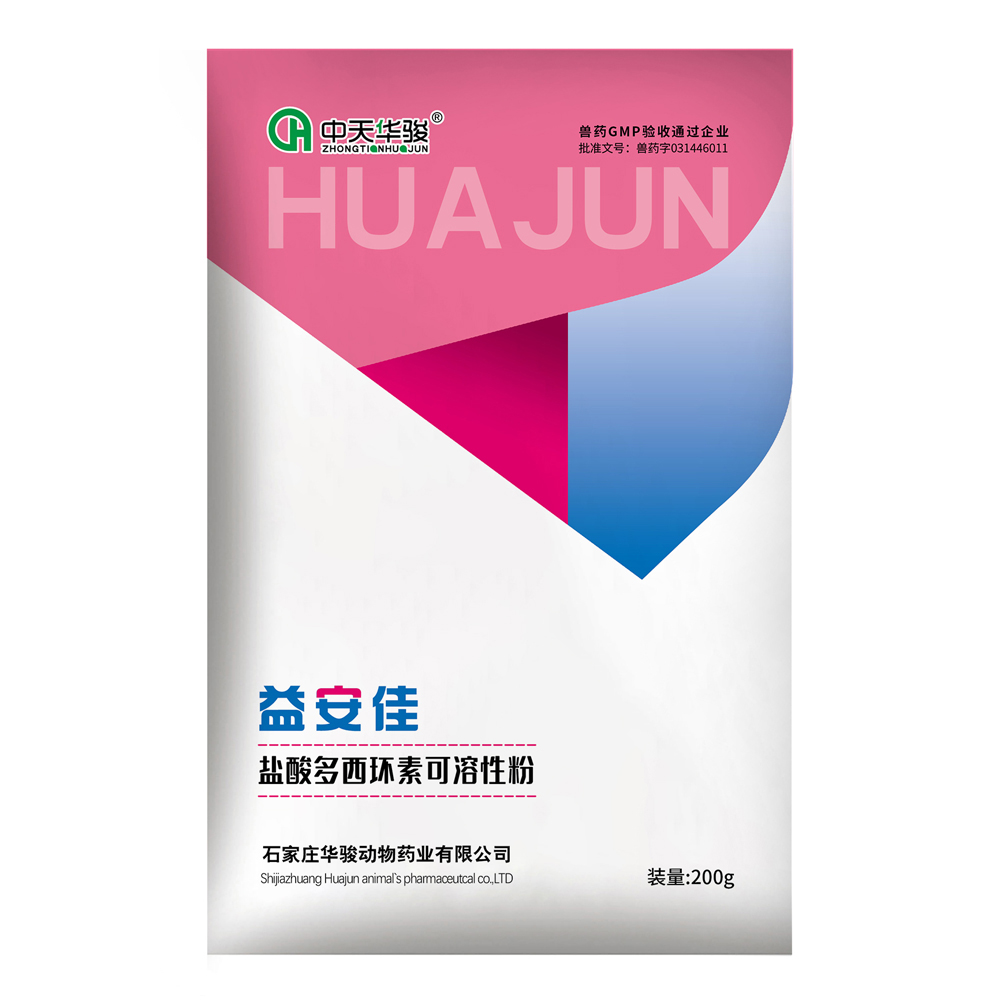
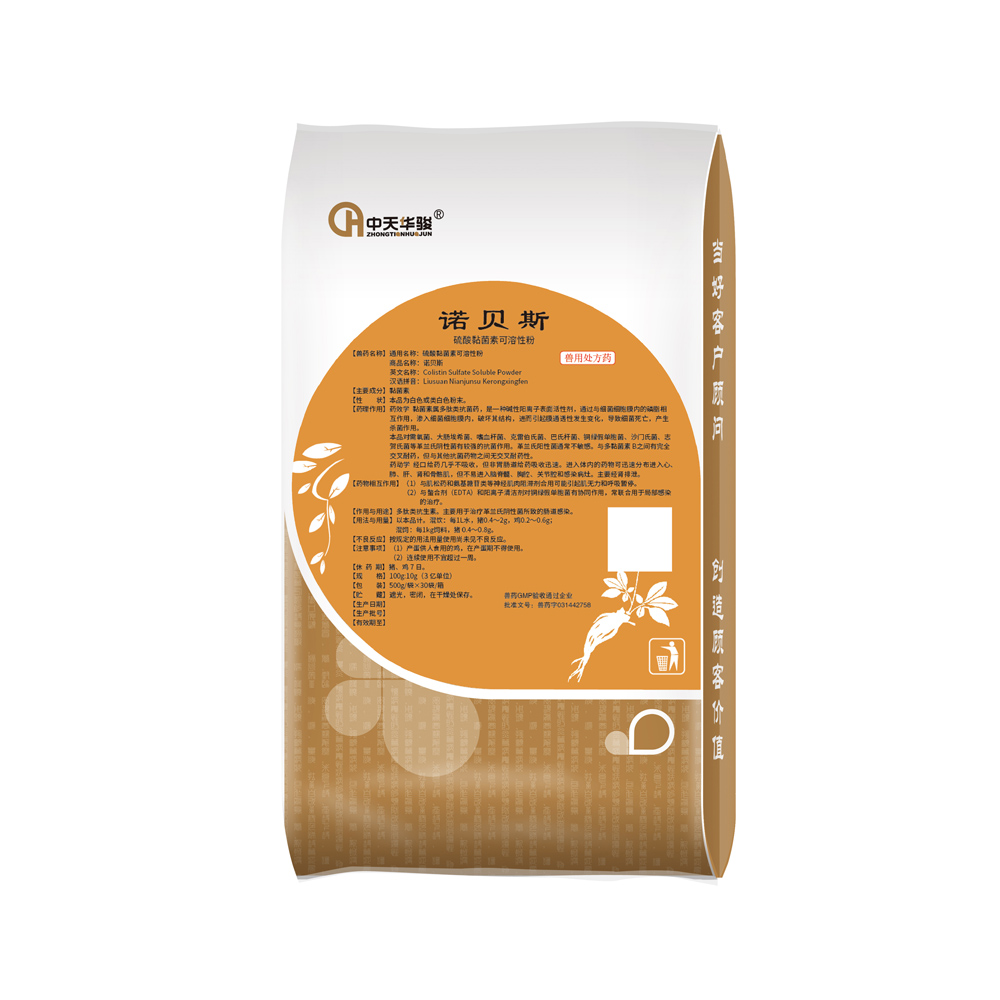
Furthermore, the prevalence of bacterial infections in tilapia and shrimp farms has led to an increased demand for pharmaceutical-grade sulfonamides to manage systemic infections, although there is a growing shift toward preventative nutritional fortification.
Evolution of Veterinary Chemical Application in Myanmar

From basic supplementation to precision pharmaceutical interventions.

Market Development History

Prior to 2010, the Myanmar veterinary sector relied heavily on rudimentary feed additives and imported finished products with little focus on the purity of the active pharmaceutical ingredients (APIs).

Between 2011 and 2020, the market witnessed a technical iteration where the integration of vitamin c became standard practice to reduce stress in fish during the peak heat seasons of April and May.

From 2021 to the present, the focus has shifted toward "Precision Aquaculture," where water chemistry is managed via advanced stabilizing agents to create an optimal biological environment for rapid growth.

Future Development Trends

Bio-available Nutrient Delivery

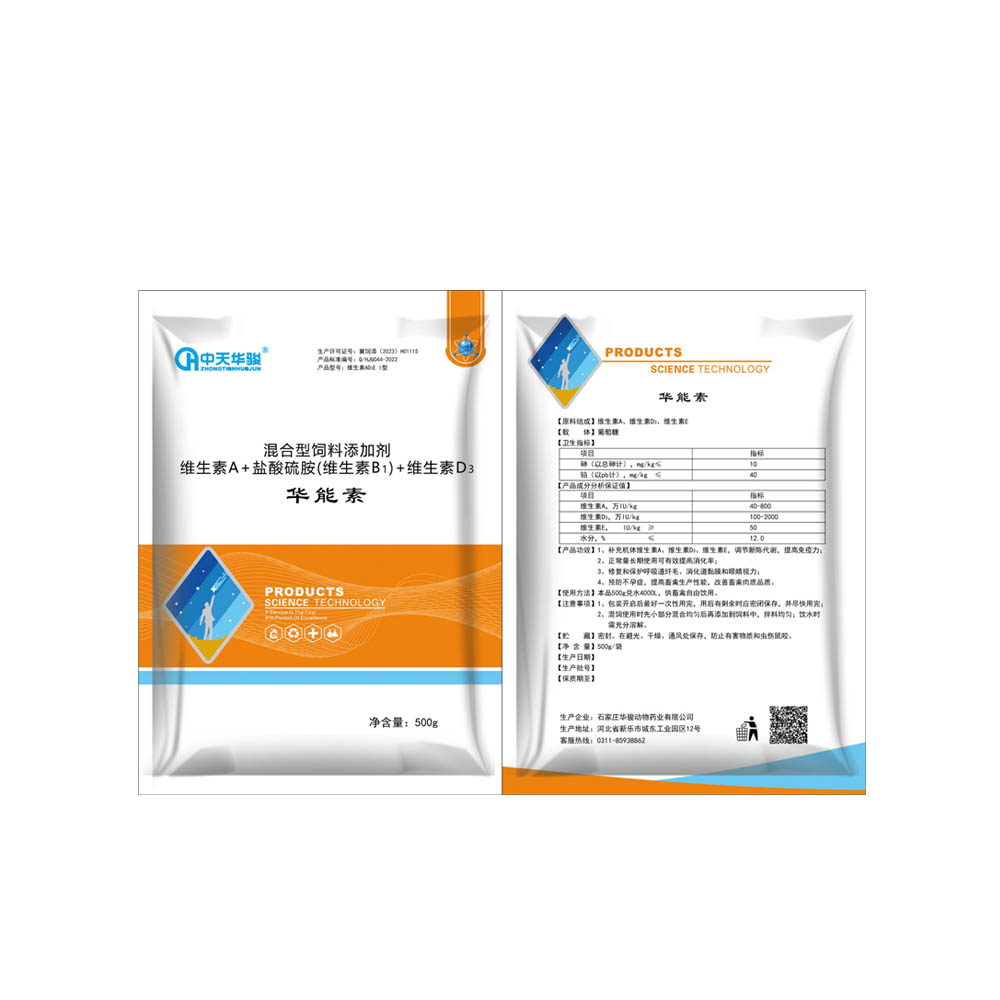
Expect a move toward chelated minerals and encapsulated vitamins to ensure maximum absorption in high-temperature waters.

Eco-Friendly Water Management

Increasing adoption of biodegradable stabilizers to meet international export standards for seafood from Myanmar.

Antibiotic Stewardship

A transition from broad-spectrum use to targeted API applications to prevent antimicrobial resistance in local aquatic species.

Industry Outlook and Future Projections

Analyzing the trajectory of pharmaceutical chemical needs in Southeast Asia.

Nutritional Optimization
Shift toward high-density nutrient profiles to reduce the farming cycle time.
Water Chemistry Control
Automation of water stability agents to maintain pH and oxygen levels.
Disease Prevention
Increasing demand for preventive vitamins over reactive antibiotics.
Supply Chain Resilience
Establishing direct API pipelines to reduce reliance on fragmented middle-men.

Industry Outlook

Based on Google search trends for aquaculture in SE Asia, there is a sharp increase in queries related to "sustainable fish farming" and "water quality management." This indicates that the Myanmar market is maturing toward a science-based approach.

Over the next 3-5 years, the integration of pharmaceutical raw materials into customized feed premixes will likely dominate the market, reducing the direct application of medicines in ponds to align with global food safety certifications.

Localized Application Scenarios in Myanmar

Practical deployment of veterinary chemicals across Myanmar's diverse aquatic landscape.

1. Monsoon Season Water Stabilization

During heavy rainfall in the Ayeyarwady region, rapid pH drops occur. Applying a professional water quality stabilizer prevents fish stress and mass mortality.

2. Intensive Shrimp Farm Fortification

In high-density shrimp ponds, supplementing feed with vitamin c enhances the immune system, reducing susceptibility to White Spot Syndrome.

3. Feed Warehouse Humidity Control

Utilizing industrial mildew remover treatments for storage facilities to prevent mycotoxin contamination in fish feed stocks.

4. Bacterial Outbreak Management

Precise dosing of sulfonamides in treated ponds to combat streptococcosis in tilapia populations during the transition to the dry season.

5. Growth Acceleration Programs

Integrating specialized nutrition fish feed additives to optimize Feed Conversion Ratio (FCR) for commercial aquaculture exports.

Brand Story

Global Development Journey of Hebei Kuayu Import and Export Trade Co., Ltd.

Foundational Excellence

Established as a bridge between high-end chemical synthesis and global veterinary needs, focusing on API purity.

Market Expansion

Scaling operations into Southeast Asia, identifying the critical need for stable pharmaceutical raw materials in Myanmar.

Technical Innovation

Developing specialized grade additives that withstand tropical climates, solving the pain point of material degradation.

Quality Certification

Implementing rigorous E-E-A-T based quality control to ensure every batch of veterinary API meets international standards.

Global Mission

Committed to eradicating livestock disease and improving food security through accessible, high-quality pharmaceutical chemicals.

Comprehensive Pharmaceutical Portfolio for Myanmar Aquaculture

A one-stop solution for veterinary API and water management chemicals.

Frequently Asked Questions for Myanmar Clients

Expert answers to common technical and logistics queries.

How to choose the right nutrition fish feed additives for the Myanmar climate?

Focus on heat-stable vitamins and minerals that do not degrade in high humidity, ensuring the nutritional value remains intact from factory to pond.

What is the best way to use a water quality stabilizer during the monsoon?

Apply the stabilizer immediately after heavy rainfall to neutralize pH swings and prevent ammonia spikes caused by organic runoff.

Can vitamin c be used as a replacement for antibiotics in shrimp farming?

While not a replacement for treating active infections, it serves as a powerful prophylactic by boosting the immune system and reducing stress.

How should sulfonamides be administered to avoid aquatic resistance?

They should be used in strict accordance with veterinary prescriptions, focusing on specific dosage and duration to prevent the development of resistant strains.

Is a mildew remover necessary for veterinary API storage in Yangon?

Yes, due to the extreme humidity in coastal Myanmar, using professional mildew removers prevents mold growth on packaging and contamination of raw chemicals.

What certifications do your pharmaceutical raw materials hold for export to Myanmar?

Our products comply with global pharmaceutical standards, providing comprehensive COA (Certificate of Analysis) and MSDS for every shipment.

Consult Our Veterinary Experts

Looking for pharmaceutical-grade raw materials to scale your aquaculture business in Myanmar? Our team is ready to provide tailored technical support.

Contact Us Now

If you are interested in our products, you can choose to leave your information here, and we will be in touch with you shortly.


Asset 3

Need Help?
Drop us a message using the form below.