




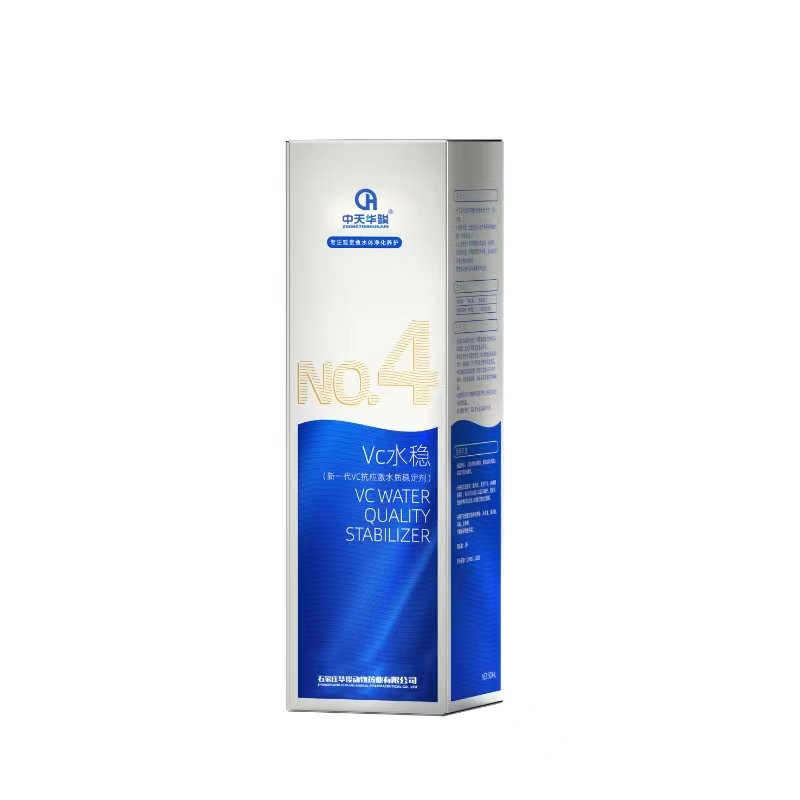

Bangladesh's aquaculture sector is currently facing a critical transition. With the high humidity of the tropical monsoon climate, fish farmers are struggling with sudden pH fluctuations and organic load increases, making the demand for a reliable water quality stabilizer essential for maintaining pond equilibrium.
Furthermore, the prevalence of bacterial infections in shrimp and tilapia farms has led to a heavy reliance on antimicrobial agents. While sulfonamides remain a cornerstone for treating systemic infections, there is a growing movement toward pharmaceutical-grade precision to avoid antibiotic resistance in local waterways.
Storage and logistics in Bangladesh often involve high moisture levels, leading to feed spoilage. This has necessitated the integration of professional mildew remover agents in feed warehouses to ensure that the integrity of raw materials is preserved before they reach the farms.


