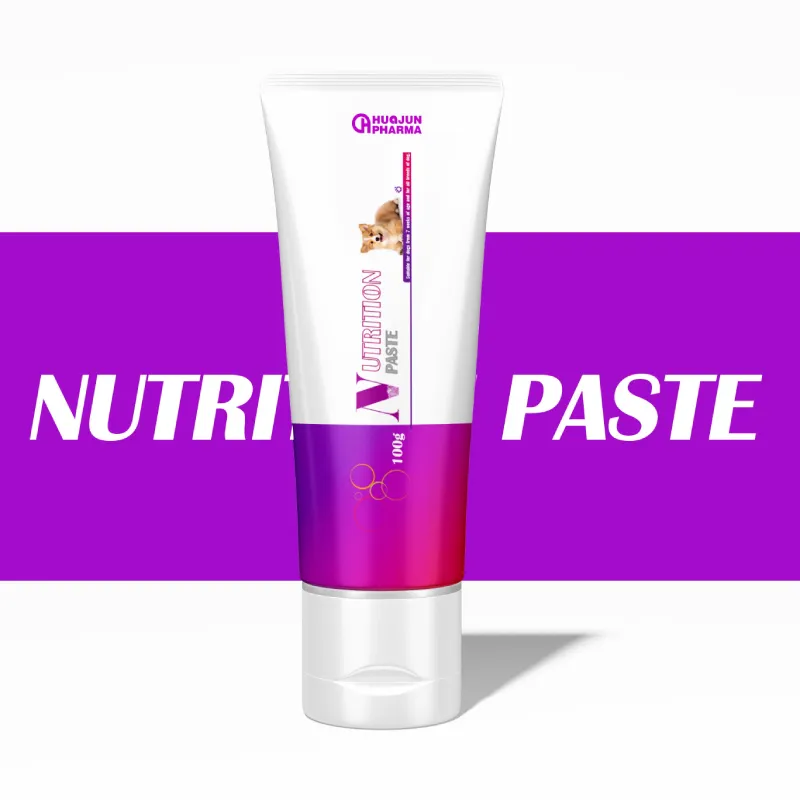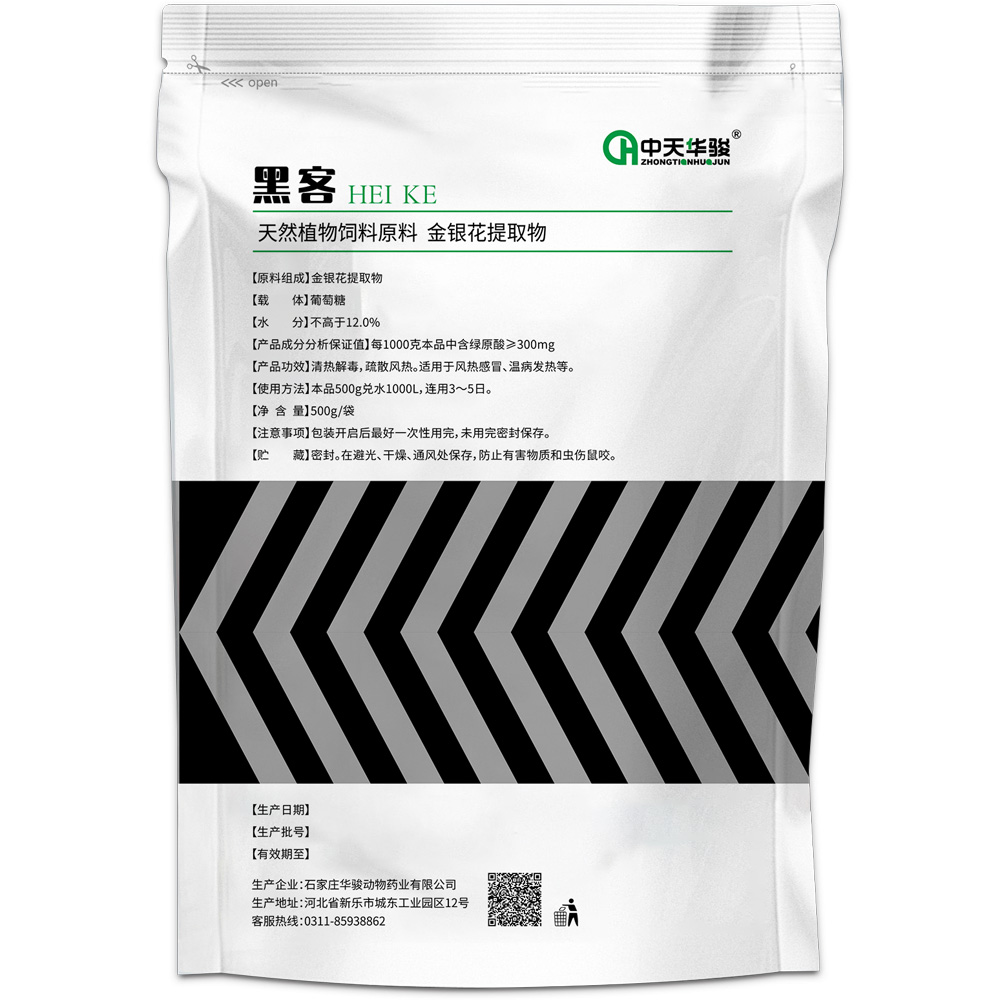

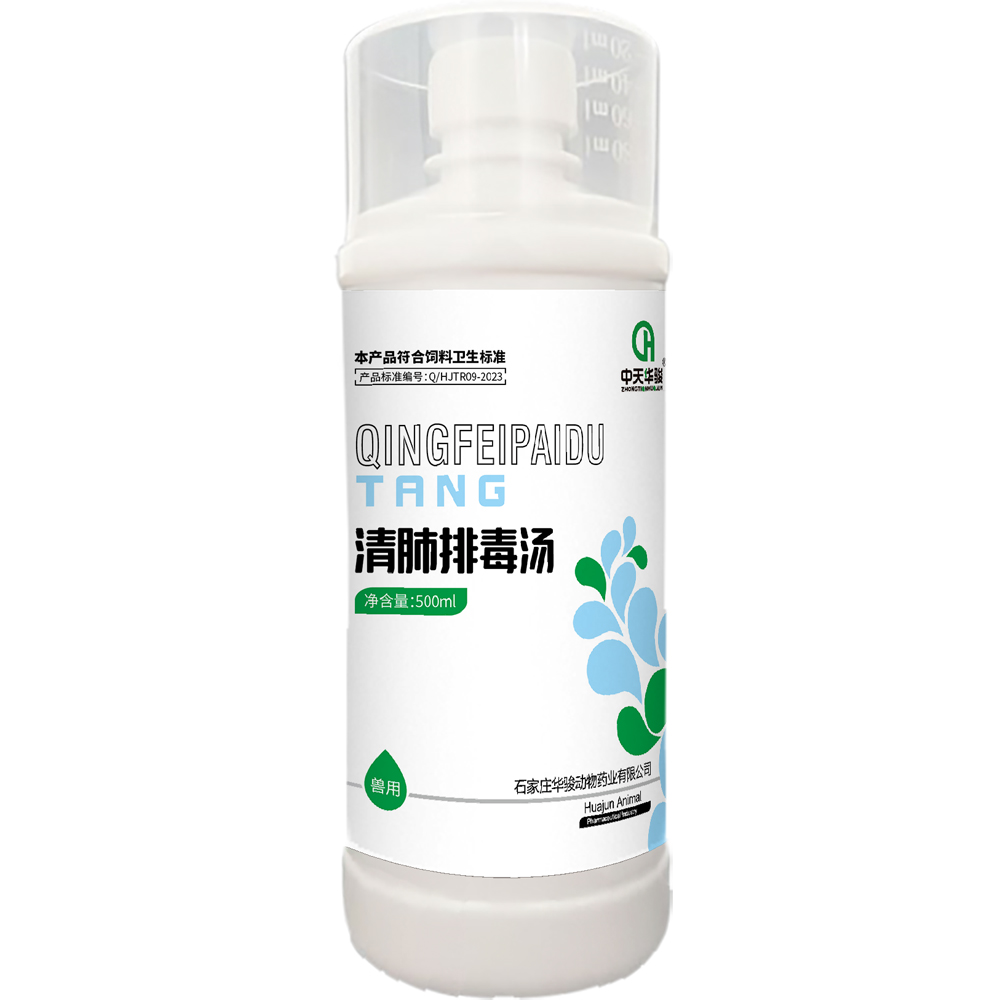
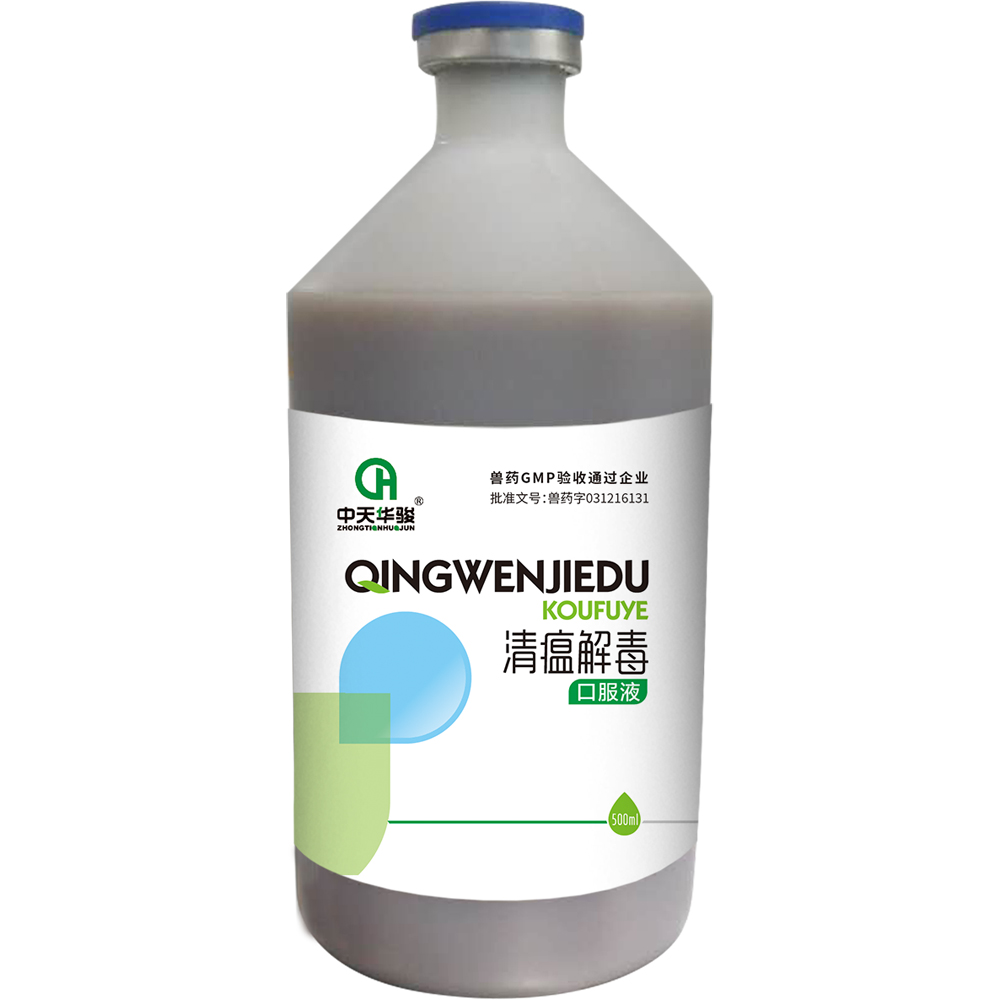
Advanced Aquaculture Solutions for Water Quality Stabilizer in Saudi Arabia

Empowering Saudi Arabia's pharmaceutical and veterinary sectors with high-purity API and nutritional additives for sustainable aquaculture growth.

Advanced Aquaculture Solutions for Water Quality Stabilizer in Saudi Arabia

Our integrated pharmaceutical approach combines specialized nutrition fish feed and chemical stabilizers to ensure livestock health and environmental stability in arid coastal climates.

Current State of Veterinary Chemical Manufacturing in Saudi Arabia

Analyzing the intersection of Vision 2030 and aquaculture chemical requirements.

The aquaculture landscape in Saudi Arabia is currently facing extreme environmental pressures due to high salinity and temperature fluctuations in the Red Sea and Arabian Gulf. This necessitates the deployment of high-grade water quality stabilizer products to maintain optimal oxygen levels and pH balance for intensive fish farming.

From a pharmaceutical perspective, the reliance on imported veterinary APIs is shifting toward localized quality control. The demand for sulfonamides has remained steady for treating bacterial infections in tilapia and shrimp, yet there is a growing push for higher purity standards to minimize residue.

Moreover, the extreme humidity in coastal storage facilities often leads to feed degradation. The industry is now integrating advanced mildew remover agents and stabilizers within the supply chain to prevent mycotoxin contamination in stockpiled feeds.
Evolution of Veterinary Pharmaceutical Standards in Asia

From basic additive mixing to precision molecular nutrition.

Market Development History

In the early 2000s, the Saudi market relied on generic, low-concentration additives. Feed was basic, and disease management was reactive, using broad-spectrum chemicals without precise dosing.

Between 2010 and 2020, the transition toward "Precision Nutrition" began. The introduction of stabilized vitamin c allowed farmers to reduce stress-induced mortality during the high-temperature summer months.

Post-2021, the focus shifted toward integrated health management. The synergy between nutrition fish feed and proactive pharmaceutical intervention became the gold standard for commercial scalability.

Future Development Trends

Bio-Available API Delivery

Shift toward nano-encapsulated delivery systems for veterinary medicines to increase absorption rates in aquatic species.

AI-Driven Water Chemistry

Integration of real-time sensors with automated dosing of stabilizers to react instantly to salinity spikes.

Sustainable Green Chemistry

Replacement of traditional solvents in the manufacturing of antimicrobial agents with biodegradable alternatives.

Industry Trends & Future Outlook

Navigating the next era of Saudi veterinary chemical manufacturing.

Precision Immunomodulation
Increasing the use of high-stability vitamins to boost innate immunity in fish.
Antimicrobial Resistance Management
Optimizing the purity of sulfonamides to reduce environmental leakage.
Climate-Resilient Feed
Developing feed additives that maintain efficacy under 40°C+ temperatures.
Digital Traceability
Blockchain integration for tracking API purity from factory to farm.

Industry Outlook

Based on Google search trends in the MENA region, there is a significant uptick in queries regarding "sustainable aquaculture chemicals" and "closed-loop water systems." This indicates a transition from traditional open-pond farming to Recirculating Aquaculture Systems (RAS).

Consequently, the demand for high-concentration water quality stabilizer and specialized pharmaceutical-grade nutrition will grow by an estimated 12% annually as Saudi Arabia aims for food security autonomy.

Localized Application Scenarios in Saudi Arabia

Tailored chemical and pharmaceutical solutions for regional challenges.

01. Red Sea Shrimp Farm Water Management

Utilizing concentrated stabilizers to counter high salinity and alkaline spikes, ensuring shrimp larvae survival rates during peak summer.

02. Intensive Tilapia Nutrition Programs

Integrating high-purity nutrition fish feed enriched with vitamin c to enhance growth rates in inland aquaculture tanks.

03. Bacterial Outbreak Control in Cage Culture

Strategic deployment of sulfonamides to treat systemic infections while adhering to strict SFDA residue limits.

04. Feed Warehousing in High-Humidity Zones

Application of industrial-grade mildew remover and desiccants in Jeddah-based storage hubs to prevent feed spoilage.

05. RAS (Recirculating Aquaculture System) Optimization

Precise dosing of water chemistry modifiers to maintain biological filter efficiency in closed-circuit urban fish farms.

Brand Story

Global Development History of Hebei Kuayu Import and Export Trade Co., Ltd.

Foundation and Vision

Established with a focus on bridging the gap between high-end chemical synthesis and practical veterinary application.

Quality Standardization

Implementing rigorous GMP and ISO standards to ensure every API shipment meets global pharmaceutical benchmarks.

Market Expansion in Asia

Developing strategic partnerships across the Middle East, tailoring chemical formulations for arid climate livestock.

Technological Innovation

Investing in R&D for stabilized vitamins and advanced antimicrobials to reduce environmental impact.

Commitment to Sustainability

Our mission is to solve the most critical pain points in pharmaceutical manufacturing, ensuring food security through chemistry.

Local Industry FAQ

Addressing the technical concerns of the Saudi veterinary chemical market.

How does high-purity vitamin c improve fish survival in the Red Sea?

High-purity stabilized vitamin c reduces oxidative stress caused by extreme temperature fluctuations, enhancing the immune response of aquatic species.

What are the SFDA requirements for sulfonamides in aquaculture?

The SFDA mandates strict Maximum Residue Limits (MRLs). Using pharmaceutical-grade APIs ensures faster clearance rates and better compliance.

Can a water quality stabilizer prevent algae blooms in Saudi ponds?

Yes, by stabilizing phosphate and nitrate levels, these agents prevent the rapid nutrient spikes that trigger toxic algae blooms.

How to prevent feed contamination with a mildew remover in humid ports?

Applying food-grade mildew removers during the pelleting process and using moisture-barrier packaging prevents fungal growth during transit.

What makes nutrition fish feed different for intensive farming?

Intensive feed is formulated with higher protein bioavailability and essential lipids to support rapid growth in high-density environments.

Are there synergistic effects between vitamins and antimicrobial agents?

Yes, vitamin supplementation strengthens the mucosal barrier, allowing antimicrobial agents to work more effectively with lower dosages.

Ready to Optimize Your Production?

Our technical experts are available to provide customized chemical formulations and API sourcing for your projects in Saudi Arabia.

Contact Us Now

If you are interested in our products, you can choose to leave your information here, and we will be in touch with you shortly.


Asset 3

Need Help?
Drop us a message using the form below.