



Mar . 17, 2026 01:55 Back to list
China Worming Chickens with Ivermectin A Comprehensive Guide to Poultry Health
China Worming Chickens with Ivermectin: A Comprehensive Guide
Ivermectin is a widely used antiparasitic drug, and its application in poultry, specifically for worming chickens, is a common practice globally, including in China. This article provides an in-depth look at the use of ivermectin in chickens, covering dosage, administration, benefits, precautions, and sourcing from reputable suppliers like ZTHJ Pharma. Understanding proper protocols is crucial for maintaining flock health and ensuring product safety.

Understanding Ivermectin and its Role in Poultry Health
Ivermectin works by disrupting the nervous system of parasites, leading to their paralysis and death. In chickens, it’s particularly effective against common intestinal worms like roundworms, cecal worms, and gapeworms. These parasites can significantly impact a chicken’s health, leading to weight loss, reduced egg production, and even mortality. ZTHJ Pharma offers high-quality ivermectin solutions specifically formulated for veterinary use, ensuring potency and safety for your flock. Regular deworming with ivermectin helps maintain a healthy gut environment, improving nutrient absorption and overall bird performance.
Key Benefits: Effective against a broad spectrum of intestinal worms, improves feed conversion ratio, enhances egg production, and promotes overall flock health.
China Worming Chickens with Ivermectin: Dosage and Administration
The correct dosage of ivermectin is crucial for effectiveness and to avoid potential adverse effects. Dosage varies depending on the chicken’s weight and the concentration of the ivermectin product. Typically, ivermectin is administered orally, either through the drinking water or directly into the beak. When administering through drinking water, ensure the water is the only source available to the chickens for a specified period to guarantee adequate intake. ZTHJ Pharma’s ivermectin products come with clear dosage instructions, but it's always best to consult with a veterinarian to determine the optimal treatment plan for your specific flock.
Dosage Guidelines (General):
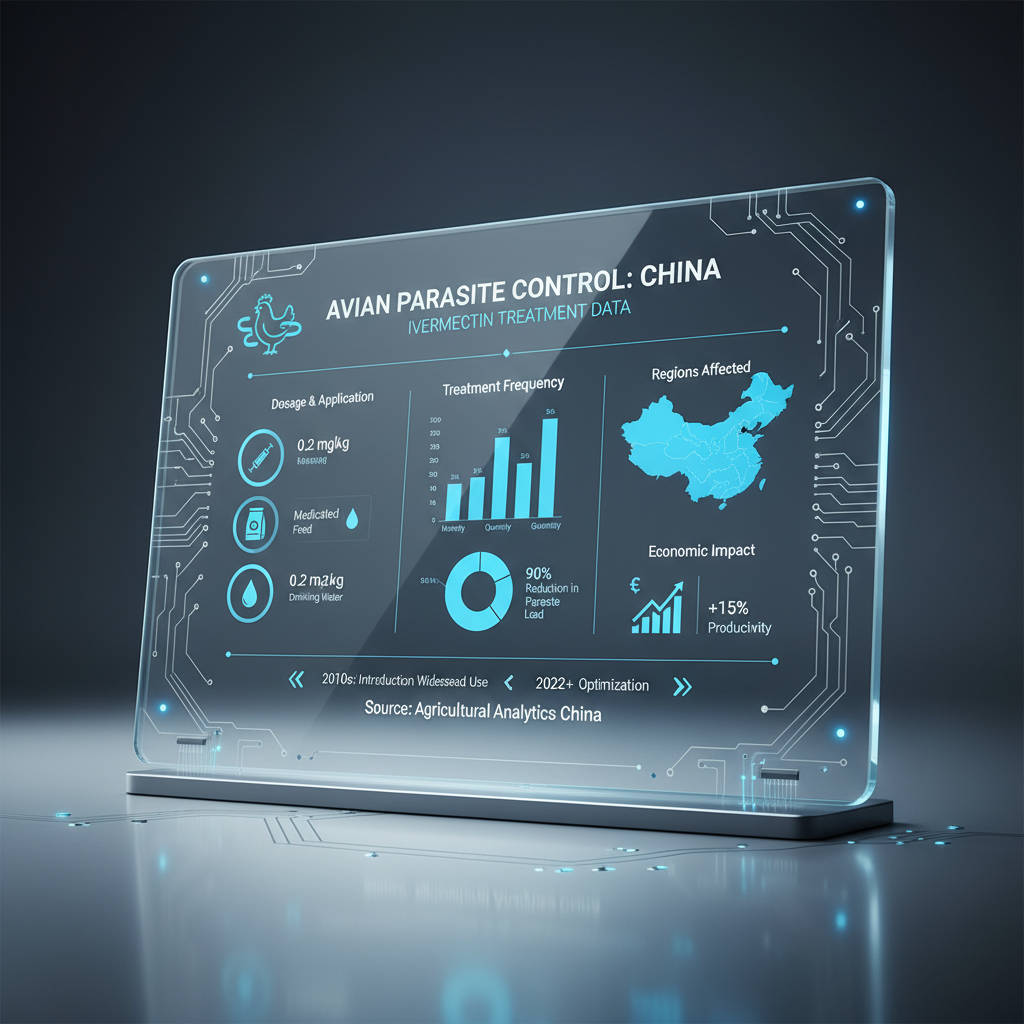
• Oral Administration: 0.2mg - 0.4mg ivermectin per kg of body weight.
• Drinking Water: Follow product label instructions carefully for dilution rates.
• Repeat Treatment: Typically required every 6-8 weeks, or as recommended by a veterinarian.
Ivermectin Products Available from ZTHJ Pharma
ZTHJ Pharma offers a range of ivermectin formulations suitable for poultry. These include injectable solutions, oral solutions, and premixes. Each product is manufactured under strict quality control standards, ensuring purity and efficacy. Our products are designed for ease of administration and maximum bioavailability, allowing for optimal parasite control. We provide detailed product information and support to help you select the best ivermectin solution for your needs. Investing in quality ivermectin from a trusted supplier like ZTHJ Pharma is essential for protecting your flock’s health.
Precautions and Withdrawal Periods
While ivermectin is generally safe when used correctly, it’s important to observe certain precautions. Avoid overdosing, as this can lead to neurological symptoms. Always follow the manufacturer’s instructions and consult a veterinarian. Ensure a proper withdrawal period is observed before consuming eggs or meat from treated chickens. This withdrawal period allows the ivermectin to clear from the animal's system, ensuring consumer safety. ZTHJ Pharma provides clear guidance on withdrawal periods for each of its ivermectin products.
Sourcing Ivermectin from a Trusted Supplier in China
When sourcing ivermectin for your poultry farm, it’s essential to choose a reputable supplier like ZTHJ Pharma. We are a leading manufacturer and exporter of veterinary pharmaceuticals, committed to providing high-quality products and excellent customer service. We adhere to strict quality control standards and offer comprehensive documentation to ensure product authenticity and compliance. Partnering with a trusted supplier guarantees you receive a safe and effective ivermectin solution for your chickens.
Conclusion
Effective worming is vital for maintaining a healthy and productive poultry flock. Ivermectin, when used correctly and sourced from a reliable supplier like ZTHJ Pharma, is a powerful tool for controlling internal parasites and optimizing flock performance. Invest in quality, follow best practices, and consult with a veterinarian to ensure the long-term health and well-being of your chickens.
Frequently Asked Questions (FAQs)
What are the common signs of worm infestation in chickens?
Common signs include weight loss, reduced appetite, pale combs and wattles, diarrhea, and decreased egg production. In severe cases, you might observe visible worms in the chicken’s droppings. Gapeworms can cause respiratory distress, characterized by gasping and snorting. Regular fecal examinations by a veterinarian can help diagnose worm infestations early on. Prompt treatment with ivermectin can prevent the infestation from worsening and causing significant health problems.
Can I use ivermectin preventatively, or should I only treat when I see signs of worms?
Preventative deworming can be beneficial, particularly in areas with high worm prevalence. However, overuse of ivermectin can lead to parasite resistance. A strategic deworming program, based on regular fecal egg counts and veterinary advice, is the most effective approach. This allows you to target treatment only when necessary, minimizing the risk of resistance. ZTHJ Pharma can provide guidance on developing a suitable deworming schedule for your flock.
What should I do if I suspect ivermectin resistance in my flock?
If you suspect ivermectin resistance, consult with a veterinarian immediately. They may recommend switching to a different anthelmintic with a different mode of action. Fecal egg count reduction tests can help confirm resistance. Implementing good biosecurity practices, such as cleaning and disinfecting housing regularly, and rotating pasture areas, can also help reduce the risk of further resistance development. Avoid continuous, indiscriminate use of ivermectin.
-
China Veterinary Tiamulin Injection for Livestock Respiratory Health
NewsApr.16,2026
-
Prevention and Control of China Salmonella in Poultry Industry
NewsApr.09,2026
-
China Ivermectin Cattle Dewormer A Comprehensive Guide for Livestock Health
NewsApr.07,2026
-
China Amoxicillin 효능 A Comprehensive Guide to Quality and Sourcing
NewsApr.04,2026
-
Comprehensive Guide to China Salpingitis CT Diagnosis and Treatment
NewsMar.31,2026
-
Comprehensive Guide to China Ivermectin Pellets for Horses and Their Benefits
NewsMar.28,2026