



Mar . 03, 2026 18:15 Back to list
China Home Made Penicillin Production Methods Quality Control and Global Impact
Understanding China Home Made Penicillin
Penicillin, a revolutionary antibiotic, has saved countless lives since its discovery. While often associated with Western pharmaceutical companies, China has emerged as a significant producer of penicillin and its derivatives. This article explores the landscape of China home made penicillin, covering production methods, quality control, export markets, and the role of companies like ZTHJ Pharma in this vital industry. The increasing demand for affordable antibiotics globally makes China a crucial player in ensuring access to this life-saving medication.
The Rise of Penicillin Production in China
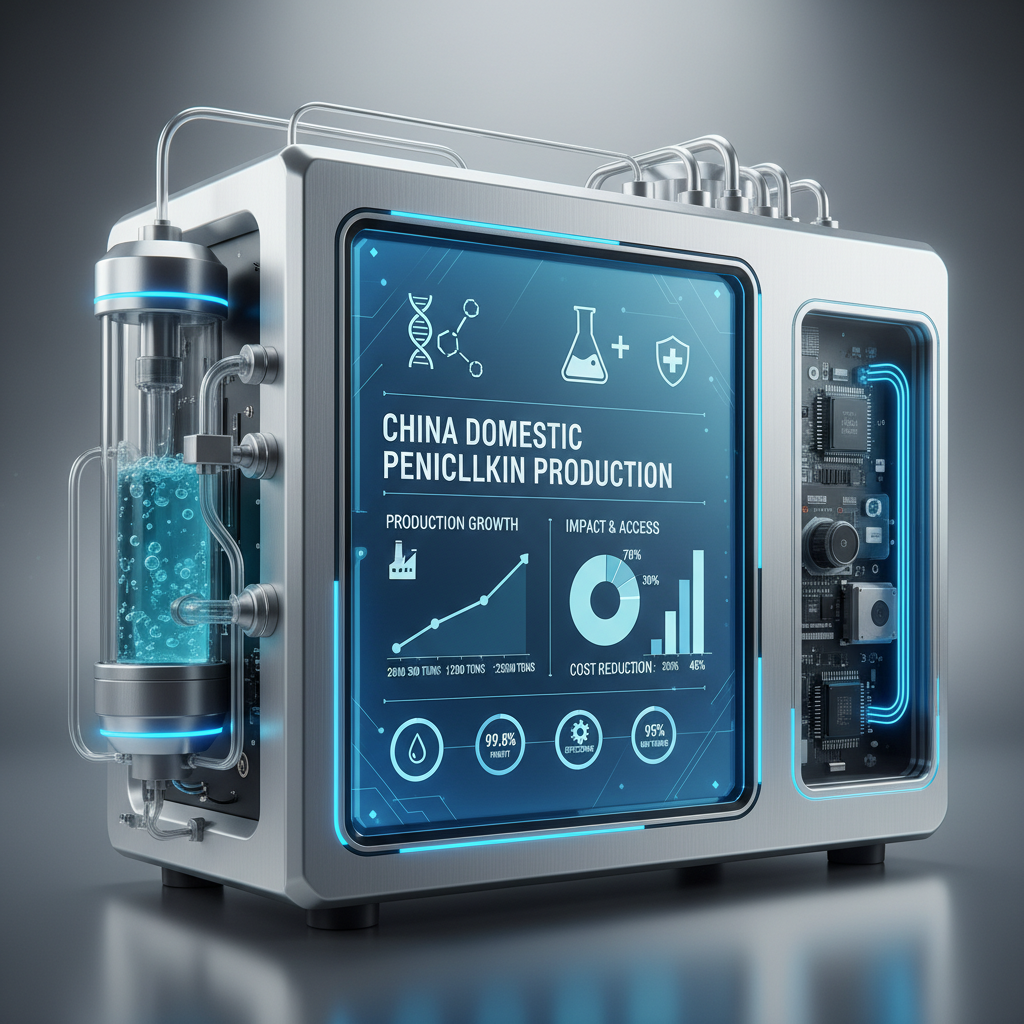
China's penicillin production has experienced substantial growth over the past few decades. Initially focused on meeting domestic demand, the country now exports significant quantities of penicillin and its derivatives worldwide. This growth is attributed to several factors, including government investment in pharmaceutical infrastructure, a skilled workforce, and a competitive cost structure. The fermentation process, the core of penicillin production, has been optimized by Chinese manufacturers, leading to increased efficiency and yields. Furthermore, strategic partnerships with international pharmaceutical companies have facilitated technology transfer and quality improvement.
Key Highlights: China’s advancements in fermentation technology and strategic partnerships have fueled a significant increase in penicillin production, positioning the country as a global leader.
Production Methods: From Fermentation to Finished Product
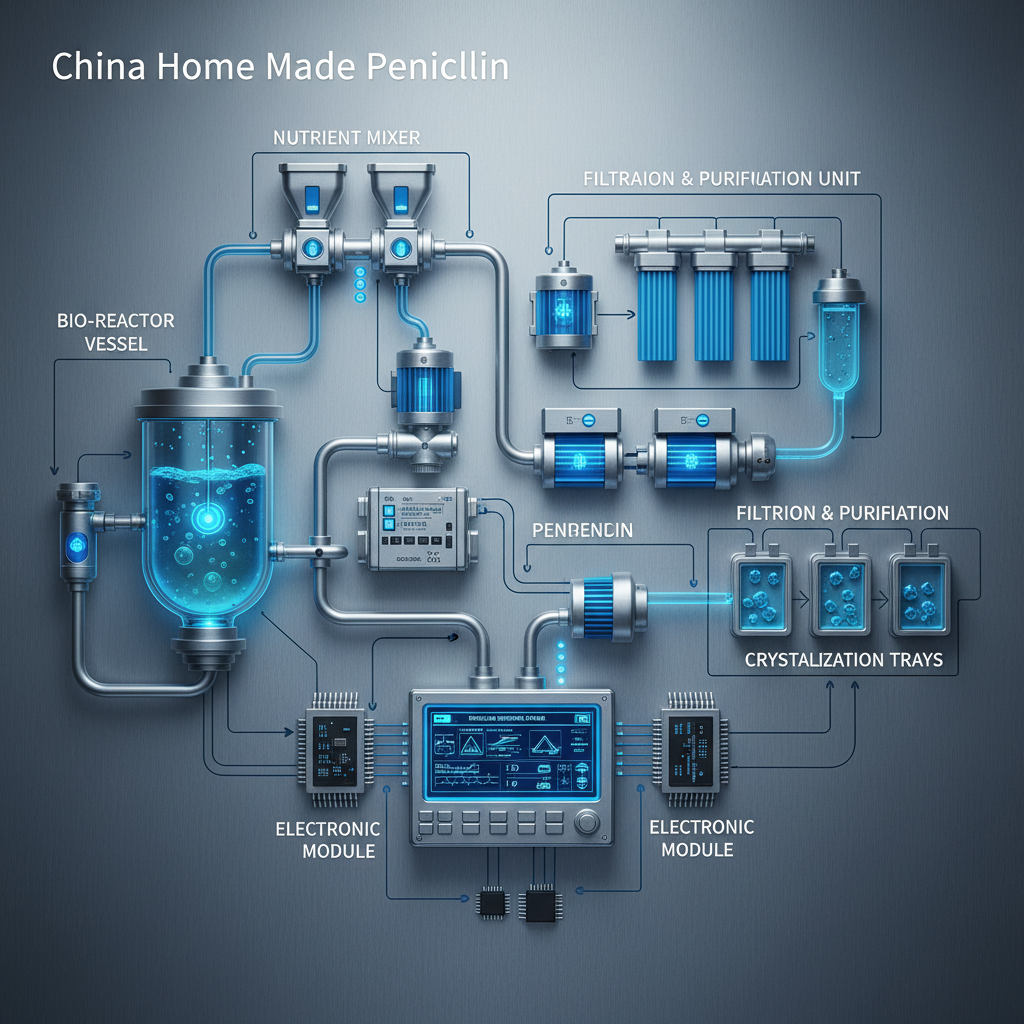
The production of penicillin in China, like elsewhere, relies heavily on fermentation. This process involves cultivating Penicillium molds in large vats containing a nutrient-rich medium. The molds produce penicillin, which is then extracted, purified, and converted into various forms – primarily penicillin G and penicillin V. These are then further processed into injectable solutions, tablets, and capsules. Modern Chinese facilities utilize advanced bioprocessing technologies, including automated fermentation control systems and sophisticated purification techniques, to ensure high yields and product quality. ZTHJ Pharma exemplifies this commitment to advanced manufacturing processes.
Penicillin Production Steps:
• Cultivation of Penicillium molds
• Fermentation process in large vats
• Extraction and purification of penicillin
• Conversion into Penicillin G and V
• Formulation into injectable solutions, tablets, and capsules
Quality Control and Regulatory Compliance of China Home Made Penicillin
Maintaining stringent quality control is paramount in penicillin production. Chinese pharmaceutical companies are increasingly adhering to international standards, such as Good Manufacturing Practice (GMP) guidelines. These guidelines cover all aspects of production, from raw material sourcing to final product testing. Regulatory oversight is provided by the National Medical Products Administration (NMPA), which enforces strict quality control measures and conducts regular inspections. Furthermore, many Chinese manufacturers seek certifications from international regulatory bodies to demonstrate their commitment to quality and compliance. This is crucial for exporting to markets with stringent requirements.
China Home Made Penicillin: Export Markets and Global Impact
China exports penicillin and its derivatives to a wide range of countries, including those in Asia, Africa, Latin America, and even developed nations. The affordability of Chinese-made penicillin makes it an attractive option for countries with limited healthcare budgets. This has a significant impact on global access to essential medicines. However, competition from other generic antibiotic producers, such as India, is intensifying. Companies like ZTHJ Pharma are focusing on enhancing product quality, expanding into regulated markets, and developing new formulations to maintain their competitive edge.
The Role of ZTHJ Pharma in China's Penicillin Industry
ZTHJ Pharma is a prominent player in China's penicillin industry, specializing in the research, development, production, and sale of penicillin and related products. The company is committed to adhering to international quality standards and has invested significantly in advanced manufacturing technologies. ZTHJ Pharma's portfolio includes a wide range of penicillin formulations, catering to diverse medical needs. Their focus on innovation and quality control positions them as a reliable supplier to both domestic and international markets.
Conclusion: The Future of China Home Made Penicillin
China’s role in the global penicillin supply chain is set to remain significant. Continuous improvements in production techniques, stringent quality control measures, and the dedication of companies like ZTHJ Pharma are vital for ensuring a sustainable and reliable supply of this essential medication. Addressing challenges related to antibiotic resistance and maintaining competitive pricing will be key to the future success of this industry.
Frequently Asked Questions (FAQs)
What are the main challenges facing China’s penicillin industry?
The industry faces several challenges, including increasing competition from other generic antibiotic producers (like India), rising production costs, and the need to continuously invest in research and development to stay ahead of antibiotic resistance. Maintaining consistently high quality standards to meet stringent international regulations is also a critical ongoing challenge. Furthermore, environmental concerns related to wastewater treatment from fermentation processes require ongoing attention and investment in sustainable technologies.
How does China ensure the quality of exported penicillin?
China employs a multi-faceted approach to ensure the quality of exported penicillin. This includes stringent adherence to Good Manufacturing Practice (GMP) guidelines, rigorous testing of raw materials and finished products, and regular inspections by the National Medical Products Administration (NMPA). Many manufacturers also seek certifications from international regulatory bodies, such as the FDA or EMA, demonstrating compliance with global quality standards. These measures aim to provide assurance to importing countries that the penicillin meets the required safety and efficacy criteria.
What is the future outlook for China’s penicillin exports?
The future outlook for China’s penicillin exports is cautiously optimistic. While competition is increasing, the global demand for affordable antibiotics remains strong. To maintain its position, China needs to focus on innovation, quality improvement, and sustainable production practices. Investing in research and development of new penicillin derivatives and formulations will also be crucial. Expansion into regulated markets with higher quality standards will further enhance the industry’s reputation and long-term sustainability.
What role does sustainability play in Chinese penicillin production?
Sustainability is becoming increasingly important in Chinese penicillin production. Fermentation processes generate significant wastewater, which requires effective treatment to minimize environmental impact. Companies are investing in advanced wastewater treatment technologies and implementing cleaner production processes. Furthermore, there is growing emphasis on reducing energy consumption and utilizing renewable energy sources. Sustainable practices are not only environmentally responsible but also enhance the industry’s long-term viability and reputation.
-
China Veterinary Tiamulin Injection for Livestock Respiratory Health
NewsApr.16,2026
-
Prevention and Control of China Salmonella in Poultry Industry
NewsApr.09,2026
-
China Ivermectin Cattle Dewormer A Comprehensive Guide for Livestock Health
NewsApr.07,2026
-
China Amoxicillin 효능 A Comprehensive Guide to Quality and Sourcing
NewsApr.04,2026
-
Comprehensive Guide to China Salpingitis CT Diagnosis and Treatment
NewsMar.31,2026
-
Comprehensive Guide to China Ivermectin Pellets for Horses and Their Benefits
NewsMar.28,2026